Why Crawl Space Encapsulation Matters for Asthma in Annapolis, MD
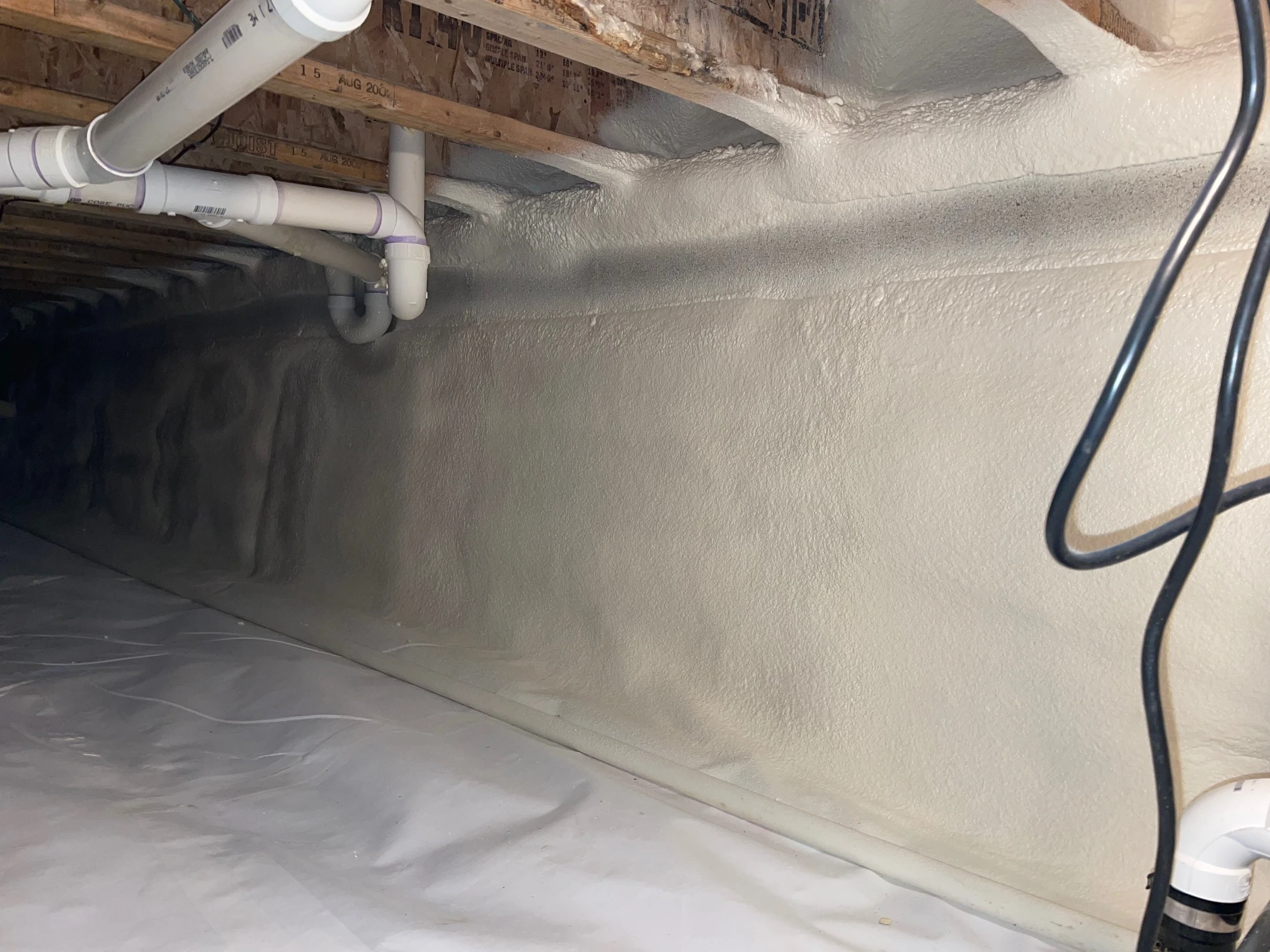
Crawl space encapsulation directly addresses the hidden source of asthma triggers in many Annapolis homes by sealing out moisture that…

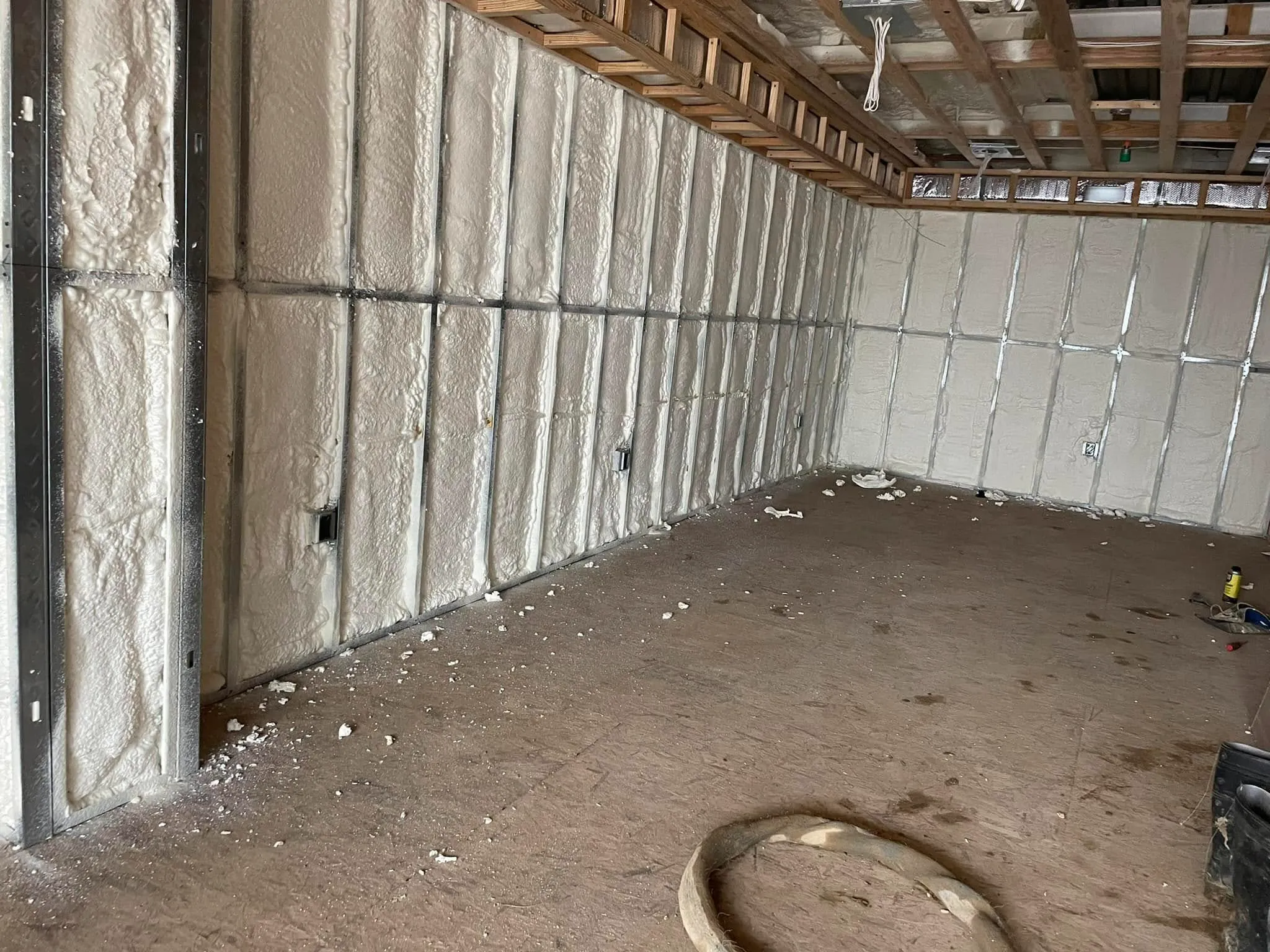
Imagine you’re paying to heat and cool your home, but up to 40% of that energy is literally flying out through tiny cracks and gaps you can’t even see. This isn’t just a hypothetical scenario, it’s the reality for millions of homeowners. Air leaks are silent energy thieves that operate around the clock, driving up utility bills and forcing your heating and cooling systems to work overtime. When you’re planning to install spray foam insulation, finding these leaks first isn’t just smart, it’s absolutely essential.
Spray foam insulation is one of the most effective air sealing solutions available, but it works best when applied as part of a comprehensive air sealing strategy. Think of it like waterproofing a boat if you don’t find and fix all the holes first, you’re just wasting expensive materials. This guide represents years of hands-on experience in residential energy efficiency, walking you through everything you need to know about detecting air leaks before your spray foam installation.
Air leaks are essentially unwanted pathways that allow air to move between your home’s interior and exterior. Unlike ventilation, which is controlled and intentional, air leakage is uncontrolled and often problematic. These gaps can range from barely visible cracks around windows to larger openings around plumbing penetrations or in your attic.
The financial impact of these leaks adds up quickly. According to the U.S. Department of Energy, the average household can save between 10% and 20% on heating and cooling costs—or up to 20% annually on total energy bills—by sealing air leaks and adding insulation. For a family spending $2,400 annually on energy, that’s potential savings of $240 to $480 per year.
Beyond energy costs, air leaks affect your home in several other ways:
Spray foam insulation is an excellent product, but it’s not a magic bullet. When applied without addressing air leaks first, you’re essentially trapping problems within your walls. Here’s why pre-detection matters:
First, spray foam insulation performs best when it can fully expand and adhere to surfaces without competing air currents. Existing air leaks can create pressure differentials that affect the foam’s expansion pattern, potentially leaving gaps in coverage.
Second, spray foam is expensive. The national average cost for spray foam insulation installation ranges from $1,364 to $5,063, with most homeowners paying around $3,219 according to HomeAdvisor data. At these prices, you want to ensure maximum effectiveness by addressing all air leakage points first.
Third, some air leaks are too large for spray foam alone to handle effectively. Major gaps around plumbing stacks, chimneys, or foundation penetrations often require specific sealing materials like fire-rated caulk, expanding foam sealant, or even specialized flashing before spray foam application.
Finally, understanding your home’s specific air leakage patterns helps your insulation contractor apply spray foam more strategically. This knowledge allows for targeted application in problem areas rather than a one-size-fits-all approach, potentially reducing material costs while improving performance.
Detecting air leaks ranges from simple DIY methods to professional-grade equipment. Here’s what you’ll need for different levels of detection:
Expert Tip: You don’t need to buy all this equipment. Many tool rental companies offer blower door test kits, and some utility companies provide free or discounted energy audits that include professional leak detection.
| Method | Accuracy | Best For |
|---|---|---|
| Visual Inspection | Low | Obvious large gaps |
| Smoke Test | Medium | Window/door frames |
| Blower Door | High | Comprehensive assessment |
| Infrared Camera | High | Hidden leaks, moisture |
Before you start hunting for leaks, proper preparation ensures you’ll get accurate results and comprehensive coverage.
The best time to detect air leaks is during the heating or cooling season when there’s a significant temperature difference between inside and outside. A 20-40 degree temperature difference makes leaks much easier to spot, especially when using temperature-based detection methods.
Choose a calm, non-windy day for your initial visual inspections. While blower door tests create their own pressure difference, windy conditions can interfere with smoke tests, making it harder to determine draft direction.
If you’re using smoke or combustion-based detection methods, ensure proper ventilation. Never use open flame detection methods near gas lines or flammable materials. When working in attics or crawlspaces, use proper respiratory protection and ensure adequate ventilation.
Key Takeaways: Proper preparation accounts for about 50% of successful leak detection. Taking time to create the right conditions and ensure safety will make the actual detection process faster and more effective. Remember that air leaks often work together in systems, so what appears to be a minor leak might actually be part of a larger air flow pattern.
This step-by-step methodical approach ensures you don’t miss any significant air leakage points. Start from the bottom of your house and work your way up.
Begin where the house meets the ground. Foundation cracks, sill plate gaps, and basement window frames are common leak sources.
Expert Tip: Use a piece of toilet paper held on a toothpick or skewer to test for drafts in hard-to-reach areas like rim joist cavities. It’s more sensitive than your hand for detecting light air movement.
Move to the main living areas, focusing on common penetration points.
Upper floors and attics often have the most significant air leaks due to the stack effect, warm air rising, and creating pressure differences.
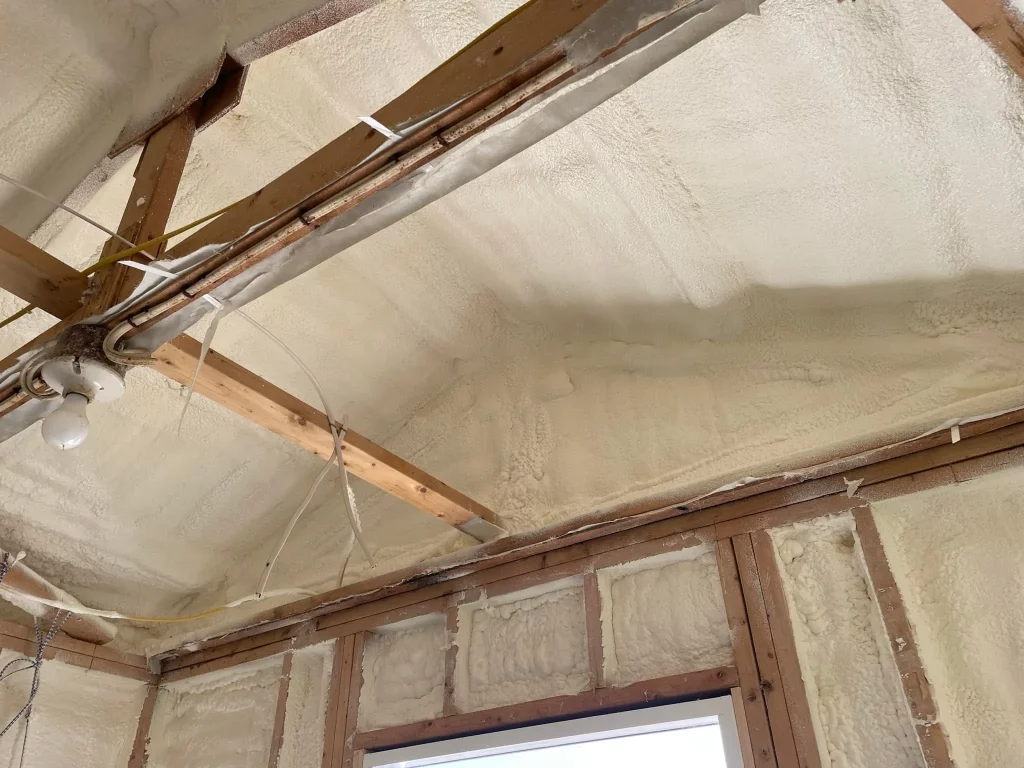
These rooms have unique features that create additional air leakage opportunities.
While visual inspections catch many problems, some leaks require more sophisticated detection methods. According to Lawrence Berkeley National Laboratory, using a blower door test in combination with infrared thermography can identify up to 95% of a home’s air leakage points.
This professional-standard test creates a controlled pressure difference that makes even tiny air leaks detectable.
Expert Tip: During a blower door test, start with the biggest leaks first. Large holes will be obvious even without special tools, listen for whistling sounds and feel for strong drafts.
Infrared cameras detect temperature differences that indicate air leakage, moisture problems, or missing insulation.
Using a smoke pencil or smoke machine during a blower door test makes air movement visible.
Key Takeaways: Professional testing equipment provides the most comprehensive results, but even basic methods can identify 70-80% of significant leaks if performed systematically. The key is methodical inspection rather than fancy equipment. Document everything with photos and notes. This becomes valuable when planning your spray foam application.
Different eras of construction have characteristic air leakage patterns. Understanding these common locations can help focus your inspection efforts.
Once you’ve identified air leaks, systematic documentation helps ensure effective sealing and maximizes your spray foam insulation investment.
Draw a simple floor plan of your house and mark leak locations using a consistent numbering system. For each leak, record:

Not all leaks are created equal. Focus your efforts on:
High Priority (Address before spray foam):
Medium Priority (Can be addressed with spray foam):
Low Priority (Cosmetic or minor):
Share your documentation with your spray foam installer. This information helps them:
While many homeowners can successfully identify and seal basic air leaks, some situations require professional expertise.
A certified energy auditor or weatherization professional offers:
According to the Building Performance Institute, certified professionals can identify and seal leaks that even the most diligent DIY homeowners might miss, particularly in complex homes with multiple air leakage pathways.
When selecting a professional for air leak detection:
Finding and sealing air leaks before spray foam installation isn’t just about saving money, it’s about creating a comfortable, healthy, and efficient living environment. The systematic approach outlined in this guide helps you ensure your insulation investment delivers maximum returns.
Remember these key points as you move forward:
The effort you put into air leak detection before spray foam installation will pay dividends for years to come through lower energy bills, improved comfort, and better indoor air quality. Keep this guide handy as a reference throughout your project, and don’t hesitate to revisit sections as needed.
Detecting air leaks thoroughly requires attention to detail and the right experience. If you’re planning spray foam insulation installation and want to ensure your home is properly prepared, professional assistance can save time and prevent costly mistakes. Peninsula Insulation, LLC offers comprehensive air leak detection services using advanced equipment and building science expertise. For guidance on preparing your home for spray foam insulation or to schedule a professional assessment, reach out at wil@mdsprayfoam.net or call(410) 770-2624 to discuss your specific situation and ensure your insulation project starts with a solid foundation.
Professional energy audits with blower door testing typically cost $300-$600, depending on your home size and location. Some utility companies offer rebates or free audits for qualifying customers.
Yes, uncontrolled air leaks can introduce mold spores, allergens, pollutants, and excess moisture into your home. According to the Environmental Protection Agency, poor indoor air quality can aggravate asthma and other respiratory conditions.
Spray foam is an excellent air barrier, but has limitations. Large holes, gaps around chimneys, and some plumbing penetrations may need additional sealing materials before foam application.
The ideal air tightness varies by climate zone and building type. Most modern building codes aim for 3-5 air changes per hour at 50 Pascals of pressure (ACH50), but extremely tight homes may need mechanical ventilation.
Yes, a house that’s too tight without proper ventilation can trap indoor air pollutants and moisture. Modern building science often includes balanced ventilation systems in very tight homes.
Every 5-7 years is reasonable, or after any major renovation. Structural settling, material degradation, and temperature cycling can create new leak paths over time.