
Are you tired of drafty rooms in the winter and sweltering spaces come summer? Peninsula Insulation, LLC is your trusted Severna Park spray foam insulation contractor, dedicated to enhancing your home's comfort and energy efficiency. We provide top-tier insulation solutions that create a powerful thermal barrier, keeping your indoor environment consistent and your energy bills down, regardless of Maryland's unpredictable climate. Experience the peace of mind that comes with a professionally insulated home.
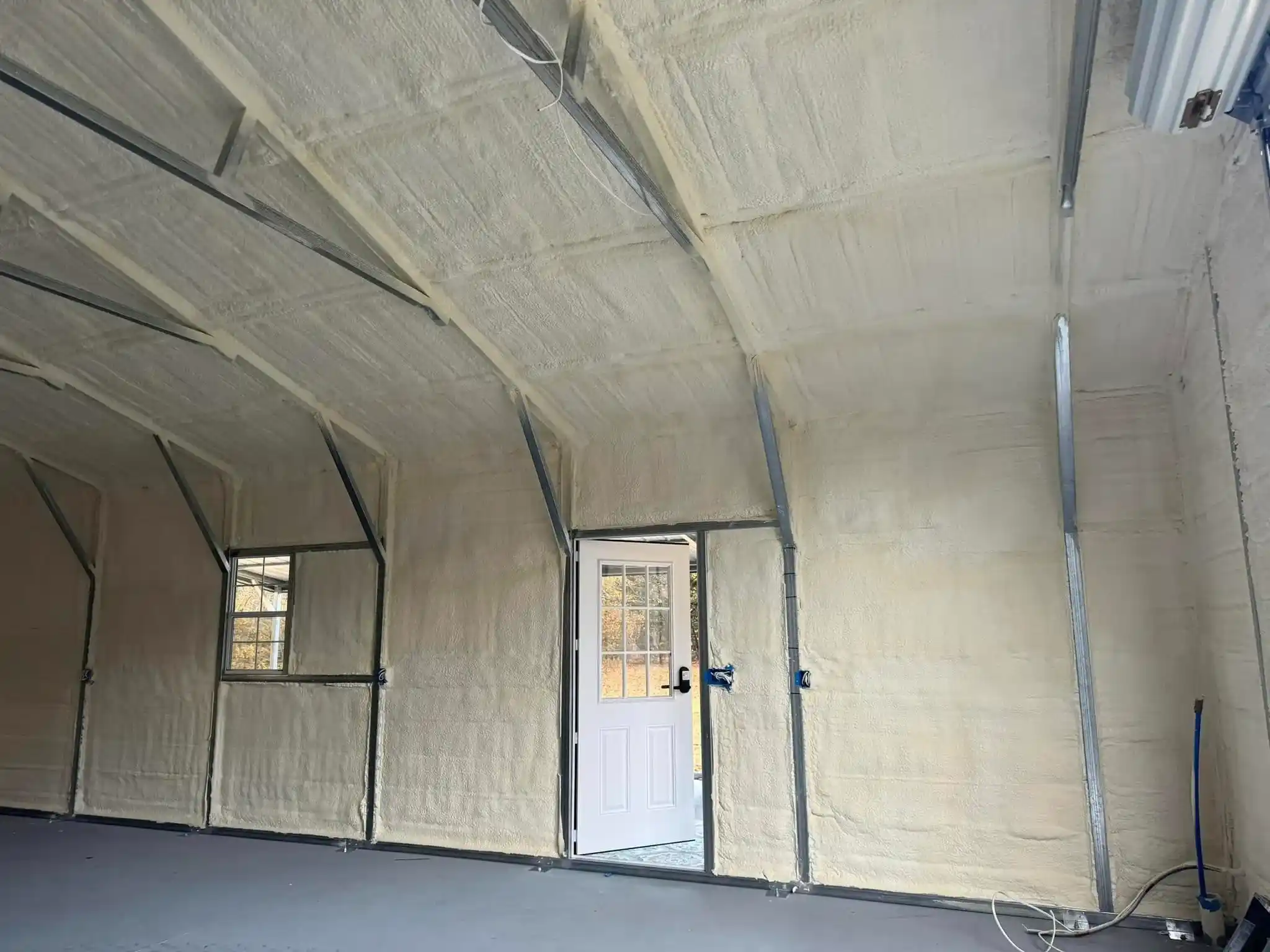
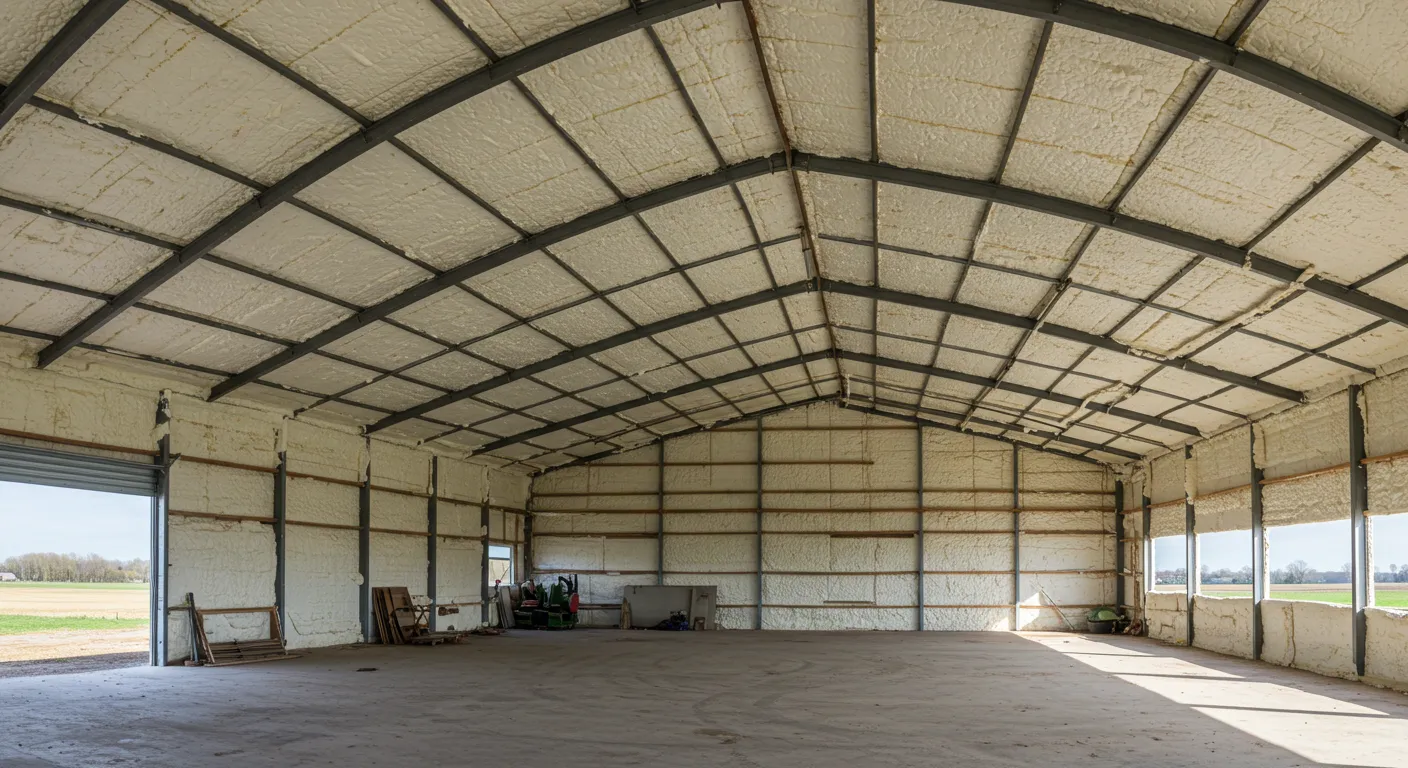
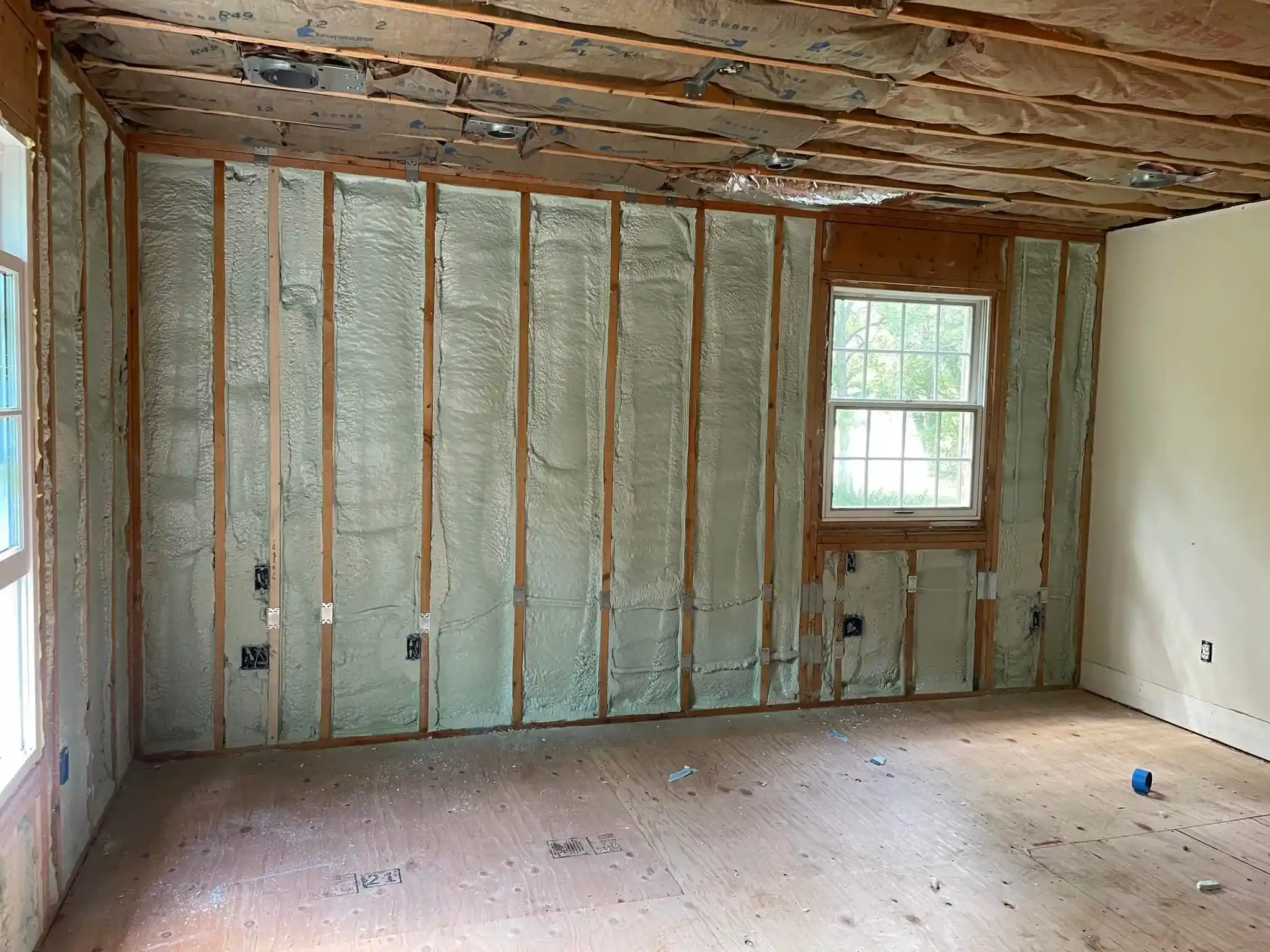
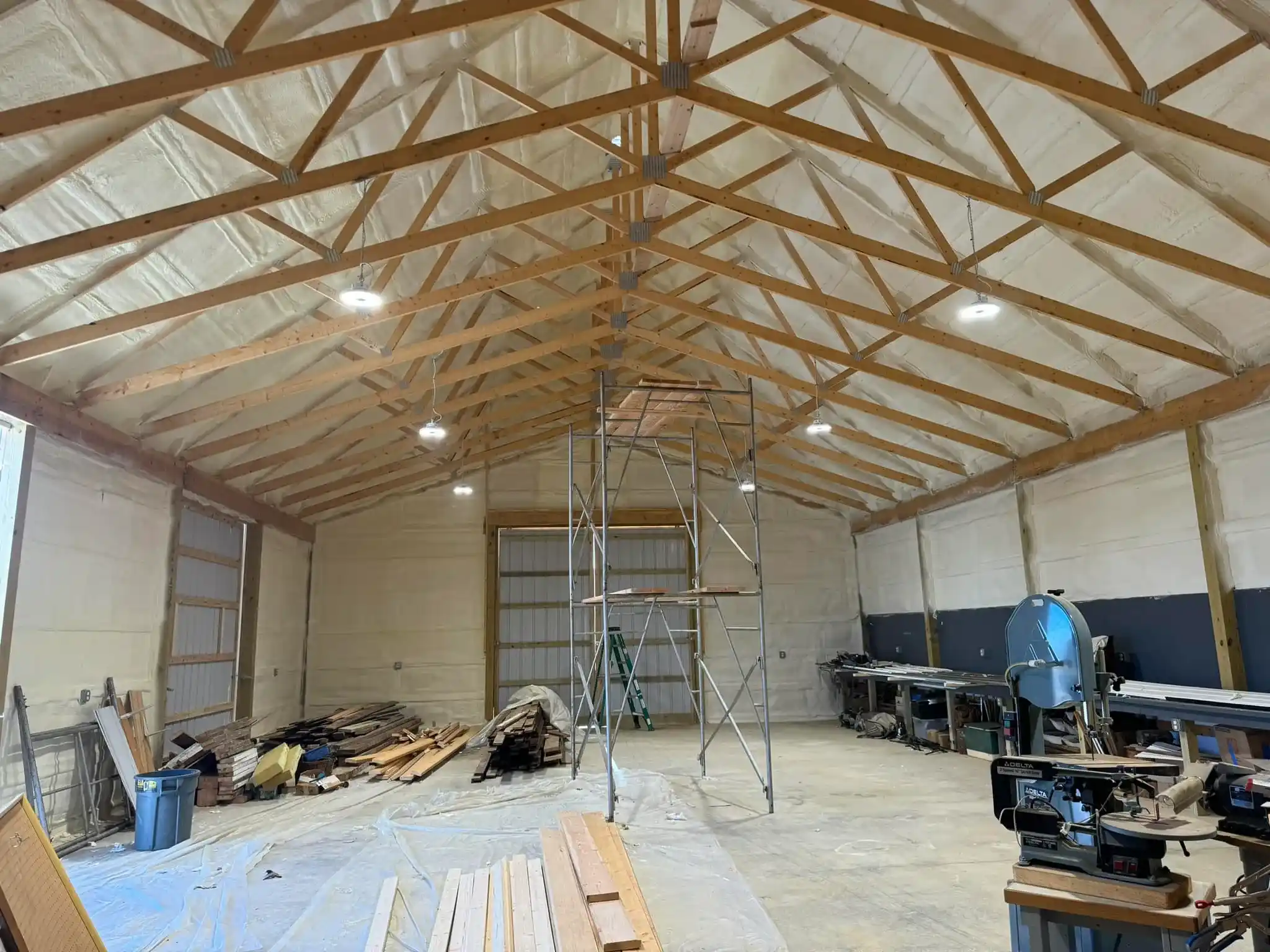
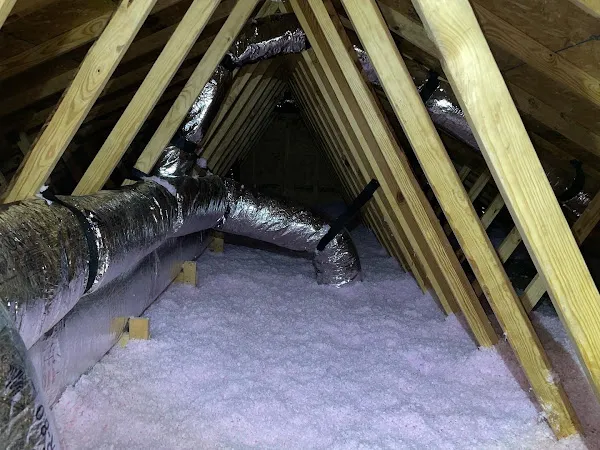
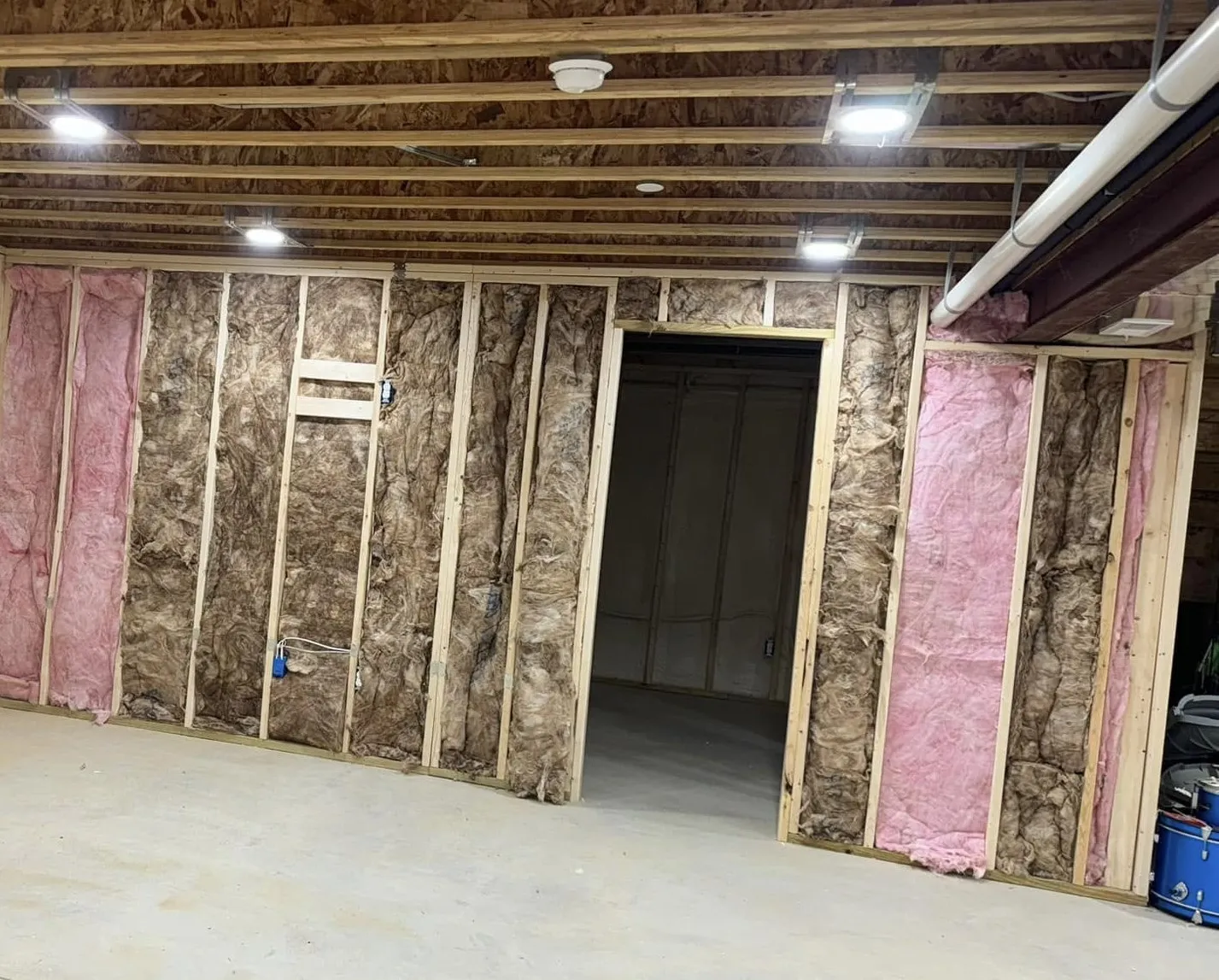
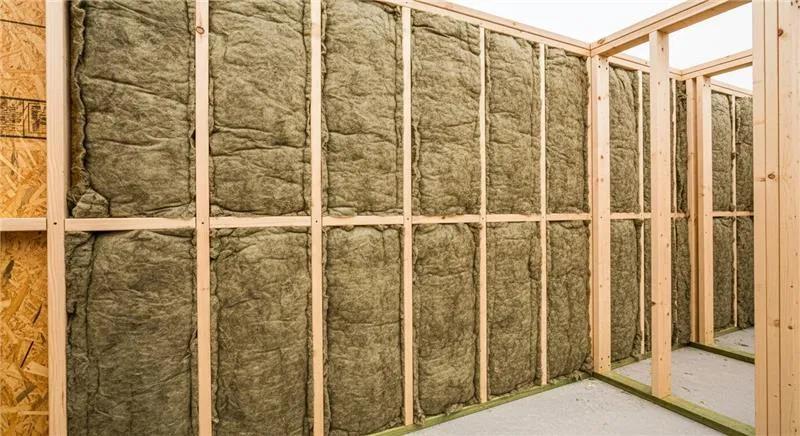
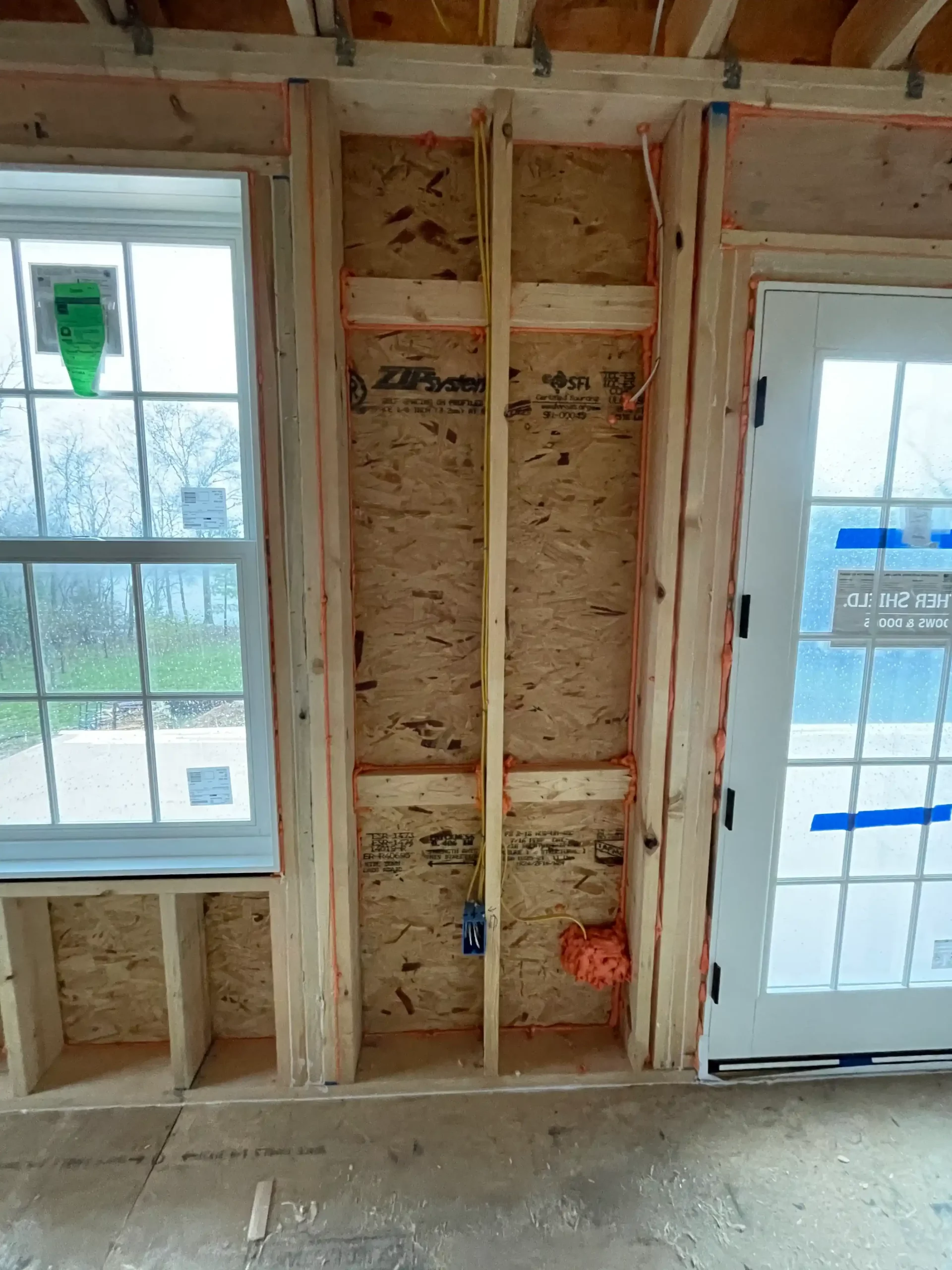
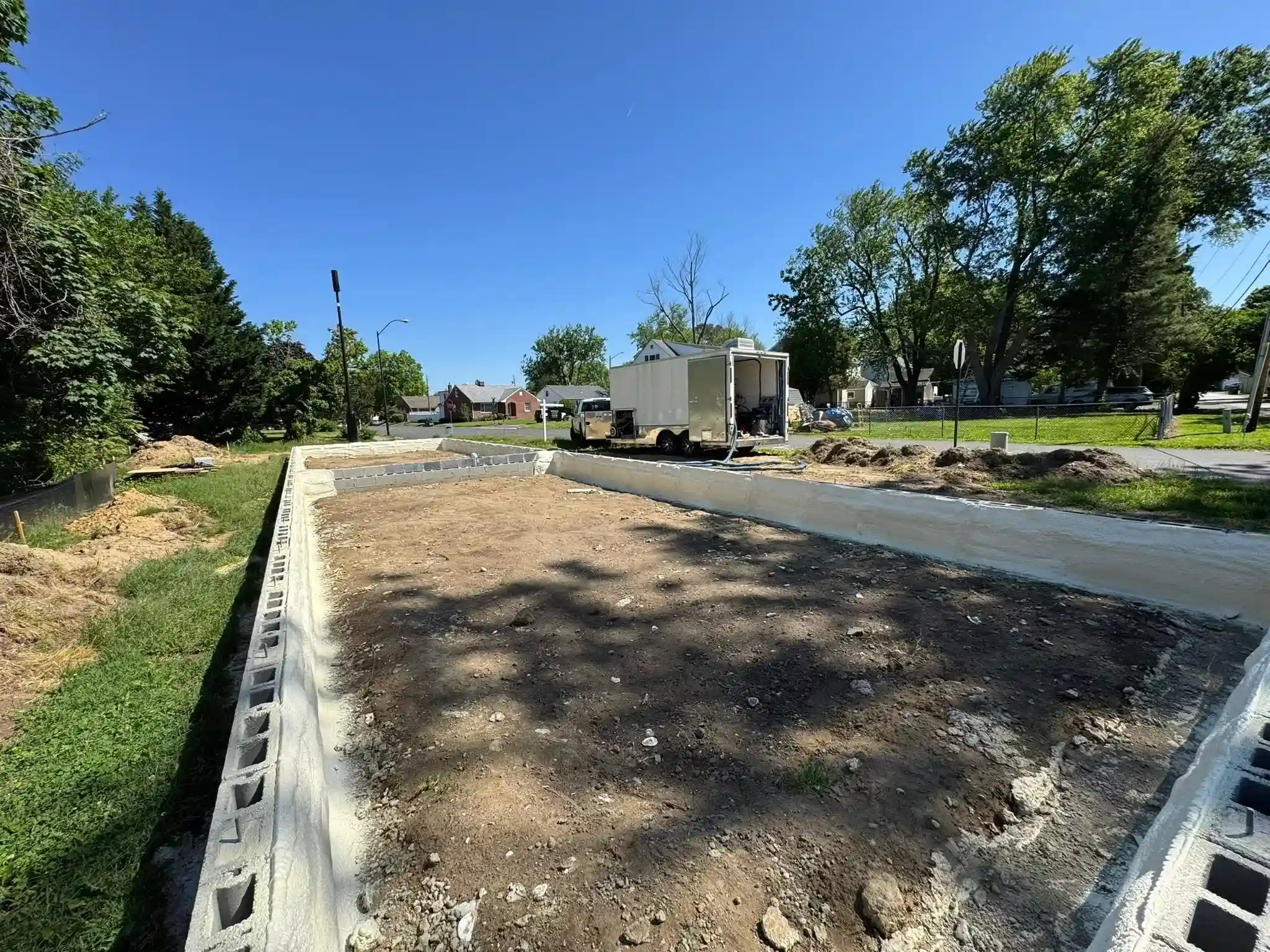
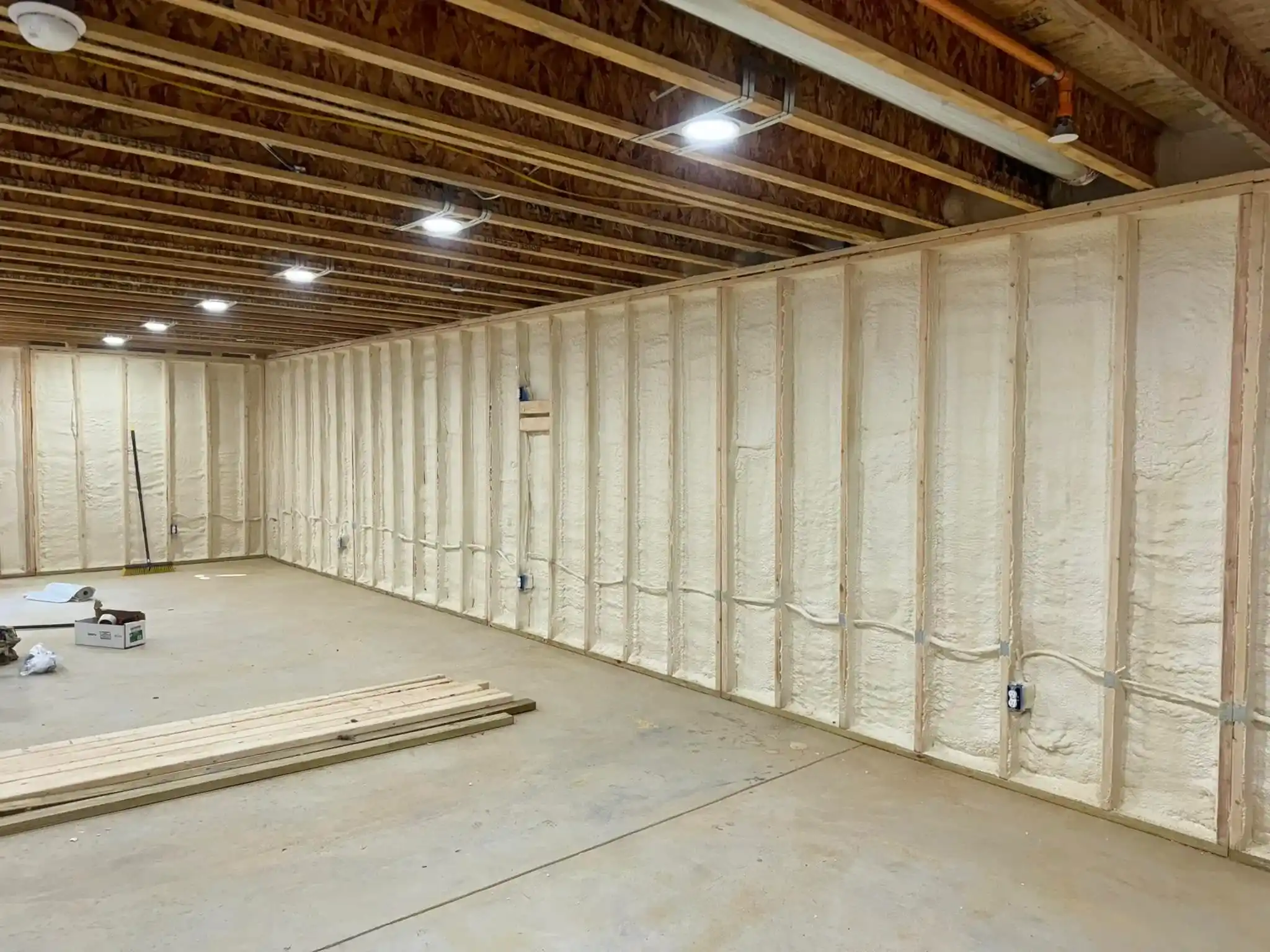
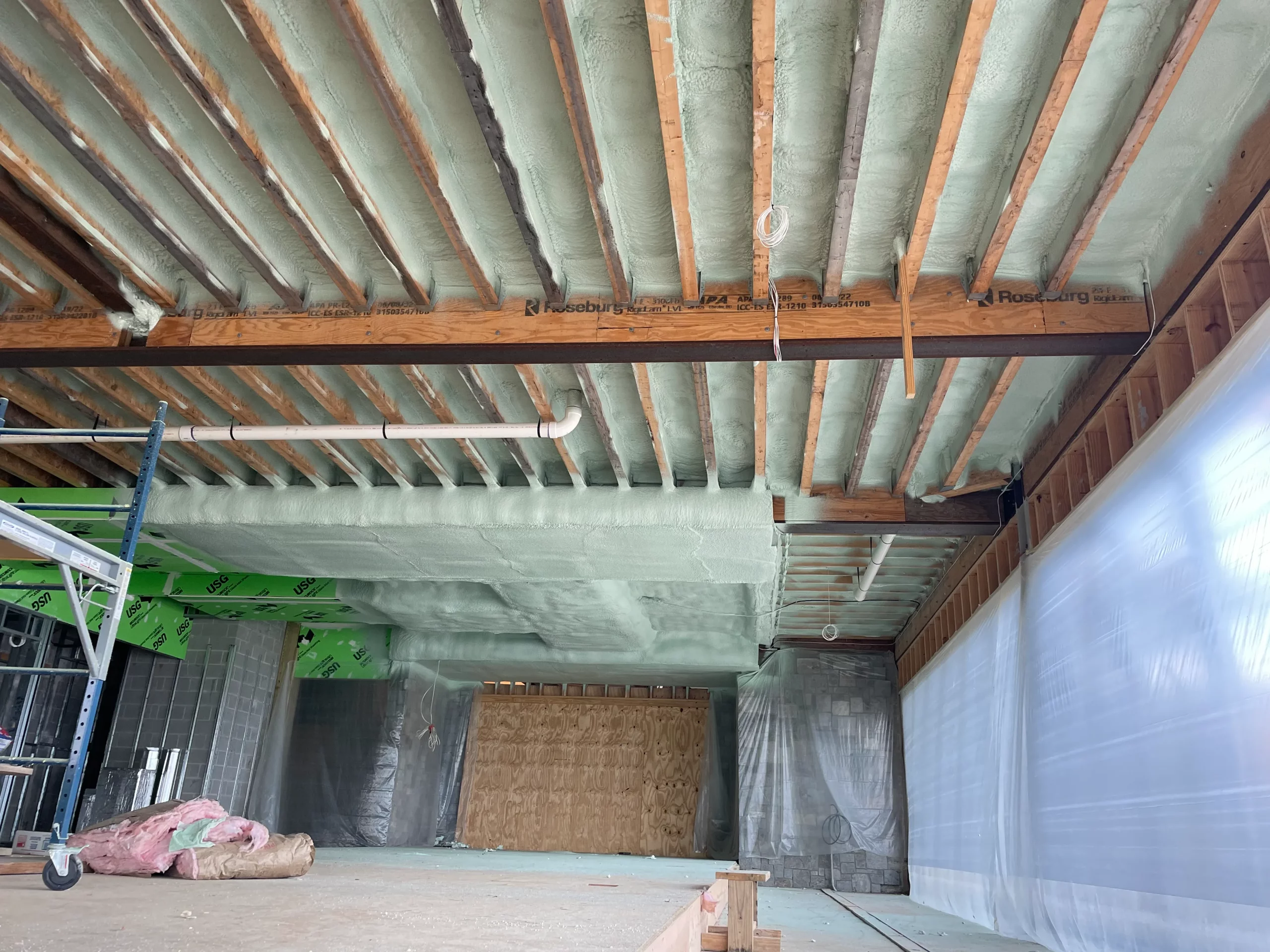



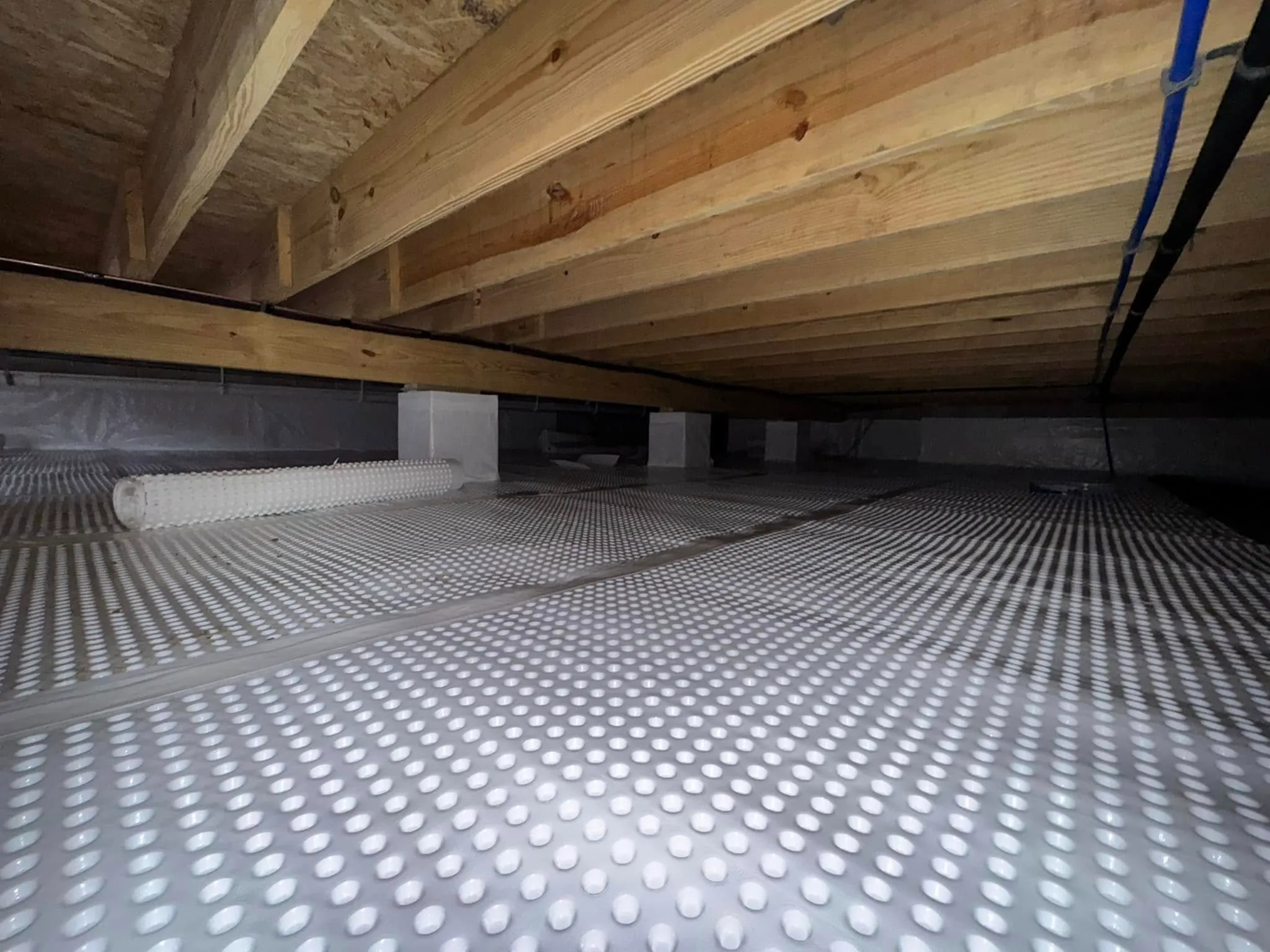



Choosing the right insulation contractor is crucial for the comfort and efficiency of your Severna Park home. At Peninsula Insulation, LLC, we are not just installers; we are building science experts. We understand how to create a complete thermal envelope, addressing air leakage and inadequate insulation that leads to high energy bills and uncomfortable rooms. Our tailored solutions, from advanced spray foam to reliable fiberglass, ensure that your home is prepared for Maryland's hot, humid summers and cold winters. We are committed to providing you with a healthier, more comfortable, and energy-efficient living space.
Arnold, Millersville, Pasadena, Glen Burnie, Lake Shore, Herald Harbor, Cape St. Claire, Crownsville, Annapolis, Shipley Heights
Anne Arundel County
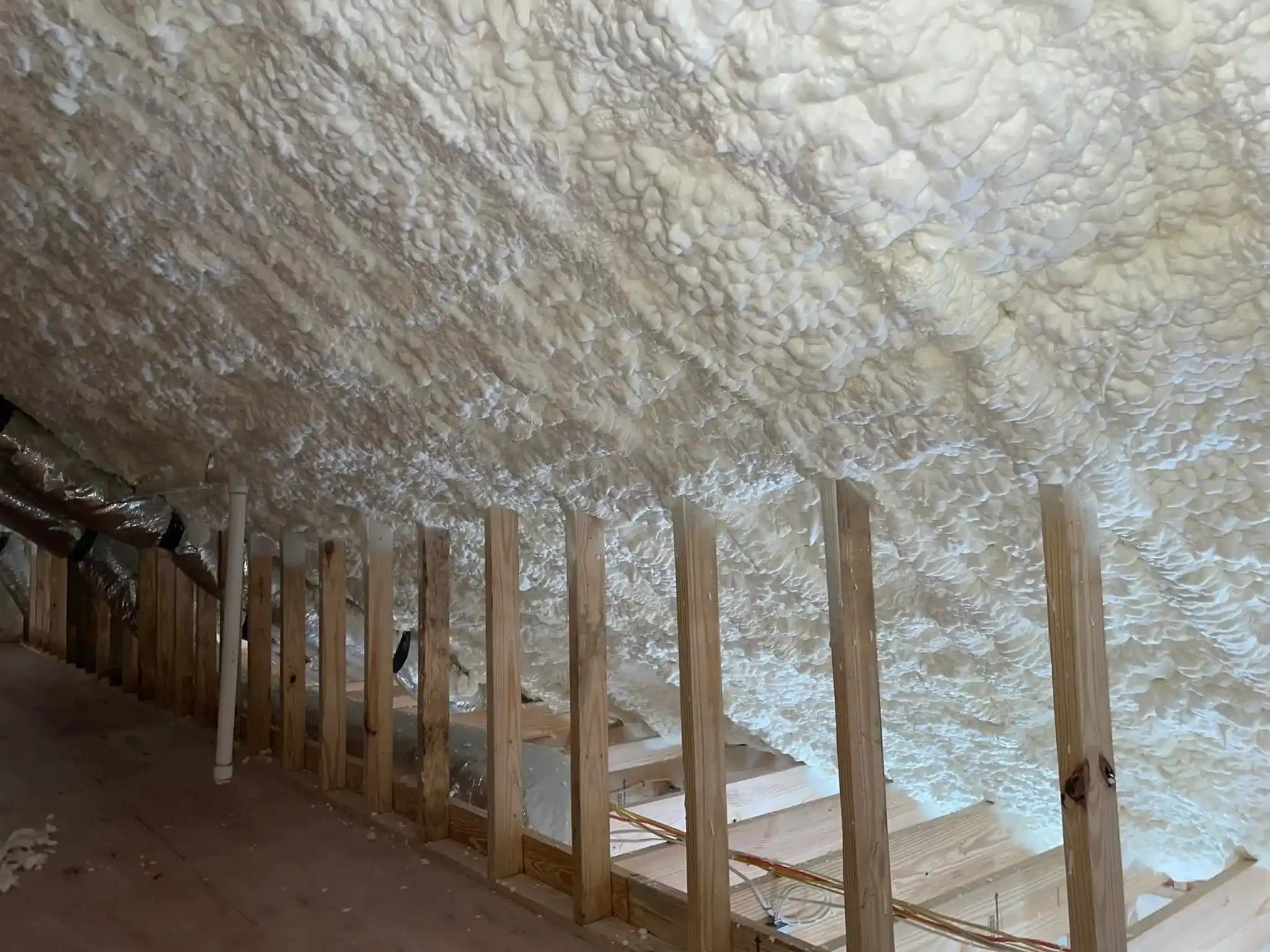
A family in a classic Severna Park single-family home was struggling with inconsistent temperatures, especially in the upper level during the summer, leading to high energy costs. Upon inspection, we discovered inadequate and settled insulation in their attic. By applying our closed-cell spray foam insulation, we created an air-tight seal that immediately stabilized their indoor climate, significantly reduced their HVAC system's workload, and lowered their monthly energy expenses.
Contact Peninsula Insulation, LLC today for a professional consultation and discover how our expert insulation services can transform your Severna Park home.
Call us at (410) 770-2624 or email us at wil@mdsprayfoam.net to get started!
Common indicators include high energy bills, uneven temperatures between rooms, drafts, and ice dams forming on your roof in the winter. If your home was built before 1980, it's also likely that your insulation is not up to current standards.
Spray foam is particularly effective for the humid Maryland climate as it creates an airtight seal that prevents moisture buildup, which can lead to mold and mildew. It also provides excellent thermal resistance against both heat and cold.
Air sealing is a critical step in making your home more energy-efficient. It closes the gaps and cracks in your home's structure that allow conditioned air to escape and outside air to enter, reducing the strain on your HVAC system.
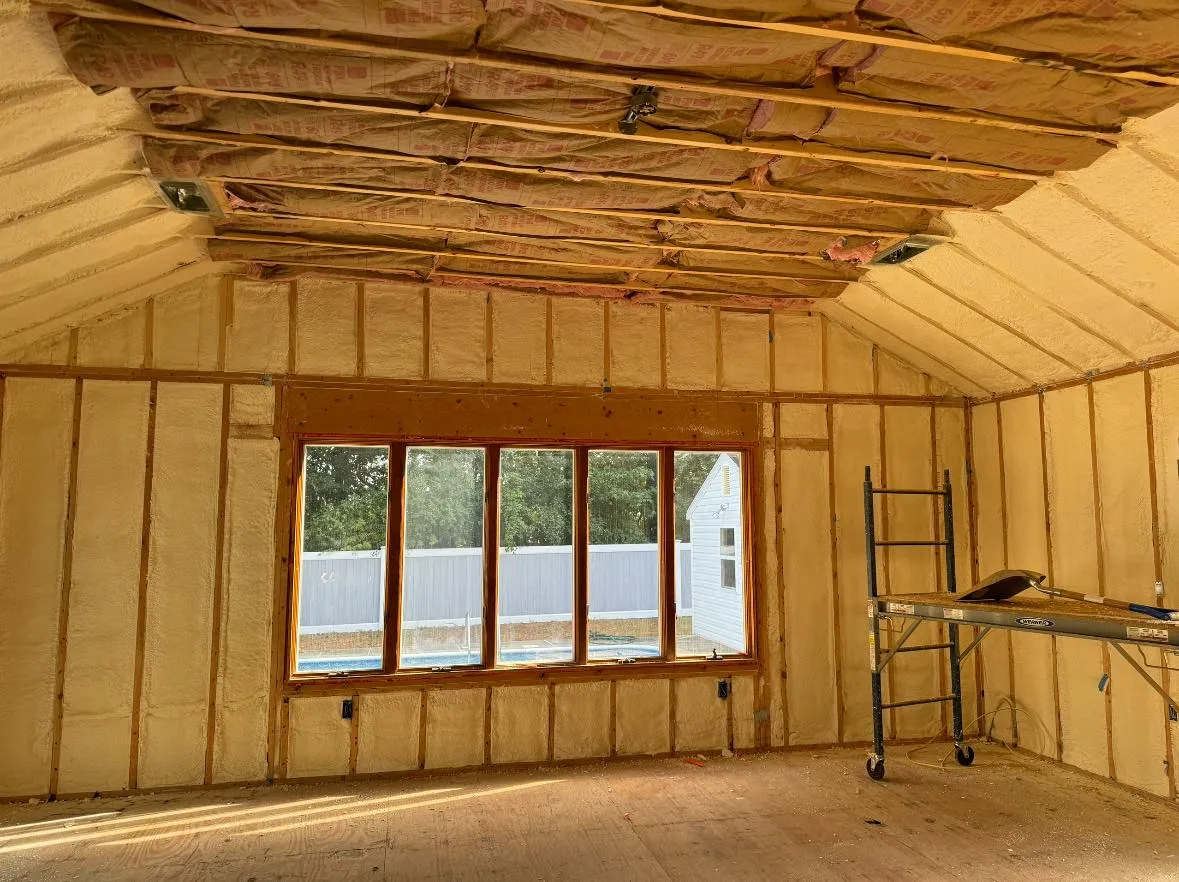
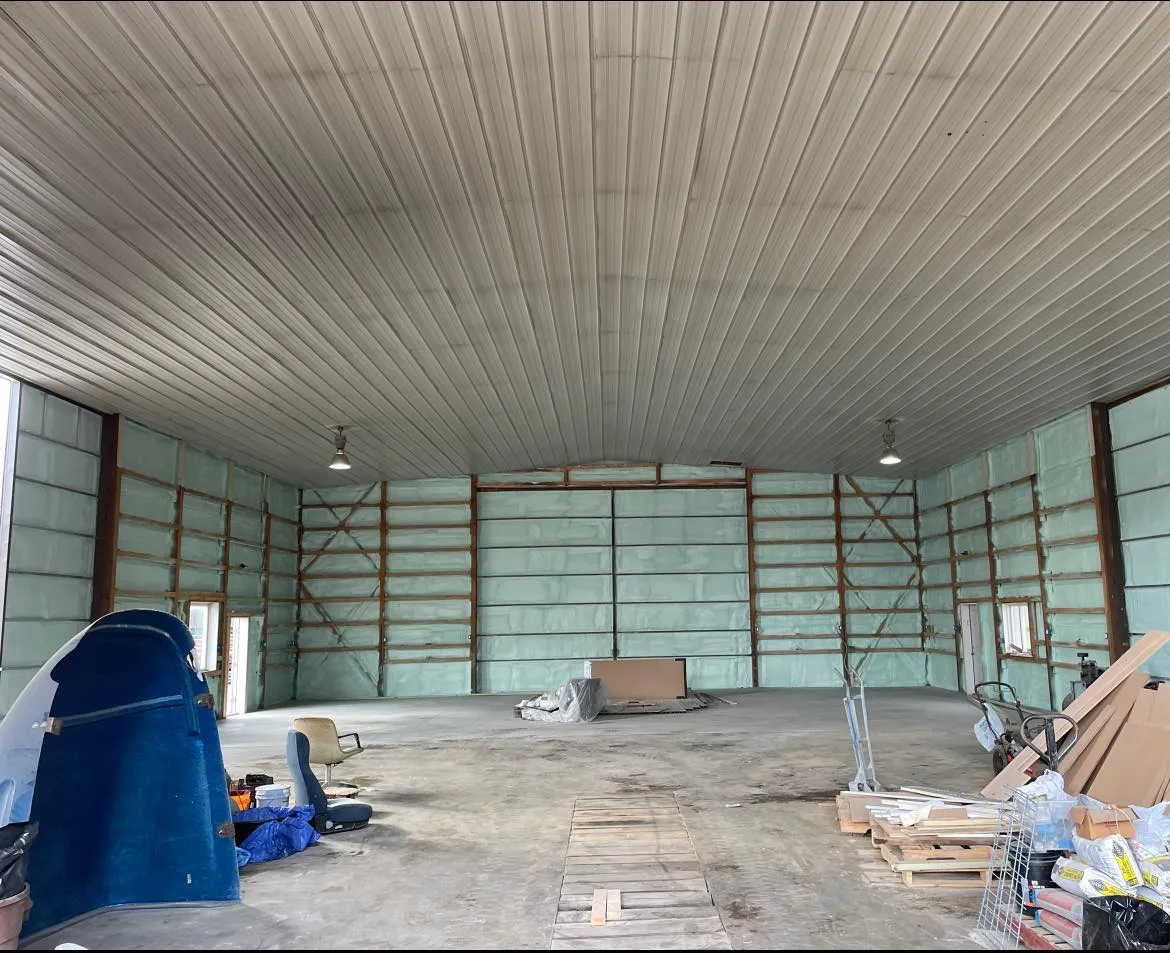
Open-cell spray foam is lighter and more flexible, making it ideal for soundproofing interior walls. Closed-cell spray foam is denser, provides a vapor barrier, and adds structural strength, making it suitable for exterior walls, roofs, and crawlspaces.
Yes, by creating a more effective thermal barrier, new insulation reduces the amount of energy needed to heat and cool your home. Many homeowners see a significant reduction in their utility bills after upgrading their insulation.
In some cases, such as if the old insulation is damp, moldy, or contaminated by pests, it should be removed. In other situations, new insulation, like blown-in cellulose or fiberglass, can be installed over the existing insulation.
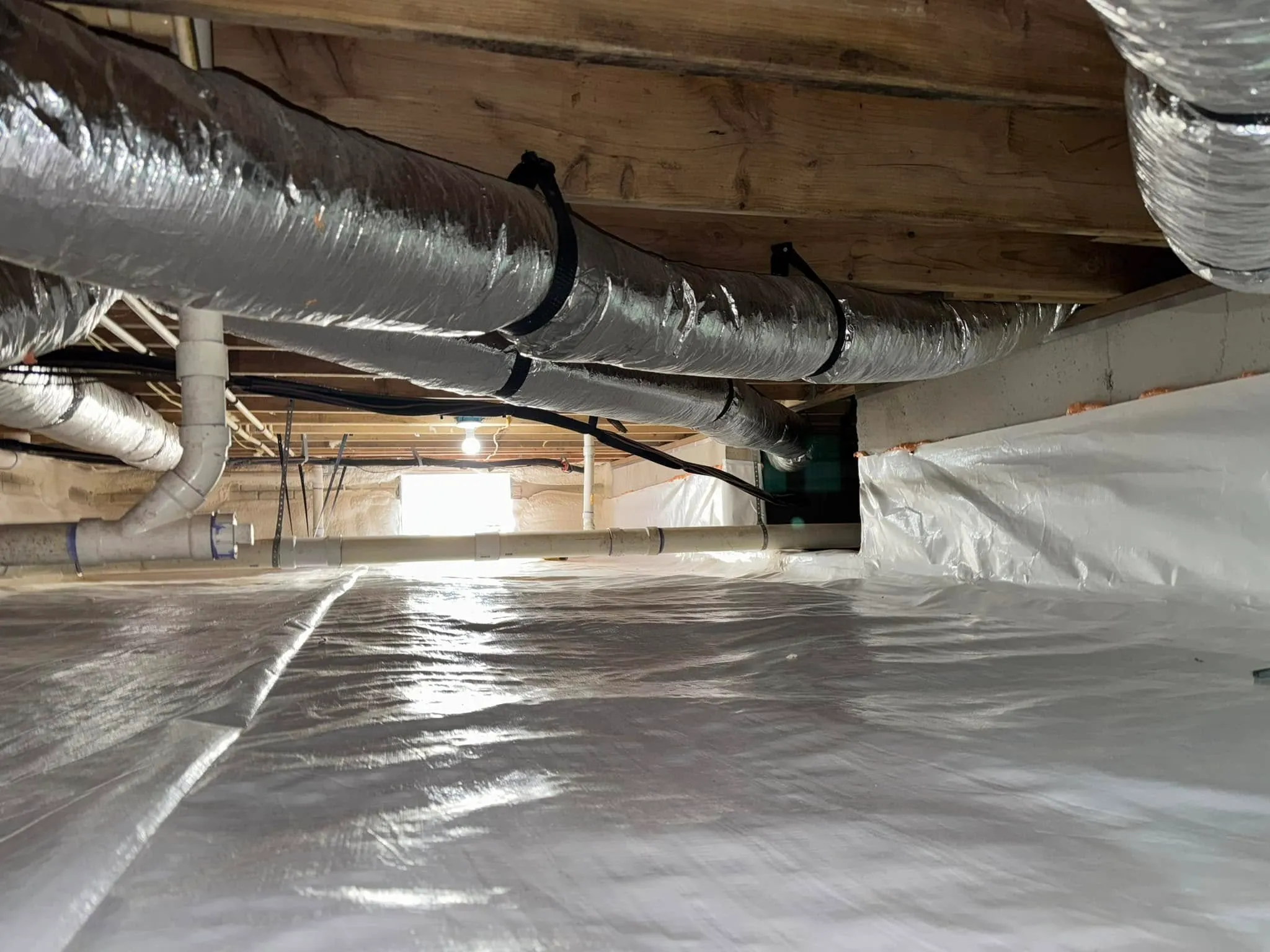
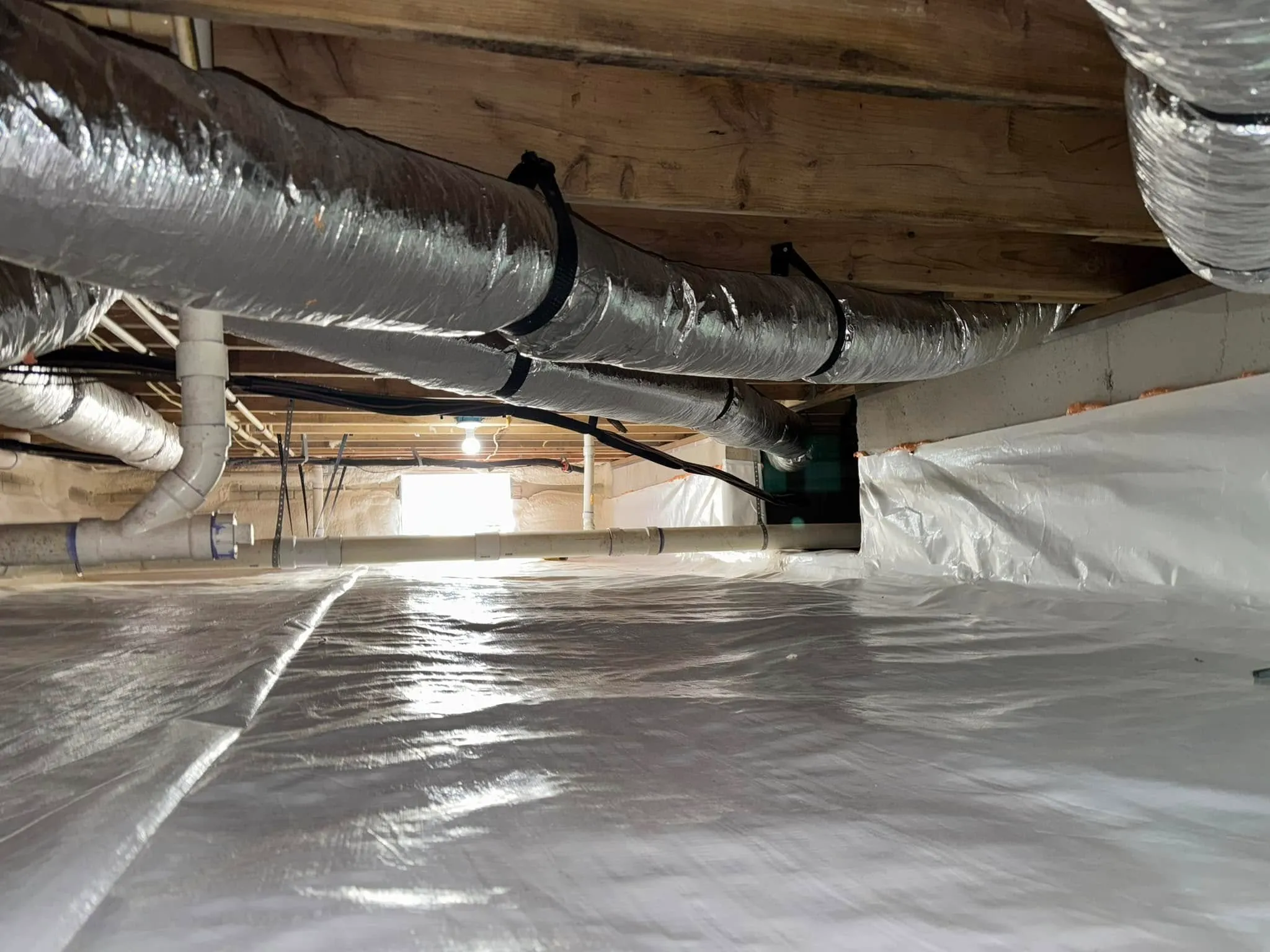
Crawlspace encapsulation involves sealing the crawlspace with a heavy-duty moisture barrier, insulating the walls, and often includes a dehumidifier. This process improves indoor air quality, prevents moisture-related problems like mold and wood rot, and makes your home more energy-efficient.
The duration of the project depends on the size of the area being insulated and the type of insulation being installed. Most residential projects can be completed within a day or two.
While some insulation types like fiberglass batts can be a DIY project, for optimal performance and safety, it is highly recommended to have a professional handle your insulation needs. This is especially true for spray foam insulation, which requires specialized equipment and training.
For the Mid-Atlantic region, the recommended R-value for attics is typically between R-38 and R-49. Our experts can assess your current insulation levels and recommend the appropriate amount to achieve optimal energy efficiency.