Why Crawl Space Encapsulation Matters for Asthma in Annapolis, MD
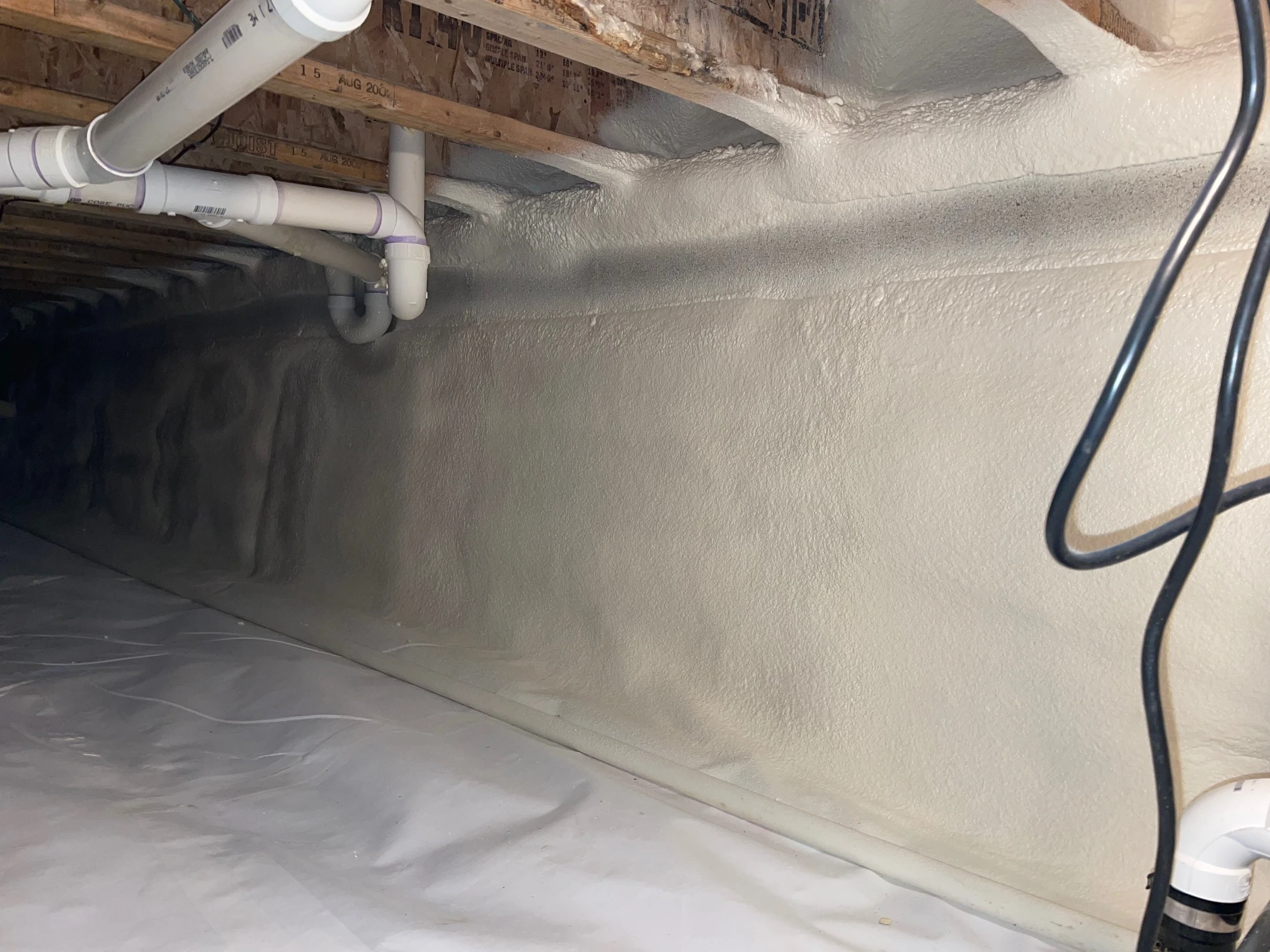
Crawl space encapsulation directly addresses the hidden source of asthma triggers in many Annapolis homes by sealing out moisture that…


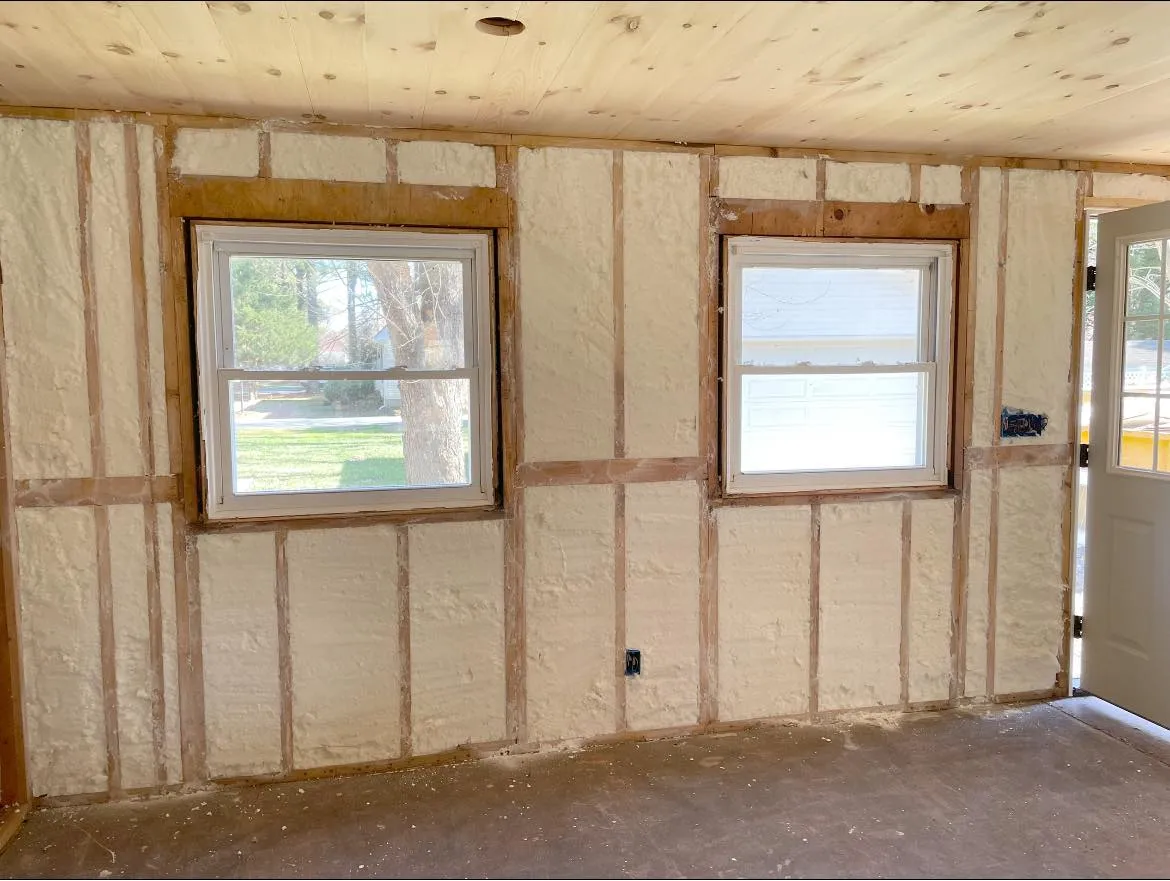
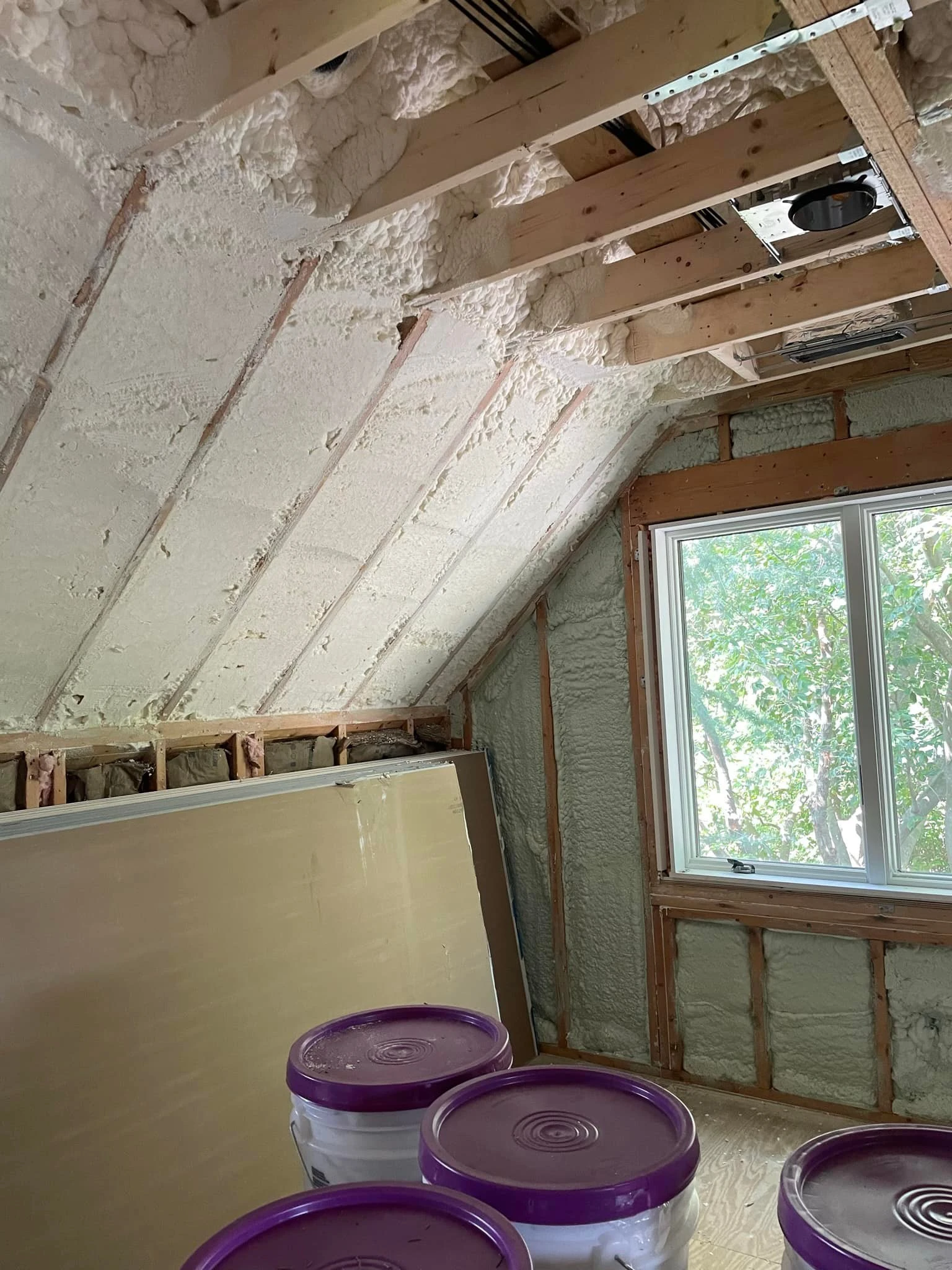
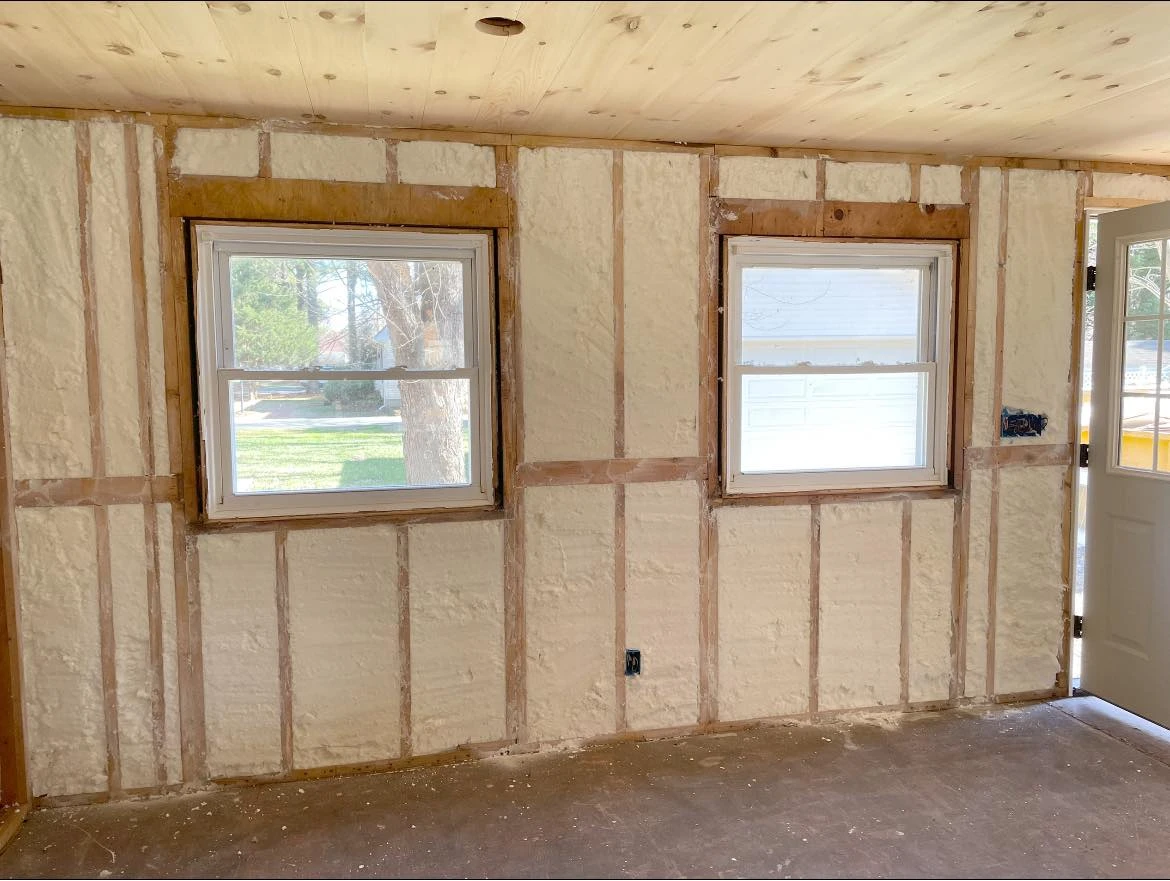
The six steps involved in residential spray foam insulation are: initial assessment and planning, preparation and safety measures, application process, curing and expansion period, inspection and quality check, and final cleanup with documentation. This comprehensive process ensures optimal insulation performance while maintaining safety standards throughout the installation. The following guide breaks down each phase with practical details drawn from extensive field experience.
Spray foam insulation has grown significantly in residential construction, with the global market expected to reach $4.5 billion by 2027, according to industry reports from MarketsandMarkets. Understanding these installation steps helps homeowners make informed decisions about their insulation needs and set realistic expectations for the project timeline.
The process begins with a thorough evaluation of the property. A certified technician assesses the existing insulation, identifies air-leakage points, and determines the appropriate foam type for each area of the home. This assessment considers factors such as climate zone, building age, and specific problem areas like attics, crawl spaces, or wall cavities.
During this phase, measurements are taken, and a detailed application plan is developed. The technician calculates the required foam thickness to achieve the target R-value, which varies by region and application area. For example, attics in colder climates typically need R-49 to R-60, while walls might require R-13 to R-21.
Bonus Tip: Ask for a thermal imaging assessment during the initial inspection. This technology reveals hidden air leaks and insulation gaps that aren’t visible to the naked eye, helping ensure comprehensive coverage.
Proper preparation is essential for successful foam application. The work area must be completely cleared of furniture, belongings, and any items that could be damaged by overspray. Technicians cover floors and remaining surfaces with protective sheeting and create sealed containment zones to prevent foam drift into unaffected areas.
Safety measures include establishing proper ventilation, wearing personal protective equipment (PPE), and ensuring all electrical fixtures and junction boxes are properly sealed or protected. The preparation phase typically takes several hours for an average-sized room, with larger areas requiring more extensive setup.
The actual foam application requires specialized equipment and trained operators. Technicians use high-pressure spray rigs that mix two chemical components (isocyanate and polyol resin) at the spray gun tip, creating an expanding foam that adheres to surfaces.
Application technique varies based on foam type. Open-cell foam expands significantly more (up to 100 times its liquid volume) and is applied in thinner layers. Closed-cell foam expands less (about 30-40 times) but provides a higher R-value per inch and acts as a vapor barrier.
| Characteristic | Open-Cell Foam | Closed-Cell Foam |
|---|---|---|
| R-Value per inch | 3.5-3.8 | 6.0-7.0 |
| Expansion ratio | 100:1 | 30-40:1 |
| Vapor barrier | No | Yes |
| Cost per board foot | $0.44-$0.65 | $0.70-$1.00 |
| Best applications | Attics, sound deadening | Basements, metal buildings |
Bonus Tip: In humid climates like the Southeast, closed-cell foam is often preferred for its moisture resistance, while open-cell foam works well in dry climates where cost-effectiveness and sound dampening are priorities.
After application, the foam undergoes a chemical reaction that causes it to expand and cure. This critical phase typically takes 24 hours for complete curing, though the foam becomes tack-free within minutes. During this time, the area must remain sealed with proper ventilation to allow off-gassing of volatile organic compounds (VOCs).
The curing process affects the final R-value and dimensional stability of the insulation. Temperature and humidity significantly impact curing time and foam performance. Ideal application temperatures range from 60-80°F with relative humidity below 85%.
Regional Guidance: In coastal areas like Maryland’s Eastern Shore, where humidity levels run high, technicians often use dehumidifiers during curing to ensure proper foam development and prevent moisture-related issues.
Once cured, the insulation undergoes a thorough inspection to verify proper application. Technicians check for complete coverage, correct thickness, proper adhesion to substrates, and absence of gaps or voids. Thermal imaging may be used again to confirm insulation continuity and identify any missed spots.
Quality checks include measuring foam thickness in multiple locations to ensure consistent R-values throughout the application area. Any deficiencies found during inspection are corrected before proceeding to the final step.
The final step involves removing protective coverings, cleaning the work area, and providing homeowners with documentation. This includes manufacturer warranties, installation details, and maintenance instructions. Technicians also dispose of all waste materials according to local environmental regulations.
Documentation typically includes the type of foam used, the total board feet installed, the achieved R-values, and the application dates. This paperwork is important for building code compliance and future home sale documentation.
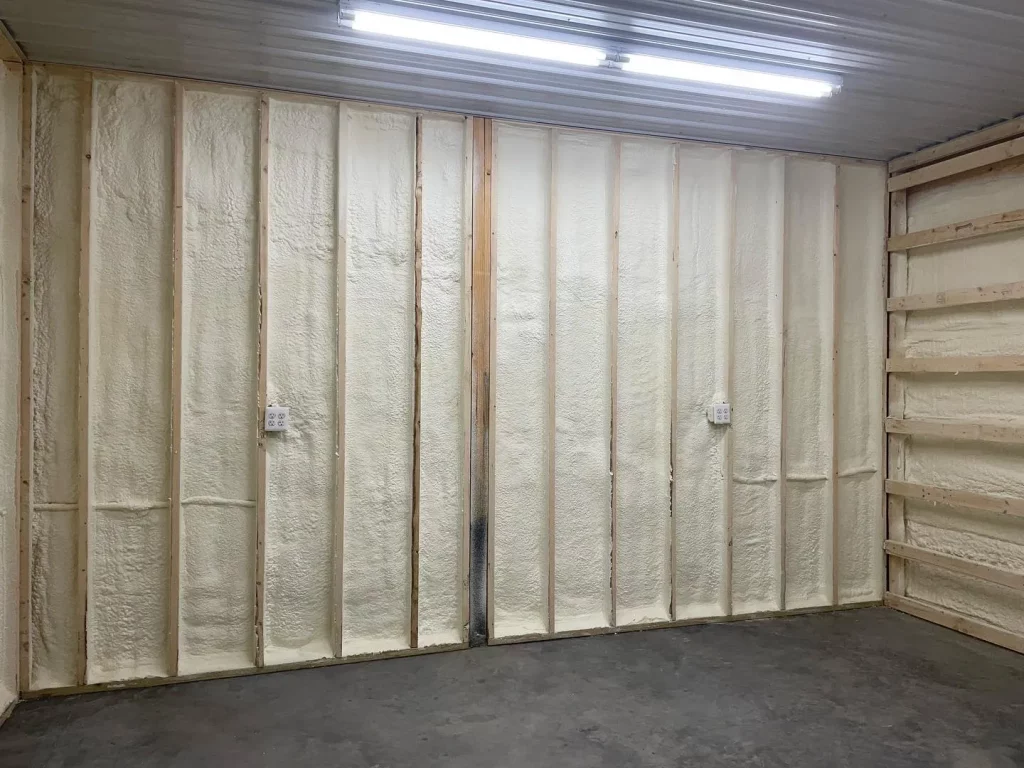
Before choosing spray foam insulation, homeowners should evaluate several key factors. The initial investment is higher than traditional insulation, with spray foam typically costing $1.50-$3.50 per square foot compared to fiberglass at $0.50-$1.50 per square foot. However, energy savings of 30-50% on heating and cooling bills often provide a return on investment within 3-5 years.
Consider your home’s specific needs. Spray foam excels at air sealing, making it ideal for older homes with drafts or new construction aiming for high energy efficiency ratings. However, if your primary concern is simply adding R-value to an already tight building envelope, less expensive options might suffice.
The U.S. Department of Energy reports that proper air sealing combined with insulation can save homeowners up to 10% on total annual energy bills, making spray foam an attractive option for long-term energy efficiency goals.
Bonus Tip: Check local building codes and requirements. Some jurisdictions have specific regulations regarding vapor barriers and foam types that might influence your decision between open-cell and closed-cell products.
Understanding these six steps provides insight into why professional installation matters for spray foam insulation projects. Each phase requires specific knowledge, equipment, and attention to detail that affect long-term performance and safety. Peninsula Insulation, LLC offers comprehensive assessments to help determine if spray foam meets your home’s specific needs. Contact wil@mdsprayfoam.net or call (410) 770-2624 to discuss your insulation requirements and get a detailed evaluation of your property.
How long does spray foam last? When properly installed, spray foam insulation can last 20-30 years or more without significant degradation in R-value or performance.
Is spray foam safe for homes? Yes, once fully cured, spray foam is inert and non-toxic. The installation process requires proper ventilation and protective equipment due to the chemicals involved.
Can spray foam be installed over existing insulation? In most cases, existing insulation should be removed to ensure proper adhesion and performance. Exceptions exist in some retrofit applications where foam is applied to roof decks.
When installed correctly, spray foam actually helps prevent moisture issues by eliminating air gaps that allow condensation. Closed-cell foam specifically acts as a vapor barrier. Problems typically arise from improper installation rather than the product itself.
DIY spray foam kits are available for small projects, but professional installation is recommended for whole-home applications due to the specialized equipment, safety requirements, and technical expertise needed for proper application.
Expenditures fluctuate significantly based on region, foam type, and application areas. A standard 1,500-square-foot residence typically requires a budget of $8,000–$20,000 for full spray foam insulation, with attics and crawl spaces being the most economical areas to prioritize.
Professional installers take care to avoid direct contact with electrical components. However, some types of spray foam can potentially damage the plastic coating on wires over time. Reputable installers will either keep wires exposed or use fire-retardant caulking around electrical boxes.