High Energy Bills? Insulation Solutions That Work in Easton, MD
High energy bills in Easton, MD, typically stem from inadequate insulation that fails to meet Climate Zone 4 requirements. Most…

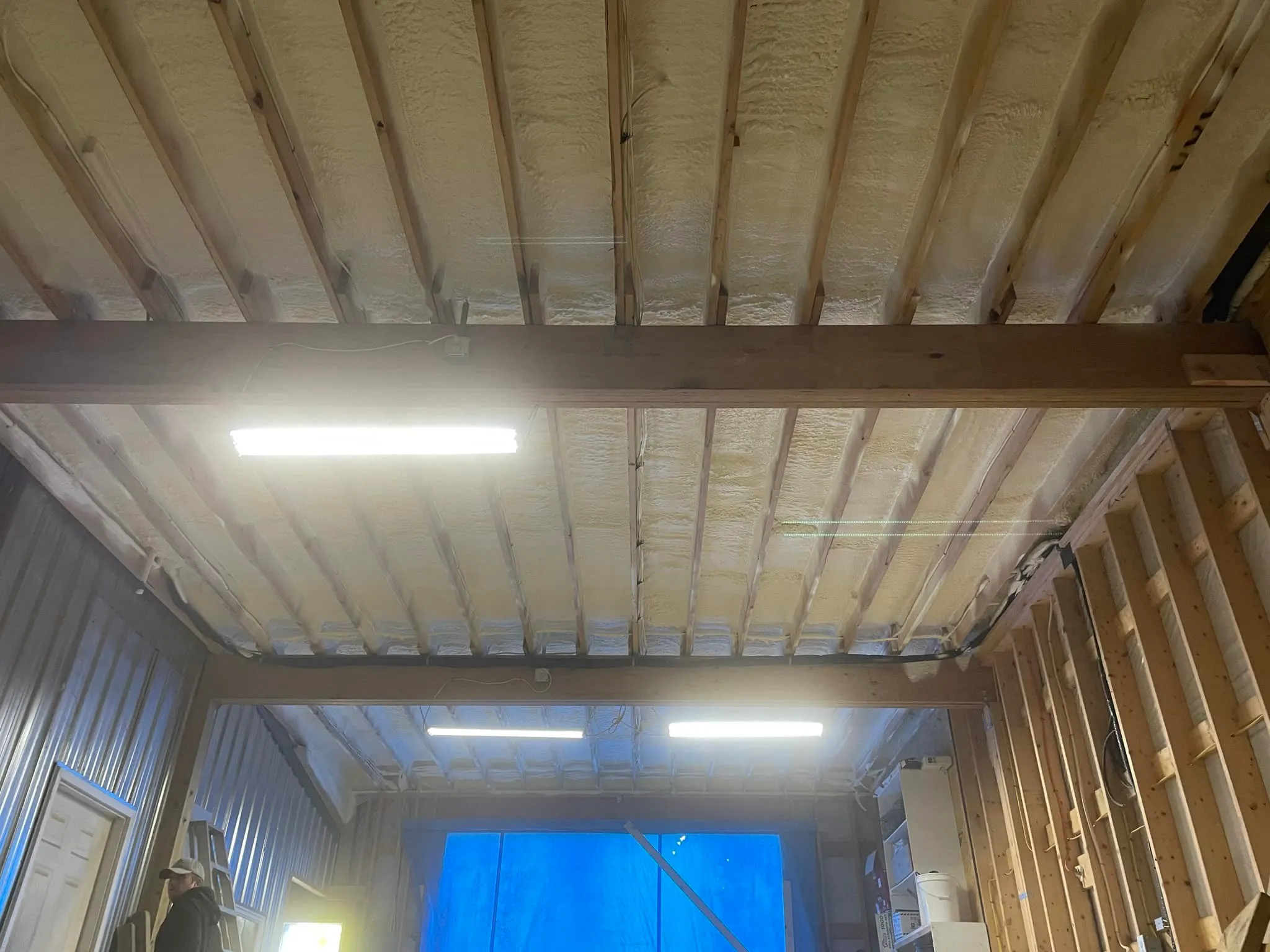
You might need spray foam insulation if your home experiences inconsistent room temperatures, unexplained increases in energy bills, frequent drafts near outlets or windows, or persistent moisture issues like musty odors in the crawl space. Other strong indicators include excessive outside noise entering the home and recurring pest infestations despite pest control efforts. These symptoms suggest the current thermal envelope of the building has gaps or has degraded to the point where it no longer effectively separates the indoors from the outdoor Eastern Shore climate.
Fruitland property owners face specific challenges due to the region’s humid subtropical climate. High humidity levels in summer and damp cold in winter wreak havoc on traditional insulation materials like fiberglass, causing them to sag and lose effectiveness over time. Recognizing the early warning signs of insulation failure helps prevent long-term structural damage and keeps utility costs manageable. This guide outlines the physical evidence suggesting a property needs an insulation upgrade, Energy Star.
Walking from one room to another should not feel like crossing climate zones. If the upstairs remains sweltering hot during July while the living room stays freezing, or if the floors are ice-cold in January, the building envelope likely has significant air leaks. This phenomenon, often called the “stack effect,” occurs when heated air escapes through the attic in winter, drawing cold air in from the bottom. Conversely, in summer, the heat radiates through the roof and pushes down into the living space.
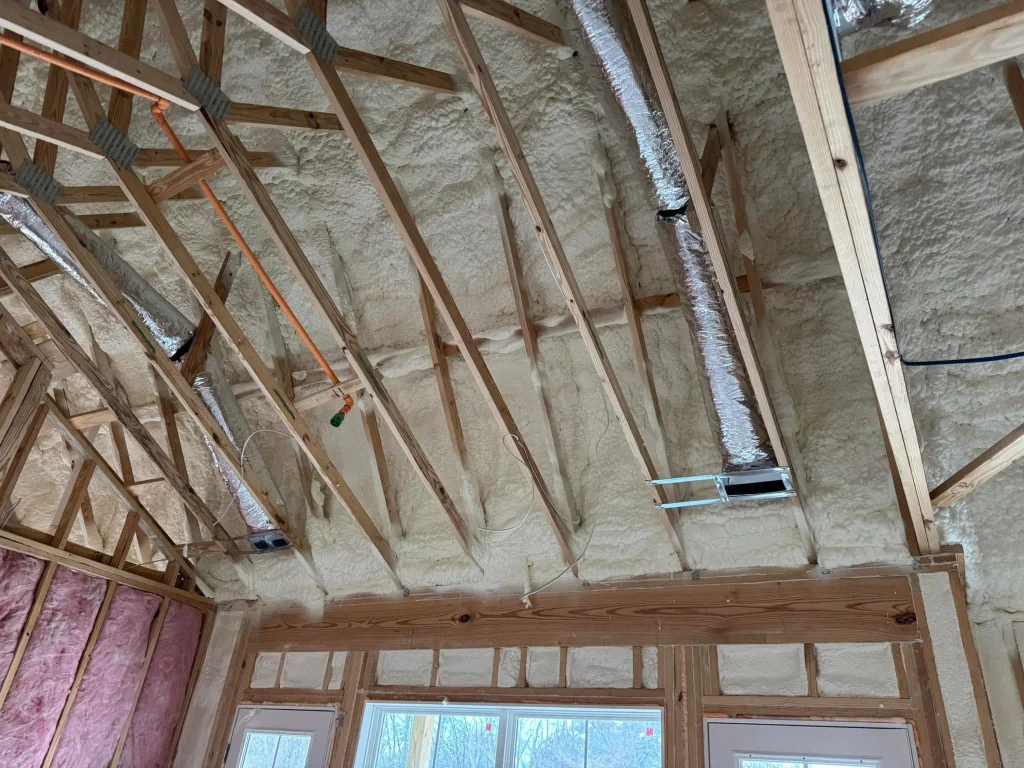
Traditional insulation slows down heat transfer but does not stop air movement. Spray foam acts as both an insulator and an air barrier. It expands to fill gaps, blocking the airflow that causes these temperature fluctuations.
Bonus Tip: Check the attic hatch or pull-down stairs. If you feel a distinct temperature change when standing directly under it, this is a prime location for significant air leakage.
Energy costs naturally fluctuate with the seasons, but a steady year-over-year increase without a change in usage habits signals a problem. When insulation settles or creates gaps, the HVAC system must run longer and harder to maintain the set temperature. According to data from the Department of Energy, heat gain and heat loss through windows and air leaks are responsible for 25%–30% of residential heating and cooling energy use.
If the furnace or air conditioner runs constantly without cycling off, it is compensating for rapid thermal loss. Investing in a tighter building envelope reduces this workload. A tighter seal means the conditioned air stays inside longer, directly impacting monthly operational costs.
The Eastern Shore of Maryland is notorious for high humidity. When moisture enters a wall cavity or attic, it condenses on cool surfaces. Fiberglass and cellulose act like a sponge, holding onto this moisture. This creates a perfect breeding ground for mold and mildew, which can rot wood framing and impact indoor air quality.
Visible signs include:
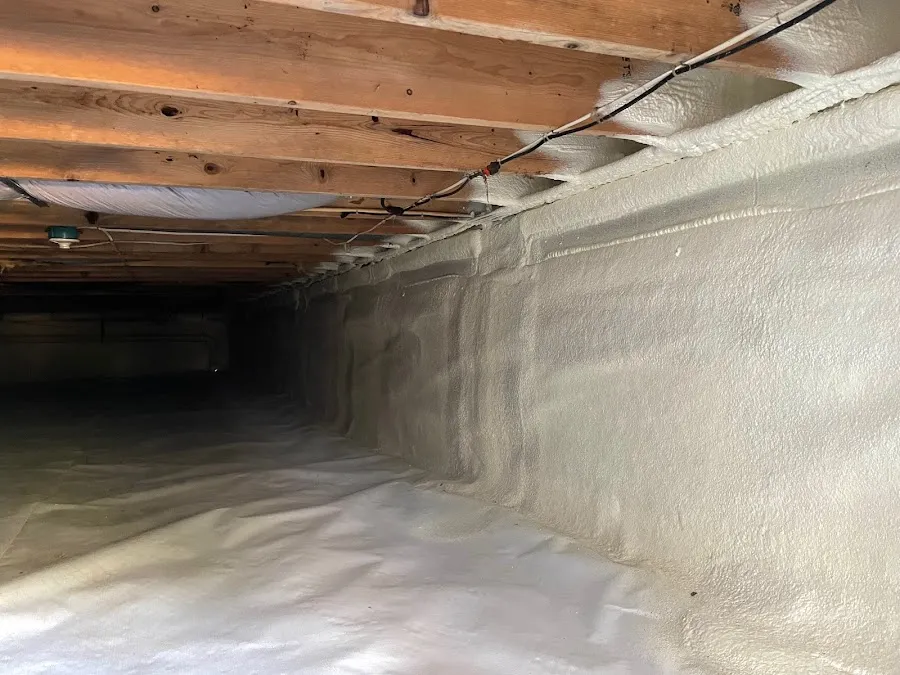
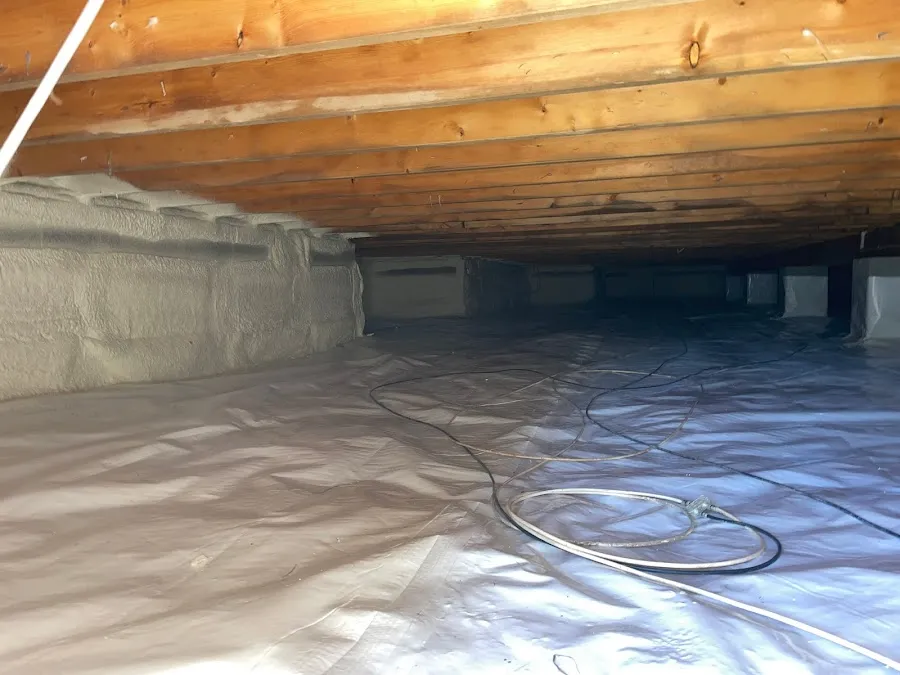
Closed-cell spray foam is impermeable to water. It creates a vapor barrier that prevents humid outdoor air from condensing inside wall cavities. This is particularly vital for crawl spaces in Fruitland, where ground moisture constantly rises toward the subfloor.
Physical drafts are the most obvious sign of an unsealed home. If curtains move when the windows are closed, or if you feel a breeze coming from electrical outlets and light switches, the house is “breathing” too much. This uncontrolled airflow lets dust, pollen, and allergens enter freely.
The following table compares how different insulation materials handle air permeability, which directly affects draftiness.
| Feature | Fiberglass Batts | Cellulose (Blown-in) | Open-Cell Spray Foam | Closed-Cell Spray Foam |
|---|---|---|---|---|
| Air Barrier | Poor (Air flows through) | Moderate (Slows air) | Good (Air seal) | Excellent (Air & Vapor seal) |
| Moisture Resistance | Low (Absorbs water) | Low (Absorbs water) | Moderate (Permeable) | High (Waterproof) |
| R-Value per Inch | ~2.2 – 3.8 | ~3.1 – 3.8 | ~3.5 – 3.8 | ~6.0 – 7.0 |
| Lifespan | 10-25 Years | 20-30 Years | 80+ Years | 80+ Years |
| Settling | Sags over time | Settles over time | Does not settle | Does not settle |
Properties located near busy roads like Route 13 or active neighborhoods often suffer from noise pollution. Sound travels through the air, so any gap that lets air in also lets sound in. While no insulation makes a home soundproof, spray foam significantly dampens external noise.
Open-cell foam is particularly effective for sound attenuation. Its softer, sponge-like density absorbs sound waves rather than reflecting them. If outdoor conversations or traffic noise sound like they are happening inside the room, the walls lack density and air-sealing.
Mice, bats, and insects look for warm places to nest, especially as the weather cools. Traditional fiberglass insulation provides an ideal nesting material for rodents. It is soft, warm, and easy to move. Furthermore, small gaps in the foundation or roofline serve as open invitations for these intruders.
Spray foam creates a hard barrier that pests find difficult to penetrate. It does not provide food value or nesting material. Sealing the perimeter of the rim joist (where the house meets the foundation) with foam cuts off one of the most common entry points for mice and spiders.
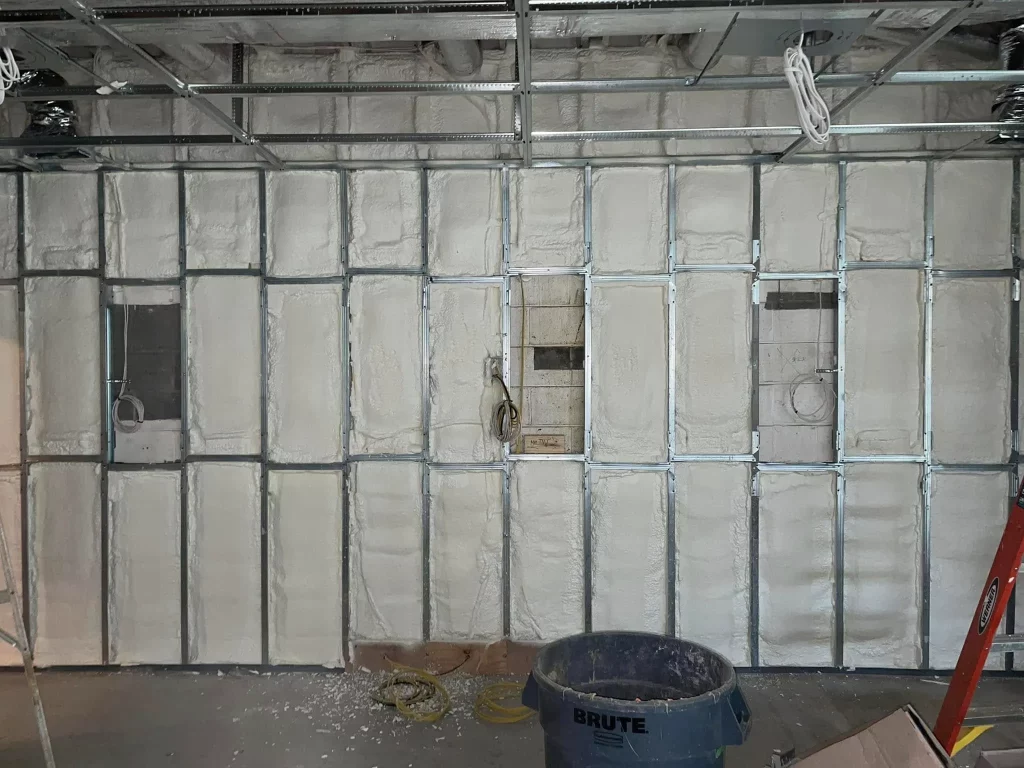
Before scheduling an installation, evaluate the specific needs of the building structure.
No. For the foam to bond correctly to the substrate (wood, concrete, or drywall) and create an effective air seal, the old insulation must be removed first. This also allows for an inspection of the framing for rot or damage before covering it up.
Open-cell foam is softer, expands more, and is great for soundproofing and interior walls. Closed-cell foam is rigid, dense, has a higher R-value per inch, and acts as a vapor barrier, making it better for exterior walls, crawl spaces, and basements.
Properly mixed and applied spray foam stays dimensionally stable. It does not shrink, sag, or settle like cellulose or fiberglass, meaning its performance remains consistent for the life of the building.
Energy-efficient homes are increasingly desirable. A report referenced by Remodeling Magazine suggests that energy-efficient upgrades often yield a high return on investment at resale because buyers value lower monthly operating costs.
Recognizing signs like high energy bills, drafts, and moisture problems allows homeowners to address insulation failures before they become expensive repair projects. A building envelope that effectively manages heat, air, and moisture protects the structure and improves daily comfort. Assessing the current state of the attic, crawl space, and walls provides the necessary information to determine if an upgrade is the right next step. Prioritizing the long-term health of the home leads to lasting savings and a better living environment.
Peninsula Insulation, LLC specializes in correcting thermal envelope issues in Fruitland and the surrounding areas. Property owners ready to stop energy loss and improve indoor comfort can contact the team for a detailed assessment. Reach out by phone at 410-770-2624 or email wil@mdsprayfoam.net to discuss specific project requirements.