

Are you tired of skyrocketing energy bills and uneven temperatures in your Fruitland home or business? At Peninsula Insulation, LLC, we specialize in high-performance spray foam and thermal barrier solutions tailored to Maryland's Eastern Shore's humid, coastal climate. Whether you are retrofitting a historic farmhouse, building a new commercial facility, or managing an agricultural property, our expert team delivers superior air sealing and insulation services that lock in comfort and lock out moisture. Trust the local experts to transform your property into an energy-efficient fortress.
Living in Fruitland means navigating distinct seasonal shifts, from humid, sweltering summers to damp, chilly winters. Standard insulation often falls short in these conditions, allowing air infiltration that forces your HVAC system to work overtime. By establishing a robust thermal envelope using advanced spray foam and encapsulation techniques, we address the root cause of energy loss. Our approach not only stabilizes indoor temperatures but also mitigates the risk of moisture damage, mold growth, and pest intrusion, ensuring the longevity and health of your structure for years to come.
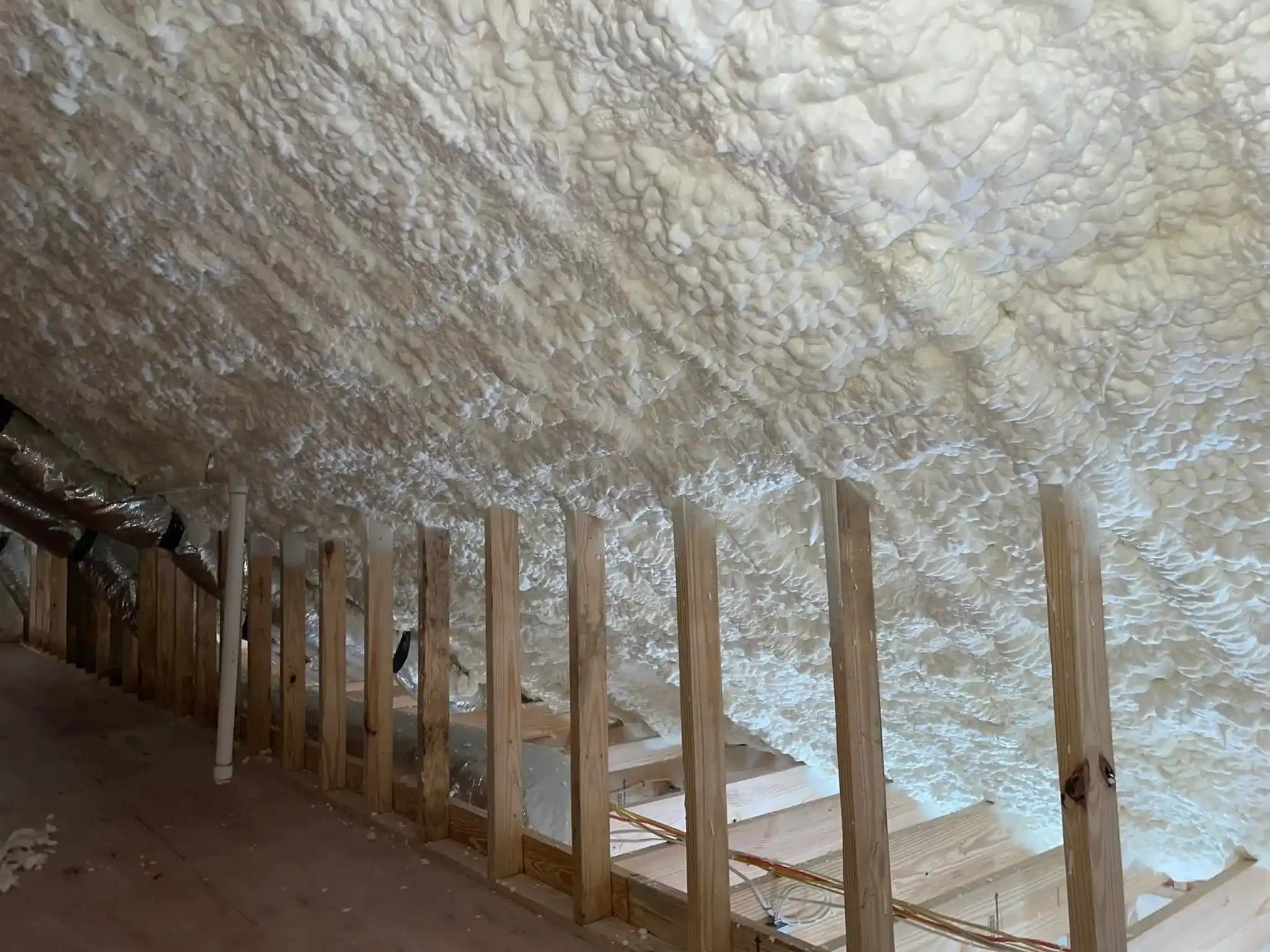
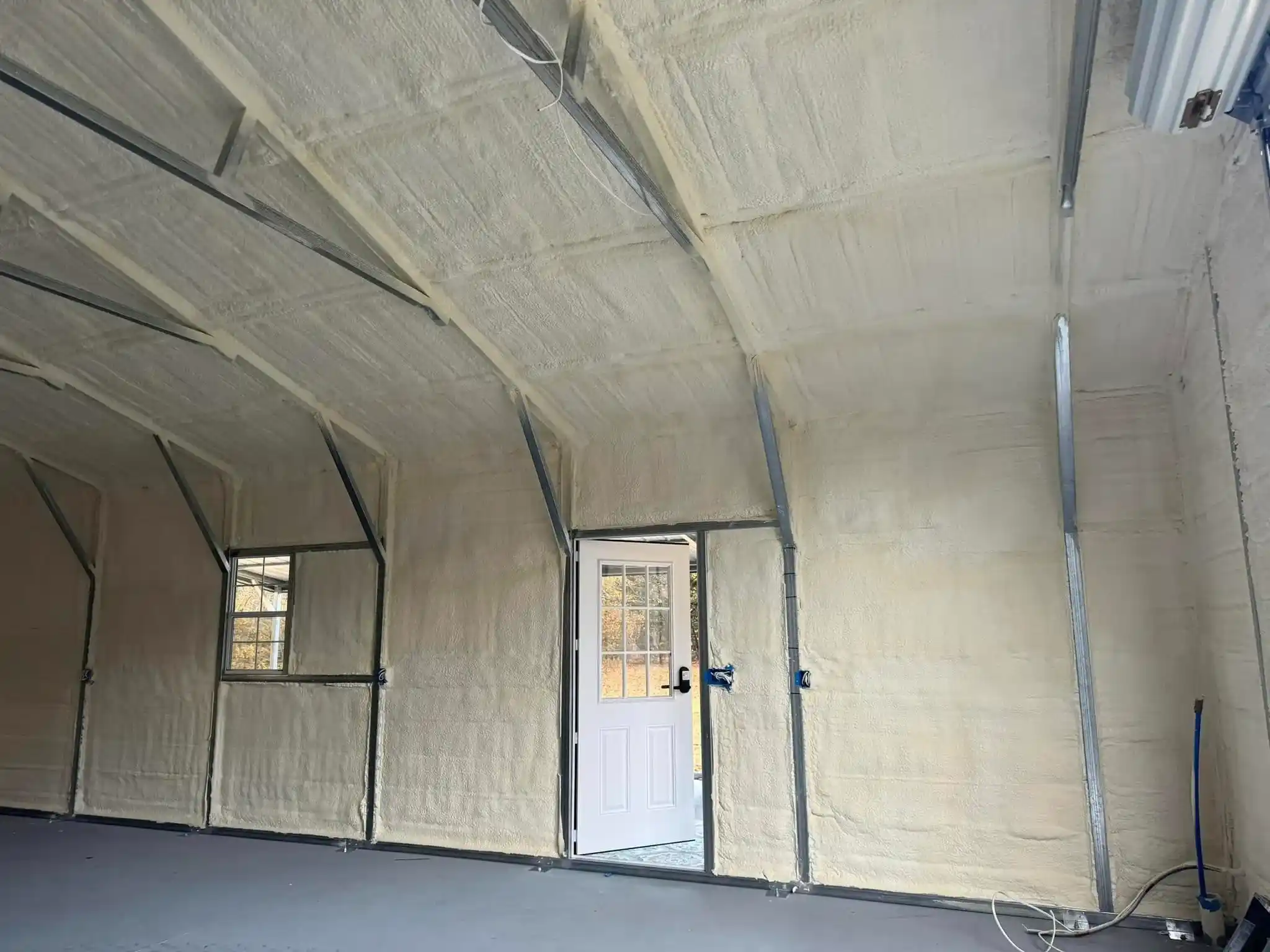
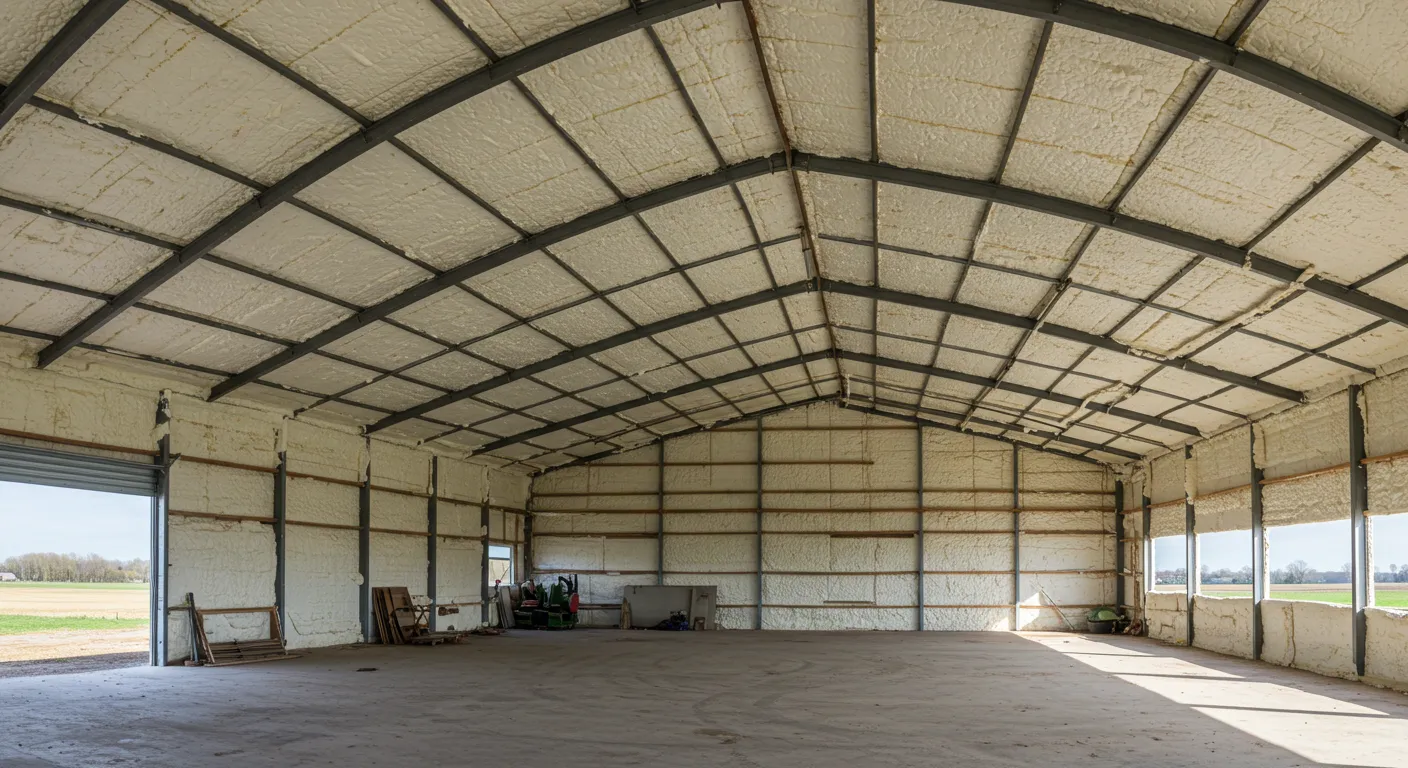
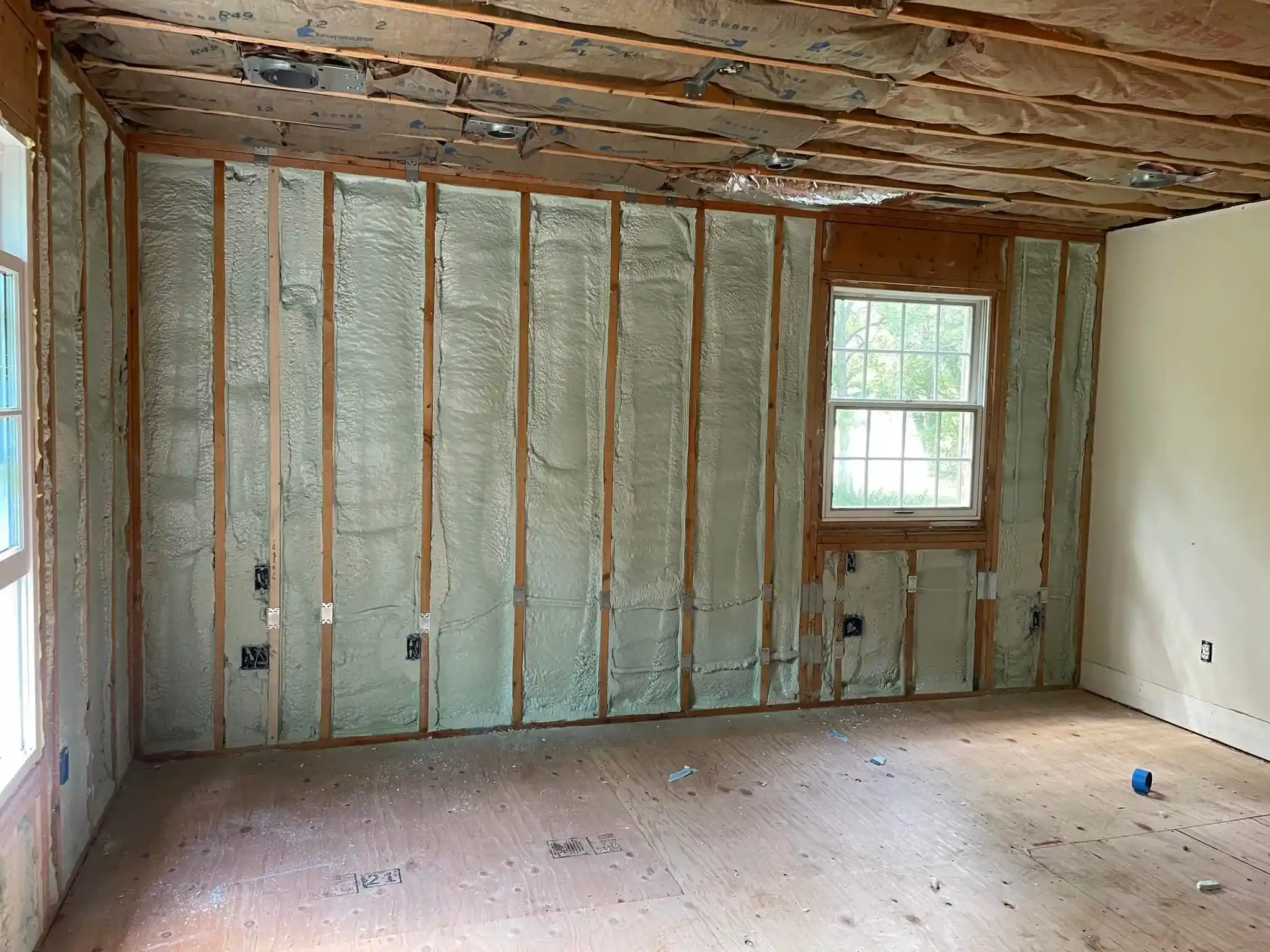
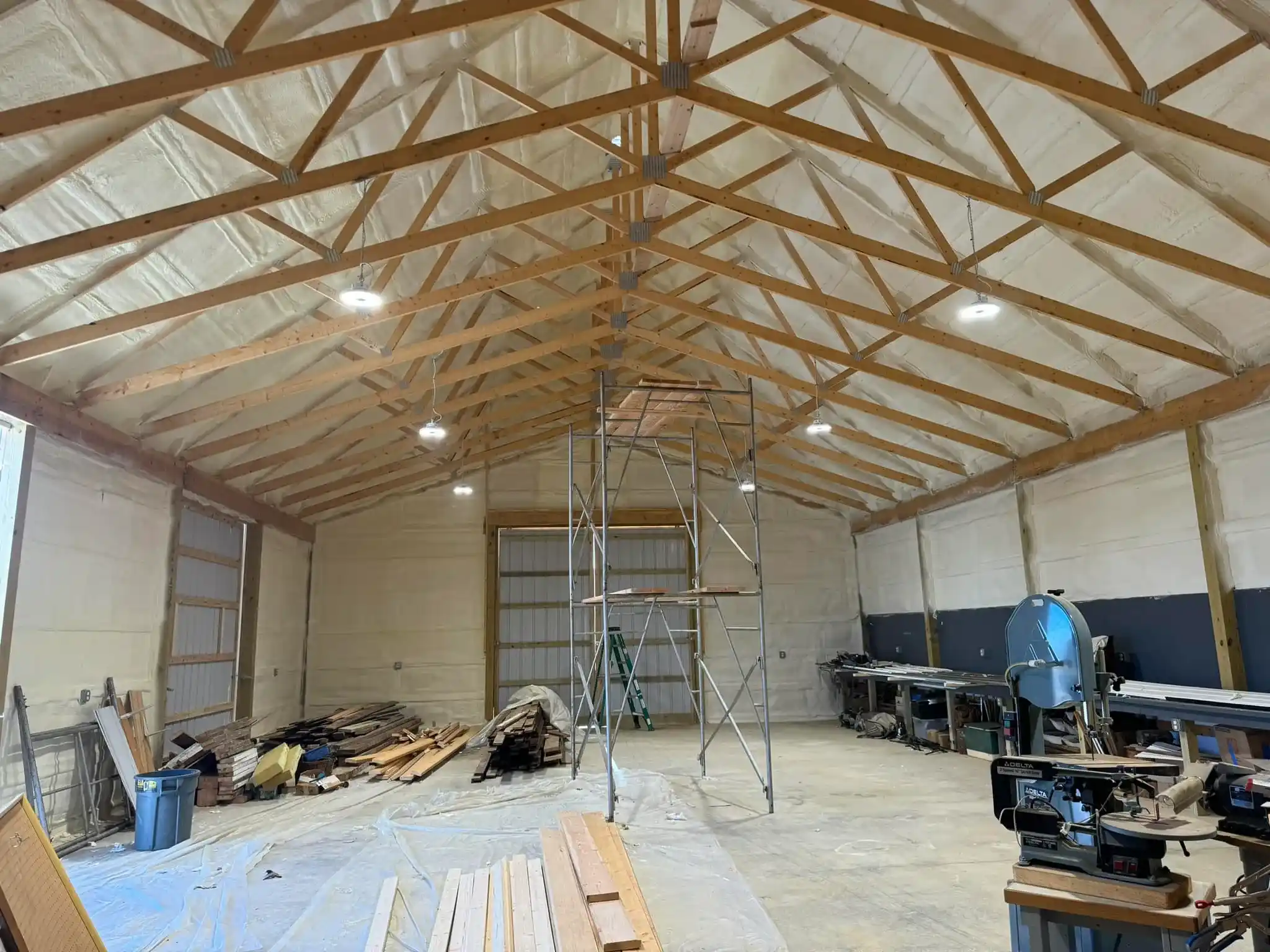
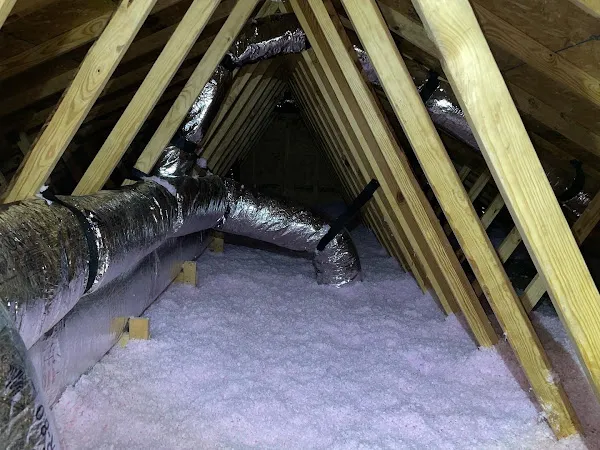
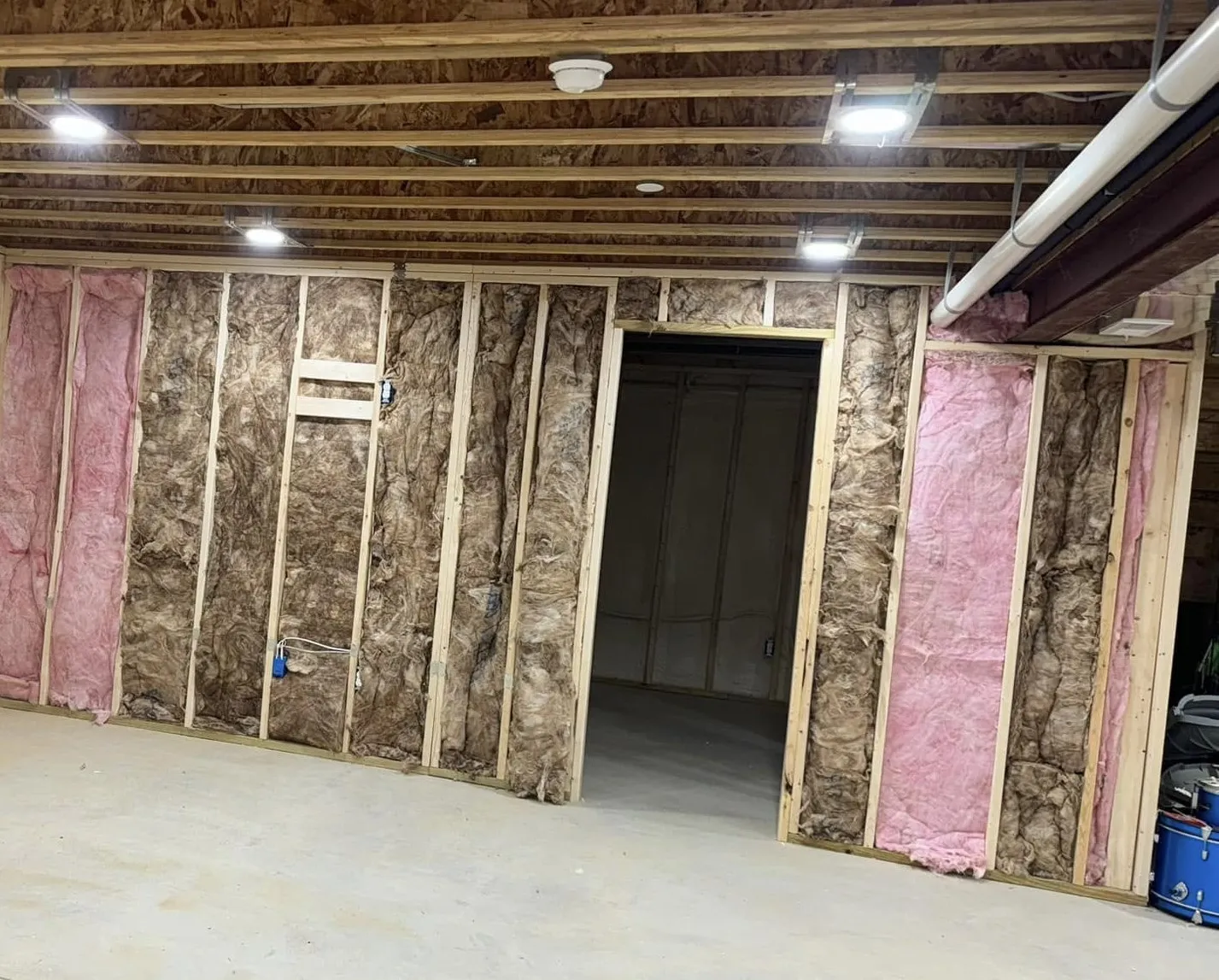
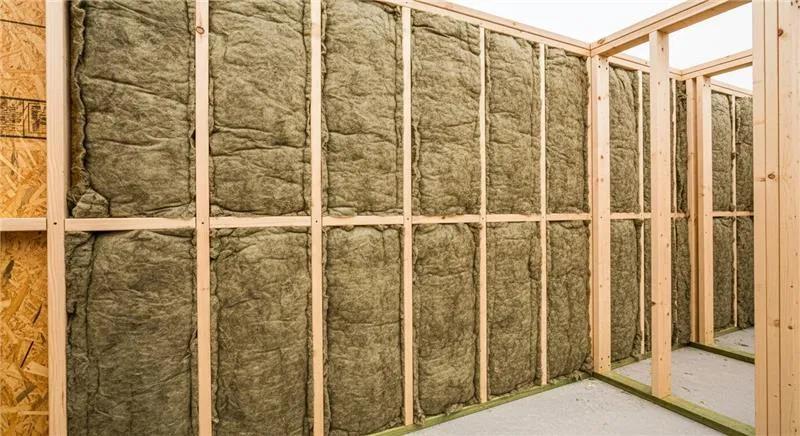
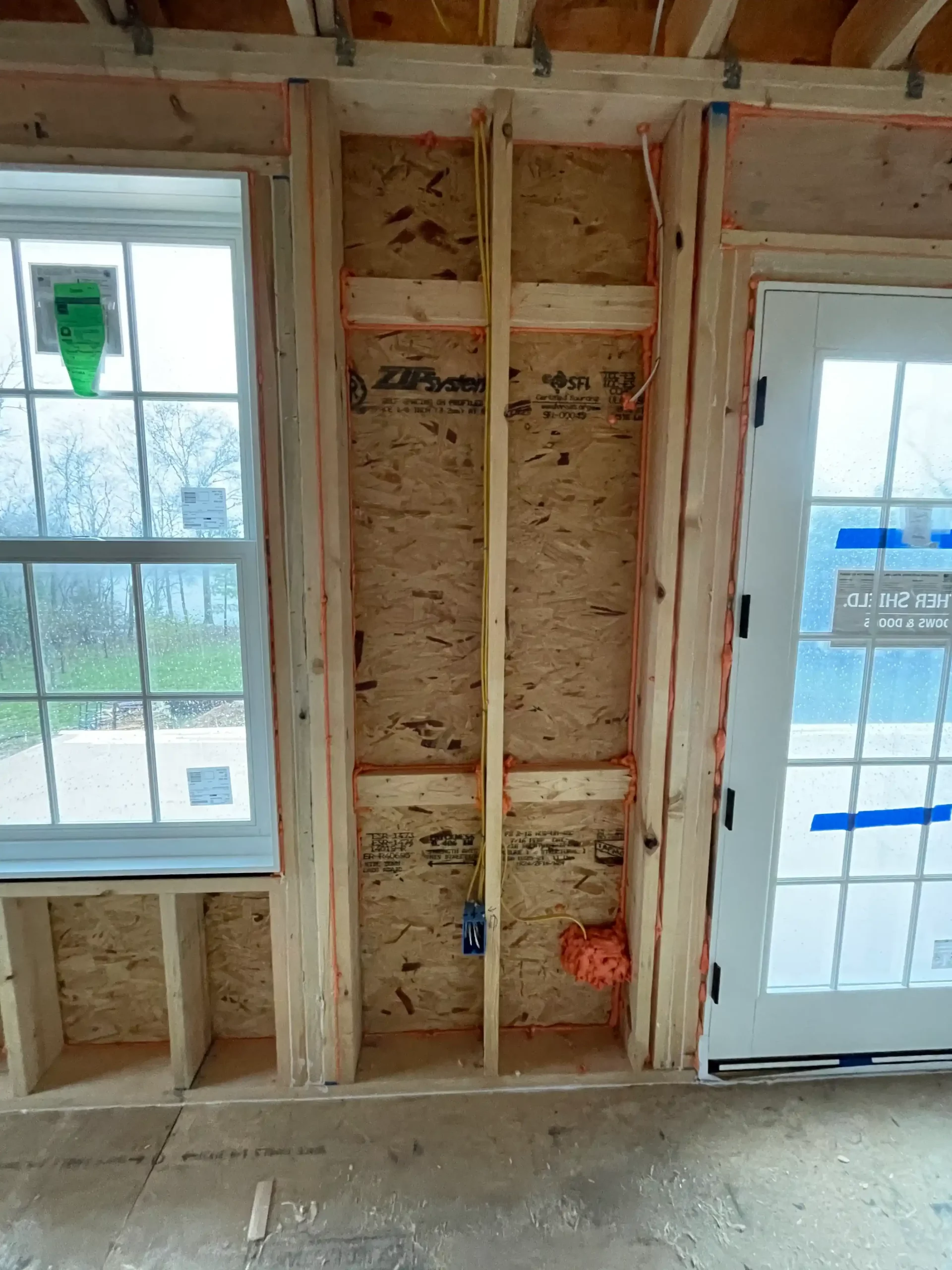
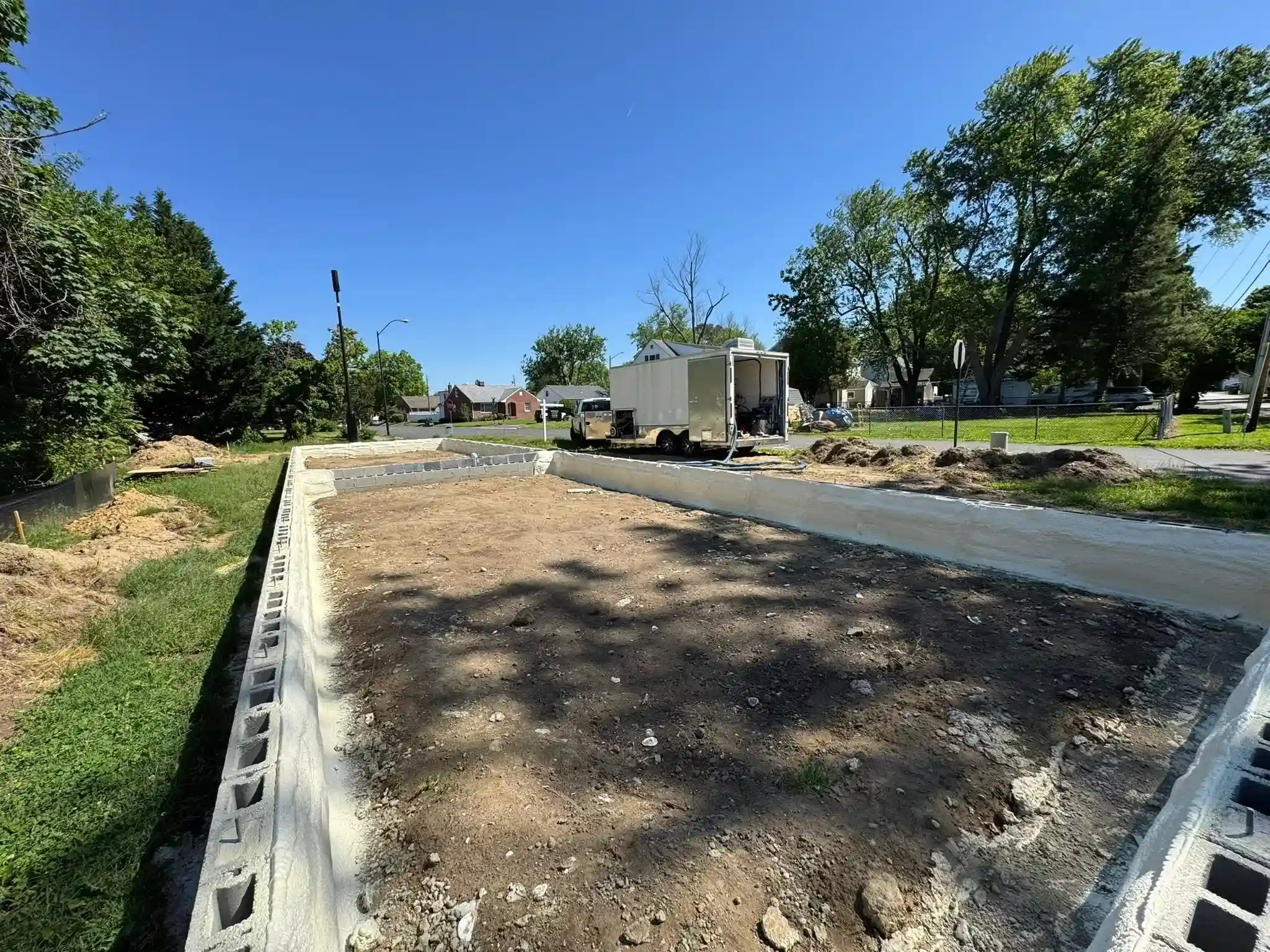
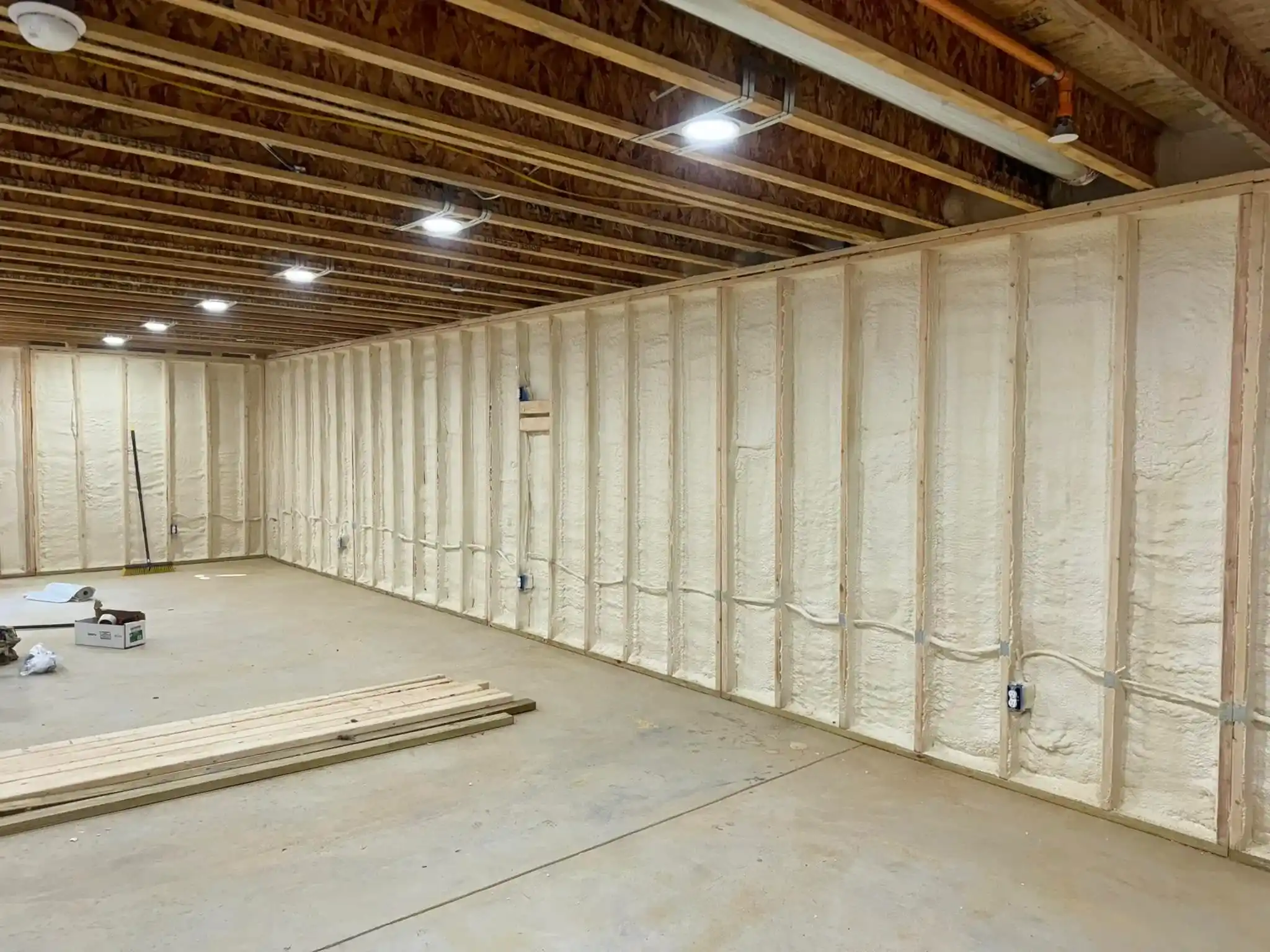
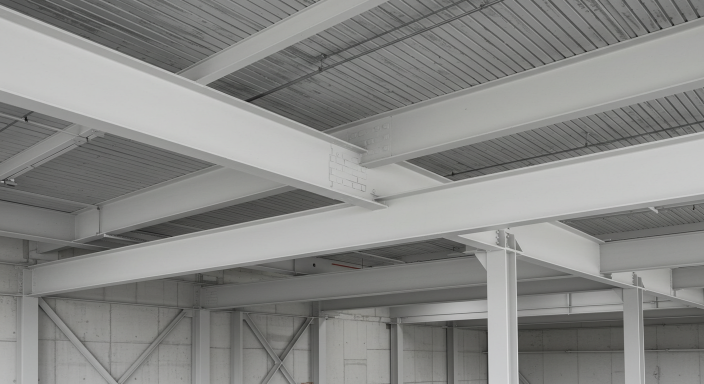
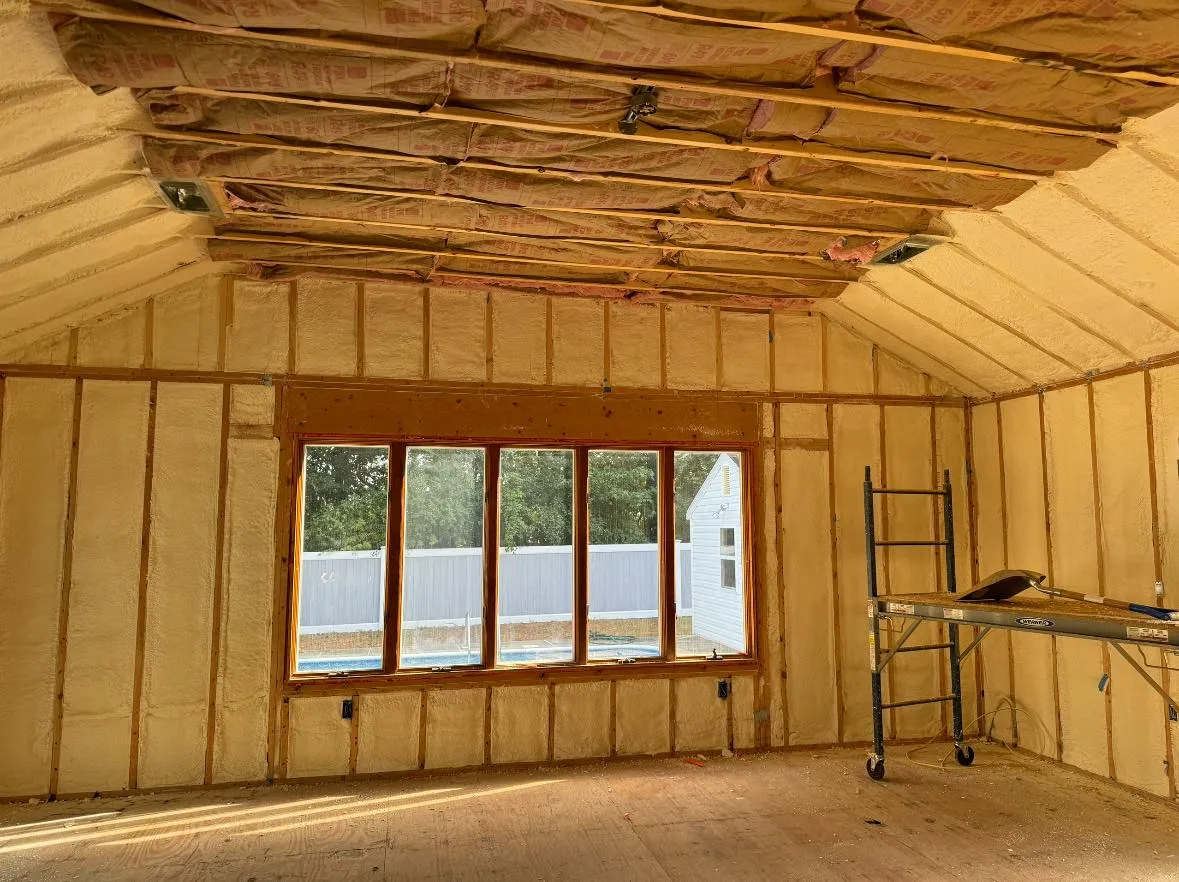
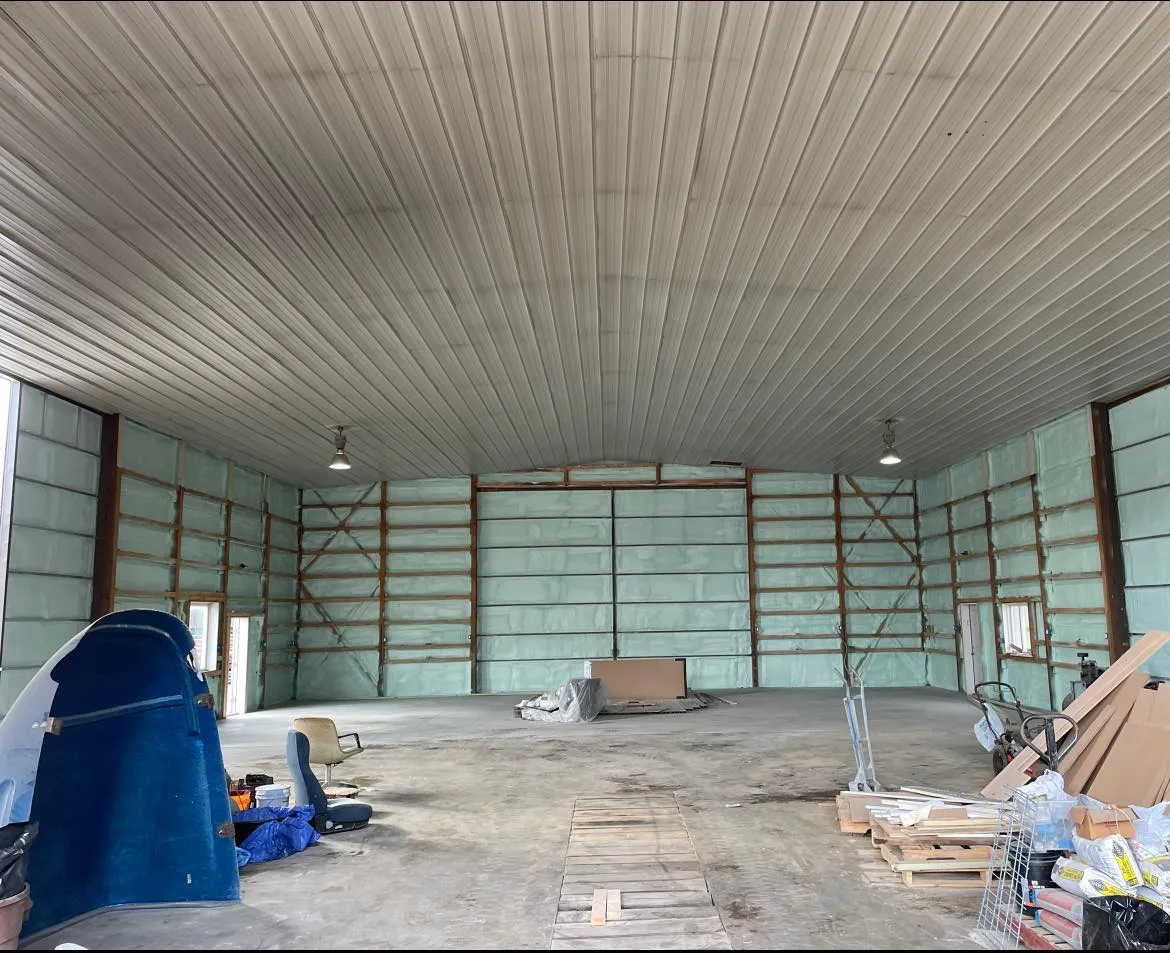
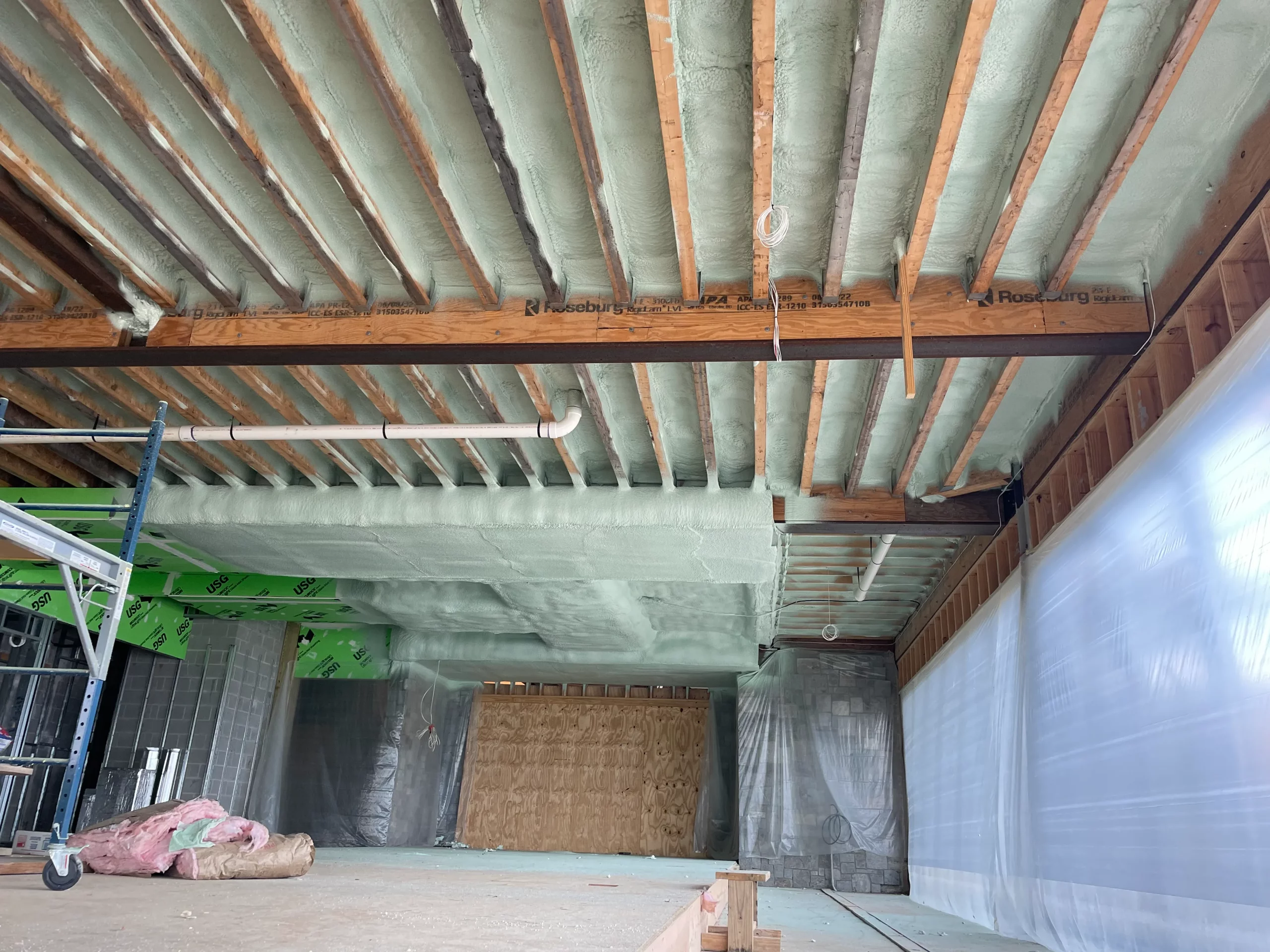




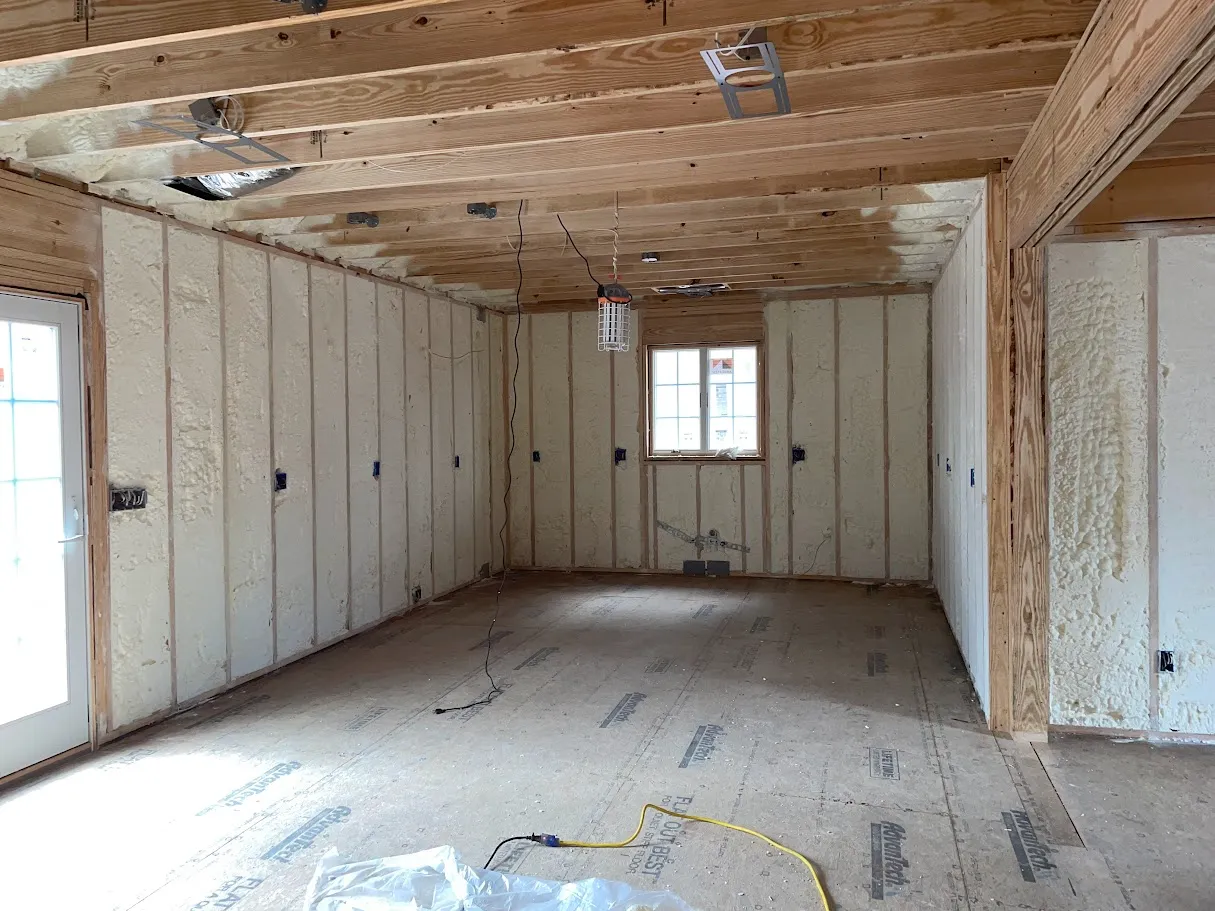
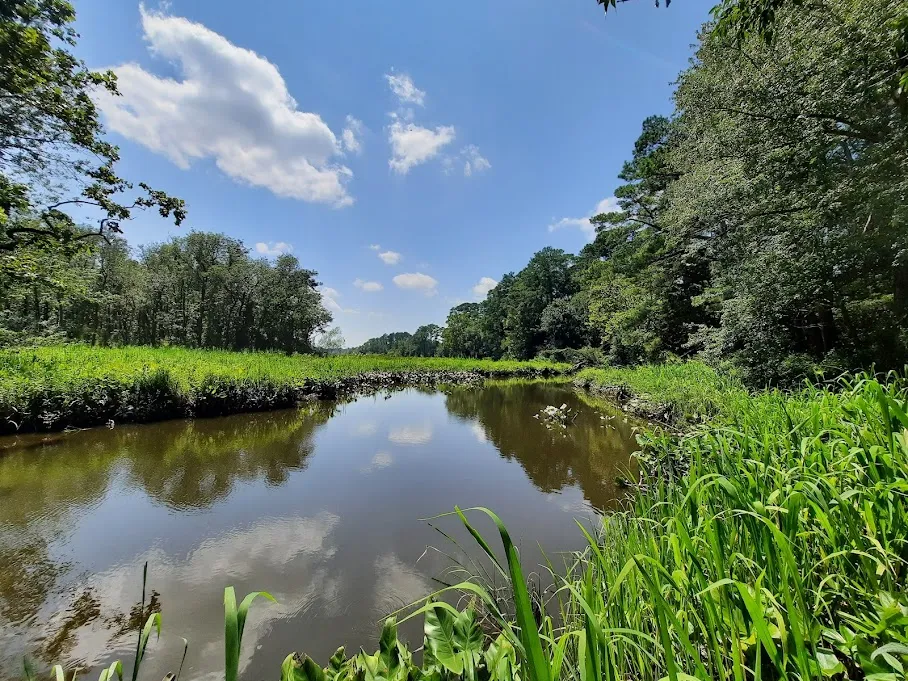
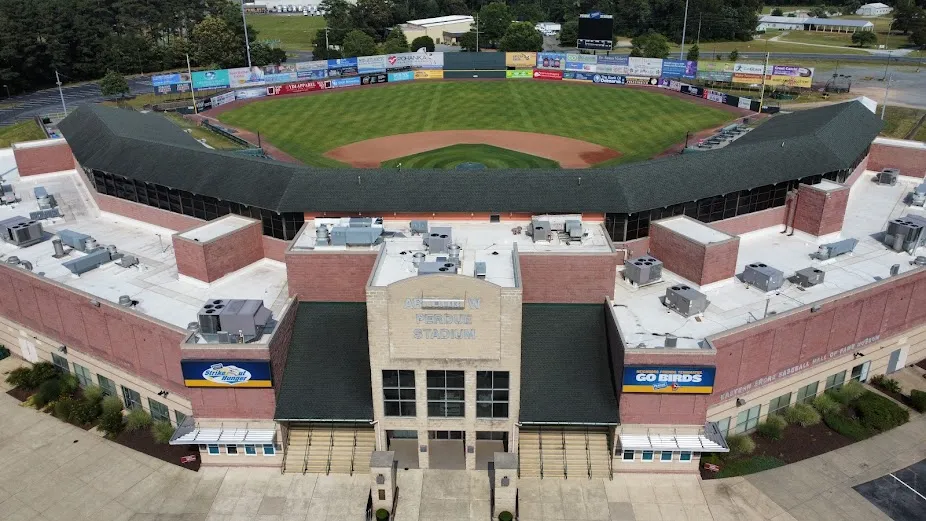

Your home is your most significant investment, and protecting it from the harsh Eastern Shore elements is non-negotiable. At Peninsula Insulation, LLC, we move beyond simple "installations" to provide "solutions." We understand that a drafty room isn't just annoying—it’s money leaking out of your wallet. Our team combines building science with skilled craftsmanship to deliver results you can feel immediately. From the first consultation to the final cleanup, we prioritize transparency, punctuality, and respect for your property. Don't let the weather dictate your comfort; choose the team that Fruitland trusts.
Fruitland, Salisbury, Eden, Allen, Parsonsburg, Delmar, Hebron, Princess Anne, Pittsville, Quantico, Tyaskin
Wicomico County, Worcester County, Somerset County
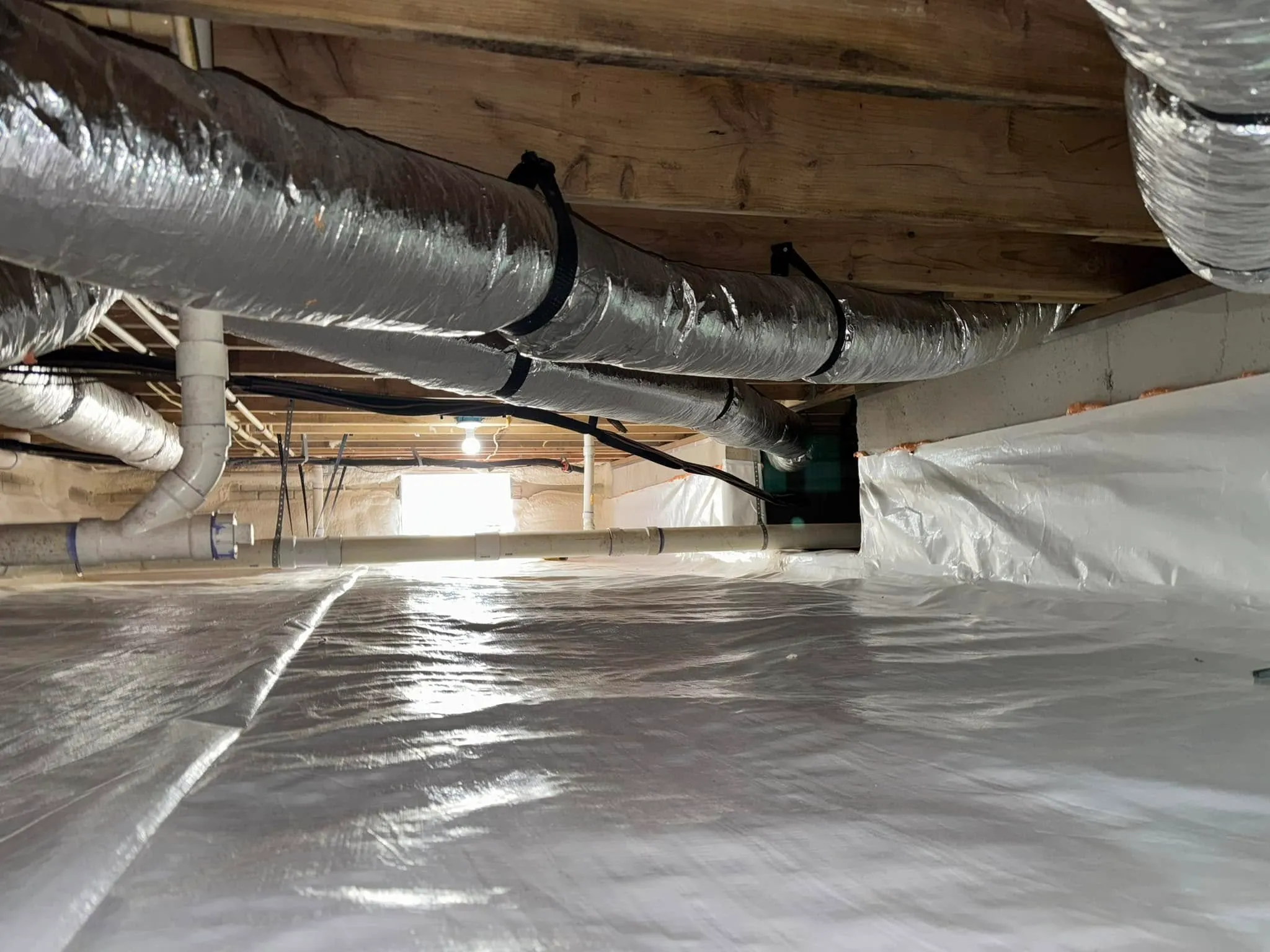
The Challenge: A homeowner near the Tony Tank Creek area in Fruitland complained of musty odors and buckling hardwood floors due to excess humidity rising from their vented crawlspace.
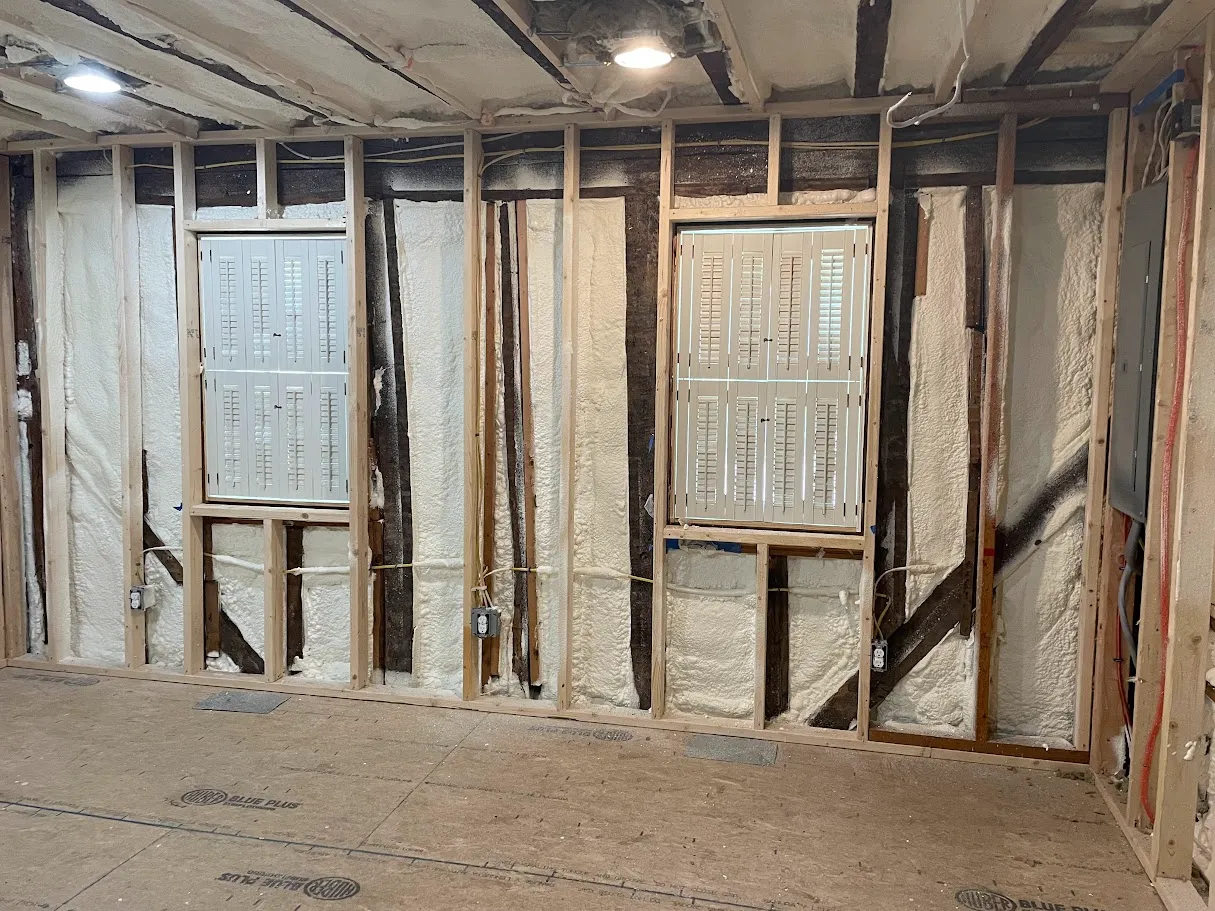
The Solution: Peninsula Insulation performed a full Crawlspace Encapsulation. We removed the old, wet fiberglass, sealed the vents, laid down a heavy vapor barrier, and applied Closed Cell Spray Foam to the foundation walls.
The Result: The indoor relative humidity dropped by 15% within days, the musty smell vanished, and the floors stabilized, saving the homeowner thousands in potential structural repairs.
Don't wait for the next heatwave or cold snap to realize your insulation isn't working. Contact Peninsula Insulation, LLC today to schedule your consultation. Let us help you create a healthier, more energy-efficient environment for your family or business.
Call Now: (410) 770-2624 Email: wil@mdsprayfoam.net
Unlike fiberglass, which acts like a wool sweater, allowing air to pass through, spray foam acts like a windbreaker. It expands to create an air-tight seal that blocks both heat transfer and air infiltration, which is critical for controlling humidity in our coastal Maryland climate.
Absolutely. Closed-cell spray foam acts as a vapor retarder. Sealing cracks and coating surfaces prevents moisture-laden outdoor air from entering your home. This significantly reduces the load on your dehumidifier and AC unit, preventing mold growth and dampness.
Yes, insulating and encapsulating your crawlspace is one of the most effective upgrades you can make. Because Fruitland has a high water table and humid summers, untreated crawlspaces often introduce moisture and soil gases into the living space. Encapsulation protects your air quality and structural wood.
Yes. Open-cell spray foam and mineral wool are excellent for sound attenuation. By sealing gaps where sound waves travel and absorbing vibration, these materials can make your home significantly quieter, particularly if you live near busy roads like Route 13.
When installed correctly by professionals like Peninsula Insulation, spray foam lasts for the life of the building. It does not sag, settle, or degrade over time like cellulose or fiberglass, making it a "one-and-done" investment for your property.