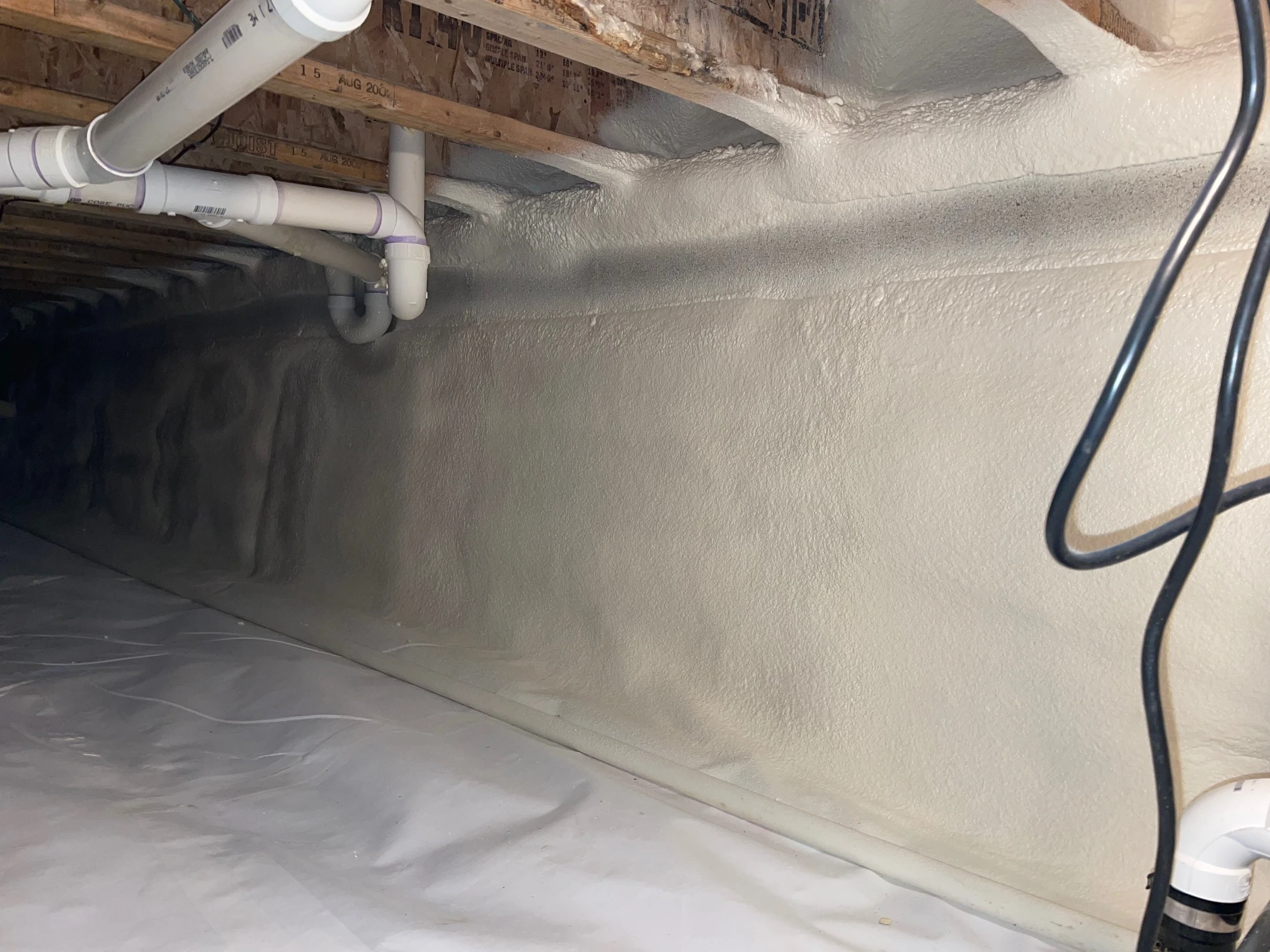
Why Crawl Space Encapsulation Matters for Asthma in Annapolis, MD
Crawl space encapsulation directly addresses the hidden source of asthma triggers in many Annapolis homes by sealing out moisture that…


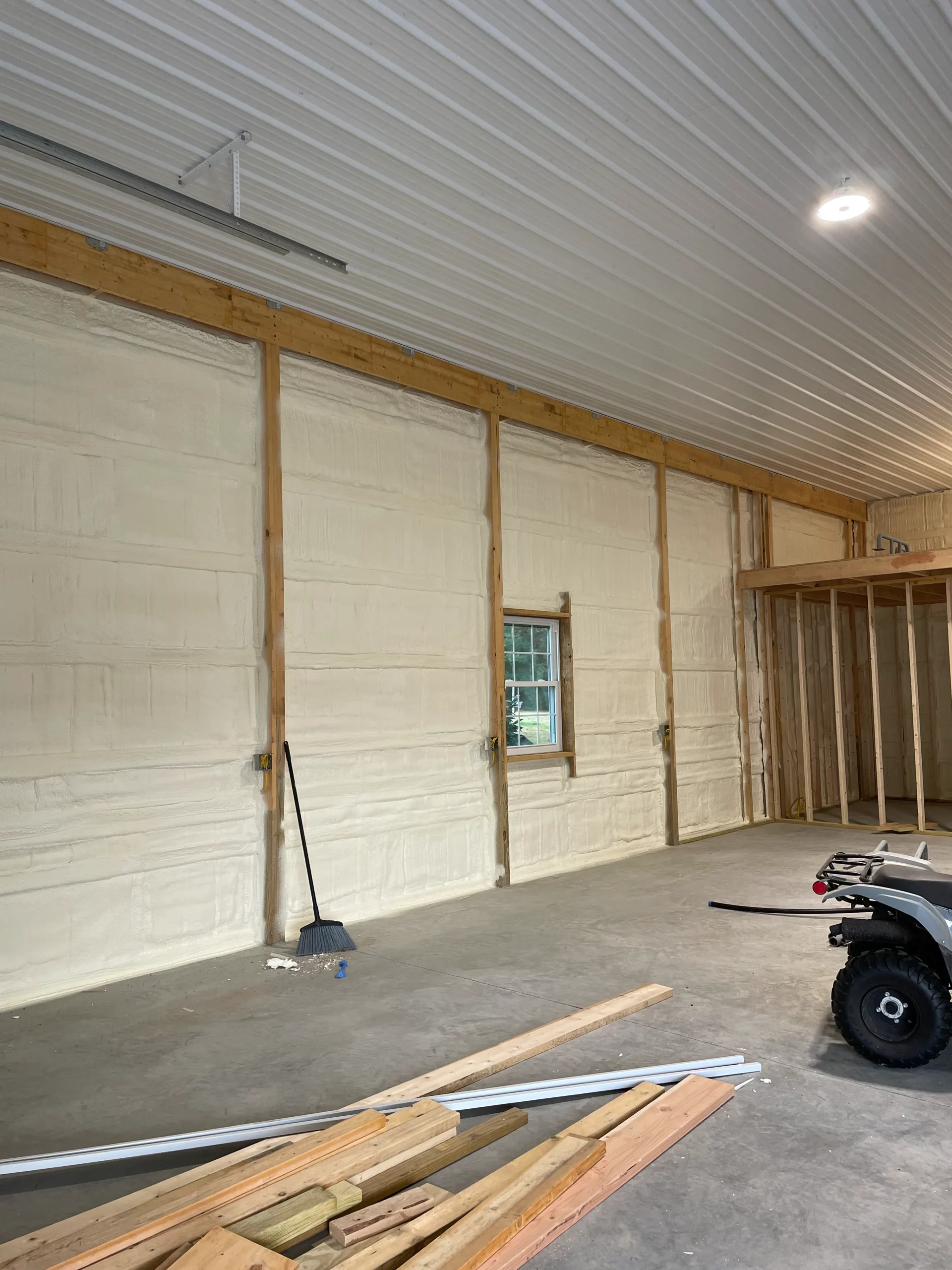
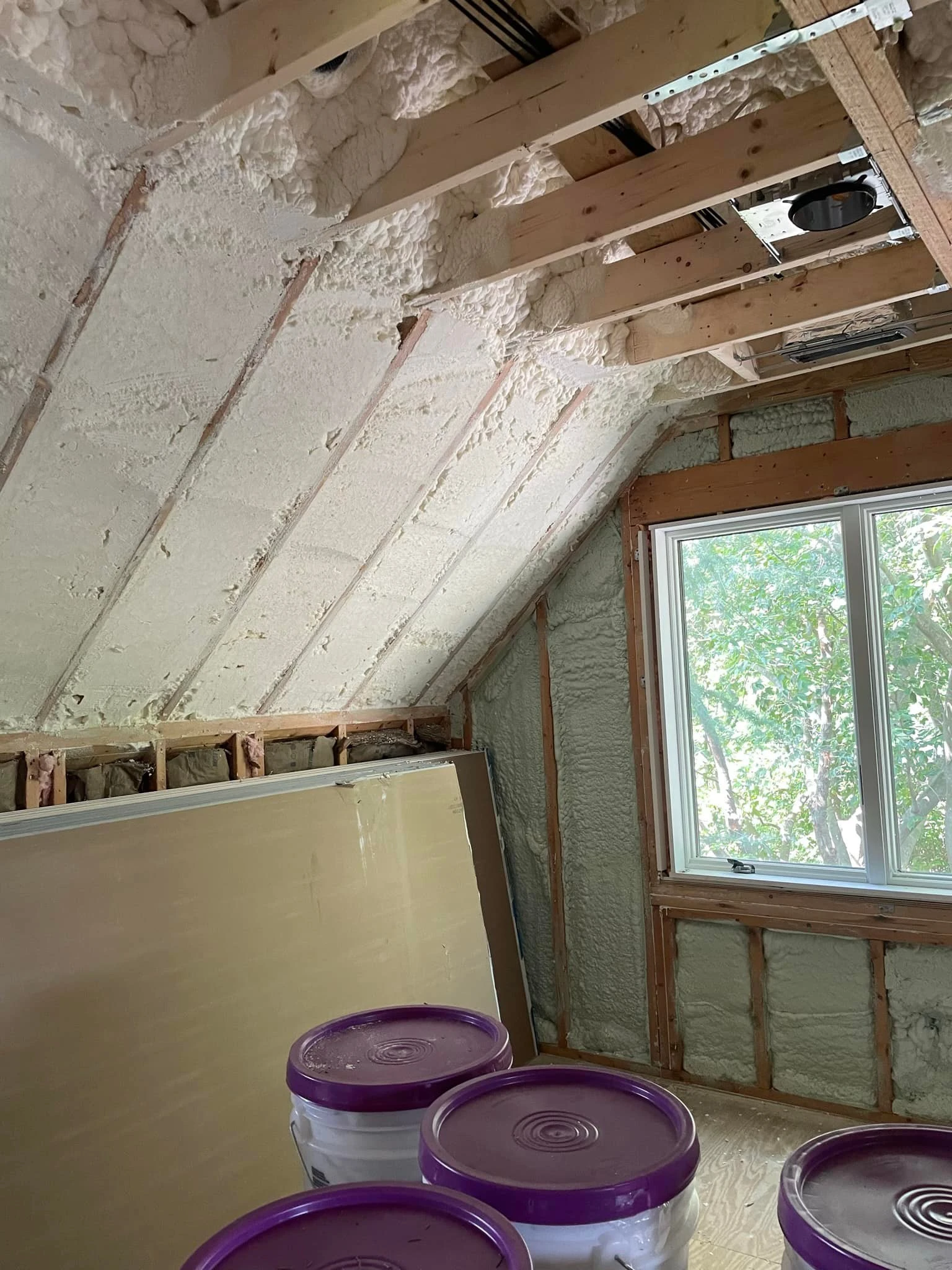
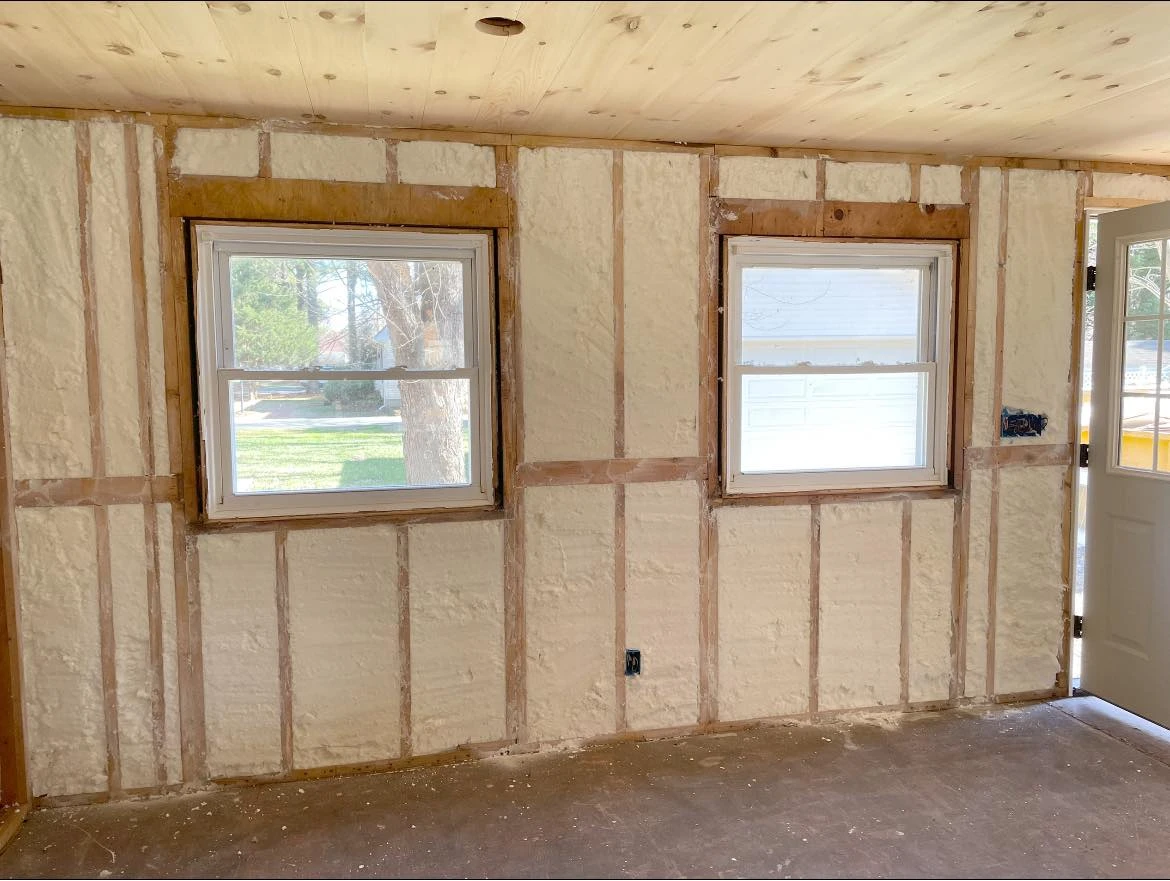
Homeowners who choose to upgrade their insulation notice immediate, positive changes across their property. The most recognized immediate benefits after installing spray foam insulation are typically dramatic improvements in energy efficiency, the elimination of noticeable drafts, a significant reduction in outside noise, much more consistent indoor temperatures, improved HVAC system performance, better indoor air quality due to air sealing, and increased structural stability in framing assemblies. These effects are often felt within hours or days of the installation being completed, confirming the material’s superior air-sealing capabilities compared to traditional options.
One of the first things homeowners check after a major efficiency upgrade is the power bill, but the initial drop in energy use often registers much faster. Spray foam insulation performs as both an air barrier and a thermal barrier. Stopping air leakage dramatically reduces the amount of conditioned air escaping the home. The U.S. Department of Energy (DOE) estimates that heating and cooling account for about 50% to 70% of the energy used in the average American home. When spray foam is properly installed, it immediately cuts the demand on the heating and cooling systems, leading to a noticeable reduction in run time, especially during peak temperature periods. According to data published by the Energy Star Program, sealing the thermal envelope is the most impactful way to control climate-related costs.
Beyond thermal benefits, the sound-dampening qualities of spray foam are often a surprising and appreciated benefit. This is particularly true for closed-cell foam installed in exterior walls, crawl spaces, or cathedral ceilings. The dense material fills every void and cavity, blocking paths for sound transmission. Homeowners report a sudden reduction in exterior noise, whether it is traffic, loud neighbors, or inclement weather, making the indoor environment more peaceful and restful.
Traditional insulation materials like fiberglass batt insulation rely solely on slowing down heat transfer, but they do nothing to stop air movement. Spray foam expands to fill and seal every crack, joint, and seam in the building envelope. This means the uncomfortable drafts near windows, baseboards, or electrical outlets disappear instantly. A home that previously felt uneven, with hot rooms upstairs and cold spots downstairs, begins to maintain uniform temperatures from room to room. This feeling of uniform comfort is perhaps the most obvious change.
Before a contractor begins a project, a thermal inspection can identify the specific areas where air leakage is highest, often around ducts, plumbing stacks, or attic hatches. Sealing these areas with foam is what delivers the immediate comfort improvement.
Especially in humid regions or areas prone to heavy rain, uncontrolled moisture infiltration causes major problems, including mold growth and wood rot. Closed-cell spray foam acts as a robust vapor barrier and moisture retarder. When applied to basement walls or crawl spaces, it controls the movement of water vapor into the living areas. Homeowners often notice that the basement or crawl space air no longer smells damp or musty, which immediately improves the overall indoor environment. This practical moisture control is essential for protecting the building structure over the long term.
Because the thermal load on the structure decreases so dramatically, the home’s heating and cooling system no longer cycles constantly to maintain the set temperature. Instead, the system maintains the temperature easily and runs shorter cycles with longer rest periods. This reduction in operational hours immediately reduces wear and tear on expensive HVAC equipment, potentially extending its lifespan. Research from the National Renewable Energy Laboratory highlights that reducing the thermal load allows HVAC units to operate closer to their peak efficiency design parameters.
Closed-cell spray foam has an extremely dense structure. When it cures, it adheres tightly to the framing members and sheathing of the building, creating a stiff bond. This adds measurable structural strength and rigidity to the walls and roof assemblies it covers. While this is a long-term benefit, the rigidity is immediately present upon curing. This characteristic is especially useful in areas subject to high winds or other shear forces.
By sealing every possible entry point, spray foam creates an airtight barrier that also happens to be unattractive to rodents and insects. Unlike loose-fill materials, foam does not offer nesting material. Furthermore, because the foam blocks airborne particulates from entering the sealed envelope, the amount of dust, pollen, and outdoor allergens circulating inside the home is reduced, leading to better air quality right away. A typical house can have dozens of hidden holes and gaps that allow air and pests in, but spray foam seals them all.
To understand the material differences that drive these immediate benefits, consider how spray foam compares against traditional insulation options.
| Feature | Spray Foam (Closed-Cell) | Fiberglass Batts (Unfaced) | Cellulose (Dense-Pack) |
|---|---|---|---|
| Air Sealing | Excellent (Acts as an air barrier) | Poor (Requires separate air barrier) | Fair (Good when dense-packed) |
| Moisture/Vapor Barrier | Yes (Specific type) | No | No |
| R-Value per Inch | High (R-6 to R-7) | Low (R-3 to R-4) | Medium (R-3 to R-4) |
| Structural Support | Yes, adds rigidity | No | No |
| Immediate Noise Reduction | Very High | Low to Medium | Medium |
Before moving forward with an installation, homeowners should take several factors into account. The upfront investment for spray foam is higher than for traditional materials. It is important to compare this initial cost against the expected savings in energy bills and reduced HVAC maintenance over the lifespan of the home. Homeowners must also decide between open-cell and closed-cell products. Open-cell foam is softer and less dense, allowing for some moisture permeability, while closed-cell foam is rigid and highly resistant to moisture, often serving as a vapor barrier. The choice depends heavily on the specific application area (e.g., attic versus basement) and the local climate demands. Consulting with an expert like Peninsula Insulation, LLC helps ensure the correct foam type is selected for the specific needs of the building envelope.
Since spray foam creates such an airtight environment, homeowners must verify that their home’s mechanical ventilation system is adequate. Controlling air exchange is vital for maintaining healthy indoor air quality once outside air infiltration is stopped.
Installation requires specialized equipment and training. Professionals follow strict safety protocols, including ensuring proper ventilation during the application phase. The material is mixed on-site and applied as a liquid, expanding rapidly into the designated cavity or surface. The application creates a continuous, monolithic layer of insulation that conforms perfectly to irregular shapes, eliminating gaps. Homeowners should plan for a short period of restricted access to the work area immediately after installation to allow the foam to fully cure.

High-quality spray foam, when mixed and installed correctly, should cure quickly. Any noticeable odor should dissipate rapidly after the installers leave and the area has been properly ventilated, typically within 24 to 48 hours. Proper professional installation minimizes any lingering scent.
Specific re-entry times depend on the product used, but generally, the area must be ventilated and allowed to cure for at least 24 hours. Professionals provide specific instructions based on the chemical formulation and air exchange rates.
Yes. Because the primary function of the foam is to stop air movement, you immediately stop losing heat through drafts and gaps. This prevents the constant infiltration of cold air, making the heating system more effective almost instantly.
The R-value is determined by the density and thickness of the cured material. Reputable contractors measure the final thickness after application and provide documentation verifying the installed depth and corresponding thermal resistance rating. For instance, open-cell foam requires greater depth than closed-cell foam to achieve the same total R-value.
The decision to install spray foam insulation fundamentally changes how a home uses energy and maintains comfort. The immediate benefits detailed above, especially the dramatic reduction in drafts and energy consumption, often provide a quick return on investment. Homeowners should evaluate their existing home performance issues, whether they are high energy bills, inconsistent temperatures, or moisture problems, and align their selection of insulation with these specific needs. This material offers a long-term solution that provides instantaneous improvements in comfort and efficiency.
Selecting the right insulation product is a critical decision that influences your home’s performance for decades. To discuss your specific needs, review energy audit results, and determine the optimal application for spray foam insulation in your home, it helps to connect with seasoned professionals. Peninsula Insulation, LLC provides specialized expertise in high-performance foam installations. Reach out directly by email at wil@mdsprayfoam.net or call the team’s office at (410) 770-2624 to learn more about achieving these immediate comfort and efficiency benefits in your property.