Why Crawl Space Encapsulation Matters for Asthma in Annapolis, MD
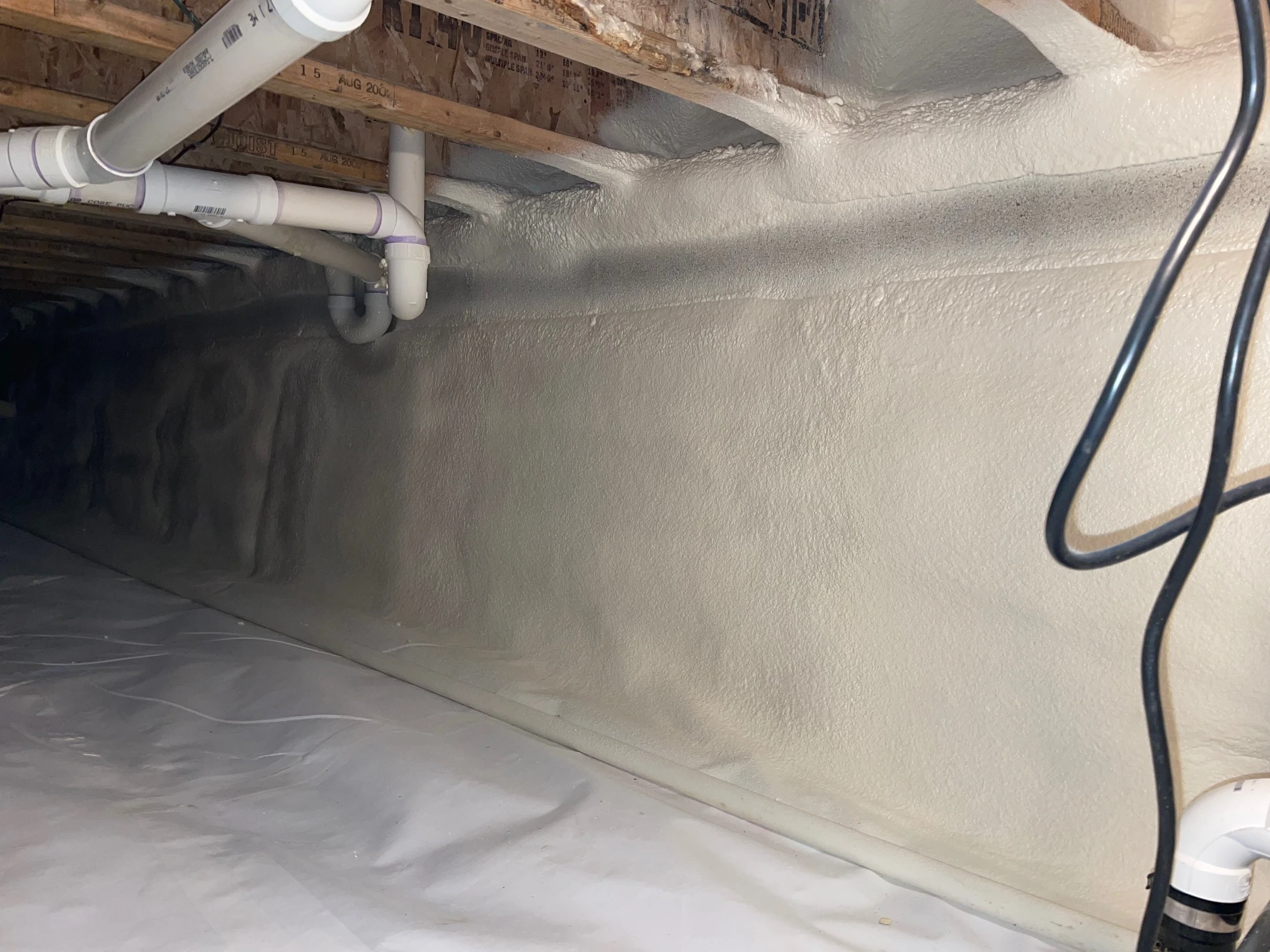
Crawl space encapsulation directly addresses the hidden source of asthma triggers in many Annapolis homes by sealing out moisture that…

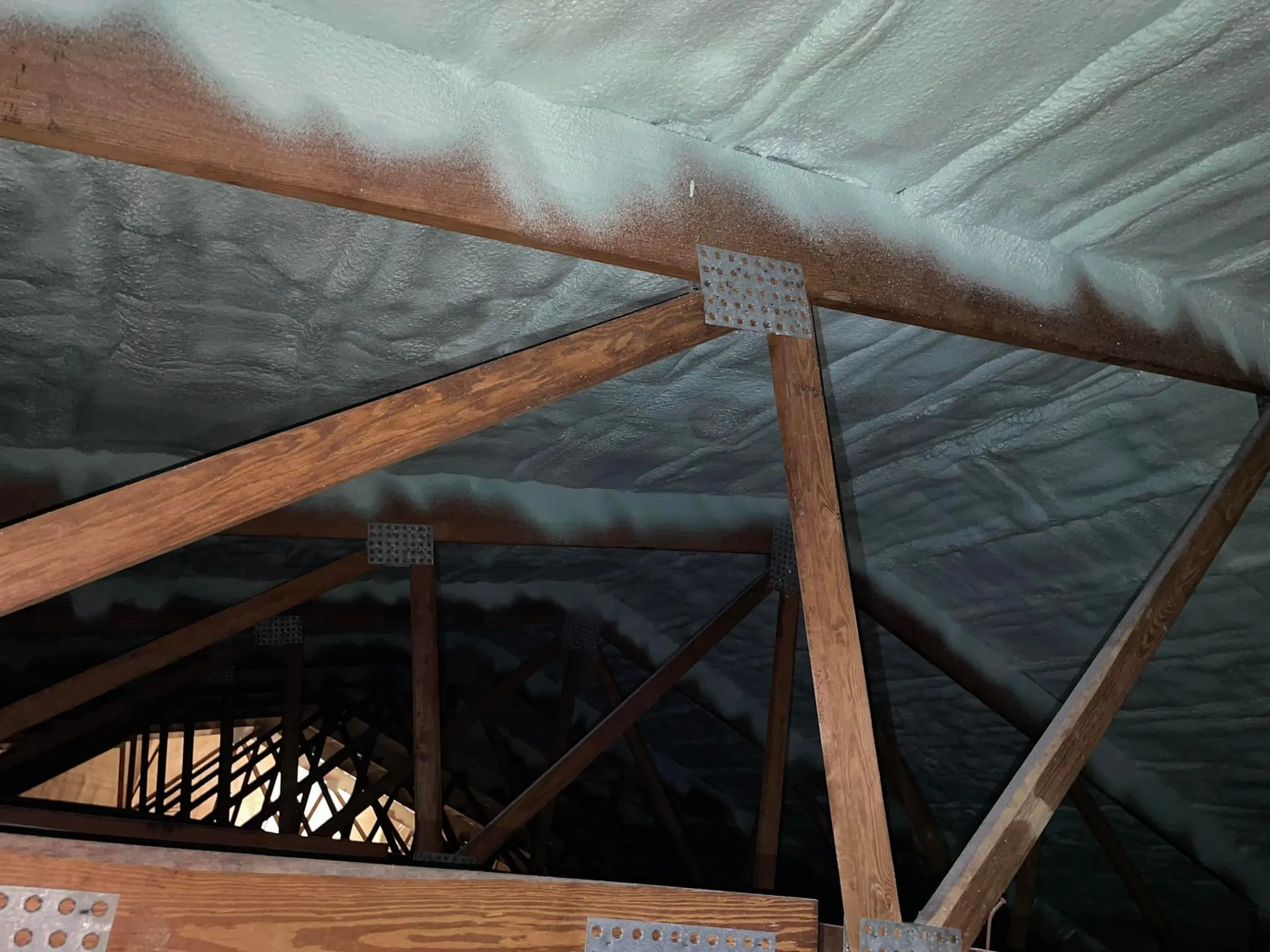
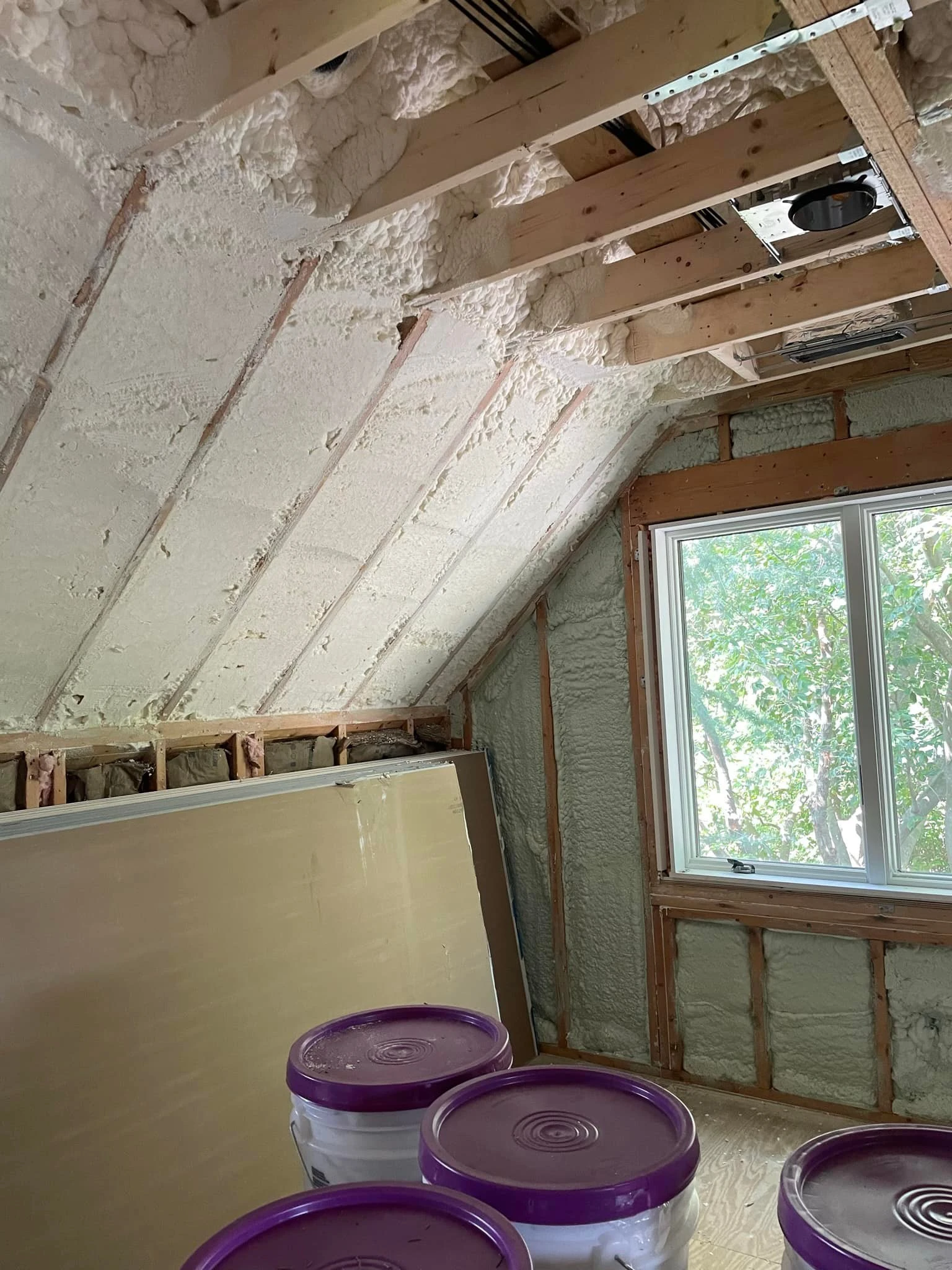
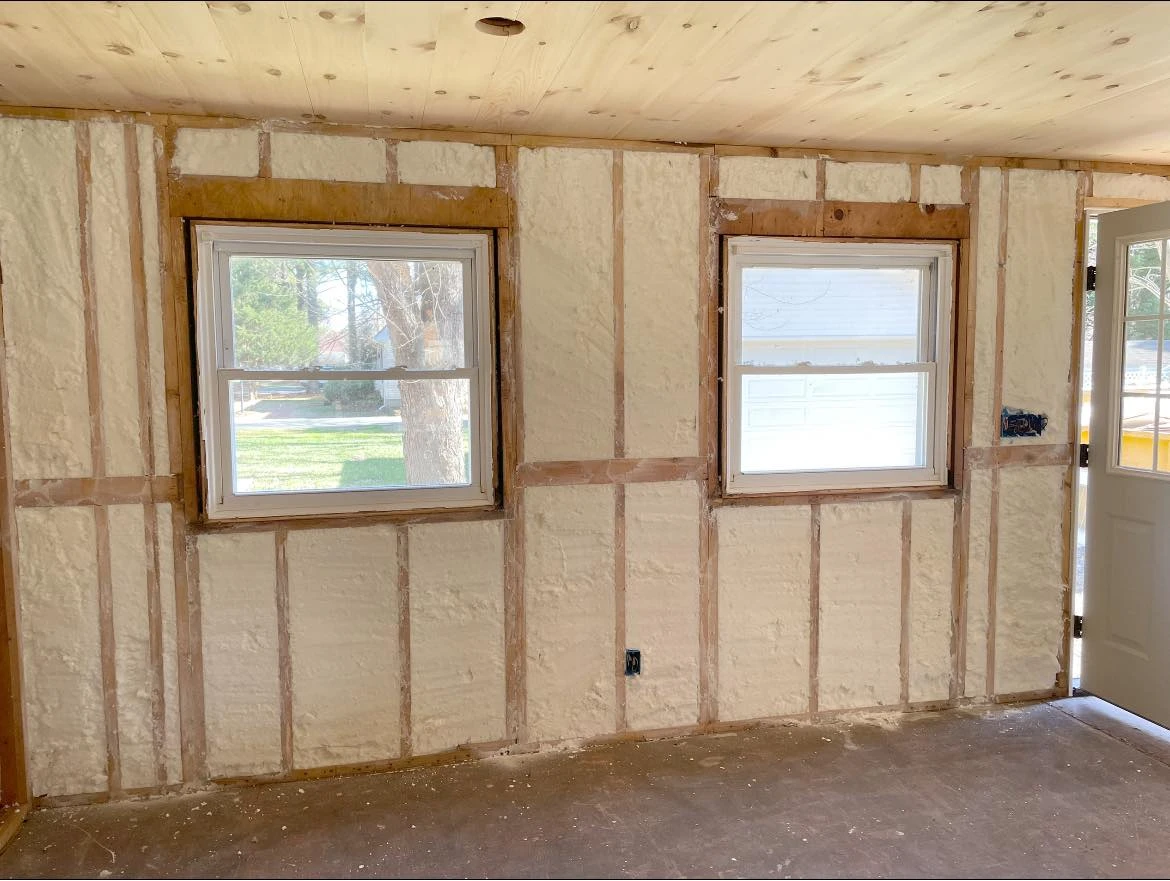
Spray foam insulation remains one of the most effective insulation solutions available in 2026, despite persistent myths that persist online. The reality is that modern spray foam technology has evolved significantly, offering superior energy efficiency, moisture control, and air sealing when properly installed. Peninsula Insulation, LLC has encountered these misconceptions repeatedly over the years of field experience, and the evidence clearly shows that contemporary spray foam systems address most concerns raised by critics.
This article cuts through the misinformation by examining eight common myths with current data and real-world insights. You’ll learn which outdated beliefs no longer apply to modern spray foam systems and understand the facts that matter for making informed insulation decisions.
This myth stems from early spray foam formulations that used older blowing agents with higher global warming potential. Modern closed-cell spray foam primarily uses hydrofluoroolefins (HFOs) as blowing agents, which have dramatically reduced environmental impact. The U.S. Environmental Protection Agency reports that current spray foam systems emit minimal volatile organic compounds (VOCs) after proper curing, typically within 24-48 hours of application.
Professional installers now use advanced equipment that precisely mixes components, reducing concerns about off-gassing. The key is proper installation by certified technicians who follow manufacturer specifications for application thickness and curing conditions. Peninsula Insulation, LLC consistently sees spray foam-insulated homes pass air quality tests with flying colors when installation meets industry standards.
The upfront cost comparison often ignores lifetime savings. Spray foam insulation typically costs 2-3 times more than fiberglass upfront but delivers 30-50% greater energy savings according to the U.S. Department of Energy. In most climates, the payback period ranges from 3-7 years through reduced heating and cooling costs.
| Insulation Type | Initial Investment | Annual Energy Savings | 10-Year Financial Outcome |
|---|---|---|---|
| Fiberglass | Low | None | Full Expense |
| Cellulose | Moderate | Modest | Breakeven |
| Open-Cell Spray Foam | High | Significant | Net Profit |
| Closed-Cell Spray Foam | Premium | Maximum | Highest Overall Return |
The table illustrates how spray foam becomes the most economical option over time. Additionally, spray foam’s superior air sealing eliminates the need for separate air barrier materials, reducing overall project complexity.
This misconception confuses poor installation with product performance. When applied correctly, closed-cell spray foam creates a vapor-resistant barrier that actually helps prevent moisture accumulation. The material’s closed-cell structure resists water absorption and prevents condensation within wall assemblies.
Open-cell spray foam, while more vapor-permeable, still allows walls to “breathe” while providing excellent air sealing. Problems typically occur when installers fail to address existing moisture issues or apply foam to damp surfaces. Proper moisture management starts with addressing drainage, ventilation, and water intrusion before any insulation installation.
The industry offers distinct formulations designed for specific applications. Open-cell spray foam costs less and works well in interior applications where space isn’t limited. It expands to fill irregular cavities but has a lower R-value per inch (approximately 3.5-3.8).
Closed-cell spray foam provides a higher R-value (6.5-7.0 per inch) and adds structural strength to buildings. It works best in exterior applications, metal buildings, and where moisture control is critical. High-density formulations exist for commercial roofs and specialized applications. Understanding these differences helps select the right product for each situation.
Proper spray foam installation requires specialized equipment, safety training, and experience with different formulations. The two-component chemicals must be heated and mixed at precise ratios and temperatures. Improper mixing creates foam with compromised performance and potentially higher emissions.
Professional installers understand how to account for ambient temperature, humidity, and substrate conditions. They know appropriate thickness applications for different climate zones and building types. DIY attempts often result in uneven coverage, gaps, or improper expansion, reducing effectiveness and potentially requiring expensive corrections.
Modern spray foam insulation maintains its performance characteristics for decades when protected from UV exposure. Manufacturers typically warrant their products for 25 years or more against degradation. The Department of Energy’s Building America program has documented cases in which spray foam maintains its R-value and air-sealing properties after 30+ years in service.
UV damage only affects exposed foam surfaces. Once covered with drywall, roofing materials, or protective coatings, spray foam remains stable. The material resists settling, compression, and moisture absorption that commonly degrade other insulation types over time.
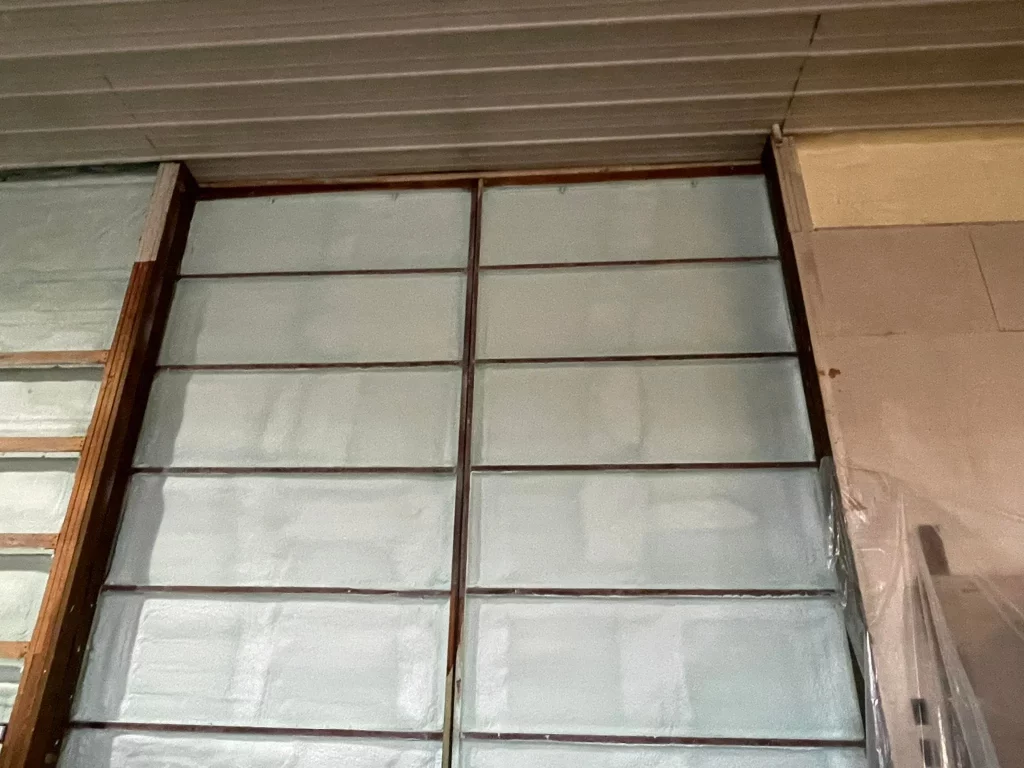
The “too tight” concern misunderstands modern building science. Controlled ventilation, not random air leakage, provides healthy indoor air quality. Spray foam eliminates uncontrolled air infiltration while allowing deliberate ventilation systems to work effectively.
Buildings with spray foam insulation require mechanical ventilation systems, which is actually a positive development. Heat recovery ventilators (HRVs) and energy recovery ventilators (ERVs) provide fresh air while recovering 70-90% of the energy from exhaust air. Peninsula Insulation, LLC always recommends pairing spray foam with appropriate ventilation systems to ensure optimal indoor air quality.
This myth ignores decades of successful spray foam applications in northern regions. Closed-cell spray foam performs exceptionally well in cold climates due to its high R-value and vapor resistance. It prevents condensation that commonly occurs with other insulation types in cold-weather applications.
The key is understanding the specific requirements of cold climate construction. Spray foam eliminates thermal bridging through wood framing, a significant heat loss source in traditional insulation systems. It also reduces ice dam formation by keeping roof surfaces cold while the interior remains warm and comfortable.
The climate zone significantly impacts which spray foam type makes the most sense. Cold climates generally benefit from closed-cell foam’s vapor resistance, while mixed climates might use open-cell in interior walls and closed-cell at the building envelope. Local building codes may specify vapor barrier requirements that influence product selection.
Existing construction conditions matter too. Retrofit projects require careful assessment of current moisture issues and ventilation. New construction offers more flexibility for optimal placement and thickness applications. Budget constraints often determine whether to use spray foam throughout the structure or strategically in critical areas like attics and crawl spaces.
For personalized guidance on spray foam insulation solutions for your specific situation, contact Peninsula Insulation, LLC at (410) 770-2624 or email wil@mdsprayfoam.net. Our team can provide detailed assessments and recommendations tailored to your building’s unique characteristics and performance goals.
The myths surrounding spray foam insulation largely reflect outdated information or poor installation practices rather than problems with the technology itself. Modern spray foam systems offer proven performance across diverse climate conditions when installed by trained professionals following manufacturer guidelines.
Energy savings, comfort improvements, and durability benefits make spray foam a compelling choice for both new construction and retrofit projects. The key lies in selecting the right product type for your specific situation and ensuring professional installation with proper ventilation systems.
Evaluate your home’s specific needs, climate conditions, and budget to determine whether spray foam insulation makes sense for your situation. Consider consulting with certified installers who can assess your property and recommend appropriate solutions based on current building science principles.
Once fully cured (typically 48 hours), spray foam is completely inert and safe. Professional installation with proper ventilation ensures no harmful exposure during or after application. The material meets or exceeds all relevant health and safety standards.
Yes, spray foam provides excellent sound-dampening properties, particularly open-cell formulations. The foam’s structure absorbs sound waves, reducing noise transmission between rooms and from exterior sources.
Closed-cell spray foam resists water absorption and can handle temporary moisture exposure without damage. Open-cell foam may temporarily absorb water but dries without losing its insulation properties. Persistent moisture issues should always be addressed regardless of insulation type.
Energy-efficient features increasingly influence home buyers’ decisions. Spray foam insulation demonstrates a commitment to energy performance and comfort, potentially increasing resale value and marketability.