Why Crawl Space Encapsulation Matters for Asthma in Annapolis, MD
Crawl space encapsulation directly addresses the hidden source of asthma triggers in many Annapolis homes by sealing out moisture that…

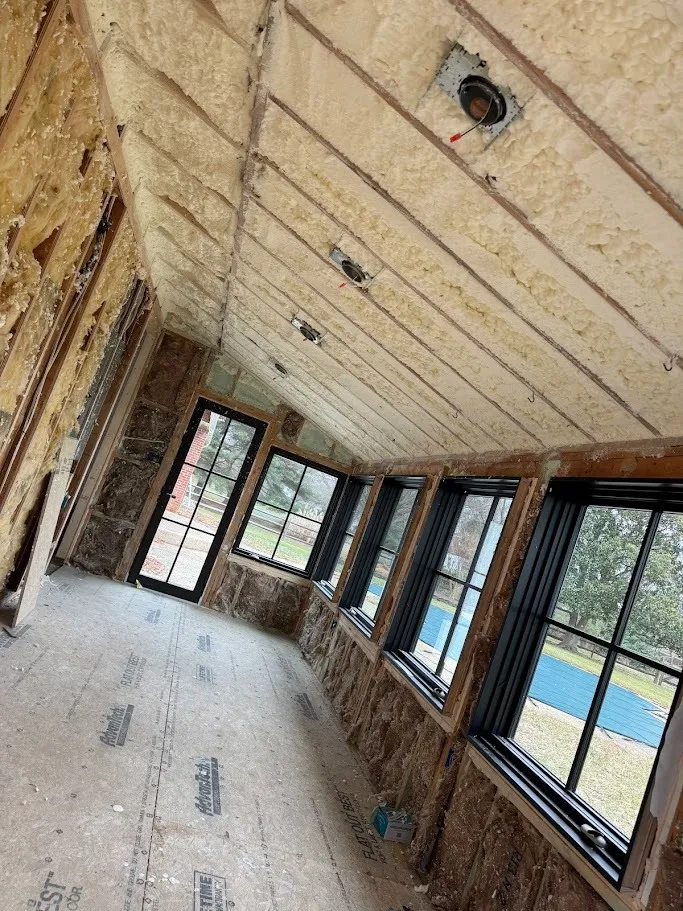
Spray foam insulation protects plumbing pipes from freezing by creating an airtight thermal barrier that prevents cold air infiltration and maintains pipe temperatures above 32°F. The material’s superior R-value per inch and its ability to seal gaps and cracks make it significantly more effective than traditional insulation methods for preventing frozen pipes in residential settings. This comprehensive protection works through two mechanisms: thermal resistance and air sealing, which together create a microclimate around pipes that resists extreme temperature drops.
When properly applied, spray foam can reduce heat loss from pipes by up to 50% compared to conventional insulation materials, according to building science research. This article explains the complete protection mechanism, installation considerations, and factors homeowners should evaluate when using spray foam for pipe protection. Drawing from extensive experience with residential insulation applications across various climate zones, the information provided covers practical aspects rather than theoretical concepts.
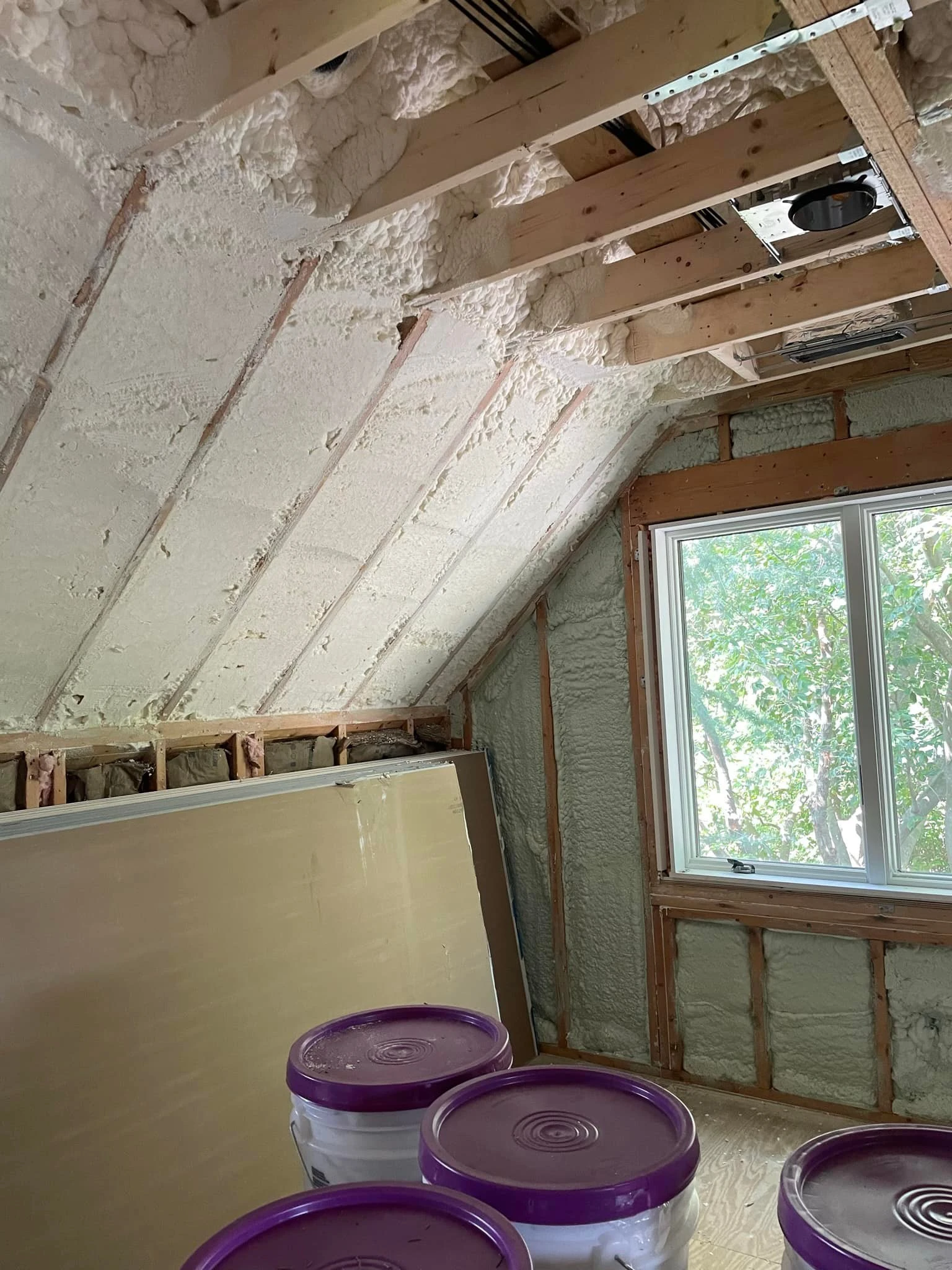
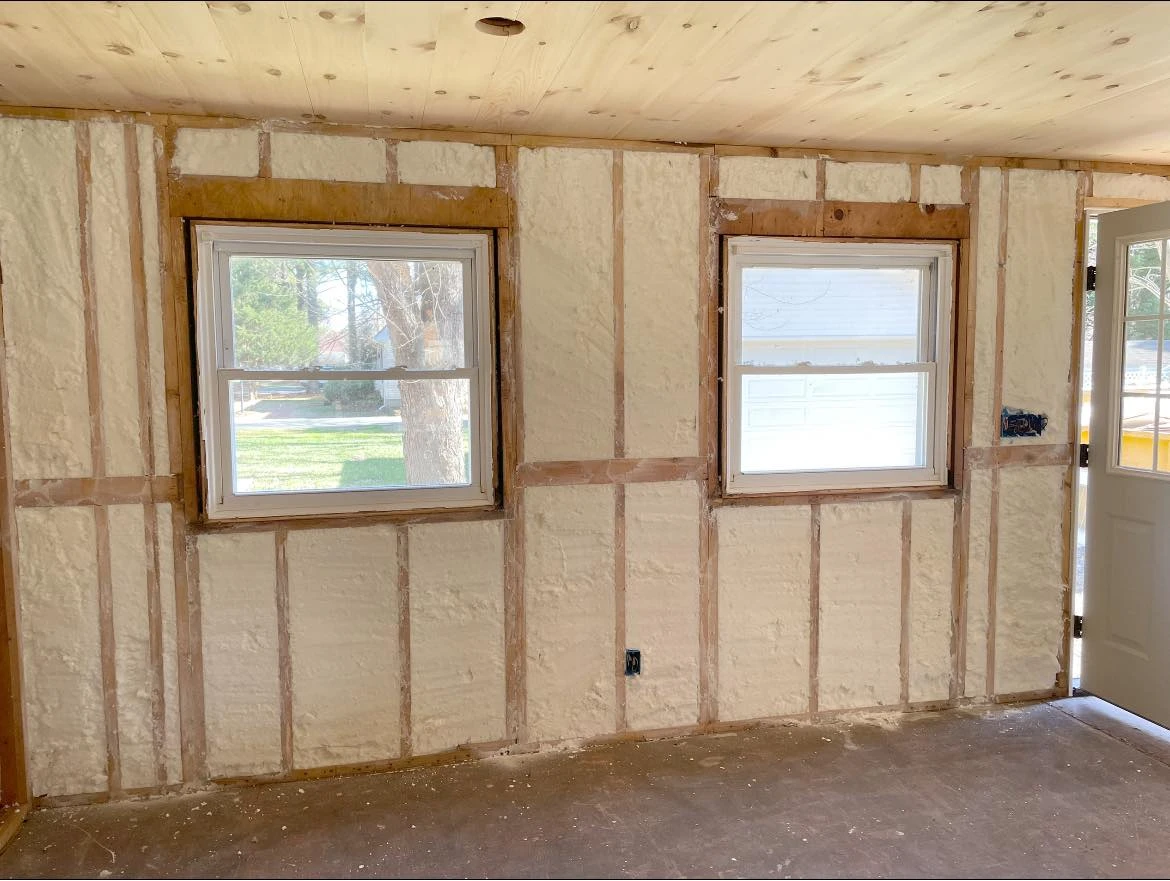
Spray foam insulation protects pipes through direct contact and complete encapsulation, eliminating air gaps where cold can penetrate. The foam expands upon application, filling cavities and wrapping around pipes with a continuous insulation layer. This differs from fiberglass or mineral wool, which can leave voids and compression points that reduce thermal performance.
The protection works through several physical properties. Closed-cell spray foam has an R-value of approximately 6.5 per inch, compared to fiberglass at 3.2-3.8 per inch. This higher thermal resistance means thinner applications provide equivalent protection. More importantly, spray foam creates a vapor barrier that prevents moisture accumulation, which can accelerate heat transfer through other insulation types.
The air-sealing quality might be the most critical factor. Air movement accounts for up to 40% of heat loss in buildings, and spray foam eliminates this convective heat transfer. When pipes run through exterior walls, crawl spaces, or attics, these air gaps become highways for cold air. Spray foam effectively blocks these pathways, maintaining a stable temperature zone around the plumbing.
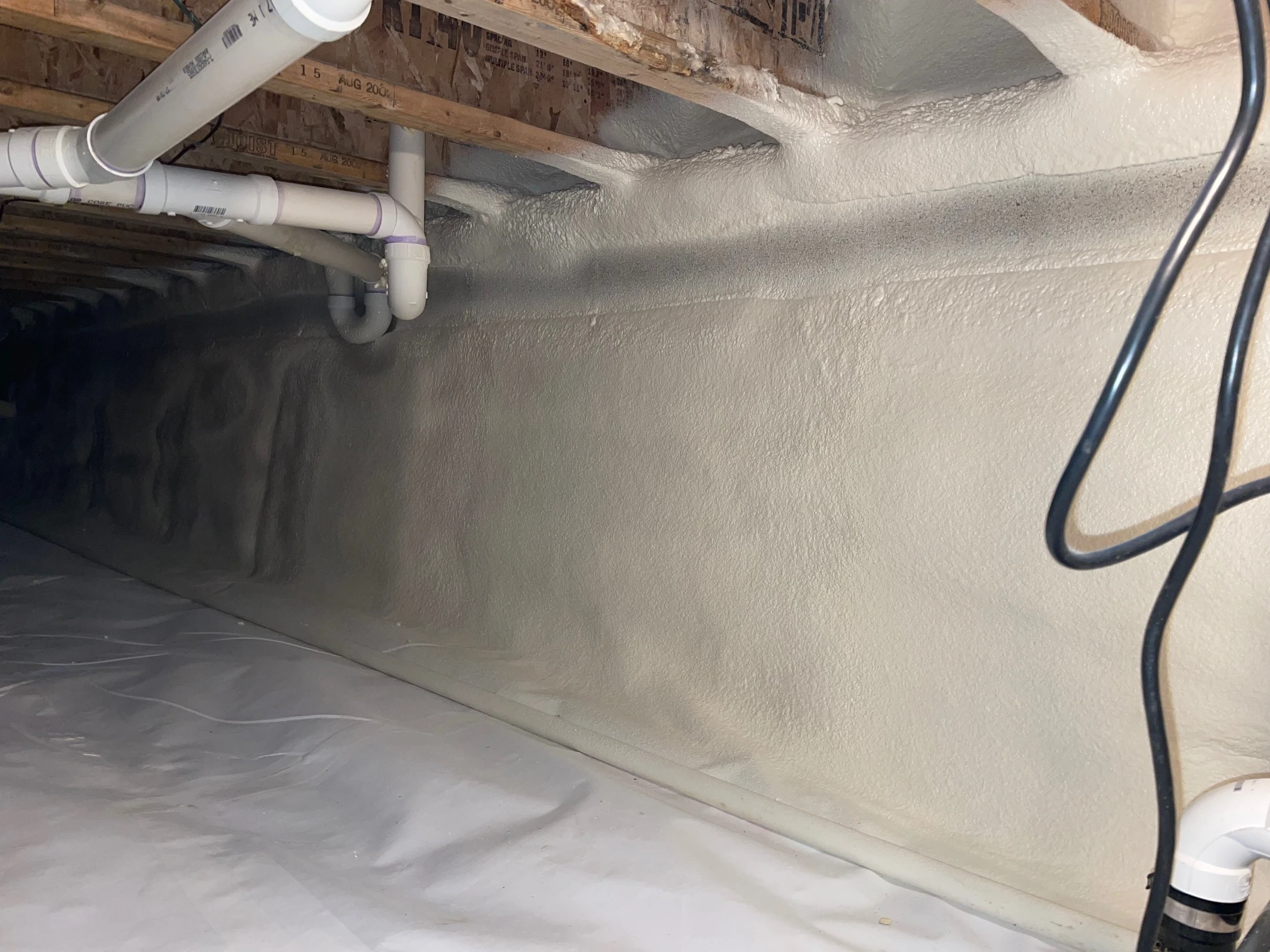
Two main categories of spray foam serve different pipe protection needs. Closed-cell foam offers the highest R-value and moisture barrier properties, making it ideal for pipes in extremely cold environments or moisture-prone areas like crawl spaces. Open-cell foam offers better sound absorption and greater flexibility, making it suitable for interior applications where expansion and contraction may occur.
Closed-cell foam density typically ranges from 1.8-2.0 pounds per cubic foot, providing structural strength that can help support pipes. It resists water absorption with less than 1% moisture uptake, maintaining its insulating properties even in damp conditions. Open-cell foam has a density of 0.5-0.7 pounds per cubic foot and can absorb water, which reduces its R-value when wet.
Proper application techniques determine the effectiveness of spray foam for pipe protection. The foam must completely surround pipes without leaving gaps, and thickness requirements vary based on climate zone and pipe location. In most applications, 2-3 inches of closed-cell foam provides adequate protection for pipes in exterior walls, while pipes in unheated crawl spaces may require 4 inches or more.
Installation timing affects results. Applying spray foam during new construction or major renovations allows access to all pipe runs, ensuring complete coverage. Retrofit applications might require strategic access points or partial wall removal, increasing project complexity and cost. The expansion characteristics of spray foam require careful planning around pipe fittings and valves to avoid applying excessive pressure that could damage connections.
Climate conditions directly influence spray foam requirements for pipe protection. The U.S. Department of Energy recognizes eight climate zones, each with different insulation recommendations. Zone 1 (Miami) requires minimal pipe protection, while Zone 8 (Fairbanks) demands maximum insulation values.
Homeowners in Zones 5-8 should prioritize closed-cell foam for its superior performance in extreme cold. The International Association of Certified Home Inspectors reports that frozen pipes cause over 250,000 insurance claims annually, with average claim costs exceeding $11,000. These incidents concentrate in northern states where temperatures regularly drop below 20°F.
Regional building codes also specify minimum insulation standards. Many northern jurisdictions require pipe protection in exterior walls regardless of insulation type. Spray foam is often the most practical solution for meeting these requirements, offering additional benefits such as air sealing and moisture control.
Assessing your specific situation helps determine if spray foam offers the best solution for pipe protection. The decision involves evaluating cost-effectiveness, accessibility, and long-term performance goals. Consider these key factors before proceeding:
Bonus Tip: For homes with existing insulation problems like ice dams or cold rooms, adding spray foam for pipe protection can solve multiple issues simultaneously, increasing overall value.
Pipe accessibility plays a major role in project feasibility. Pipes hidden behind finished walls require either invasive access or alternative protection methods. In some cases, combining spot-applied spray foam with supplemental heat tape provides a more practical solution than extensive wall demolition.
Climate zone and exposure level determine the necessary insulation thickness. Pipes running along exterior walls in northern climates need more protection than those in interior walls of southern homes. Consider both minimum code requirements and extreme weather events when planning your insulation strategy.
Budget constraints often influence the choice between partial and complete protection. While spot treating vulnerable pipe sections costs less, comprehensive protection prevents future problems in additional areas. The payback period for energy savings typically ranges from 3-7 years when spray foam replaces inadequate insulation.

Many homeowners share similar concerns when considering spray foam for pipe protection. Understanding these common issues helps in decision-making and project planning.
Bonus Tip: In retrofit situations, consider using removable access panels at critical pipe locations. These allow future inspection while maintaining the insulation barrier.
The cost difference between spray foam and traditional insulation varies by region but typically ranges from 2-4 times higher for material alone. However, when factoring in labor for proper installation of traditional insulation plus air sealing, the cost differential often narrows significantly.
Application time depends on accessibility and scope. A typical crawl space pipe protection project takes 1-2 days for professional installers. Wall cavity applications during new construction require minimal additional time beyond standard insulation work.
Bonus Tip: Always verify that your plumbing pipes are properly supported before foam application. The added weight and expansion pressure can dislodge poorly secured pipes, creating future problems.
| Feature | Closed-Cell Spray Foam | Open-Cell Spray Foam | Fiberglass Batts |
|---|---|---|---|
| R-Value per inch | 6.5 | 3.8 | 3.2 |
| Air sealing capability | Complete | Complete | Poor |
| Moisture resistance | Vapor barrier | Vapor permeable | Vapor permeable |
| Recommended thickness for pipes | 2-4 inches | 4-6 inches | 6-8 inches |
| DIY feasibility | Not recommended | Not recommended | DIY possible |
This comparison shows why spray foam often provides better long-term value despite higher initial costs. The combination of superior R-value and air sealing creates more effective pipe protection with less material thickness.
Spray foam insulation provides superior protection against frozen pipes through its unique combination of high R-value and complete air sealing. The material creates a thermal envelope that maintains stable temperatures around plumbing, even in extreme weather conditions. While the initial investment exceeds traditional insulation options, the long-term benefits include energy savings, moisture control, and structural air sealing that extends beyond pipe protection alone.
Homeowners should evaluate their specific climate, pipe locations, and accessibility when considering spray foam for pipe protection. In many cases, the solution addresses multiple building performance issues simultaneously, increasing overall comfort and efficiency. The decision should balance immediate costs against long-term value and the significant expense of water damage from frozen and burst pipes.
For personalized evaluation of your pipe protection needs, contact Peninsula Insulation, LLC at wil@mdsprayfoam.net or (410) 770-2624. Professional assessment ensures proper application thickness and identifies critical protection zones specific to your home’s construction and local climate conditions.
Closed-cell spray foam maintains its structural properties from -40°F to 200°F, easily handling all residential temperature extremes. The foam itself won’t degrade in cold, though prolonged exposure to temperatures below 0°F requires sufficient thickness to maintain pipe temperatures above freezing.
Spray foam is compatible with copper, PEX, and PVC pipes when properly applied. However, the exothermic reaction during curing can generate temperatures up to 140°F in thick applications. Metal pipes handle this heat well, but plastic pipes require applying foam in layers of 2 inches or less to prevent heat damage.
When properly installed, spray foam insulation lasts the lifetime of the building without degradation. The material resists moisture, mold, and pest infestation. Unlike fiberglass, it doesn’t settle or compact, maintaining its R-value and air sealing properties for decades.
Spray foam significantly reduces the risk of freezing but cannot guarantee prevention in extreme conditions. The primary benefit is maintaining temperatures above freezing through thermal resistance and air sealing. In severe cold snaps, supplemental protection like heat tape might still be necessary for exposed pipes.
Once cured, spray foam requires no maintenance. Unlike traditional insulation, it doesn’t need periodic replacement or reinforcement. The material is inert and won’t settle, creating gaps over time. Regular building maintenance includes inspection for damage to surrounding structures that might compromise the insulation barrier.