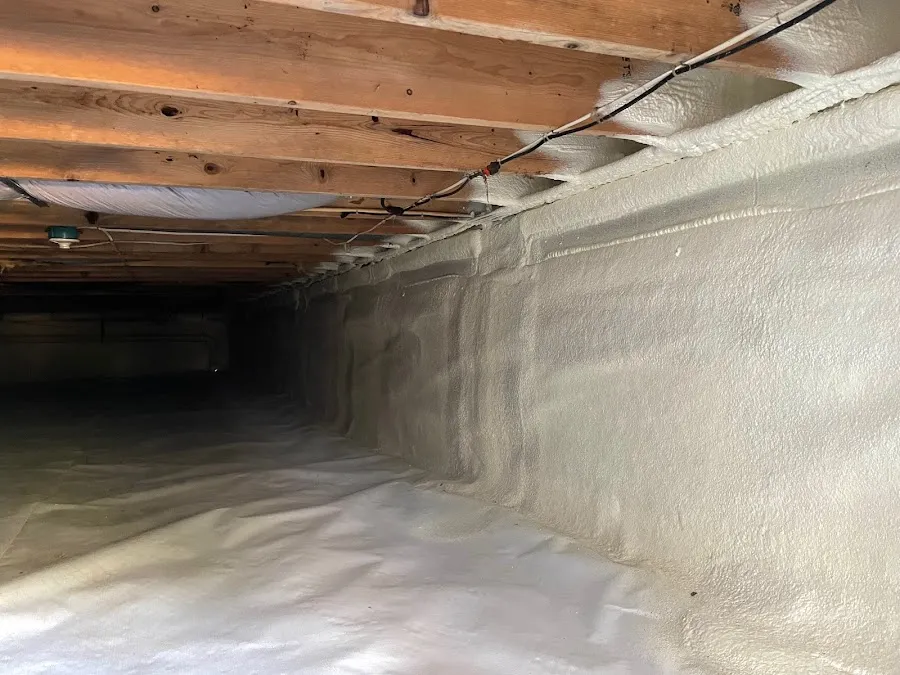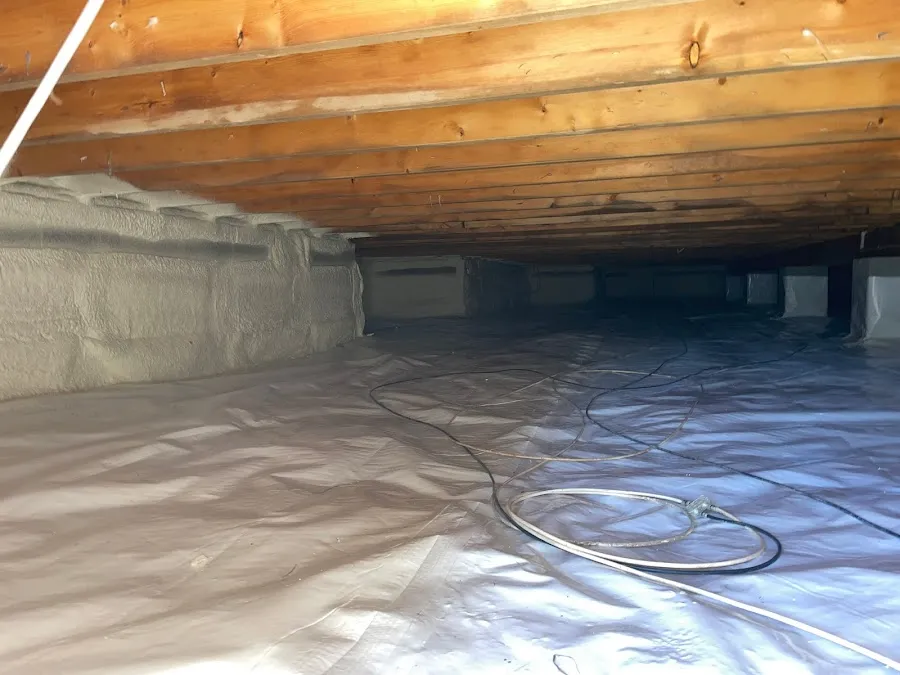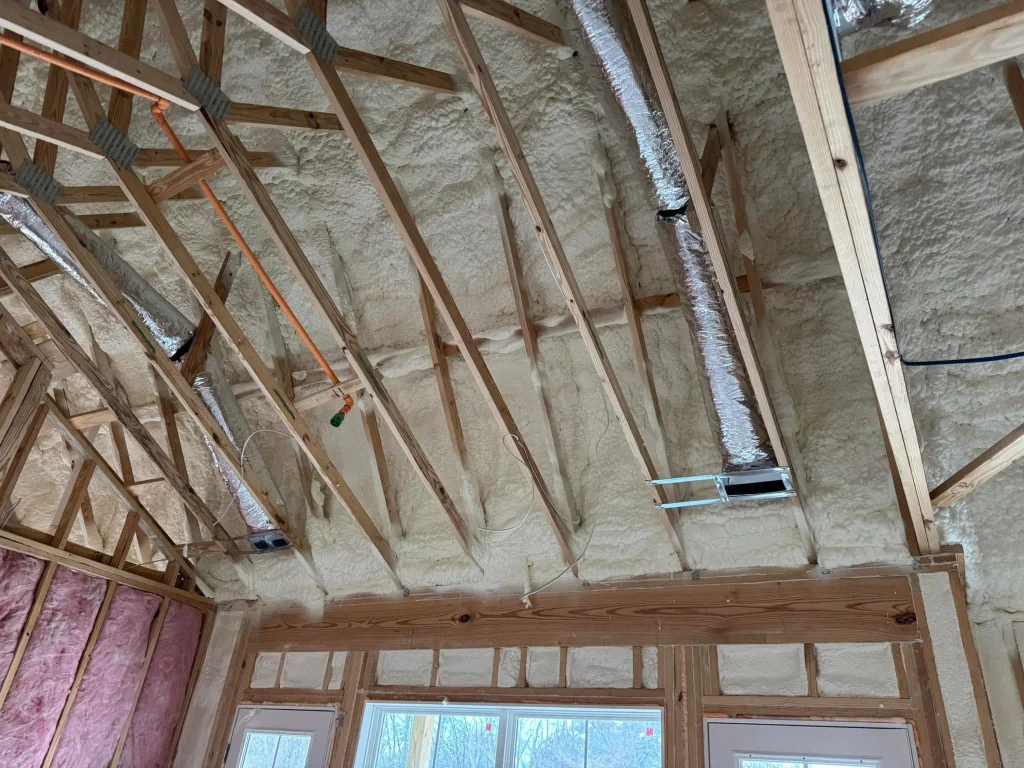
High Energy Bills? Insulation Solutions That Work in Easton, MD
High energy bills in Easton, MD, typically stem from inadequate insulation that fails to meet Climate Zone 4 requirements. Most…


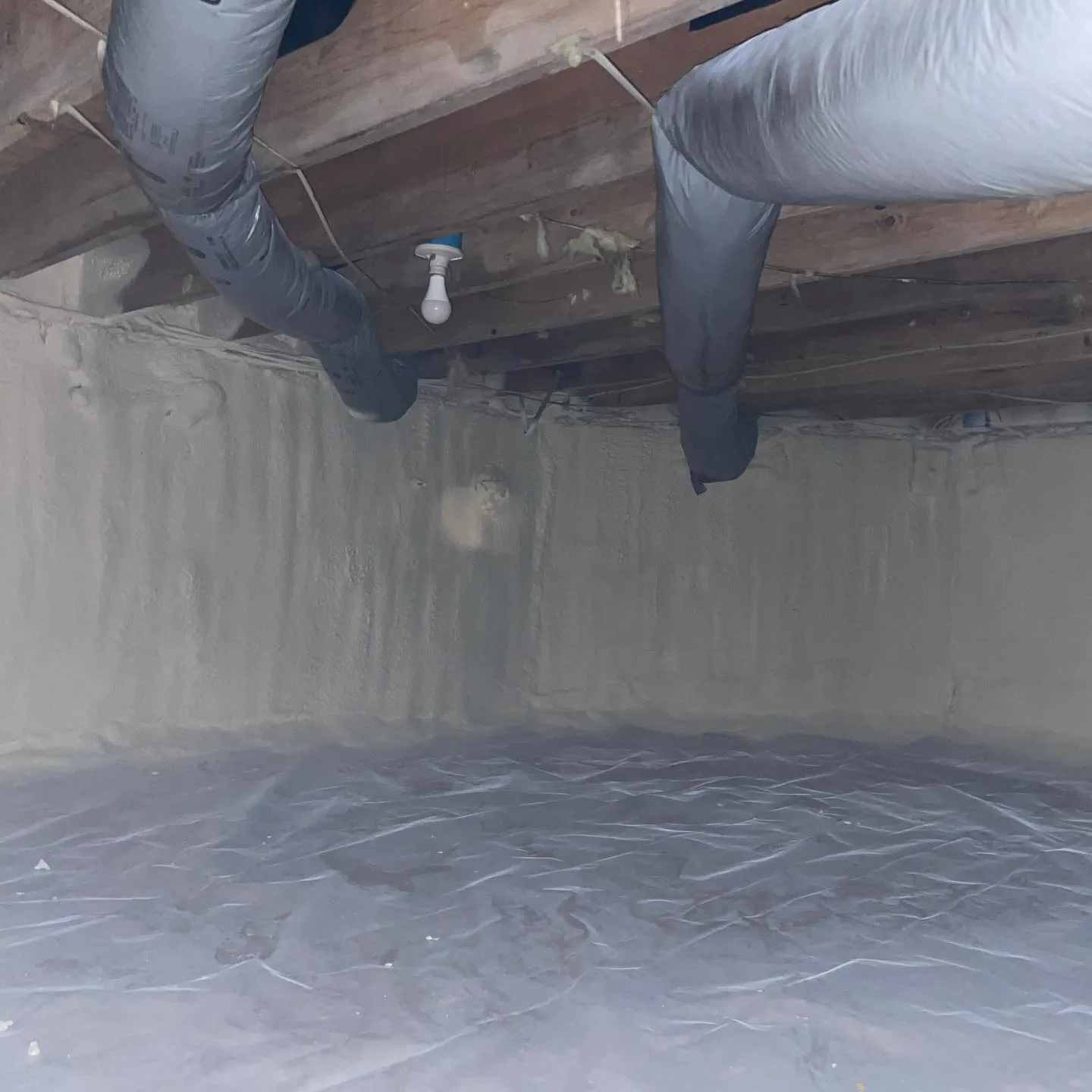
Spray foam insulation creates a powerful thermal and air barrier that directly stabilizes indoor temperatures, blocks high humidity, and eliminates drafts in retail environments. For businesses in Glen Burnie, where weather patterns shift from humid, sweltering summers to damp, cold winters, this material solves the common problem of inconsistent heating and cooling that drives customers away.
Creating a welcoming environment involves more than just setting a thermostat. It requires total control over the building envelope to ensure conditioned air stays inside and uncomfortable outdoor elements stay out. With extensive experience addressing the unique thermal dynamics of Maryland commercial structures, the following points explain how spray foam application transforms the customer experience.
Retail spaces in Anne Arundel County face distinct challenges due to the local climate. A store might be freezing in the morning and overheating by the afternoon during the shoulder seasons. Spray foam insulation offers a high R-value per inch, which measures resistance to heat flow. By resisting heat transfer more effectively than traditional fiberglass, spray foam maintains a more tightly controlled indoor environment.
According to the Department of Energy, properly installed insulation significantly reduces heat transfer, maintaining a consistent internal climate. This consistency means customers walking into a boutique or showroom are not hit with a wall of heat in July or a chill in January. The temperature remains neutral and pleasant, allowing shoppers to focus on products rather than their own physical discomfort.
High humidity is a staple of Glen Burnie summers. When moisture enters a building, the air feels heavy, sticky, and uncomfortable. Traditional insulation materials often allow moisture to pass through gaps or settle within the fibers, eventually degrading the material and reducing its effectiveness.
Spray foam acts as an impermeable air seal. Closed-cell spray foam, in particular, functions as a vapor retarder. This prevents humid outdoor air from infiltrating the retail space. Lower indoor humidity levels allow the HVAC system to cool the air more efficiently without working overtime to remove excess moisture. A dry, cool environment feels significantly cleaner and more refreshing to customers entering from the muggy outdoors.
Customers in restaurants or fitting rooms notice immediately if a draft chills them. These drafts usually occur due to air leakage around rim joists, windows, and roof-wall intersections. Air leakage undermines the HVAC system’s efforts, creating pockets of discomfort that render certain parts of a floor plan unusable.
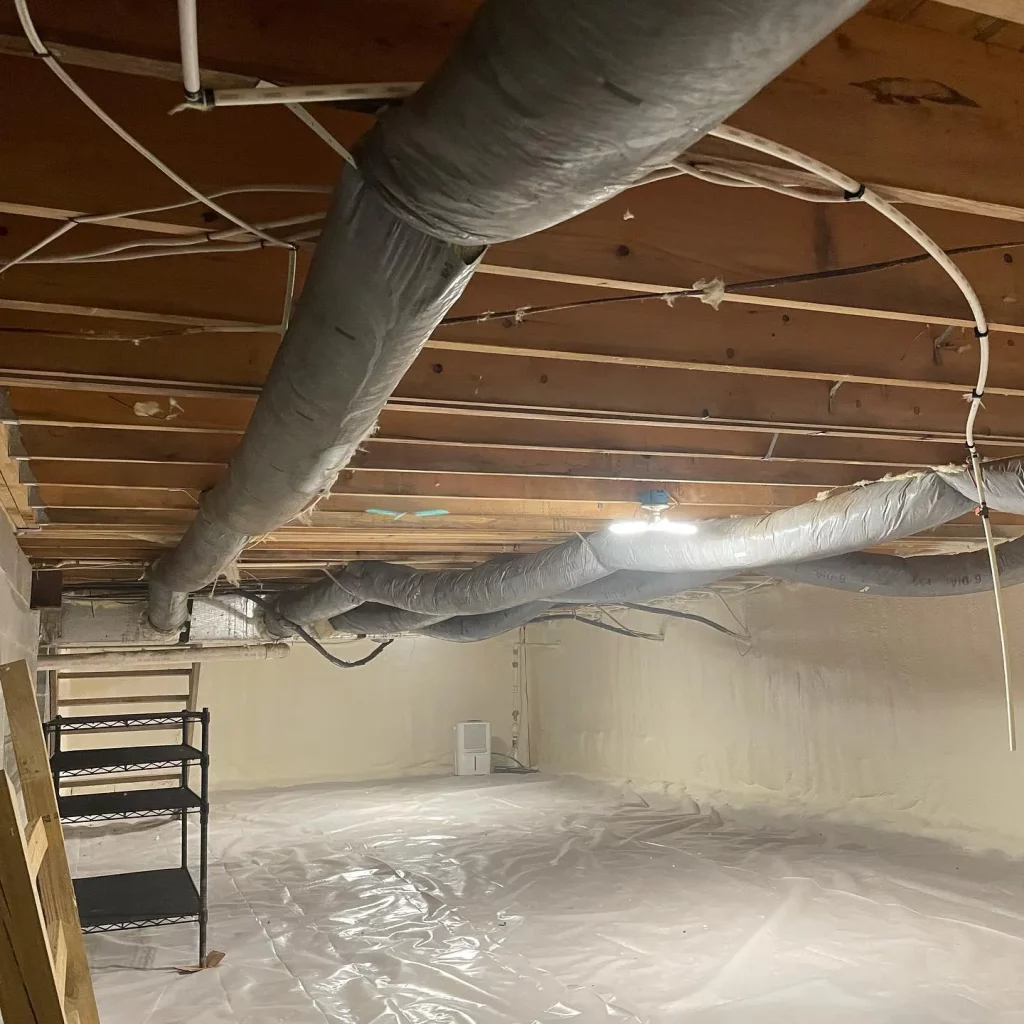
Spray foam expands up to 100 times its original volume upon application. This expansion fills cracks, crevices, and irregular shapes that rigid board or batt insulation cannot reach. Data published by Energy Star indicates that sealing air leaks is critical for improving comfort and energy efficiency. By sealing these gaps, every square foot of the retail space becomes usable by customers, maximizing the store’s functional footprint.
Retail locations situated near busy roads, such as Ritchie Highway or BWI Airport, are subject to significant noise pollution. External noise disrupts the shopping experience and makes conversation difficult. While thermal regulation is the primary function of insulation, spray foam also offers substantial acoustic benefits.
Open-cell spray foam is particularly effective at sound dampening. Its softer, sponge-like texture absorbs sound waves rather than reflecting them. This reduces the transmission of traffic noise, sirens, and heavy rain on metal roofs. A quieter store encourages customers to linger longer and reduces stress levels for both staff and shoppers.
Bonus Tip: For retail spaces with open ceiling concepts, applying black-painted open-cell foam to the roof deck creates a modern industrial look while solving echo and noise issues.
Air quality impacts how a customer feels, even if they cannot see the source of the problem. Pollen, dust, exhaust fumes, and other allergens enter buildings through the same small cracks that allow air leakage. In older Glen Burnie commercial buildings, these pollutants accumulate and circulate through the HVAC system.
By creating an airtight seal, spray foam prevents these outdoor contaminants from entering the building envelope. The Environmental Protection Agency states that controlling the sources of pollution is the most effective way to improve indoor air quality. A sealed building envelope reduces the load on air filters and ensures the air customers breathe is fresher and free from outdoor irritants.
Understanding how spray foam stacks up against other common materials helps clarify why it is the superior choice for customer comfort.
| Feature | Closed-Cell Spray Foam | Fiberglass Batts | Cellulose (Blown-In) |
|---|---|---|---|
| Air Sealing Ability | Excellent (Forms an air barrier) | Poor (Air flows through) | Moderate (Settles over time) |
| Moisture Resistance | High (Waterproof) | Low (Absorbs water) | Low (Absorbs water) |
| R-Value per Inch | High (~R-6.0 to R-7.0) | Moderate (~R-3.1 to R-3.4) | Moderate (~R-3.2 to R-3.8) |
| Structural Strength | Adds rigidity to walls/roof | None | None |
| Longevity | 80+ Years | 15-20 Years (Sags) | 20-30 Years (Settles) |
Pests are a quick way to ruin a retail reputation. Mice, insects, and other pests seek entry points to escape the weather. Soft insulation materials like fiberglass can provide nesting material for rodents.
Closed-cell spray foam cures into a dense, rigid barrier that is difficult for rodents to chew through and offers no nutritional value for insects. It does not provide a comfortable nesting environment. By sealing the entry points around utilities and foundations, the building becomes naturally more resistant to pest infestations. This unseen protection keeps the retail space sanitary and inviting.
Before scheduling an installation, business owners must evaluate specific building needs.
The timeline depends on the square footage and accessibility of the area. A typical small to mid-sized retail space often takes 1 to 3 days to complete. This includes prep work, spraying, and cleanup.
Yes. Many retail spaces use spray foam on exposed ceilings. However, building codes often require a thermal barrier or an intumescent coating (fire-retardant paint) to be applied over the foam for fire safety.
It is possible, but requires access. For existing drywall, “injection foam” is a common alternative. Standard spray foam is best applied during renovations when wall cavities are open.
Closed-cell is dense, waterproof, and has a higher R-value per inch, making it ideal for exterior walls and roofs. Open-cell is softer, less expensive, and excellent for soundproofing interior walls or roof decks where water resistance is less critical.
Customer comfort directly correlates with how long they stay and how likely they are to return. A drafty, humid, or noisy store creates friction in the shopping experience. Spray foam insulation provides a permanent solution to these environmental control issues, ensuring the physical retail space supports the business goals rather than hindering them. Evaluating the current insulation status is the first step toward a more comfortable, efficient commercial environment.
Ensuring a comfortable shopping environment starts with the right insulation strategy. Peninsula Insulation, LLC specializes in high-performance spray foam solutions for Maryland retail spaces.
Contact Information:
Reach out to discuss how improved building performance can benefit your business operations.