High Energy Bills? Insulation Solutions That Work in Easton, MD
High energy bills in Easton, MD, typically stem from inadequate insulation that fails to meet Climate Zone 4 requirements. Most…


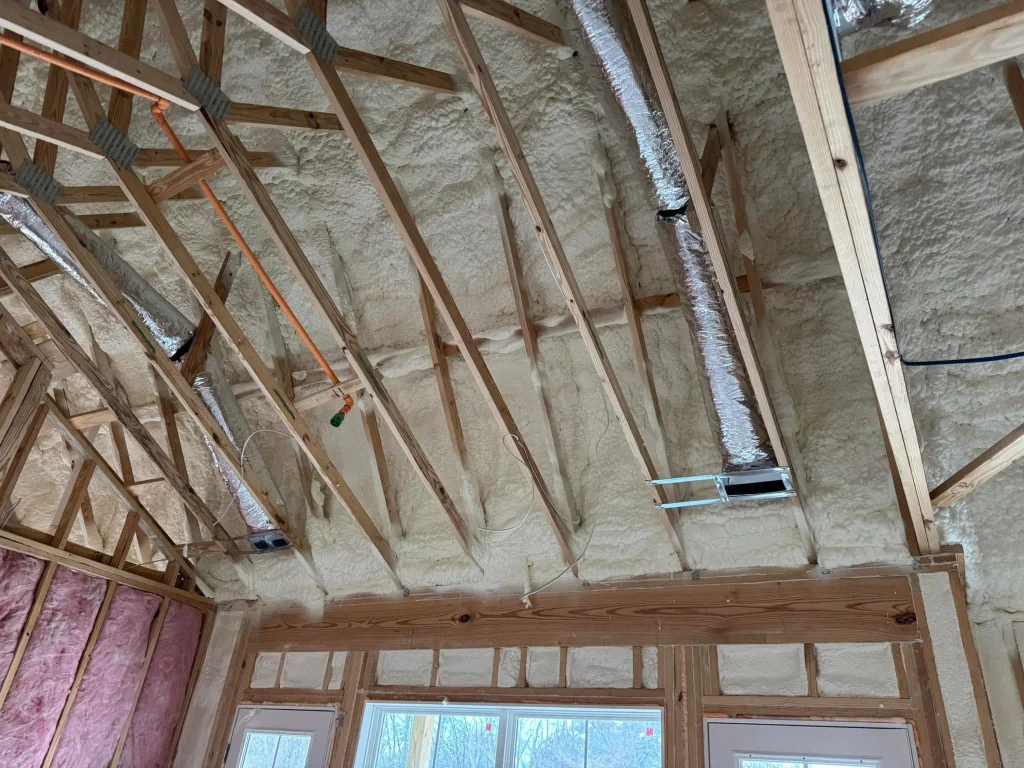
Spray foam insulation stops roof leaks caused by ice dams by creating a complete air seal and a high-performance thermal barrier directly against the underside of the roof deck. This application blocks warm indoor air from rising into the attic and heating the roof shingles from below. By keeping the roof surface temperature consistent with the cold outdoor air, spray foam eliminates the freeze-thaw cycle that creates ice dams, thereby preventing water from backing up under shingles and leaking into the home.
Ice dams are not a roofing problem but an insulation and air leakage problem. When traditional insulation allows heat to escape, it melts the bottom layer of snow on the roof. This water runs down to the cold eaves, freezes, and creates a dam that forces subsequent meltwater backward into the home structure. Peninsula Insulation, LLC, addresses this issue by focusing on the root cause: heat loss. The following information outlines the building science behind ice dams and how modern insulation technology provides a permanent solution.
Understanding the mechanics of heat loss helps explain why ice dams occur. In many homes, the attic acts as a transition zone between the conditioned living space and the outdoors. When a home uses fiberglass batts or blown-in cellulose, air gaps often form around light fixtures, plumbing stacks, and chimneys.
Heat naturally rises through a process called the stack effect. As warm air moves upward, it bypasses gaps in traditional insulation and accumulates in the attic. This raises the attic temperature well above freezing. The Department of Energy estimates that air leakage accounts for 25% to 40% of the energy used for heating and cooling, according to a report by Energy.gov. This wasted heat warms the roof deck, melting the snow sitting on top of the shingles.
As the meltwater runs down the roof, it reaches the eaves or gutters. Since the eaves extend beyond the exterior walls, they remain cold. The water freezes upon contact with this cold surface, forming a rim of ice. As this process repeats, the rim grows into a dam, trapping pools of liquid water behind it. Roof shingles are designed to shed water, not hold it. Consequently, the trapped water seeps through nail holes and gaps, leading to interior leaks.
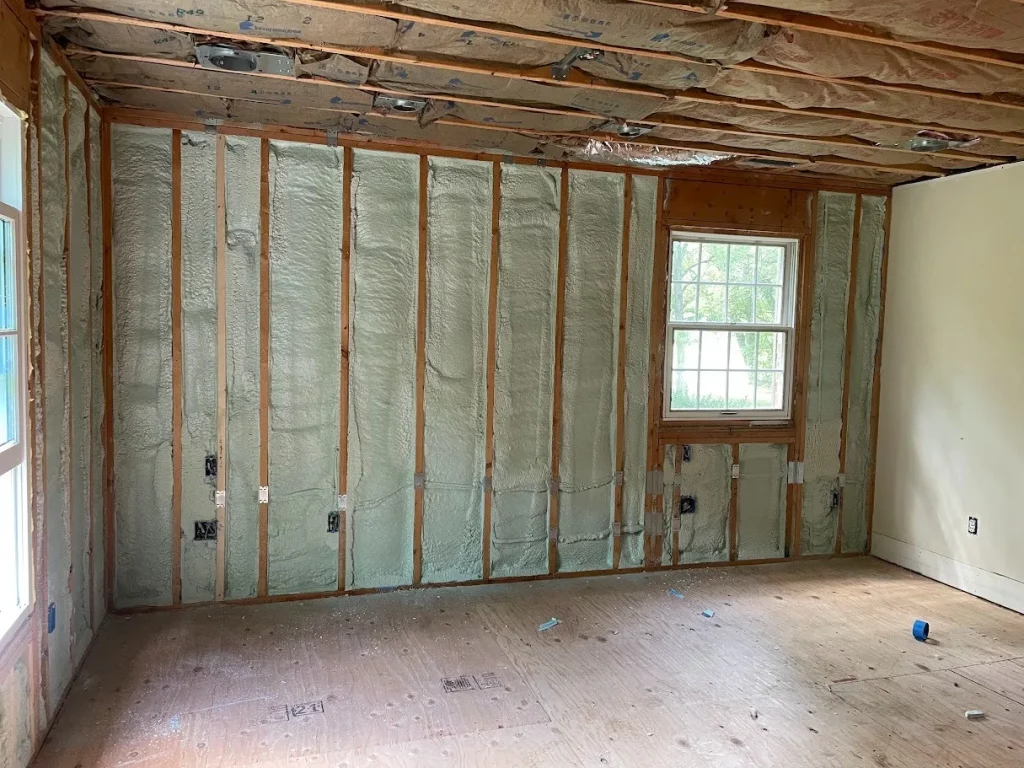
Spray foam insulation addresses the two main contributors to ice dams: air leakage and heat transfer. Unlike fibrous insulation materials, which only slow heat transfer, spray foam expands to fill cracks, crevices, and voids.
The primary defense against ice dams is stopping the flow of warm air into the attic. Spray foam adheres to the roof deck and structural members, creating a monolithic seal. This prevents warm, moist air from the living space from reaching the underside of the roof. Without a constant supply of heat from the home, the attic space remains cool.
Spray foam provides a high R-value, which measures resistance to heat flow. By insulating the underside of the roof deck, the foam prevents conductive heat transfer. Even if the attic air warms slightly, the insulation keeps that heat away from the shingles.
A study by the Building Science Corporation indicates that unvented attic assemblies constructed with spray foam effectively manage temperature differences to prevent ice damming. This approach creates a “cold roof” system where the snow on the roof remains frozen until the outdoor temperature rises enough to melt it naturally.
Bonus Tip: Take a look at your roof after a light snowfall. If you see bare patches or melted lines near the top of the roof while the eaves are still covered in snow, you likely have significant heat loss issues that could lead to ice dams.
Different insulation materials offer varying levels of protection against heat loss and ice dam formation. The table below compares common materials based on their ability to seal air and resist heat flow.
| Insulation Type | Air Sealing Ability | R-Value (per inch) | Moisture Resistance | Ice Dam Prevention |
|---|---|---|---|---|
| Closed-Cell Spray Foam | Excellent (Air Barrier) | 6.0 – 7.0 | High (Class II Vapor Retarder) | Superior |
| Open-Cell Spray Foam | Good (Air Barrier) | 3.5 – 3.8 | Moderate (Permeable) | High |
| Fiberglass Batts | Poor (Air filter, not barrier) | 3.1 – 3.4 | Low (Absorbs water) | Low |
| Blown-in Cellulose | Fair (Settles over time) | 3.2 – 3.8 | Low (Absorbs water) | Moderate |
Ignoring the signs of ice dams often leads to significant financial consequences. The damage is rarely limited to a few wet ceiling spots. Water intrusion rots roof decking, ruins insulation, promotes mold growth, and damages drywall and flooring.
Data from the Insurance Information Institute shows that about one in 50 insured homes has a property damage claim caused by water damage or freezing each year. The average cost of these claims is approximately $12,514. Investing in proper insulation acts as a preventative measure, potentially saving homeowners tens of thousands of dollars in repairs and insurance deductibles over the lifespan of the home.
Before deciding to upgrade attic insulation, homeowners should evaluate several factors specific to their property.
Closed-cell foam is generally superior for this specific application. It has a higher R-value per inch and acts as a vapor retarder. It adds structural rigidity to the roof and rejects bulk water. However, open-cell foam also works effectively to prevent ice dams by creating the necessary air seal, provided it is deep enough to meet R-value requirements.
No. The substrate must be dry (typically under 18% moisture content) for the foam to adhere properly. If the wood is wet from existing leaks, the leaks must be fixed and the wood dried before installation. Applying foam over wet wood traps moisture and leads to rot.
Most major shingle manufacturers do not void warranties solely due to the use of spray foam insulation. However, specific requirements regarding ventilation or breathable underlayment may apply. Always verify the specific terms of the shingle warranty before proceeding.
For an average-sized residential attic, removing old insulation and applying spray foam usually takes 1 to 2 days. This allows for a quick turnaround, minimizing disruption to the household.
While spray foam eliminates the heat loss that causes massive ice dams, small icicles may still form due to solar melting. If the sun melts snow on the roof and the ambient temperature drops at night, small icicles can appear. However, these are generally harmless and distinct from the large, damaging dams caused by escaping attic heat.
Ice dams are a symptom of a failed thermal envelope. Relying on scraping snow or heating cables addresses the symptom but ignores the cause. Spray foam insulation solves the problem at its source by stopping the air leakage and heat transfer that melts snow unevenly. By sealing the attic, homeowners protect their property from water intrusion and improve overall energy efficiency.
Evaluate the current state of the attic and roof deck. If uneven snow melt or large icicles are present during winter, the insulation strategy likely needs an upgrade. A secure, airtight approach offers the most reliable long-term protection against winter water damage.
Don’t wait for the next winter storm to discover a leak. Peninsula Insulation, LLC specializes in building science solutions that keep your home dry and energy-efficient. Whether you need an attic assessment or a complete insulation retrofit, we have the expertise to permanently solve ice dam issues.
Contact Us Today: