Why Crawl Space Encapsulation Matters for Asthma in Annapolis, MD
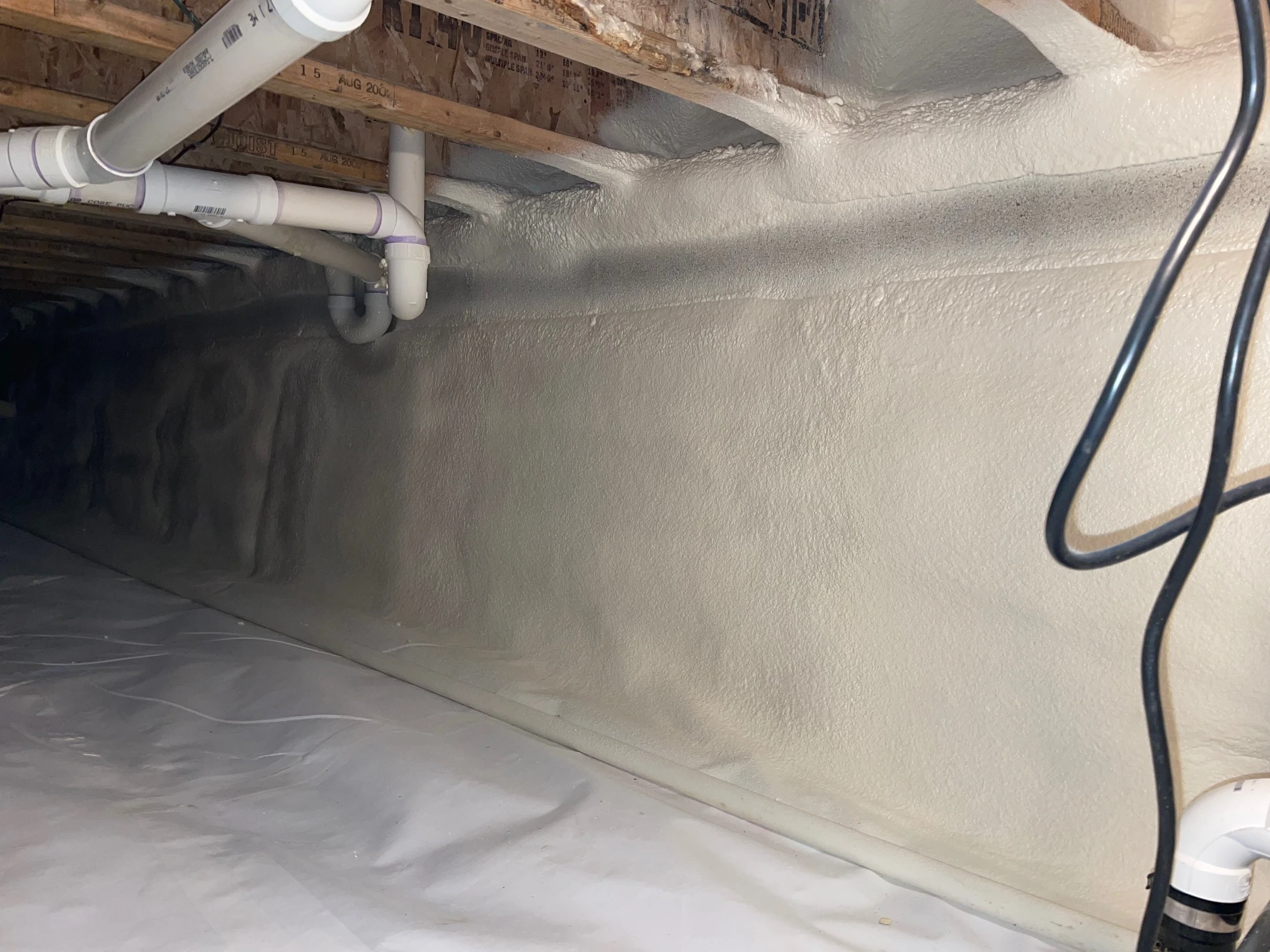
Crawl space encapsulation directly addresses the hidden source of asthma triggers in many Annapolis homes by sealing out moisture that…


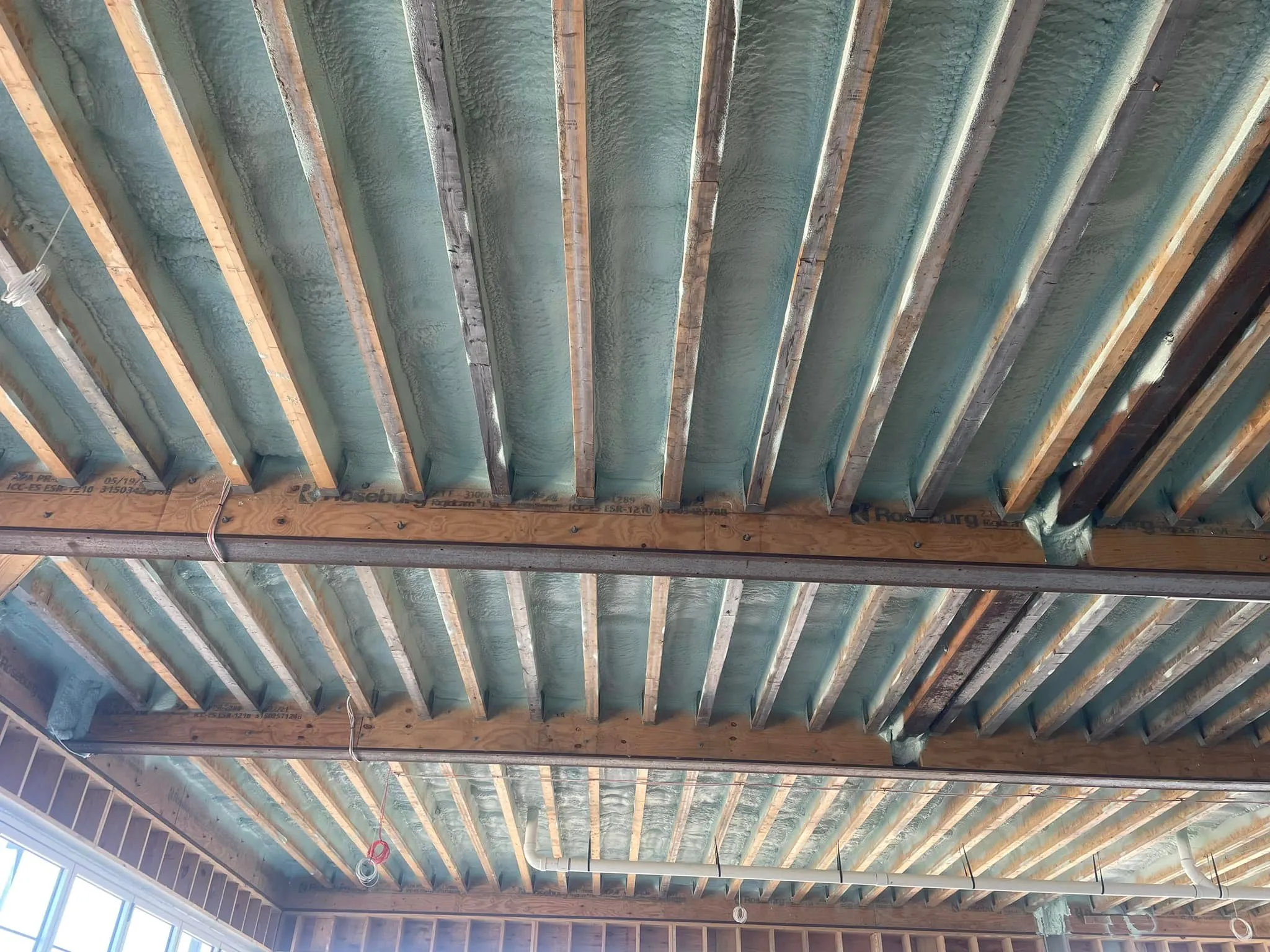
Spray foam insulation dramatically improves year-round comfort in Pasadena townhouses primarily by stopping uncontrolled air movement, which is the leading cause of uncomfortable indoor temperatures and high humidity. Achieving consistent indoor comfort requires controlling heat transfer and moisture migration, not just resisting temperature changes. Unlike traditional insulation, spray foam performs two functions simultaneously: it creates an airtight seal that eliminates drafts and thermal leaks, and it provides a high thermal resistance (R-value). This dual function is especially effective in townhouses, where heat gain often occurs through complex rooflines and shared attic spaces, ensuring interiors stay cooler in the humid Maryland summer and warmer during the cold, damp winter.
Pasadena, Maryland, falls within a climate zone characterized by high summer humidity and freezing winter temperatures. Townhouse structures often amplify these problems because they have limited exposed exterior wall space but disproportionately large roofs and multiple shared surfaces, like knee walls or attic decks. These structural features create several paths for heat loss and gain, and because they include numerous gaps, penetrations, and unsealed seams, they compromise the integrity of the thermal barrier that traditional batt insulation tries to establish.
Traditional fiberglass insulation works mainly by slowing down conductive heat flow. However, if air is allowed to flow through it (known as convection), its effectiveness drops sharply. This air leakage compromises the intended thermal barrier, resulting in noticeable temperature swings, cold spots near exterior walls in winter, and damp, stagnant air in the summer. According to building science principles, creating a tight building envelope through air sealing is just as important as R-value for achieving energy efficiency and comfort.
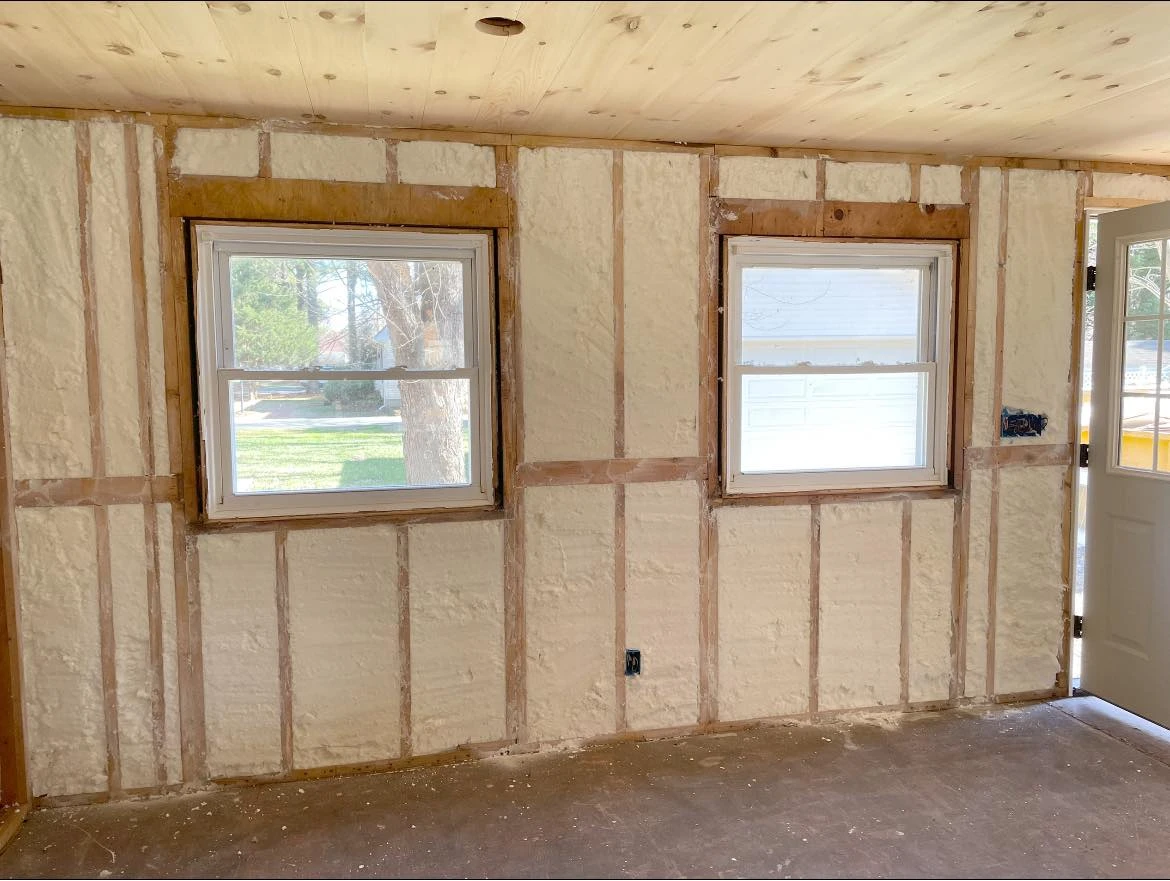
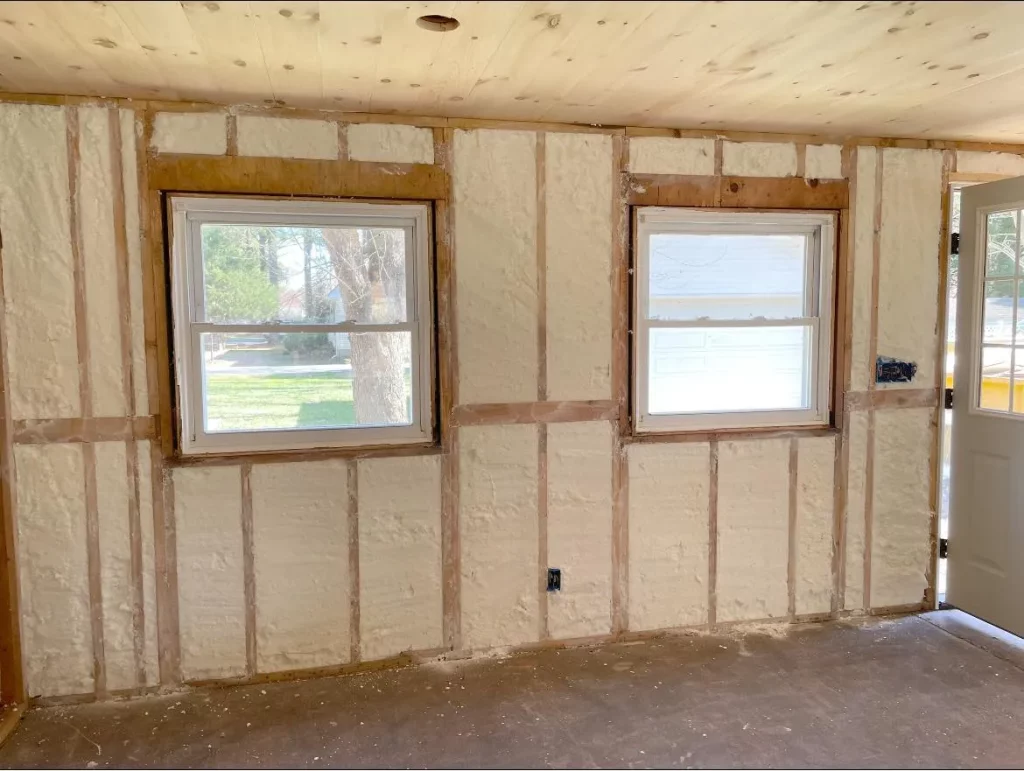
Spray polyurethane foam expands upon application, filling every void, crack, and hard-to-reach space. This expansion is critical in older or complex townhouse framing, instantly creating a monolithic barrier. Because of this unique application, spray foam insulation is classified as an air barrier material, meaning it stops air from moving through the structure and carrying heat with it. This air sealing capability is often cited as the most significant factor in energy savings and comfort improvement.
Research from the Department of Energy highlights that air leaks can account for 25% to 40% of the energy used for heating and cooling in a typical home. By stopping this leakage, the insulation ensures that the conditioned air stays inside and the unconditioned air stays out, stabilizing the indoor climate regardless of outside weather conditions.
Maryland summers bring heavy humidity, which not only makes 80 degrees feel like 90 degrees but also introduces moisture into the building structure, potentially leading to material degradation and indoor air quality concerns. Closed-cell spray foam, in particular, acts as a moisture vapor barrier, preventing humid air from condensing inside the wall cavity or attic space. This moisture control is essential for maintaining dry, healthy air quality indoors.
Bonus Tip 1: In Pasadena townhouses, focusing on sealing the attic floor or turning the attic into a conditioned space by insulating the rafters prevents hot, moisture-laden attic air from cycling down into the living areas through ceiling penetrations and chases.
To demonstrate the difference in performance, we must look beyond just R-value. Performance depends on two key factors: resistance to conductive heat flow (R-value) and the ability to stop air movement (air sealing). The table below, with data referenced from experts at Building Science Corporation, illustrates how spray foam compares to materials like fiberglass and cellulose in both regards.
| Feature | Spray Foam (Closed-Cell) | Fiberglass Batts | Dense-Packed Cellulose |
|---|---|---|---|
| Primary Function | Air Seal & Thermal Barrier | Thermal Resistance | Thermal Resistance |
| Air Barrier Status | Yes (Excellent) | No (Requires separate barrier) | Good (Density dependent) |
| Moisture/Vapor Barrier | Yes (Excellent) | No | No |
| Typical R-value per Inch | R-6.5 to R-7.0 | R-3.0 to R-4.0 | R-3.2 to R-3.8 |
| Settling/Degradation | No | Yes (Can sag over time) | Minor settling over time |
Townhouses often present complex geometry, making certain areas prone to major thermal bypasses. The following three areas are typically high-impact trouble spots that yield the most significant return on comfort investment:
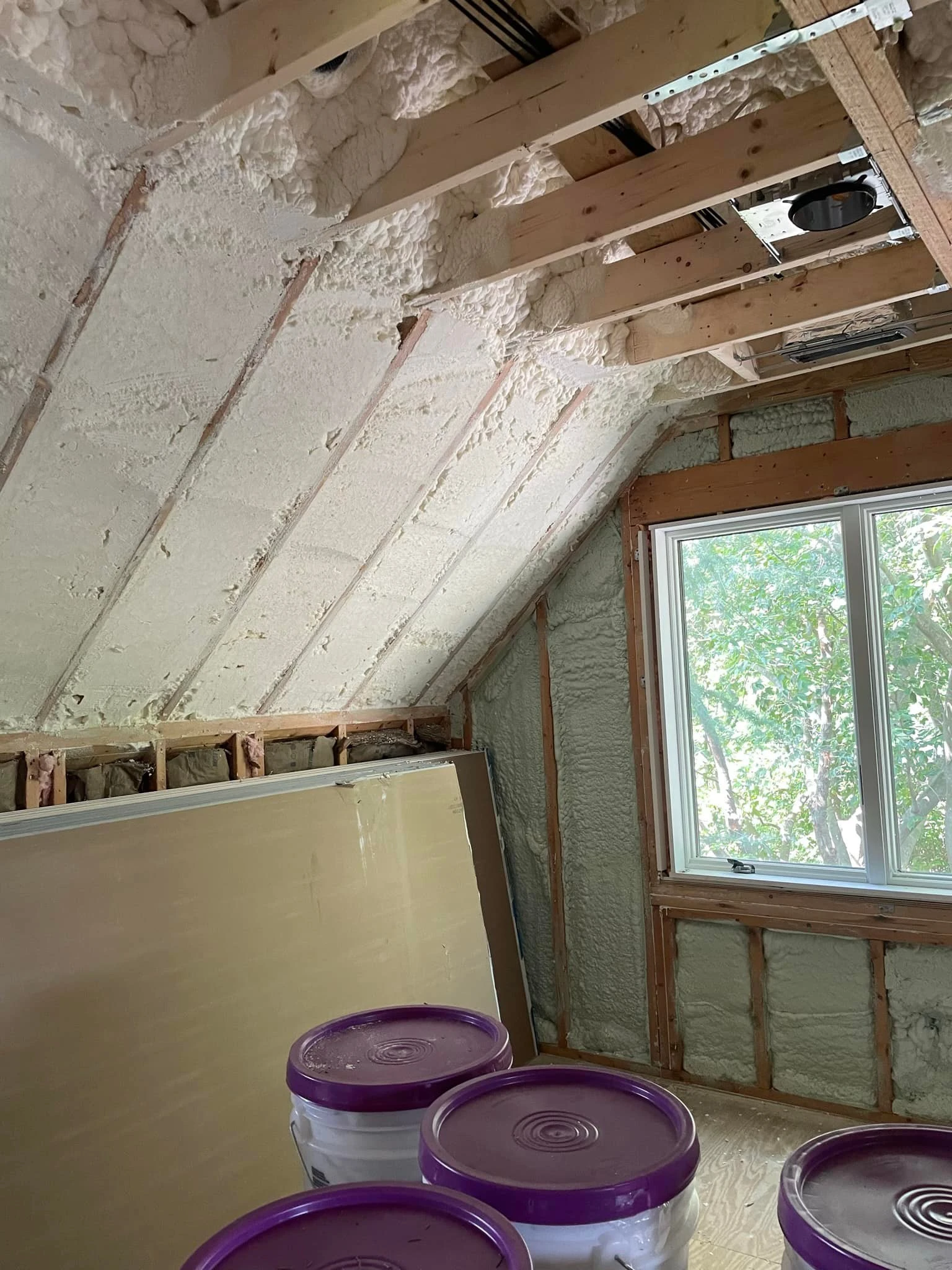
In many townhouses, the attic is currently ventilated, meaning hot, humid summer air is intended to flow through. Insulating the roof deck (the underside of the roof sheathing) moves the thermal boundary away from the ceiling of the top floor. This creates a semi-conditioned space that drastically reduces heat transfer into the home below, eliminating the extreme temperature swings commonly felt on the upper floor.
Knee walls are common in townhouses with sloped ceilings or finished bonus rooms. These short, vertical walls separate conditioned space from unconditioned attic areas. They are notoriously difficult to insulate effectively with batts, leading to cold or hot surfaces indoors. Sealing and insulating these walls with foam eliminates convection currents and ensures that the finished room maintains a consistent temperature.
Bonus Tip 2: When insulating knee walls, ensure the floor sheathing behind the wall is also sealed. Air often bypasses standard insulation by moving under the knee wall and into the wall cavity of the finished room.
The rim joist area, located where the foundation meets the framing, is one of the greatest sources of air leakage in any structure. In basements or crawl spaces, especially those in older Pasadena homes, cold, damp outside air infiltrates directly through this narrow gap. Applying a layer of closed-cell foam here provides an immediate air and moisture seal, stopping foundation air leakage and warming the floor above.
The benefits of a sealed thermal envelope extend beyond simple temperature control. Creating an air barrier helps maintain consistent relative humidity levels indoors, reducing the load on dehumidifiers and mitigating the risk of mold and mildew growth. The Environmental Protection Agency (EPA) confirms that managing moisture is the most effective way to control mold and poor indoor air quality. By stopping moisture entry, this insulation contributes directly to a healthier living environment.
Furthermore, by sealing the envelope, the house becomes less reliant on outside air movement, which means fewer outdoor pollutants, allergens, and dust particles enter the living space. When the thermal envelope is sealed, the home’s HVAC system performs more efficiently, circulating higher-quality air.
Bonus Tip 3: A well-sealed home requires a properly sized HVAC system. After implementing a high-performance insulation system like spray foam, the overall heating and cooling requirements of the townhouse usually decrease substantially, sometimes allowing the use of smaller, more efficient HVAC units.
Before deciding on an insulation strategy, consider the existing conditions of the townhouse, the age of the structure, and the long-term goals for the property. Peninsula Insulation, LLC focuses on comprehensive evaluations to determine the best material type (open-cell or closed-cell) and application areas.
Factors to review include:
Because the home is sealed, the temperature stabilizes faster and stays stable longer. This reduces the number of times the HVAC unit needs to cycle on and off to maintain the thermostat setting. The extended ‘off’ cycles save energy and reduce wear and tear on the equipment, directly increasing the life expectancy of the heating and cooling systems.
Yes. Once spray foam has fully cured (typically within 24 hours), it becomes an inert, stable, and odorless plastic. During application, trained professionals use specialized equipment and proper ventilation. Homeowners and pets are asked to vacate the premises for this 24-hour period to ensure complete curing and safety. After this period, the foam does not release harmful gases and actually contributes to better indoor air quality by sealing out external pollutants and allergens.
Absolutely. While its primary function is thermal insulation, spray foam provides significant sound-dampening benefits. Open-cell spray foam, in particular, is excellent at absorbing airborne sound waves. When applied in shared party walls between townhouse units, it can dramatically reduce the transmission of noise from conversations, televisions, and other common sounds, creating a quieter and more private living space.
Spray foam has a higher upfront cost because it is a two-in-one product: it provides both high R-value insulation and a professional-grade air seal in a single application. Traditional materials require additional labor and products to attempt to achieve a comparable level of air sealing. The long-term value comes from significant energy savings, often reducing monthly heating and cooling bills by 30-50%. This return on investment, combined with improved comfort, better air quality, and increased home durability, makes it a cost-effective choice for the life of the home.
For townhouse residents in Pasadena seeking relief from the mid-Atlantic weather extremes, addressing air leakage is the most effective path to achieving consistent comfort. By creating an air-tight, continuous thermal barrier, modern insulation moves beyond simply resisting heat flow; it actively prevents the unwanted transfer of air and moisture that causes temperature discomfort and drives up utility costs.
Considering the thermal performance, moisture control capabilities, and the longevity of the application, evaluating high-performance insulation is a logical step for anyone looking to optimize their home’s living conditions and long-term efficiency.
Making significant home improvements requires an accurate technical assessment tailored to the specific structure and climate. Peninsula Insulation, LLC works with homeowners throughout the Maryland area, providing professional analysis and application services for maximizing thermal performance. If you need assistance determining the best strategy for air sealing and insulating your townhouse, reach out via email at wil@mdsprayfoam.net or call (410) 770-2624. Getting the facts straight ensures the project meets comfort goals and delivers lasting value.