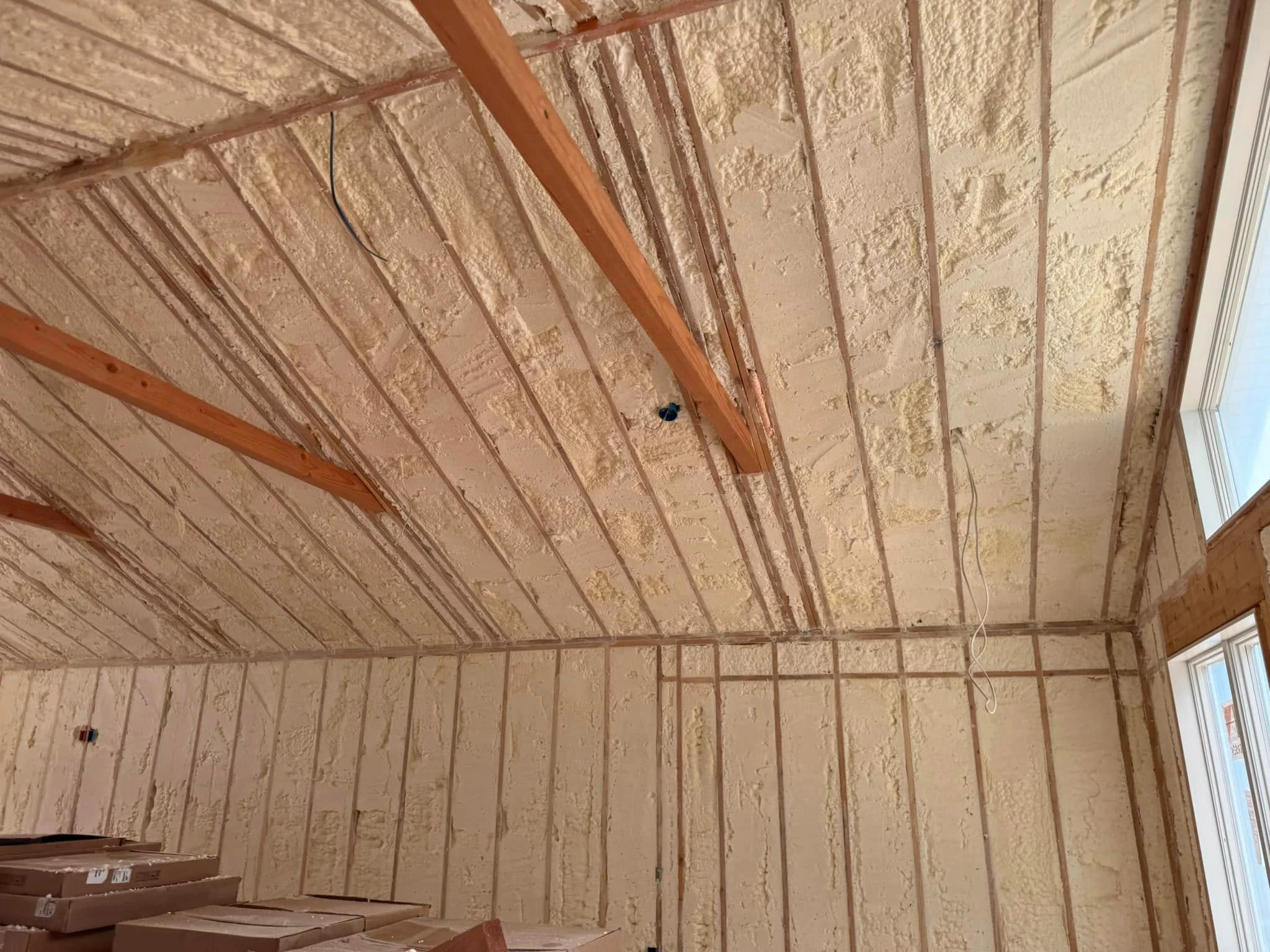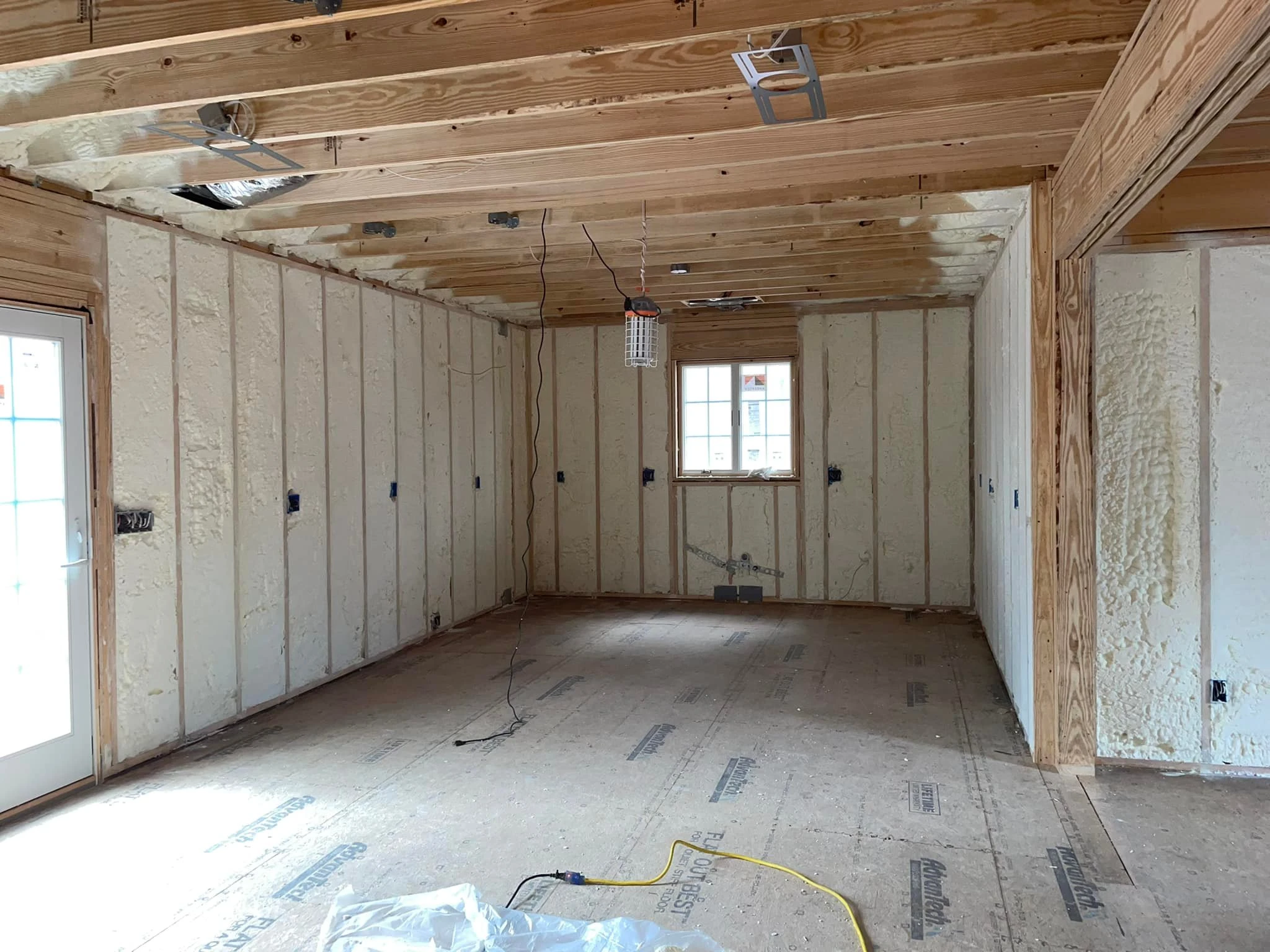
Weak Wall Insulation? How Closed-Cell Spray Foam Adds Strength in Crofton, MD
Weak wall insulation does more than waste energy. It leaves your home vulnerable to structural stress, moisture problems, and comfort…


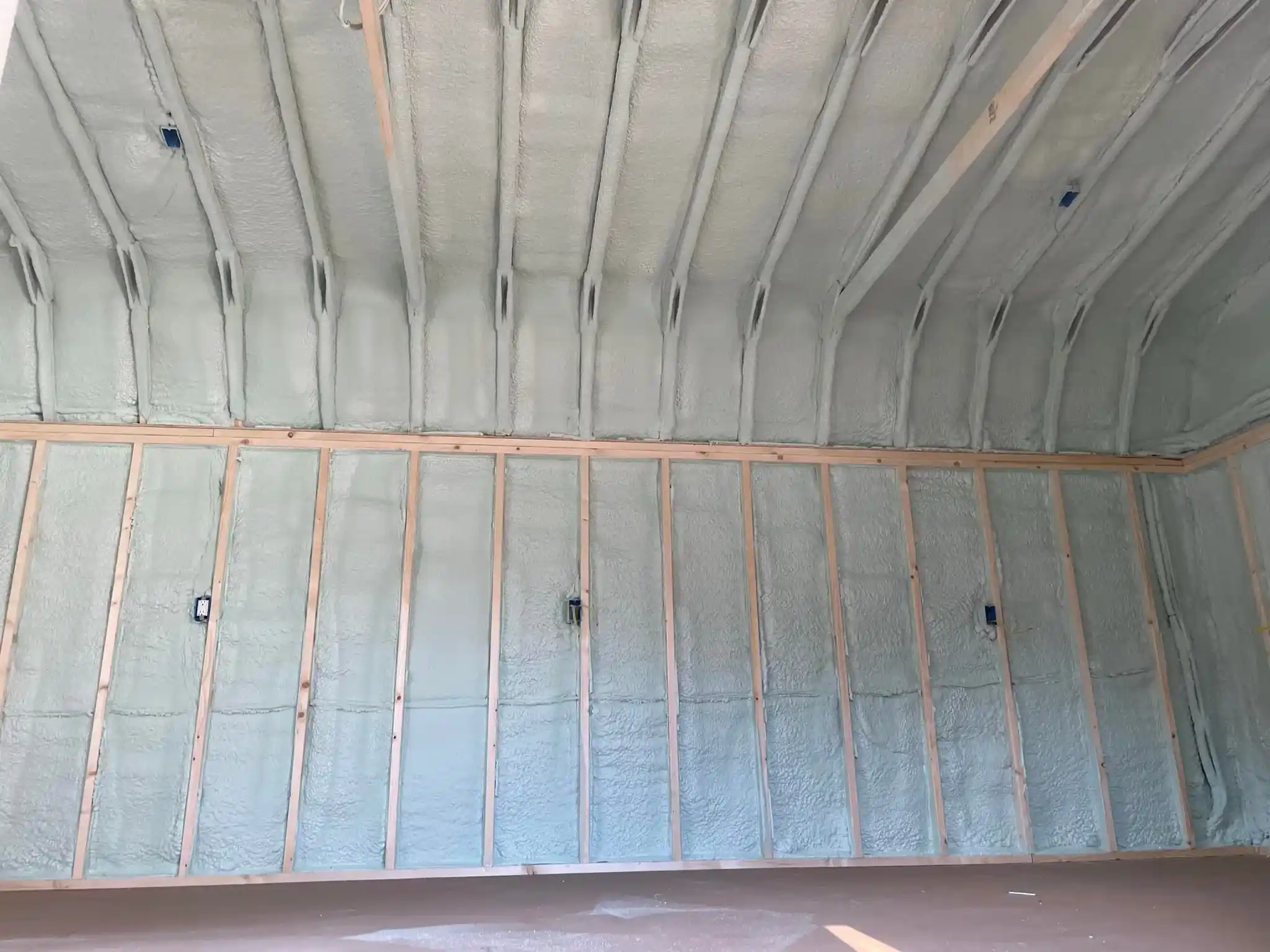
Homeowners in Bowie, MD, can significantly reduce their high utility bills by upgrading to closed-cell spray foam insulation, which provides superior thermal resistance and creates an effective air barrier in one application. Maryland residents face some of the highest energy costs in the region, with monthly bills often ranging from $400 to $900 for typical homes. Closed-cell spray foam offers an R-value of approximately 6.0 to 7.6 per inch, far exceeding that of traditional insulation materials, while also sealing air leaks that account for significant energy waste. This dual-action approach addresses both conductive heat transfer and air infiltration, delivering energy savings of up to 15% on heating and cooling costs according to ENERGY STAR.
Maryland residents consistently report higher energy bills than residents of surrounding states. Recent reports from Baltimore area homeowners show monthly utility costs ranging from $400 to $900 for homes between 1,400 and 2,000 square feet. These elevated costs stem from several factors specific to the region.
Bowie sits in Climate Zone 4A according to the Maryland Energy Code, characterized by hot, humid summers and moderately cold winters. Heating degree days (HDD) in this zone typically range from 4,000 to 5,500 annually, meaning heating and cooling systems work hard throughout the year.
Traditional insulation materials like fiberglass and cellulose resist heat transfer but do not stop air movement. Gaps around windows, doors, outlets, and wall penetrations allow conditioned air to escape while letting outside air enter. According to the University of Maryland Extension, homes with inadequate insulation and air leakage experience significantly higher heating and cooling costs because heat naturally moves toward cooler areas.
Air leaks can account for 25% to 40% of energy waste in typical homes. This means homeowners pay to heat or cool air that simply escapes through cracks and gaps before providing any comfort benefit.
Closed-cell spray foam insulation delivers performance characteristics that traditional materials cannot match. Understanding these advantages helps homeowners make informed decisions about insulation upgrades.
| Insulation Type | R-Value per Inch | Air Barrier | Moisture Barrier | Best For |
|---|---|---|---|---|
| Closed-Cell Spray Foam | R-6 to R-7.6 | Yes | Yes | Walls, roofs, crawl spaces, basements |
| Open-Cell Spray Foam | R-3.5 to R-3.8 | Yes | No | Interior walls, attics |
| Fiberglass Batts | R-2.9 to R-3.8 | No | No | Standard wall cavities |
| Blown Cellulose | R-3.2 to R-3.8 | No | No | Existing wall cavities |
| Rigid Foam Board | R-3.8 to R-6.5 | Partial | Partial | Exterior sheathing |
The higher R-value per inch of closed-cell spray foam means homeowners can achieve the required thermal resistance in less space, making it ideal for retrofit applications where wall cavity depth is limited.
Closed-cell spray foam provides three critical functions simultaneously:
Air Barrier: The foam expands to fill gaps, cracks, and voids, creating a continuous air seal that eliminates the 25% to 40% energy loss from air leakage. According to the U.S. Department of Energy, proper air sealing combined with adequate insulation represents the most effective way to improve home energy efficiency.
Vapor Barrier: Closed-cell foam has low permeance ratings, typically less than 1 perm, which qualifies it as a Class II vapor retarder. This prevents moisture vapor from migrating through walls and condensing on cold surfaces, reducing the risk of mold and structural damage.
Thermal Insulation: The high R-value per inch provides superior thermal resistance, reducing conductive heat transfer through building assemblies.
The following scenarios illustrate common situations where closed-cell spray foam delivers measurable benefits for local homeowners.
| Scenario | Home Type | Problem | Solution | Outcome |
|---|---|---|---|---|
| Drafty 1970s Colonial | 2,200 sq ft, 4BR | High heating bills, cold floors, uneven temperatures | Closed-cell foam in rim joists and crawl space | 30% reduction in heating costs, improved comfort |
| Hot Second Story | 1,800 sq ft cape cod | AC running constantly, the second floor is uncomfortable | Closed-cell foam in attic roof deck | Eliminated hot rooms, reduced cooling costs by 25% |
| High Winter Bills | 1,500 sq ft ranch | Gas bills exceeding $300/month in winter | Wall cavity spray foam retrofit | Payback in 6 years, consistent indoor temperatures |
| New Construction | 3,000 sq ft custom | Builder specified minimum code insulation | Upgrade to closed-cell foam throughout | Lower lifetime energy costs, increased home value |
| Moisture in Basement | Finished basement | Musty smell, high humidity | Closed-cell foam on foundation walls | Eliminated moisture issues, usable basement space |
The financial case for closed-cell spray foam depends on several factors, including current energy costs, home size, existing insulation levels, and climate. For Bowie homeowners facing high utility bills, the investment typically pays for itself over time.
According to ENERGY STAR research, homeowners can save an average of 15% on heating and cooling costs by air sealing their homes. When combined with the superior R-value of closed-cell spray foam, total energy savings can reach 20% to 40%, depending on the existing condition of the home.
For a Bowie homeowner paying $400 per month for electricity and $200 per month for gas during the winter months, potential annual savings could range from $720 to $1,440. Over 10 years, this represents $7,200 to $14,400 in energy cost reductions.
Several variables influence how quickly the investment pays for itself:
Professional installation ensures closed-cell spray foam performs as intended. Maryland building codes specify minimum insulation requirements by climate zone, and proper installation techniques affect both performance and safety.
Maryland’s Climate Zone 4A requires specific minimum R-values for different building components. According to the Maryland Energy Administration, only Garrett County falls into Climate Zone 5 with more stringent requirements. Most Maryland homes, including those in Bowie, fall under Zone 4A requirements.
Closed-cell spray foam requires precise mixing ratios, proper substrate temperatures, and adequate ventilation during application. According to building science research from Oak Ridge National Laboratory, proper installation of spray foam insulation delivers measurable energy savings in existing homes. Improper installation can result in:
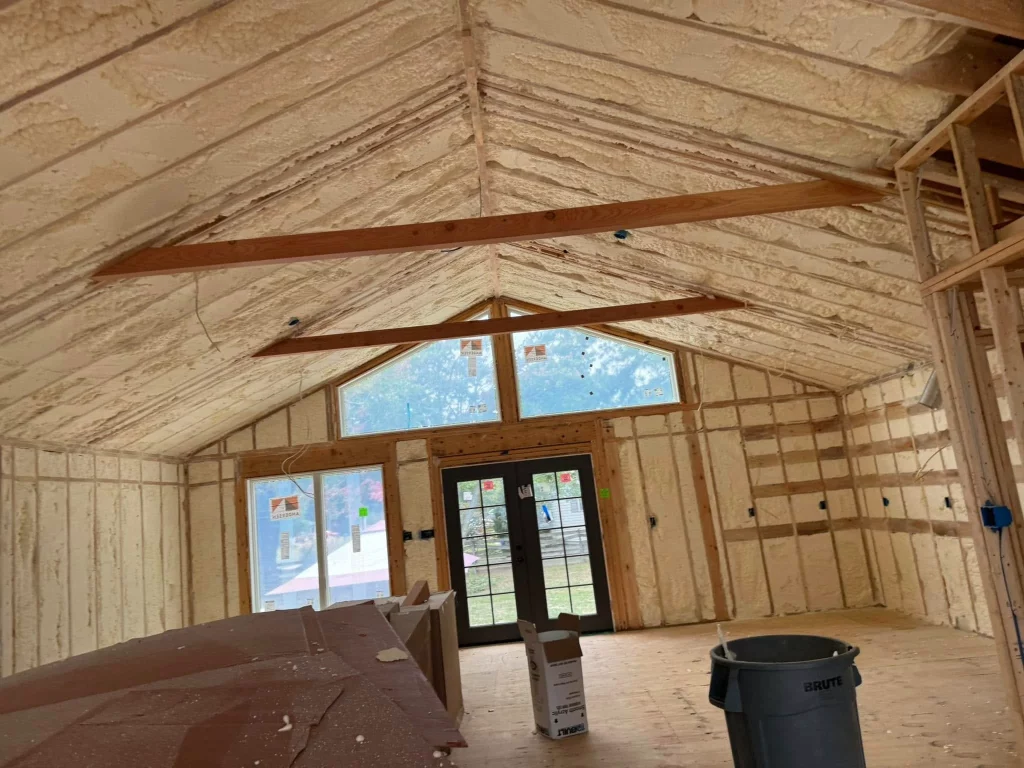
Homeowners considering closed-cell spray foam insulation can take specific steps to evaluate options and maximize return on investment.
Professional energy audits identify where your home loses energy and prioritize improvement opportunities. Audits typically include blower door testing to measure air leakage and infrared imaging to reveal insulation gaps.
Focus first on areas with the greatest energy loss:
Obtain detailed quotes from multiple insulation contractors. Ensure quotes specify:
Some Maryland utility companies and state programs offer incentives or financing for energy efficiency improvements. The City of Bowie maintains information about local energy efficiency programs and resources.
Choose contractors with specific experience installing closed-cell spray foam. Proper training affects both performance and safety.
Understanding variables that influence closed-cell spray foam performance helps homeowners set realistic expectations and work effectively with contractors.
Installing the correct foam thickness directly impacts R-value. One inch of closed-cell foam provides approximately R-6 to R-7.6. Building code requirements for wall assemblies typically call for R-13 to R-21, requiring 2 to 3 inches of closed-cell foam in most applications.
Temperature and humidity affect foam expansion and curing. Professional installers monitor conditions and adjust equipment settings to ensure proper application regardless of weather.
Surfaces must be clean, dry, and free of contaminants for foam to adhere properly. Existing insulation, debris, and moisture can compromise adhesion and performance.
Older homes may have structural issues, moisture problems, or existing insulation that must be addressed before spray foam application. Comprehensive assessment prevents costly surprises and ensures lasting results.
Closed-cell spray foam maintains its R-value and performance characteristics for the life of the building when properly installed. Unlike fiberglass or cellulose, which can settle or degrade over time, spray foam adheres permanently to substrate materials and does not compress or shift.
Yes, closed-cell spray foam can be installed in existing walls through small access holes drilled from interior or exterior surfaces. This retrofit approach fills wall cavities completely and provides both insulation and air sealing without requiring complete wall removal.
While closed-cell spray foam costs more upfront than fiberglass, the combination of higher R-value, air sealing, and moisture barrier properties delivers superior long-term value. Most homeowners recoup the investment difference through energy savings within 5 to 10 years.
Closed-cell spray foam addresses many causes of uneven temperatures, including air leakage, inadequate insulation, and thermal bridging through framing. By creating a continuous thermal and air barrier, spray foam helps maintain consistent temperatures throughout the home.
In most Maryland applications, closed-cell spray foam does not require an additional vapor barrier because it qualifies as a Class II vapor retarder with permeance below 1 perm. However, building codes and specific wall assembly requirements should be verified for each project.
Peninsula Insulation, LLC specializes in closed-cell spray foam installation for Bowie, MD homeowners tired of watching their hard-earned money escape through poorly insulated walls and ceilings. Our experienced team understands the specific challenges of Climate Zone 4A homes and delivers installations that meet or exceed Maryland energy code requirements. Contact us at (410) 770-2624 or email wil@mdsprayfoam.net to schedule your consultation and discover how much you could save with professional spray foam insulation.