Why Crawl Space Encapsulation Matters for Asthma in Annapolis, MD
Crawl space encapsulation directly addresses the hidden source of asthma triggers in many Annapolis homes by sealing out moisture that…


Crawl space encapsulation stops rust on metal support columns by creating a physical barrier that blocks moisture from reaching the steel. The process involves sealing the crawl space with heavy-duty vapor barriers and closing off all air leaks, thereby reducing relative humidity to below 50%. In Cambridge, MD’s humid coastal climate, this moisture control prevents the chemical reaction between iron, oxygen, and water that causes corrosion. Without encapsulation, metal columns in crawl spaces typically develop rust within 5-10 years, leading to structural weakening and expensive repairs.
This guide explains the science behind rust formation in crawl spaces, details how encapsulation works as a long-term solution, and provides practical considerations for homeowners in Cambridge, MD. The information comes from years of hands-on experience with coastal Maryland properties, where salt air and high humidity create especially challenging conditions for metal building components.
Metal support columns rust because of electrochemical corrosion. When iron reacts with oxygen and water, it forms iron oxide, commonly known as rust. Crawl spaces provide perfect conditions for this process through standing water, high humidity, and condensation. The metal columns act as anodes and cathodes in tiny galvanic cells, with moisture serving as the electrolyte that allows electrons to flow and corrosion to occur.
In Cambridge, MD, the problem worsens due to the area’s average summer humidity of 72% and its proximity to saltwater environments. Salt acts as a corrosion accelerator, significantly speeding up the rusting process. When groundwater rises during heavy rains, which Cambridge receives about 45 inches annually, it can pool in crawl spaces and create direct contact between water and metal supports.
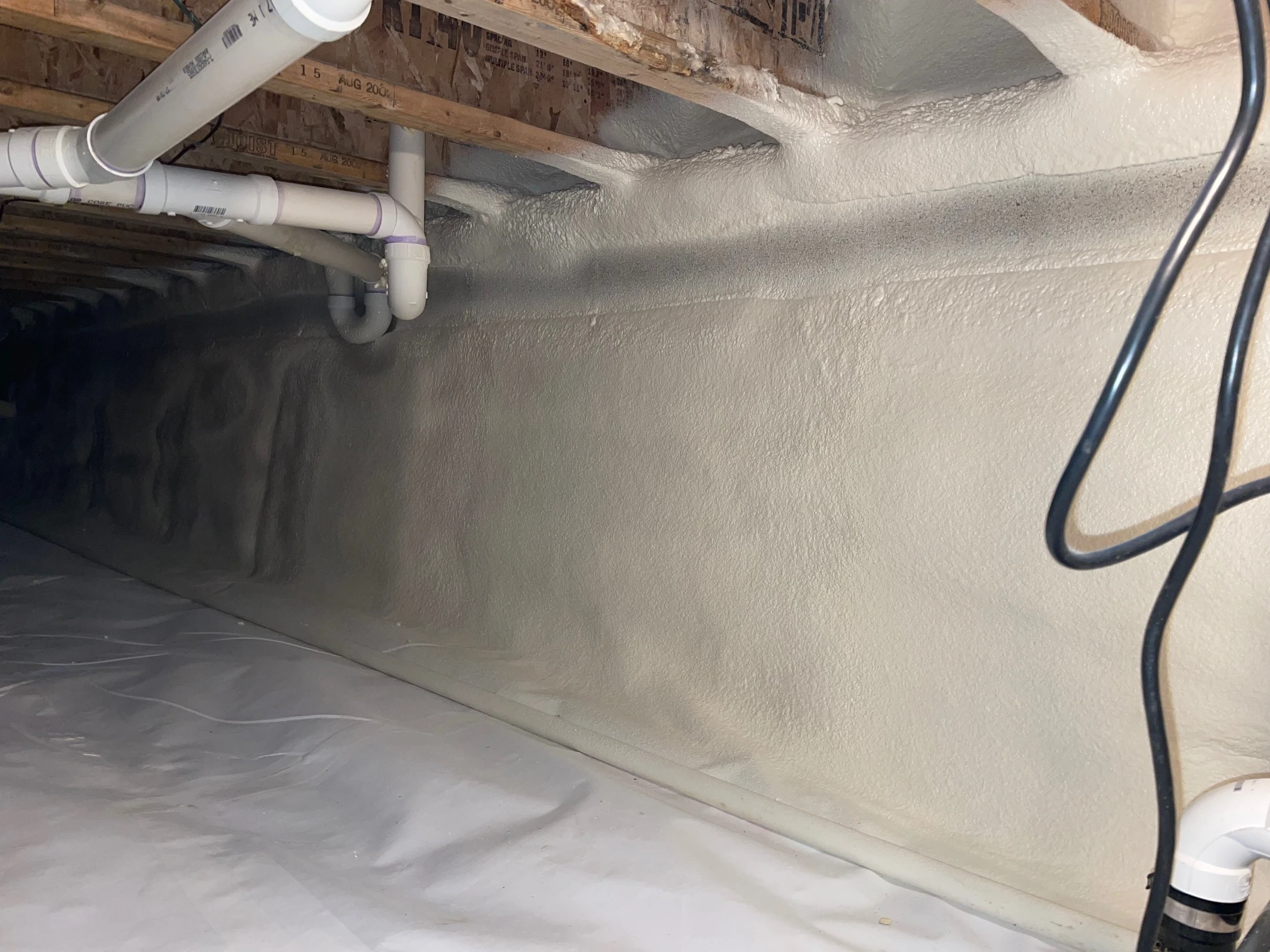
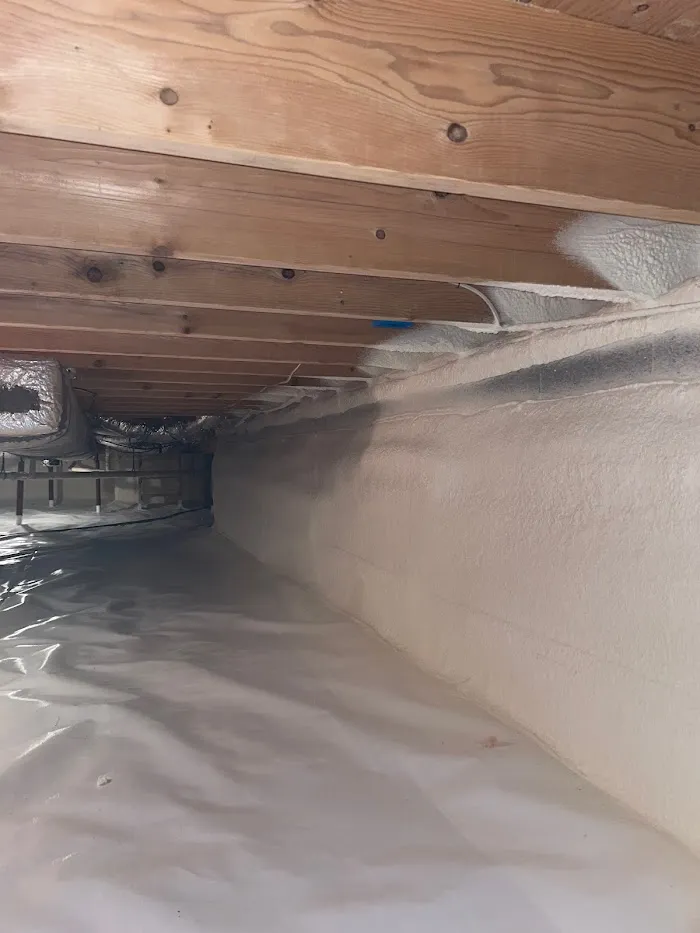
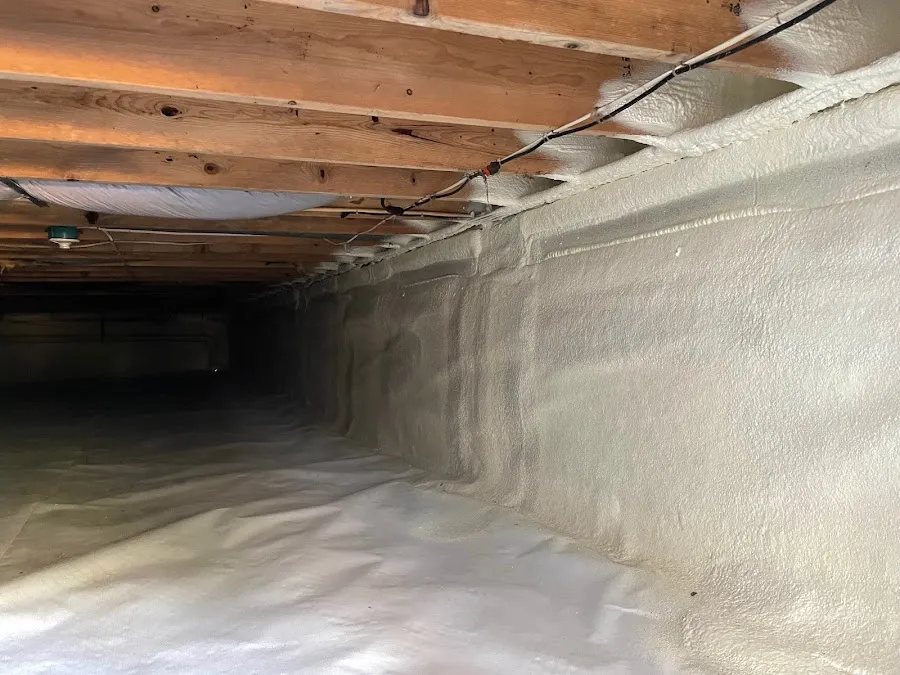
Encapsulation transforms a damp crawl space into a controlled, dry area. The installation process starts with covering the ground with a 20-millimeter-thick plastic vapor barrier that extends up the foundation walls. All seams are sealed with special tape, creating a continuous moisture-proof envelope. The system also includes sealing foundation vents, covering rim joists with foam board, and installing a dehumidifier sized for the space’s cubic feet.
The vapor barrier stops moisture from evaporating from the soil into the air. Foundation vent sealing prevents hot, humid outside air from entering during the summer months. The dehumidifier maintains relative humidity between 40-50%, which is too dry for corrosion to occur effectively. Combined, these elements work together to break the rust triangle of iron, oxygen, and water.
Cambridge’s location on the Eastern Shore presents unique challenges. The water table sits relatively high, often just 2-3 feet below grade, which means groundwater pressure can push moisture through foundation walls. Additionally, the Choptank River and Chesapeake Bay influence local humidity patterns, creating consistently damp conditions year-round.
Local building codes require specific ventilation standards that can conflict with encapsulation best practices. Cambridge homes built before 2000 often have masonry foundations with more moisture transmission compared to modern poured concrete. These older properties typically need additional sealing measures, such as waterproofing membranes on foundation walls, before encapsulation.
| Method | Effectiveness Against Rust | Longevity | Installation Complexity |
|---|---|---|---|
| Basic Ventilation | Low | 5-10 years | Low |
| Vapor Barrier Only | Medium | 10-15 years | Medium |
| Full Encapsulation | High | 20-25 years | High |
| Encapsulation + Dehumidifier | Very High | 25+ years | High |
Bonus tip: For Cambridge homes within a mile of waterways, consider upgrading to marine-grade vapor barriers that offer better resistance to salt air penetration.
Before investing in encapsulation, assess the current condition of your crawl space. Look for visible rust on columns, water stains, efflorescence on walls, or musty odors. Check the home’s history of moisture problems and any previous attempts at waterproofing. Consider the age of your home and the type of foundation, as these factors affect installation approach and costs.
Next, evaluate your immediate and long-term goals. If you plan to sell the home within 5 years, encapsulation might not yield a sufficient return on investment. However, for homeowners planning to stay in their Cambridge property long-term, encapsulation protects structural integrity and prevents expensive foundation repairs down the road.
Bonus tip: Document the current condition of your metal support columns with photos before starting any encapsulation project. This provides a baseline for evaluating effectiveness over time.
Encapsulating your crawl space offers measurable financial returns beyond rust prevention. According to data from the U.S. Department of Energy, crawl space encapsulation can reduce energy costs by 15-20% by eliminating drafts and reducing HVAC system load. For a typical Cambridge home, this translates to $300-500 in annual energy savings.
The structural benefits extend beyond metal columns. Wood joists and subfloors stay dry, preventing rot and wood-destroying insect infestations. Home insurance companies sometimes offer discounts for homes with encapsulated crawl spaces due to reduced risk of structural damage. Additionally, encapsulation can increase home resale value, with real estate studies showing a 3-7% return on investment at sale time.
Rust on metal support columns poses real structural risks for Cambridge, MD, homeowners, but crawl space encapsulation offers a proven, long-term solution. By controlling moisture through comprehensive sealing and dehumidification, encapsulation stops the corrosion process before it compromises your home’s foundation. The investment pays dividends through energy savings, improved indoor air quality, and prevention of expensive structural repairs.
Before deciding, evaluate your home’s specific moisture issues, consider your long-term plans, and consult with professionals experienced in Cambridge’s unique coastal challenges. Properly installed encapsulation provides peace of mind knowing your home’s structural support system remains protected from the damaging effects of our humid Eastern Shore climate.
For homeowners in Cambridge, MD seeking expert evaluation of crawl space moisture issues, Peninsula Insulation, LLC provides comprehensive assessments and encapsulation solutions. Our team understands local climate challenges and building practices specific to Dorchester County. Contact wil@mdsprayfoam.net or call (410) 770-2624 to schedule an inspection and receive a detailed analysis of your crawl space condition and recommended moisture control strategies.
During extreme weather events, encapsulation provides protection but has limits. The vapor barrier prevents groundwater from evaporating into the crawl space, but severe flooding can overwhelm drainage systems. Installing a sump pump with battery backup provides additional protection during power outages common in coastal storms.
Properly designed encapsulation includes radon mitigation features. The system can be designed with a vent pipe and fan that actively removes radon gas from beneath the vapor barrier. Cambridge has moderate radon risk levels, so testing before encapsulation is recommended.
While some homeowners attempt DIY installation, professional results require specialized tools and knowledge. Complex areas like plumbing penetrations, HVAC ductwork, and foundation vent sealing present challenges that affect long-term performance. Most professionals also warrant their work, providing protection against future issues.
Encapsulated crawl spaces typically receive favorable inspection reports. Inspectors note the improved moisture control, reduced pest access, and maintained structural elements. However, ensure proper documentation of the encapsulation system, including maintenance records for the dehumidifier.
Maintenance is minimal but important. Check dehumidifier filters every six months and clean as needed. Inspect vapor barrier seams annually for any gaps or damage. Ensure sump pumps (if installed) function properly by testing quarterly. Professional inspections every 3-5 years help catch small issues before they become problems.