Why Crawl Space Encapsulation Matters for Asthma in Annapolis, MD
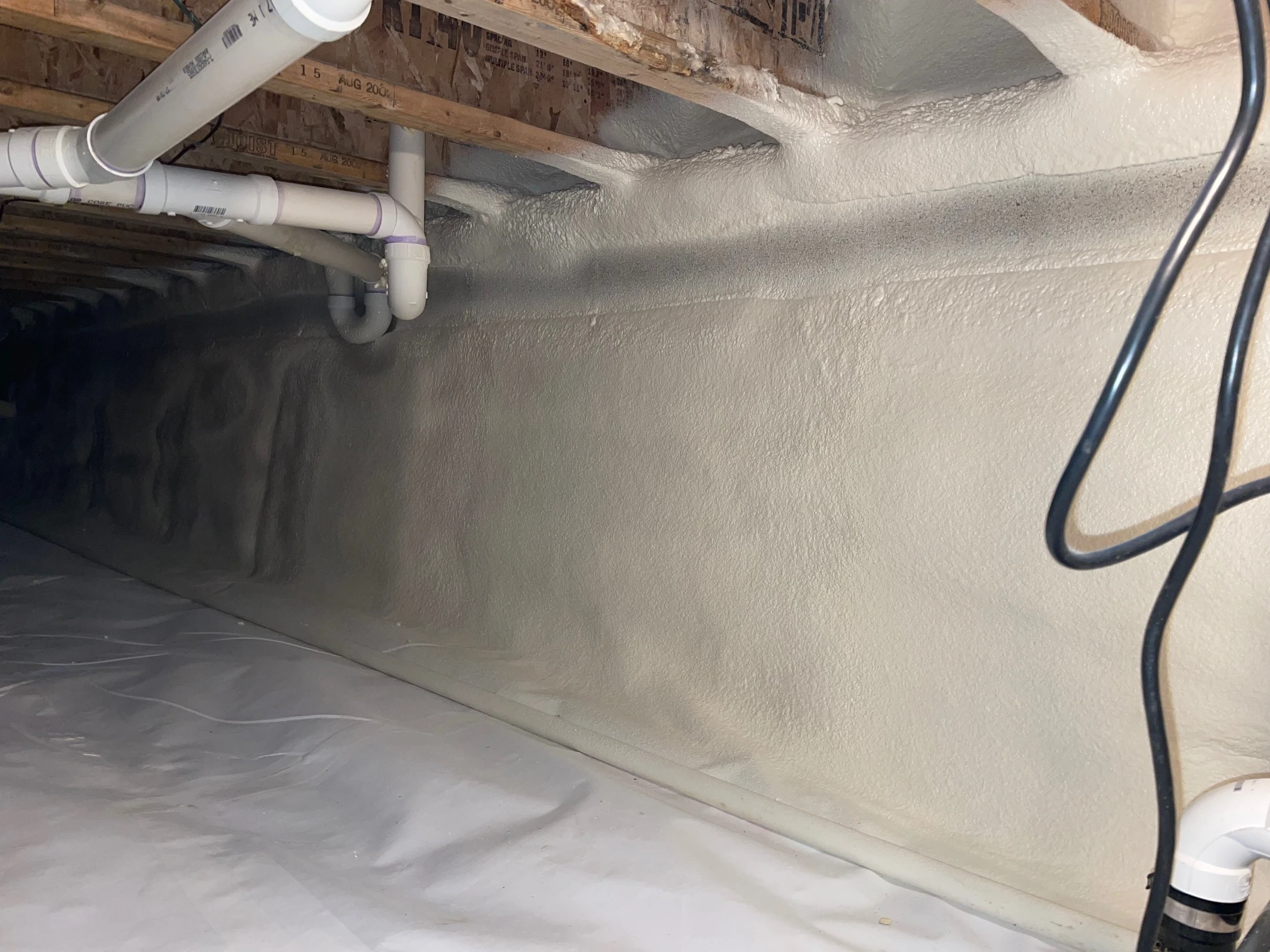
Crawl space encapsulation directly addresses the hidden source of asthma triggers in many Annapolis homes by sealing out moisture that…


Hidden heat loss is often the biggest factor in high energy bills, and insulation’s primary job is not just resisting heat transfer but physically stopping air movement through structural flaws.
While many people focus on the R-value, which measures resistance to heat flow through a material (conduction), the most significant cause of wasted energy is air leakage, or convection. Insulation, particularly types designed to create an air seal, plugs the tiny, often unseen openings in the building envelope that allow conditioned air to escape and unconditioned air to infiltrate.
Understanding Heat Transfer: Conduction Versus Air Leakage The building envelope controls the climate inside a structure, but it faces constant threats from three forms of heat transfer: conduction, radiation, and convection. Traditional insulation, like fiberglass batts, is highly effective at slowing conduction, which is heat passing directly through solid materials. However, if those batts are poorly installed or if there are gaps around them, they do almost nothing to stop convection.
Convection is the movement of heat energy carried by air or liquids. In a structure, this happens when air moves through gaps, cracks, and holes in the walls, floors, and ceiling. This pressurized air movement can carry heat out in the winter or bring heat in during the summer, bypassing the thermal barrier entirely. For energy efficiency, stopping air movement is usually far more impactful than simply increasing R-value alone.
Air Movement: The Primary Energy Culprit air leakage often accounts for 25% to 40% of the energy used for heating and cooling in typical homes, according to data collected by the Department of Energy. These leaks occur because buildings are not airtight boxes; they are assemblies of materials (wood, drywall, siding) that meet imperfectly. The pressure difference between the inside and the outside, driven by wind and temperature differences (the stack effect), constantly pushes and pulls air through these gaps.
Most structures have common leakage points that homeowners rarely see. These include:
To effectively counter these vulnerabilities, insulation materials that expand or conform to these irregular shapes are the most effective at stopping this convection. The ability of insulation to serve as an air barrier is critical to maximizing energy savings.
Prioritize sealing gaps near the top and bottom of the structure. Due to the stack effect, warm air rises and escapes through the attic, drawing cold air in through the lower floors and basement/crawlspace. Sealing these areas yields the fastest results.
Different Insulation Types and Their Air Sealing Capabilities
Not all insulation materials are created equal when it comes to blocking air movement. Some rely heavily on a separate air sealing step, while others inherently serve as the air barrier once installed. Peninsula Insulation, LLC focuses on comprehensive coverage that seals these gaps first, then provides the necessary thermal resistance. The table below details how various popular materials perform in terms of air sealing.
| Insulation Type | Primary Heat Resistance | Air Barrier Effectiveness | Ideal Application |
|---|---|---|---|
| Open-Cell Spray Foam | Convection and Conduction | Excellent (Requires proper installation) | Walls, Interior Spaces, Basements |
| Closed-Cell Spray Foam | Conduction | Superior (Inherent air seal) | Exterior Walls, Roof Decks, Foundation |
| Fiberglass Batts | Conduction | Poor (Requires separate air sealing) | Standard Walls, Attics (Must be paired with caulk/foaming) |
| Cellulose | Conduction/Convection | Moderate (Requires dense packing) | Existing Walls, Attics (Can settle over time) |
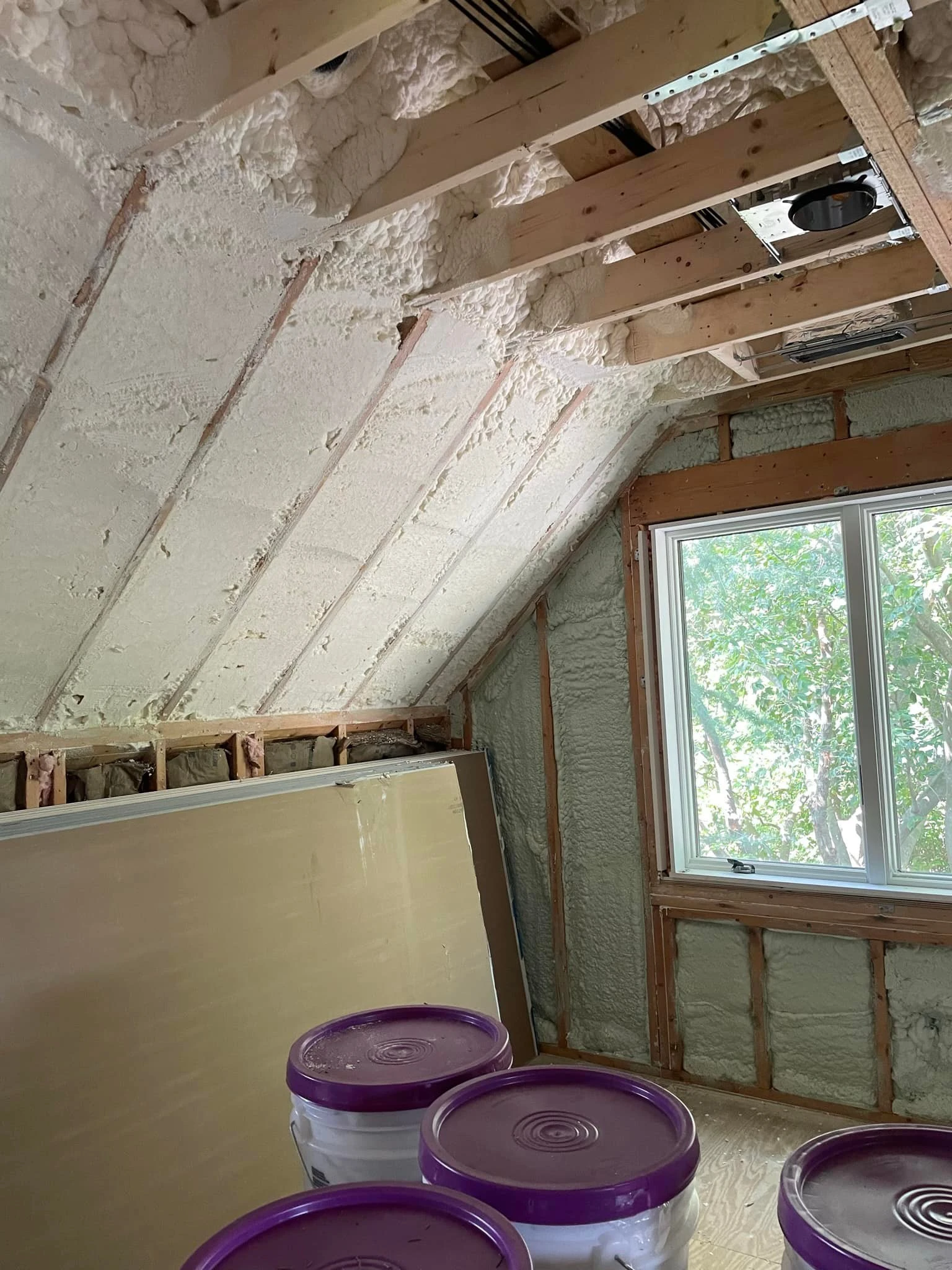
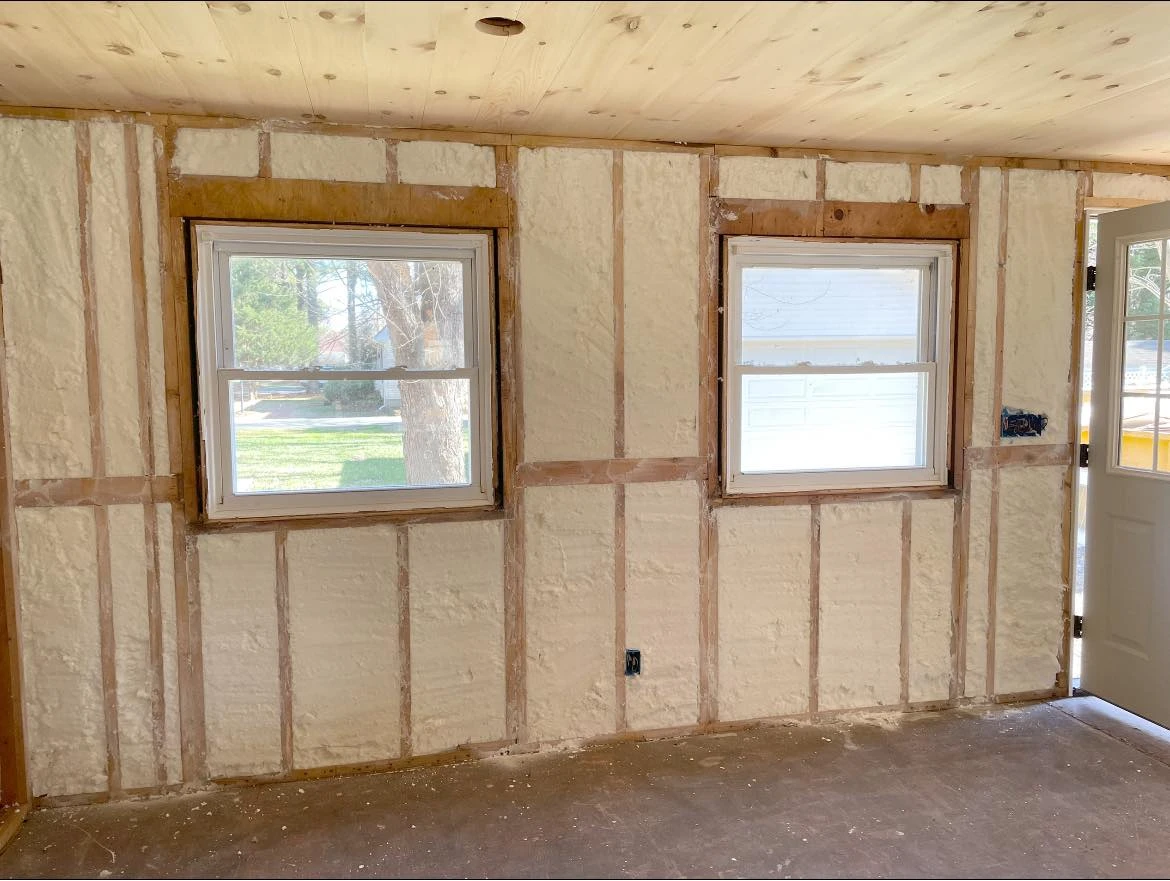
The superior performance of materials like spray foam comes from their expansive nature. When spray foam is applied, it fills every crevice, gap, and irregular space, creating a monolithic seal that air cannot penetrate. This is different from fiberglass batts, which must be cut precisely to fit every cavity. If a fiberglass batt is compressed or leaves a small gap (even 1/4 inch) on one side, its R-value is significantly compromised due to circulating air.
One way to measure a building’s success in mitigating air leakage is through blower door testing, which depressurizes the structure to locate leaks. Studies from the Environmental Protection Agency often confirm that structures that prioritize air sealing over merely boosting R-value see greater improvements in energy usage and indoor comfort.
Region Specific Challenges and Solutions Homeowners in the Mid-Atlantic region, where climate zones are considered mixed-humid, face unique challenges. They need both resistance to heat gain in hot summers and heat loss in cold winters, alongside stringent moisture control.
In a mixed climate, air movement carries moisture vapor. When warm, humid air moves into a cold wall cavity, it can condense, leading to potential mold, mildew, and structural decay. This phenomenon, known as condensation, also degrades the R-value of fibrous insulation materials like fiberglass and cellulose. For this reason, selecting an insulation material that acts as a vapor barrier, such as closed-cell spray foam, is highly recommended for roof decks or basement walls in humid environments.
Consider the structure’s existing ventilation strategy. Tightening the envelope dramatically reduces natural air exchange. Modern, well-sealed homes often require mechanical ventilation (like ERVs or HRVs) to maintain healthy indoor air quality, managing moisture and pollutants effectively.
Things to Consider Before Making a Decision
Before upgrading insulation to control air leakage, several factors deserve careful consideration. Structural Integrity: Assess the building’s condition. Leaks and gaps often accompany other issues, like old wiring or moisture damage. Insulation should always be installed after structural repairs are complete.
Accessibility and Scope: Decide whether to treat the entire building envelope or focus on the highest impact areas (attic, crawlspace, or roof deck). The method of application, whether drilled and blown or sprayed, depends entirely on whether the walls are open or closed.
Long-Term Goals: Are the goals strictly energy savings, or do they include improved indoor comfort, noise reduction, and moisture control? High-performance air-sealing insulation typically addresses all these concerns simultaneously, providing greater homeowner satisfaction.
Budget and ROI: While high-performance air sealing insulation may have a higher initial cost than conventional materials, the potential for long-term savings through reduced utility bills often generates a positive return on investment.
According to a study published by the National Renewable Energy Laboratory, implementing whole-house air sealing measures alongside insulation upgrades can lead to annual energy cost reductions of 15% to 30%.
Consider scheduling a home energy assessment. Professionals use tools like thermal cameras and blower door tests to accurately locate every major leak, ensuring that the resources invested in insulation and sealing are directed where they provide the most benefit.
Practical Strategies for Homeowners
For homeowners looking to improve energy efficiency, the strategy should always prioritize sealing the biggest gaps first. Start by checking the attic floor (the thermal boundary between the house and the attic), where many electrical and plumbing chases penetrate the drywall. Use high-quality caulk or expanding foam sealant around these smaller penetrations. After that, address larger areas like rim joists and knee walls with materials that provide both an air barrier and thermal resistance, such as spray foam.
R-value measures a material’s ability to resist conductive heat flow (heat traveling through the material). Air sealing stops convective heat flow (heat carried by moving air) through gaps and cracks. Both are necessary, but proper air sealing must come first to allow the R-value to perform as designed.
No, not necessarily. Fiberglass batts and loose-fill cellulose, if not paired with specific air sealing measures (caulking, foaming), will allow air to move around or through them. Only expansive materials like spray foam create an integrated air barrier during installation.
The largest gaps are commonly found where one building material meets another: the attic floor/ceiling interface, the connection between the foundation and the frame (rim joists), and behind knee walls in bonus rooms or attics.
If a structure is over-insulated without proper air sealing or ventilation, it can create moisture issues inside the walls. By sealing the envelope tightly, you prevent moisture-laden air from entering the wall cavity and condensing, but you may need mechanical ventilation to handle moisture generated indoors (showering, cooking).
Small tasks like sealing utility penetrations or windows can be done by homeowners. However, addressing large, inaccessible areas like rim joists, cathedral ceilings, or complex attic bypasses usually requires specialized equipment and expertise to ensure the integrity of the air barrier.
Connect with Professionals Consulting with experts who understand the physics of building science is the most effective way to address complex air leakage issues. If you need specialized guidance on identifying and sealing hidden energy gaps in your structure, reach out to Peninsula Insulation, LLC. The experienced team can discuss tailored solutions based on your specific needs. Contact Peninsula Insulation, LLC by phone at (410) 770-2624 or send an email to wil@mdsprayfoam.net to start planning an air sealing and insulation strategy today.