High Energy Bills? Insulation Solutions That Work in Easton, MD
High energy bills in Easton, MD, typically stem from inadequate insulation that fails to meet Climate Zone 4 requirements. Most…

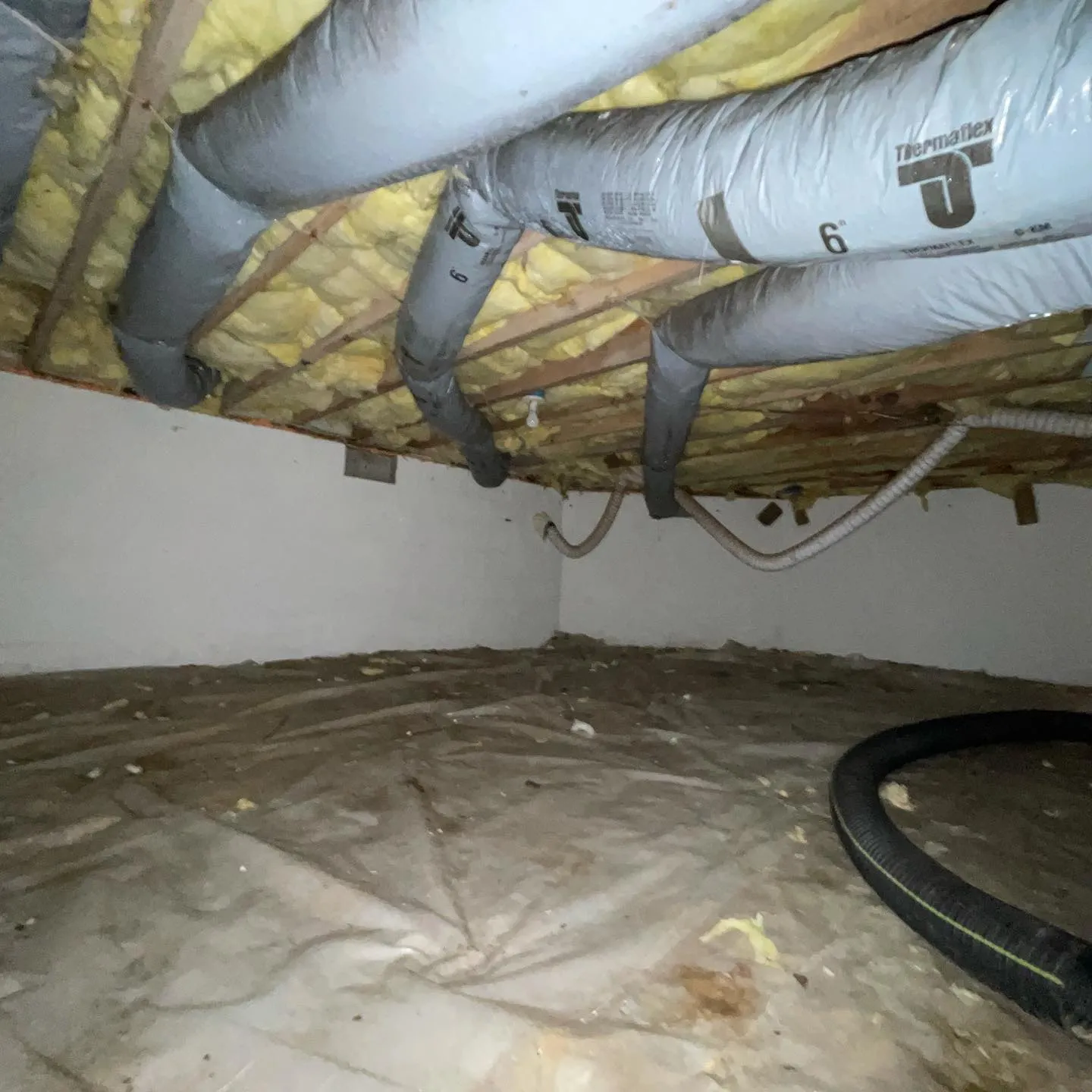
Insulation increases property value by reducing ongoing operating costs, protecting structural integrity against moisture damage, and improving the home’s official energy rating. A well-insulated home acts as a high-performance system that retains conditioned air, lowering utility bills and appealing to budget-conscious buyers. Beyond monthly savings, proper insulation prevents the gradual deterioration of framing and roofing materials caused by condensation and temperature fluctuations, preserving the asset’s physical condition over the long term.
Real estate professionals and appraisers now place significant weight on energy efficiency when determining market value. Upgrading insulation is one of the few home improvements that offers immediate financial returns through lower energy bills while simultaneously increasing the property’s resale value. This guide explains exactly how insulation affects a home’s economic standing and why it remains a smart capital improvement.
Homebuyers today prioritize energy efficiency more than in previous decades. They look at the “total cost of ownership,” which includes the mortgage payment plus average utility costs. A home with high-performance insulation demonstrates lower monthly expenses, giving buyers more purchasing power.
Data supports this shift in buyer behavior. A study by Pearl Certification indicates that homes with high-performing energy assets sell for roughly 5% more than comparable homes without these features. When a property has documented energy upgrades, such as spray foam or high-density cellulose, it signals to the market that the home is modern and well-maintained.
Appraisers can adjust a home’s value based on energy-efficient features. The Appraisal Institute provides a “Green and Energy Efficient Addendum” that allows appraisers to quantify the value of upgrades like insulation. When a homeowner can prove their attic or crawl space has been sealed and insulated to current codes or better, it adds tangible equity to the appraisal.
Insulation does more than keep a house warm; it keeps the house standing. Poor insulation leads to thermal bridging, where heat escapes through the wood framing. When warm air meets a cold surface inside a wall or attic, condensation forms. Over time, this moisture seeps into the wood, leading to rot, mold, and structural failure.
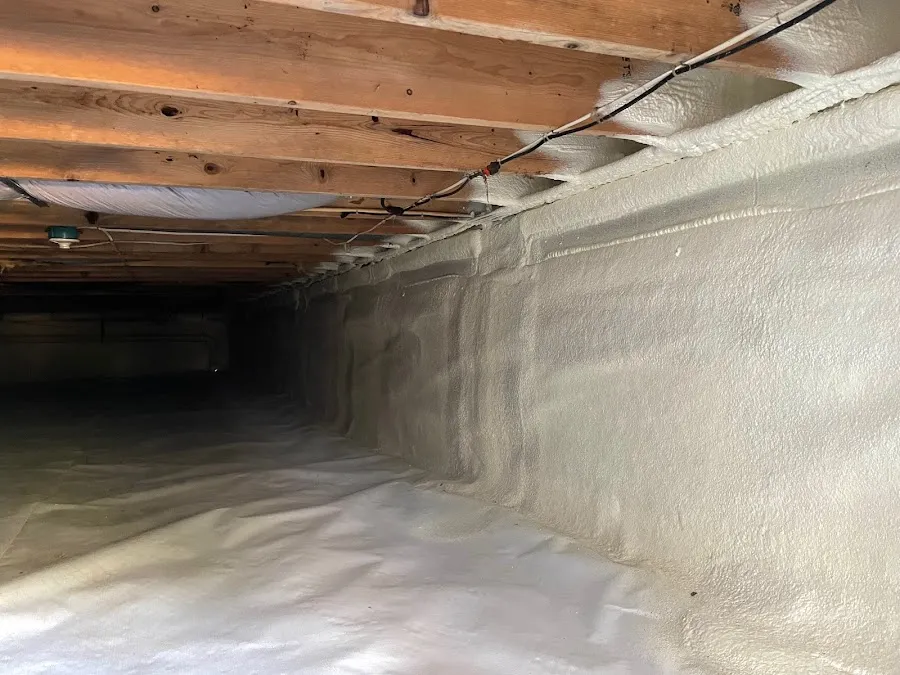
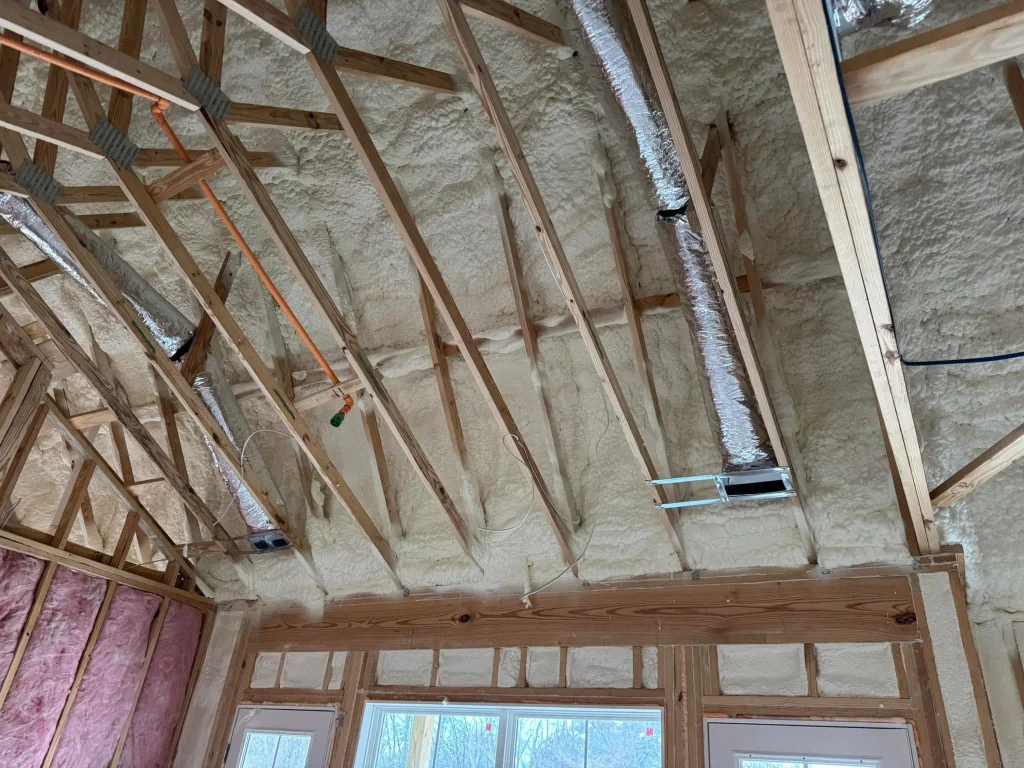
Effective insulation materials, particularly closed-cell spray foam, act as a barrier against moisture intrusion. By creating a sealed envelope, the insulation prevents humid air from entering wall cavities and condensing. This protection preserves the structural lumber and roof sheathing. A home with a history of moisture issues or mold remediation loses value immediately. Proper insulation prevents contamination and maintains the property’s clean history.
Bonus Tip: Inspect the attic for dark streaks on the existing fiberglass insulation. This usually indicates air leakage where dust is being filtered out of the air. It is a clear sign that the current insulation is failing to stop airflow.
Market value is often driven by the emotional reaction a buyer has when walking through a home. Drafty rooms, cold floors, and inconsistent temperatures create a negative impression. A properly insulated home maintains a consistent temperature from room to room, which buyers perceive as quality construction.
A quieter home is perceived as higher quality. Insulation absorbs sound transmission between rooms and from outside sources. Homes located near busy streets or in dense neighborhoods benefit significantly from the acoustic-damping properties of thick insulation. This added privacy and quiet serve as strong selling points during open houses.
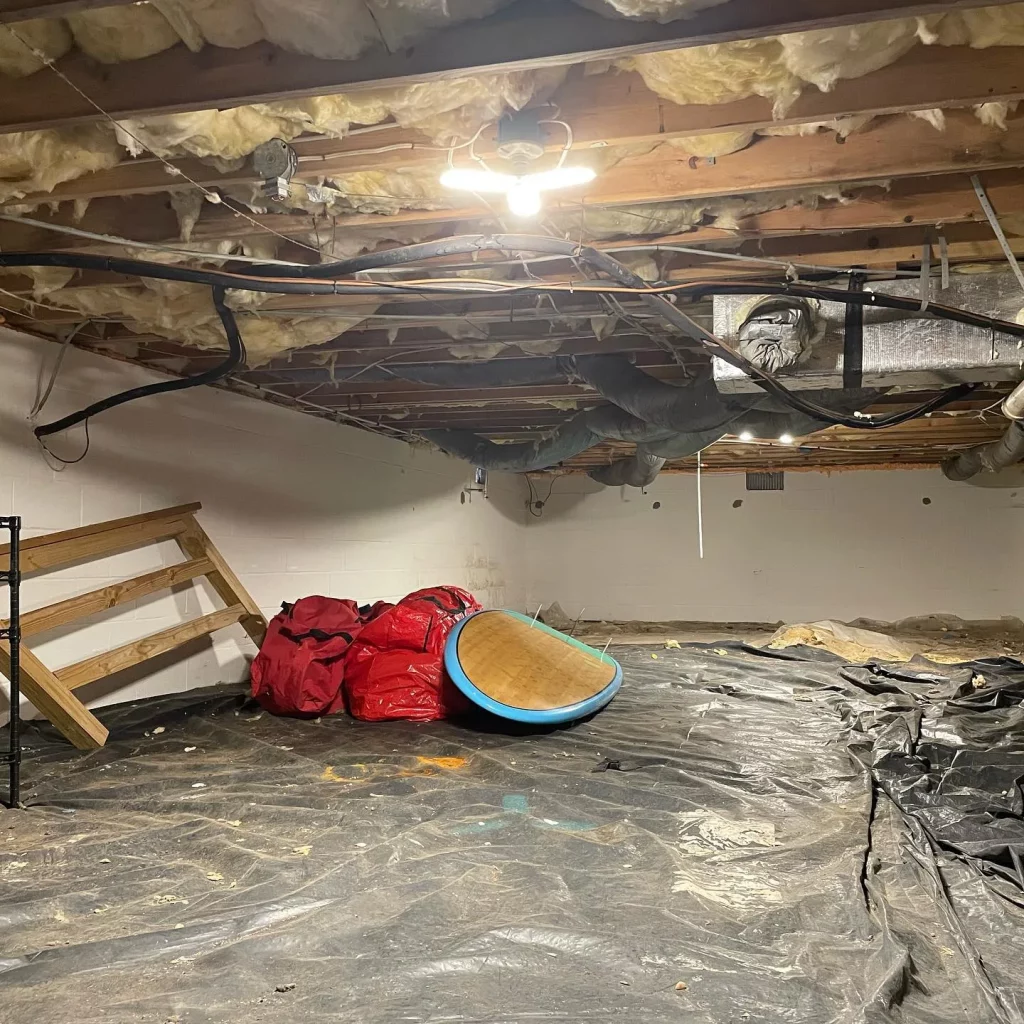
Different insulation materials offer varying levels of return on investment and performance. Understanding the differences helps in choosing the right material for long-term value.
| Insulation Type | R-Value per Inch | Moisture Barrier | Structural Rigidity | Long-Term Value Impact |
|---|---|---|---|---|
| Fiberglass Batts | 3.1 – 3.4 | No | Low | Moderate (Standard) |
| Blown-In Cellulose | 3.2 – 3.8 | No (Absorbs) | Low | Moderate (Eco-Friendly) |
| Open-Cell Spray Foam | 3.5 – 3.8 | No | Moderate | High (Air Sealing) |
| Closed-Cell Spray Foam | 6.0 – 7.0 | Yes | High | Very High (Structural + Vapor) |
Table 1: Comparison of common insulation materials and their impact on property value factors.
Before upgrading insulation, several factors should be evaluated to ensure the investment yields the expected increase in property value.
The effectiveness of insulation depends heavily on the property’s geographic location. The International Code Council sets specific R-value requirements for different climate zones. Meeting these codes is the minimum standard; exceeding them often yields better long-term value. A home in Maryland faces different humidity and temperature challenges than a home in Arizona, requiring specific strategies for vapor control.
Adding new insulation on top of damaged or wet insulation is a mistake. If the existing material has been compromised by rodents or water, it must be removed. Covering up problems only hides structural damage that will surface during a pre-sale home inspection, potentially killing a deal.
Insulation works best when paired with air sealing. Adding thick layers of insulation without sealing the cracks and gaps (bypasses) allows air to move through the material, rendering it less effective. A comprehensive approach involves sealing penetrations for pipes, wires, and lights before adding the thermal layer.
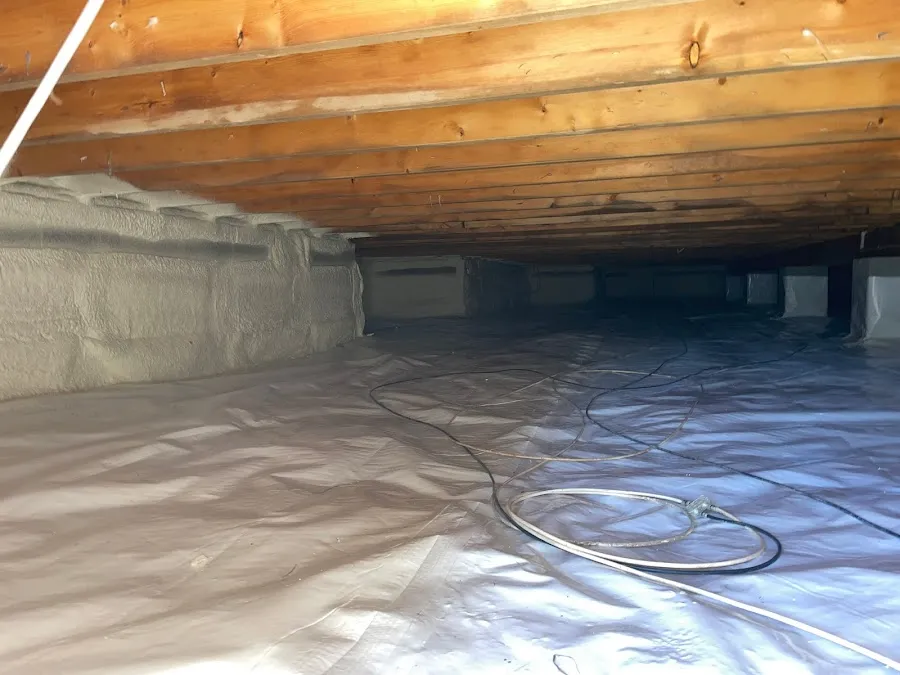
Bonus Tip: If your HVAC ducts run through an unconditioned crawl space, you could be losing up to 30% of your energy. Encapsulating the crawl space protects the equipment and improves indoor air quality.
R-value measures how well a material resists heat flow (conduction). Air sealing stops the physical movement of air (convection) through cracks and gaps. Both are necessary. High R-value insulation with poor air sealing will still allow drafts and energy loss.
Yes. Under the Inflation Reduction Act, homeowners can often claim tax credits for energy-efficient home improvements, including insulation and air sealing. These credits can offset the initial installation cost, improving the immediate return on investment.
A house needs to breathe, but it should do so through mechanical ventilation, not through random cracks in the walls. When a home is sealed tight to maximize efficiency, proper ventilation systems (like ERVs or HRVs) ensure fresh air circulates without losing energy. This allows for control over indoor air quality.
Spray foam is often viewed as a premium upgrade. Real estate listings frequently highlight “spray foam insulation” as a feature because educated buyers understand it implies lower utility bills and a stronger structure. It distinguishes the property from others by using standard contractor-grade materials.
Insulation is a foundational element of property value. It protects the structure from the elements, lowers the occupant’s cost of living, and improves the home’s overall comfort. These factors combine to create a property that appraisals value higher, and buyers desire more. Assessing current insulation levels and upgrading where necessary protects the property’s financial investment for the long haul.
Peninsula Insulation, LLC provides expert assessments to help you understand precisely where your home is losing energy and value. Whether you need to secure a crawl space or upgrade an attic, the goal is always the same: permanent solutions that pay for themselves.
Contact Peninsula Insulation, LLC:
Email: wil@mdsprayfoam.net
Phone: (410) 770-2624