Why Crawl Space Encapsulation Matters for Asthma in Annapolis, MD
Crawl space encapsulation directly addresses the hidden source of asthma triggers in many Annapolis homes by sealing out moisture that…

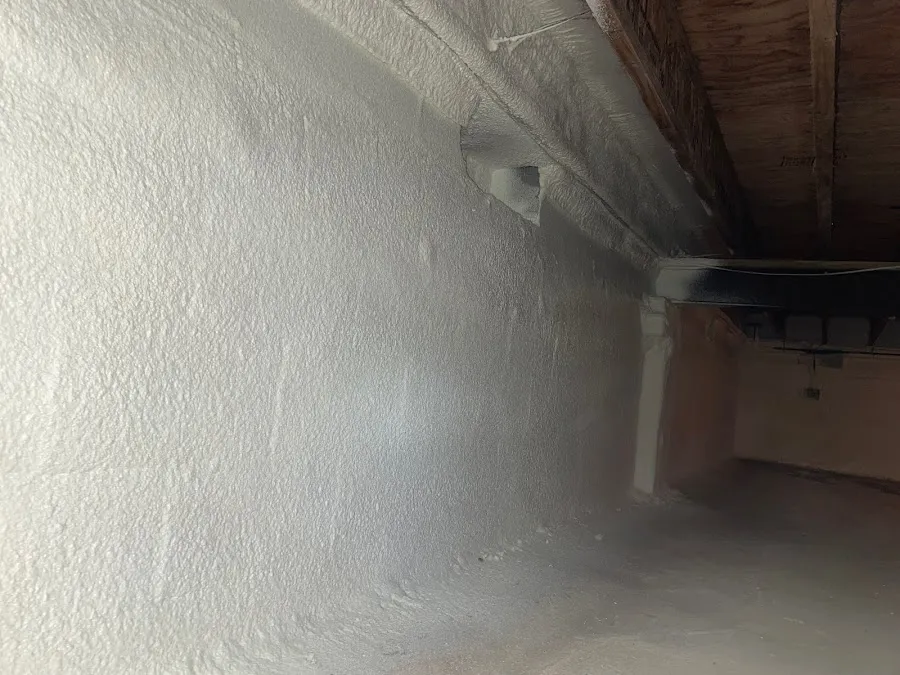
A sealed system actively conditions and pressurizes the crawl space with controlled air from your HVAC system, while standard encapsulation simply isolates the space from outside moisture and air without active conditioning. The fundamental distinction lies in how each approach manages airflow and moisture: sealed systems create a positive-pressure environment that pushes air out through any gaps, whereas encapsulation relies on passive barriers to keep moisture and external air from entering. This article breaks down the technical distinctions, performance implications, and regional considerations that matter for Kent Island homeowners dealing with coastal humidity and soil conditions.
Based on years of experience working with Eastern Shore crawl spaces, the choice between these systems often comes down to your home’s specific challenges and long-term performance goals. Understanding these differences helps prevent expensive mistakes that can lead to mold, structural damage, or poor indoor air quality.
Sealed systems and standard encapsulation operate on completely different principles. A sealed crawl space integrates directly with your home’s HVAC system, pulling conditioned air from the living space into the crawl area through dedicated vents or registers. This creates slight positive pressure, actively pushing air outward through any small openings in the barrier system. The continuous air exchange prevents moisture accumulation and maintains consistent temperature and humidity levels.
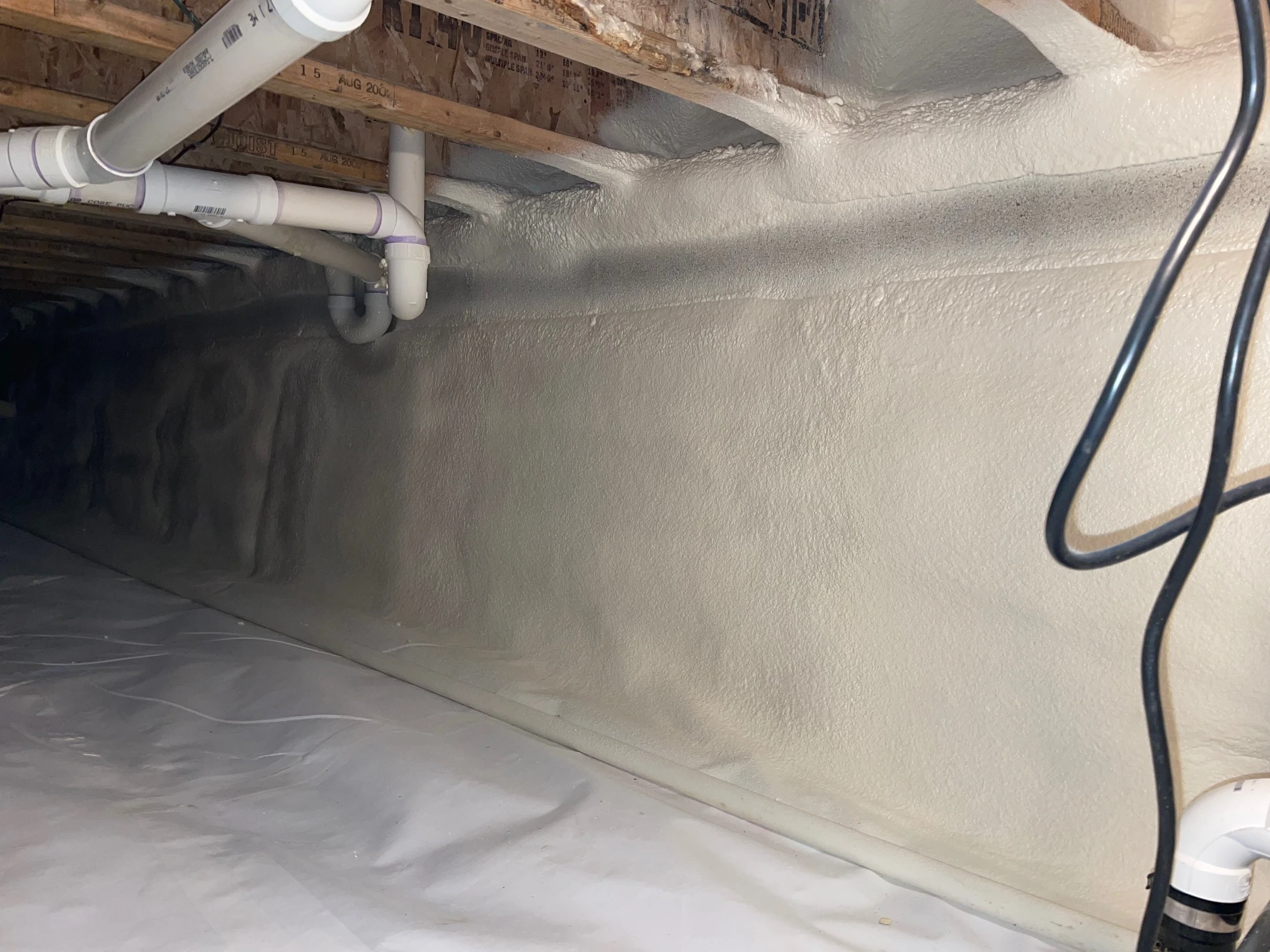
Standard encapsulation focuses on isolation. This approach uses thick vapor barriers (typically 10-20 mil polyethylene) covering all ground surfaces, sealed to foundation walls with specialized tape or mechanical fasteners. All vents are permanently sealed, and sometimes a dehumidifier is added for moisture control. However, without active air movement, encapsulated spaces can still trap moisture in wall assemblies or develop dead air pockets where humidity accumulates.
The air handling difference is critical. According to research from Building Science Corporation, actively conditioned crawl spaces show significantly better moisture control and energy performance than passive encapsulation systems in mixed-humid climates. This active approach prevents the stack effect from drawing crawl space air into the living areas.
Kent Island’s coastal location presents unique challenges that influence system selection. The area experiences average relative humidity levels above 70% during the summer months, with frequent temperature swings between day and night. These conditions create perfect environments for mold growth and wood rot when moisture management fails.
Local soil conditions compound moisture issues. Much of Kent Island sits on clay-heavy soil that holds water for extended periods after rainfall, creating constant hydrostatic pressure against foundation walls. Additionally, the area’s proximity to Chesapeake Bay means salt air can accelerate material degradation if barriers aren’t properly installed.
Maryland’s climate classification as mixed-humid (Zone 4A) means homes must handle both heating and cooling demands effectively. According to climate data from the International Code Council, this zone requires careful air sealing to prevent seasonal moisture problems. Peninsula Insulation, LLC frequently finds that standard encapsulation alone struggles with these seasonal transitions, often requiring supplemental dehumidification to maintain target humidity levels below 60%.
The operational differences translate to distinct performance characteristics. Below is a detailed comparison of key metrics:
| Feature | Sealed System | Standard Encapsulation |
|---|---|---|
| Air Movement | Active circulation from HVAC | Passive or dehumidifier-assisted |
| Pressure | Slightly positive pressure | Neutral pressure |
| Temperature Control | Consistent with the living space | Varies with outdoor conditions |
| Energy Efficiency | Higher when properly integrated | Moderate improvement over vented |
| Maintenance | Regular filter changes | Annual inspections |
| Installation Complexity | High (HVAC integration) | Moderate (barrier installation) |
| Moisture Control | Excellent through continuous exchange | Good when barriers remain intact |
Bonus Tip: In Kent Island homes with existing moisture problems, a sealed system often provides faster recovery times after heavy rain because the conditioned air actively dries the space rather than just preventing additional moisture entry.
The installation processes vary significantly in complexity and required expertise. Sealed systems require coordination with HVAC contractors to properly size and install supply registers, return air pathways, and balancing dampers. The system must be integrated without negatively impacting the home’s overall HVAC performance, which involves careful load calculations and airflow testing.
Standard encapsulation focuses on meticulous barrier installation. This requires cleaning and preparing all surfaces, installing drainage systems if needed, laying continuous vapor barriers, and sealing all penetrations with appropriate materials. The process demands attention to detail at seams, corners, and foundation interfaces, where air leakage is common.
Bonus Tip: Both systems benefit from preliminary moisture testing and infrared scanning to identify hidden water intrusion points before installation. Taking these measurements provides baseline data for future performance comparisons.
Initial costs favor standard encapsulation, but long-term value depends on multiple factors. Sealed systems typically cost 40-60% more upfront due to HVAC modifications and additional equipment. However, they can reduce overall energy consumption by 10-20% annually when properly designed and installed, according to Energy Star data on conditioned crawl spaces.
ROI calculations must include avoided repair costs. Standard encapsulation can fail if barriers develop punctures or if sealing materials degrade, potentially leading to hidden mold problems that cost thousands to remediate. Sealed systems, while more expensive initially, often provide more predictable performance with fewer failure points over time.
Regional energy costs in Maryland ($0.13-$0.15 per kWh) mean energy savings from sealed systems can recoup the initial investment within 8-12 years for most homes. Additionally, properly conditioned crawl spaces can extend HVAC equipment life by reducing moisture-related strain on systems.
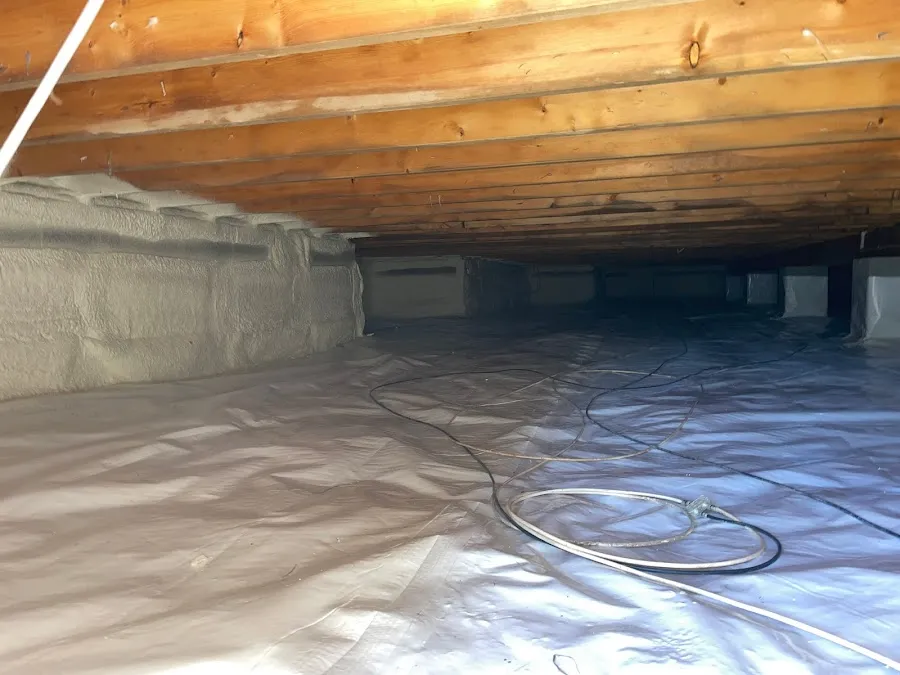
Several factors should influence your choice beyond immediate budget concerns. Homes with existing mold problems or severe moisture issues often benefit more from sealed systems that actively dry the space. The age and condition of your HVAC system also matter – older systems may struggle to handle the additional load of conditioning crawl space air.
Foundation type plays a crucial role. Pier and beam foundations, common in coastal Kent Island, often work better with sealed systems because conditioned air can circulate more freely around the open structure. Slab foundations might not benefit as much due to limited air volume.
Consider your long-term plans for the property. If you’re planning major renovations or additions, integrating a sealed system during construction often proves more cost-effective than retrofitting later. Similarly, if you plan to sell within 5-7 years, the lower upfront cost of encapsulation might make more financial sense.
Bonus Tip: Always require a written moisture management plan that includes specific humidity targets, monitoring protocols, and warranty terms before starting any crawl space project. This documentation proves invaluable if problems develop later.
Sealed systems and standard encapsulation represent different approaches to crawl space management, each with distinct advantages for Kent Island homes. The choice between active conditioning and passive isolation depends on your specific moisture challenges, budget constraints, and long-term performance expectations. Evaluate your home’s foundation condition, existing HVAC system, and moisture history before making this important investment.
Consider starting with a thorough moisture assessment and professional inspection. Understanding exactly what’s happening beneath your home now will help you select the most appropriate solution for your situation and prevent costly problems down the road.
Peninsula Insulation, LLC specializes in crawl space solutions tailored to Kent Island’s coastal environment. For personalized recommendations based on your home’s specific conditions, contact the team at wil@mdsprayfoam.net or call (410) 770-2624 to schedule a comprehensive assessment and discuss your options for either sealed systems or standard encapsulation approaches.
Not necessarily. The better choice depends on your home’s specific conditions, budget, and performance goals. Homes with minor moisture issues and good drainage often achieve excellent results with standard encapsulation at a lower cost.
Both systems can dramatically improve indoor air quality compared to vented crawl spaces. Sealed systems typically provide the best results because they continuously replace crawl space air with filtered, conditioned air from your living areas.
Yes, conversion is possible but requires additional HVAC modifications and may involve removing some existing barrier materials to install proper ductwork and air pathways.
Sealed systems need regular filter changes and HVAC maintenance checks. Encapsulation requires annual inspections of barrier integrity and, if installed, dehumidifier maintenance.
Neither system prevents flooding, but sealed systems often recover faster after water events because conditioned air actively dries the space. Proper drainage and grading remain essential regardless of which approach you choose.