High Energy Bills? Insulation Solutions That Work in Easton, MD
High energy bills in Easton, MD, typically stem from inadequate insulation that fails to meet Climate Zone 4 requirements. Most…

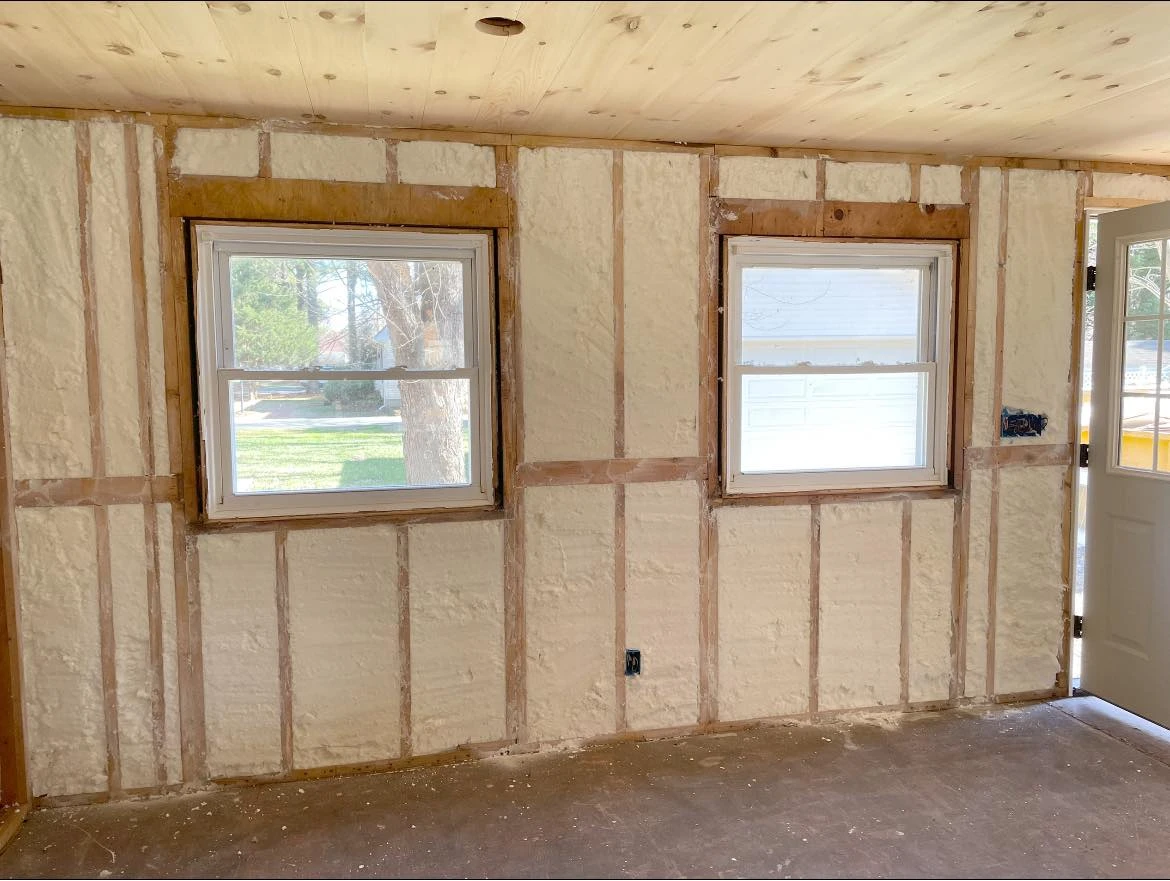
The five residential spray foam insulation myths homeowners should ignore in 2026 are that it’s too expensive, causes roof rot, is toxic, is only for new construction, and all spray foam products are identical. These misconceptions prevent many homeowners from accessing superior energy efficiency and comfort benefits. This article breaks down each myth with factual information from industry research and practical installation experience, helping readers make informed decisions about their insulation needs.
Drawing from years of hands-on experience with residential insulation projects across various climate zones, the following analysis addresses the most persistent myths surrounding spray foam insulation with data-driven insights and real-world observations.
While spray foam insulation typically has higher upfront material costs, the total cost of ownership often proves lower than traditional options. According to data from the U.S. Environmental Protection Agency , homeowners can save up to 15% on heating and cooling costs with proper insulation, which spray foam delivers more effectively than fiberglass or cellulose.
While the initial installation expense for spray foam is higher than that of fiberglass, its superior R-value per inch means less material is required to achieve the same thermal performance. Furthermore, its inherent air-sealing properties eliminate the need for additional weatherization measures
Bonus Tip: Calculate the payback period by dividing the cost difference by annual energy savings. Most spray foam installations pay for themselves within 5-7 years through reduced utility bills.
This myth originates from improper installations where spray foam was applied incorrectly in unvented attic assemblies. Modern building science confirms that when installed according to manufacturer specifications and local building codes, spray foam actually helps prevent moisture problems by creating an air barrier that stops condensation.
The key is proper application technique and understanding climate-specific requirements. In hot, humid climates, closed-cell spray foam applied to the roof deck prevents warm, moist air from reaching the cold surface where it might condense. In cold climates, the same application prevents indoor air from reaching cold surfaces. Research from the Building Science Corporation shows that correctly installed spray foam systems maintain roof temperatures above the dew point, preventing condensation issues.
Many homeowners believe that spray foam insulation is a one-size-fits-all solution, but the market offers significant variations in composition, performance, and application suitability. The two primary categories are open-cell and closed-cell foam, each with distinct characteristics for different applications.
Table: Spray Foam Insulation Types Comparison
| Property | Open-Cell Foam | Closed-Cell Foam |
|---|---|---|
| R-Value per inch | 3.5 – 3.8 | 6.5 – 7.0 |
| Water resistance | Absorbs water | Repels water |
| Expansion rate | 100x original volume | 30x original volume |
| Air barrier | Yes | Yes |
| Vapor barrier | No | Yes |
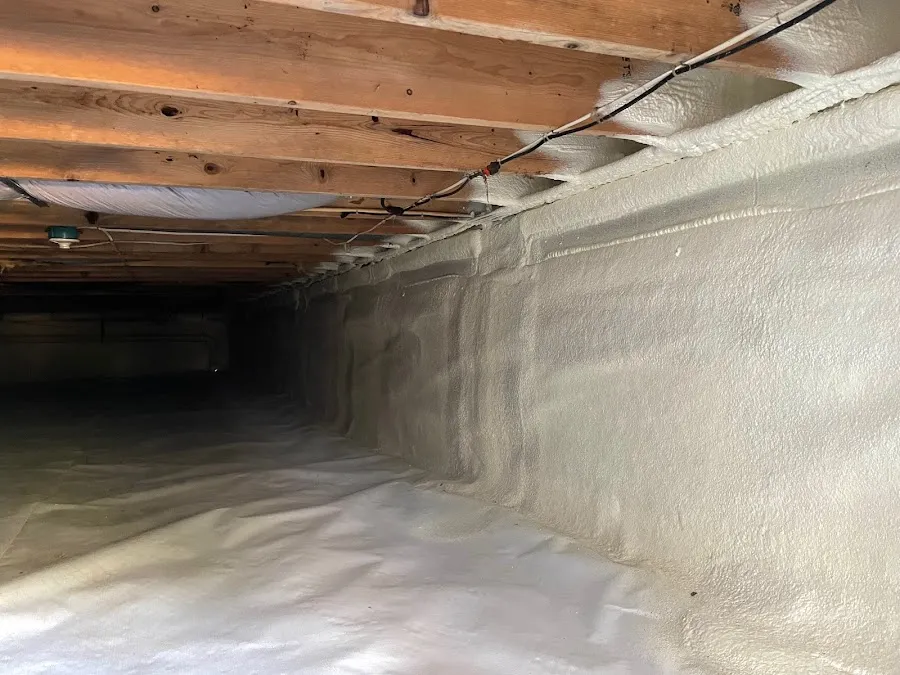
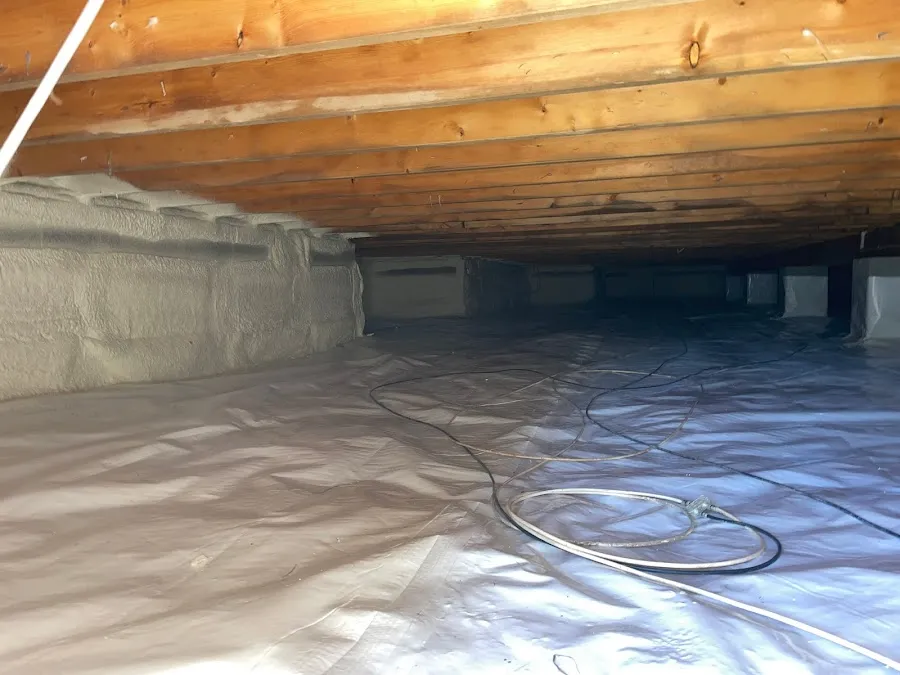
| Ideal application | Interior walls, attics | Foundations, crawl spaces, exterior walls |
Bonus Tip: Choose closed-cell foam for areas prone to moisture exposure or where structural strength is beneficial. Select open-cell foam for sound dampening and where budget constraints require a more economical solution.
While spray foam insulation is ideal during new construction, retrofit applications have become increasingly common and effective. Modern spray foam formulations allow for application in existing homes through both cavity filling and insulation board methods.
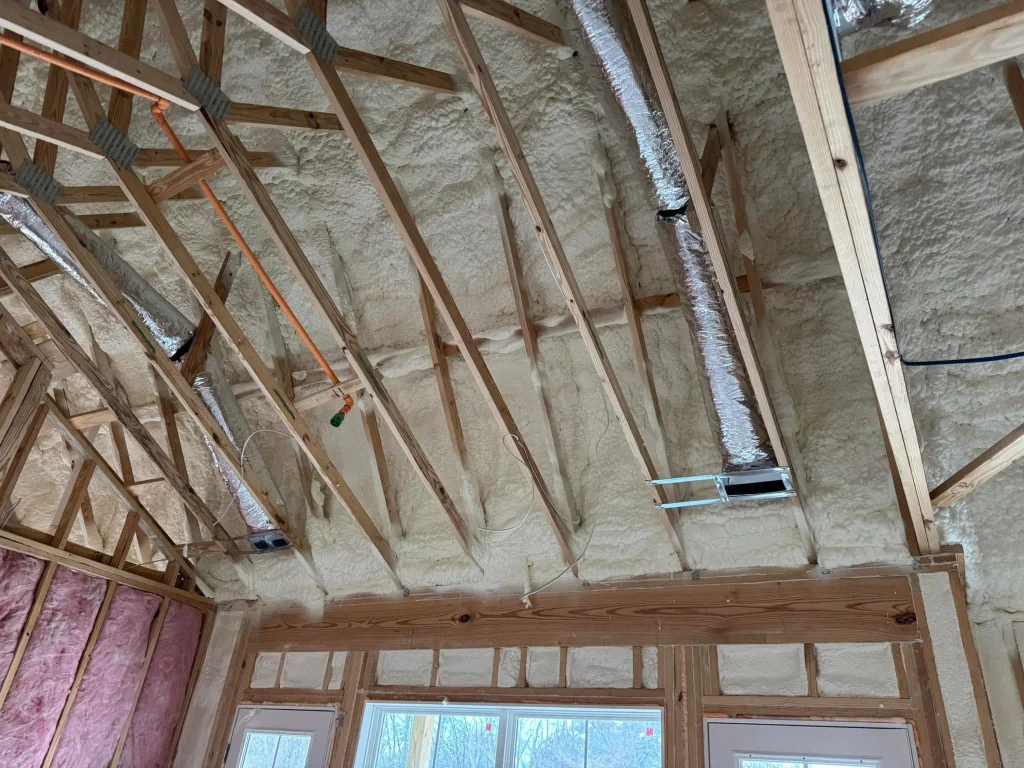
For existing homes, spray foam can be added to attics, crawl spaces, rim joists, and even wall cavities with minimal disruption. The global spray foam insulation market is projected to reach $5.5 billion by 2026, driven significantly by retrofit applications as homeowners seek to improve energy efficiency in existing structures.
The retrofit process typically involves drilling small access holes in wall cavities or removing sections of drywall for large-scale applications. Experienced installers can complete most retrofit projects within 1-3 days, depending on the home’s size and accessibility.
Concerns about spray foam toxicity primarily relate to the installation period, not the cured product. During application, spray foam chemicals react and release vapors that require proper ventilation and personal protective equipment. Once fully cured (typically within 24 hours), spray foam becomes an inert plastic polymer that’s considered safe for residential use.
According to the Spray Polyurethane Foam Alliance, properly installed and cured spray foam insulation does not off-gas harmful chemicals or contribute to poor indoor air quality. The cured material is chemically stable and does not decompose under normal residential conditions.
Bonus Tip: Ensure proper installation by hiring certified professionals who follow manufacturer-recommended curing times and ventilation protocols. Ask about low-VOC formulations if indoor air quality is a primary concern.
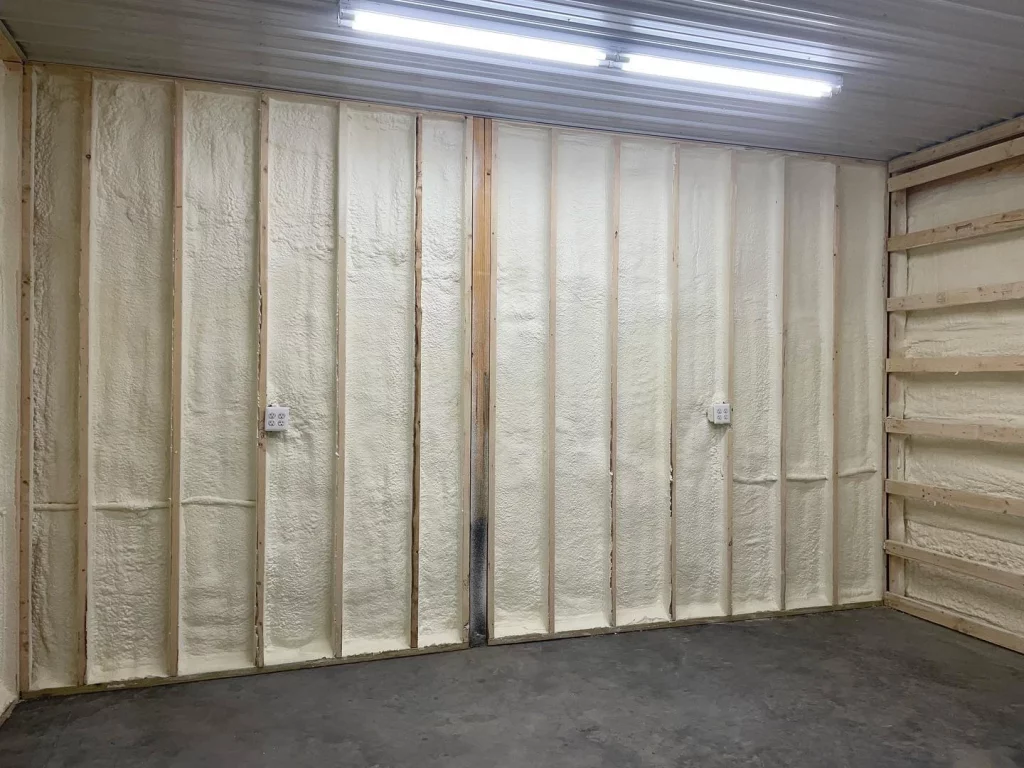
Before choosing spray foam insulation, evaluate several key factors specific to your situation. Climate zone significantly impacts the type and thickness needed. Homes in extreme climates require different approaches than those in moderate regions.
The condition of your existing insulation and air sealing measures affects the cost-benefit analysis. Homes with major air leakage problems benefit most from spray foam’s sealing properties. Consider your budget timeline and whether energy savings justify the higher upfront investment.
Assess the installation accessibility in your home. Areas with limited access may require more labor-intensive application methods, affecting total project costs. Finally, verify local building code requirements, as some jurisdictions have specific regulations regarding spray foam insulation applications, particularly in attics and crawl spaces.
Spray foam insulation offers significant advantages in energy efficiency, air sealing, and long-term performance when correctly installed and appropriate for the application. The myths surrounding cost, safety, and effectiveness often stem from outdated information or improper installations rather than inherent product flaws.
Homeowners should evaluate their specific needs, climate conditions, and budget considerations when deciding between spray foam and traditional insulation options. Consultation with certified installers can provide a detailed cost-benefit analysis tailored to your home’s unique characteristics and your long-term energy goals.
For expert guidance on spray foam insulation options and installation requirements specific to your home, Peninsula Insulation, LLC provides detailed consultations and professional services. Contact Wil at wil@mdsprayfoam.net or call (410) 770-2624 to discuss your insulation needs and receive personalized recommendations based on your home’s unique requirements.
Most manufacturers offer 25-year to lifetime warranties against material defects when installed by certified professionals. These warranties typically cover material failure but do not cover damage from building movement, moisture intrusion, or improper installation.
The required thickness depends on your climate zone and application type. Most recommendations range from 3 to 6 inches for walls and 6 to 10 inches for attics. Local energy codes provide minimum requirements, but exceeding them often provides better long-term energy savings.
Once fully cured, spray foam can be painted with latex-based paints. However, painting is typically unnecessary in hidden areas like attics and wall cavities. In exposed applications, use UV-resistant paint to prevent foam degradation from sunlight exposure.
Unlike cellulose insulation, which can provide food sources for pests, spray foam is not attractive to rodents or insects. The dense, inorganic material does not support pest activity and can actually help seal potential pest entry points when applied properly.
Spray foam insulation requires no routine maintenance once properly installed and cured. Periodic inspections should check for physical damage from construction activities or pest intrusion, but the material itself remains stable without additional care or replacement.