What Happens When Traditional Insulation in New Carrollton, MD Leaves Air Gaps?
When traditional insulation in New Carrollton, MD develops air gaps, it stops doing the one job it was installed to…


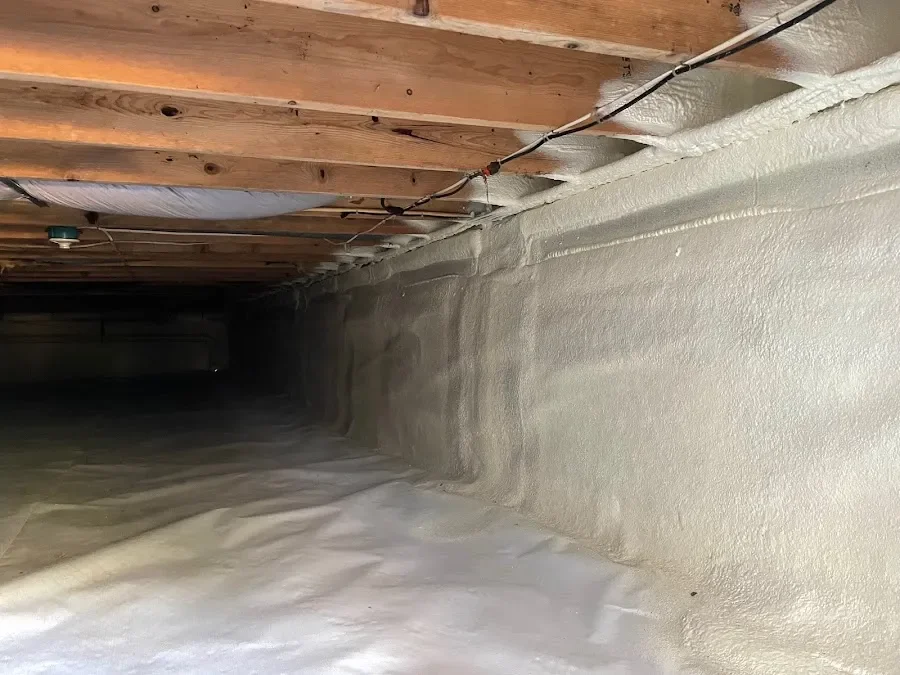
If your floors give off a musty odor in humid weather or the air near them feels clammy on your bare feet, the source is usually not your HVAC system. Crawl space encapsulation solutions help address moisture problems by closing the crawl space off from wet soil and humid outdoor air, turning a leaky, vented cavity into a clean, dry zone that behaves like part of your home instead of a liability beneath it. In this guide, you will find a plain-language walkthrough of the process, realistic cost ranges, and the warning signs worth checking for. If you want pricing details on a full professional job, our crawl space encapsulation page lists exactly what is included.
Older homes with crawl space foundations were built with open vents on the theory that moving outdoor air would dry the space out. The opposite usually happens. Warm, humid air flows in through those vents, cools down against surfaces under the house, and dumps its moisture as condensation. That constant dampness is exactly what mold, wood-rotting fungi, and insects look for.
Exposed soil makes things worse. Crawl space encapsulation information can help homeowners understand how bare dirt gives off water vapor around the clock, and that steady supply can swamp a passive venting setup, especially in humid regions or neighborhoods with a high water table. Thanks to the stack effect, air from below the house drifts up into the rooms you live in, and everything suspended in it, spores and allergens included, comes along for the ride. That is why crawl space moisture control is an upstairs problem as much as a below-the-floor one.
A professionally installed system puts a continuous barrier between your living space and every moisture source below it. Here is how the work unfolds.
Nothing gets sealed until the space is cleaned out and existing problems are fixed. Crews pull out debris, pump out standing water, repair plumbing leaks, and treat any mold or pest activity already present. The soil gets graded and cleared of rocks and scrap that could tear the liner once it goes down.
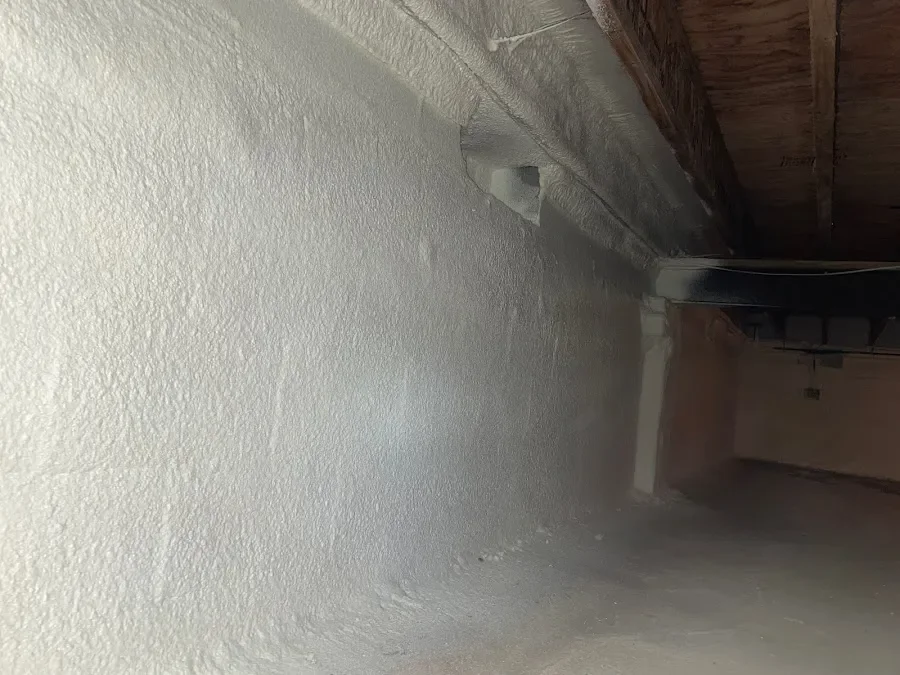
The liner is the heart of the system, a heavy polyethylene sheet usually between 6 and 20 mils thick. Better jobs use reinforced material that holds up against tearing for years. The sheet covers the full floor, climbs every wall, and every seam and edge gets sealed shut so no soil vapor sneaks past.
This stage is where crawl space sealing earns its keep. The old foundation vents get closed off with insulated covers, and gaps around pipes, wires, and other penetrations get filled. Cutting off that air exchange is what stops humid outdoor air, and the water it carries, from re-entering the space you just dried out.
A sealed space still needs a way to manage the humidity that remains. Most systems add a dedicated crawl space dehumidifier matched to the square footage. Some homes tie the space into the existing HVAC instead, feeding it conditioned air so the area functions as a semi-conditioned part of the house rather than a forgotten cavity.
| Part | What It Does | Material Options | Typical Lifespan |
|---|---|---|---|
| Vapor Barrier | Blocks ground moisture | 6-20 mil polyethylene | 15-25 years |
| Wall Liner | Covers foundation walls | Reinforced polyethylene | 20+ years |
| Vent Covers | Shuts out outside air | Insulated foam or plastic | 25+ years |
| Dehumidifier | Holds humidity in range | Commercial-grade units | 5-10 years |
| Drainage System | Handles standing water | Sump pump, French drain | 15-20 years |
| Insulation | Cuts heat loss | Closed-cell spray foam, rigid foam board | 20+ years |
The payoff shows up well past the crawl space door.
| Factor | Vented Crawl Space | Encapsulated Crawl Space |
|---|---|---|
| Humidity | Whatever the weather brings | Actively managed year-round |
| Air Quality | Up to 50% of indoor air starts here | Cleaner, filtered air upstairs |
| Energy Efficiency | Higher utility bills | 10-20% savings on heating and cooling |
| Structural Risk | Wood rot, termite damage | Framing stays dry and protected |
| Maintenance | Repeat problems | One annual inspection |
| Upfront Cost | Nothing | $5,000-$15,000 |
If you have been wondering whether crawl space encapsulation work is worth the investment, the honest answer is yes, provided the job covers everything. Crawlspace encapsulation functions by closing off all three moisture routes at once: vapor rising from the soil, humid air leaking through vents, and standing water from drainage problems. A ground-only liner misses two of those three routes, which is why partial jobs so often disappoint. Does crawl space encapsulation work in every home? It works wherever the space is fully sealed, the humidity is actively managed, and any water entry is handled first.
Not every install performs the same, and knowing what separates the good ones from the bad protects your budget.
| Consideration | Professional Installation | DIY Approach |
|---|---|---|
| Material Quality | Commercial-grade liners and equipment | Consumer-grade materials |
| Warranty | 10-25 year coverage | Little or none |
| Sealing Quality | Trained techniques, fully sealed seams | Mixed results |
| Time Required | 1-3 days | 1-2 weekends |
| Cost | $5,000-$15,000 | $1,500-$4,000 |
| Long-Term Results | Documented performance | Inconsistent |
Talk to homeowners who have tackled encapsulation under-house projects themselves, in places like the r/HomeImprovement community on Reddit, and a pattern repeats: the failures almost always trace back to skipped vent sealing or thin liners, not to the concept itself. A DIY attempt can work in a small, dry, simple space, but large or wet crawl spaces usually justify professional equipment and experience.
An encapsulated space asks for very little, though one inspection a year keeps everything on track. That visit covers checking the dehumidifier, scanning the liner for rips, and confirming humidity readings. Your hygrometer is the early warning system: when the numbers below start climbing for no obvious reason, something in the system needs attention. Use this quick reference to judge your readings.
| Humidity Reading | What It Means | What To Do |
|---|---|---|
| 30-50% | Right where you want it | Nothing; the system is doing its job |
| 50-60% | Acceptable but worth watching | Confirm dehumidifier settings |
| 60-70% | Too damp, mold risk climbing | Check for leaks and service the unit |
| 70% and up | Conditions ripe for mold growth | Schedule an inspection right away |
A professional installation built with quality materials generally holds up for 15 to 25 years. The liner may need occasional patching, and the dehumidifier usually needs replacing every 5 to 10 years.
No, encapsulation stops mold from returning by cutting off its moisture supply, but existing growth needs remediation first. Reputable crews handle that treatment during the prep stage so the space starts clean.
Usually not, because an encapsulated crawl space does not count as finished living area. Rules vary by jurisdiction, so confirm with your local assessor if it matters for your property.
Yes. Every properly built system includes an access door that reseals, so plumbers and HVAC technicians can get in without breaking the vapor barrier.
Encapsulation halts the moisture damage that causes sagging, but it does not lift floors that have already settled. Leveling takes separate structural repairs, which are often scheduled alongside the encapsulation work.
Knowing how the process works puts you in a much stronger position when you start comparing quotes. The core idea never changes: seal the floor, the walls, and every opening, then manage humidity with a properly sized dehumidifier. Thin liners and partial coverage are where budgets get wasted, so weigh coverage and materials before price. Homes that pair a full basement with a separate crawl space sometimes handle basement crawl space encapsulation in stages, but the same principles apply to every square foot. For more on moisture problems and other home performance topics, our insulation blog has related guides worth a read.
For a professional look at your crawl space and a clear breakdown of what encapsulation would involve for your home, contact our team for a consultation. We will walk you through your options and answer every question before you commit to anything. Email us at wil@mdsprayfoam.net or call (410) 770-2624 to talk through your home’s symptoms with our team and to get a free quote.
A Brief Guide to Mold, Moisture and Your Home – guidance on moisture control and mold prevention.
Mold – research on health effects linked to mold exposure.
BSD-012: Moisture Control for New Residential Buildings – crawlspace assembly standards and humidity thresholds.
r/HomeImprovement – homeowner discussions on encapsulation projects and DIY outcomes.