High Energy Bills? Insulation Solutions That Work in Easton, MD
High energy bills in Easton, MD, typically stem from inadequate insulation that fails to meet Climate Zone 4 requirements. Most…


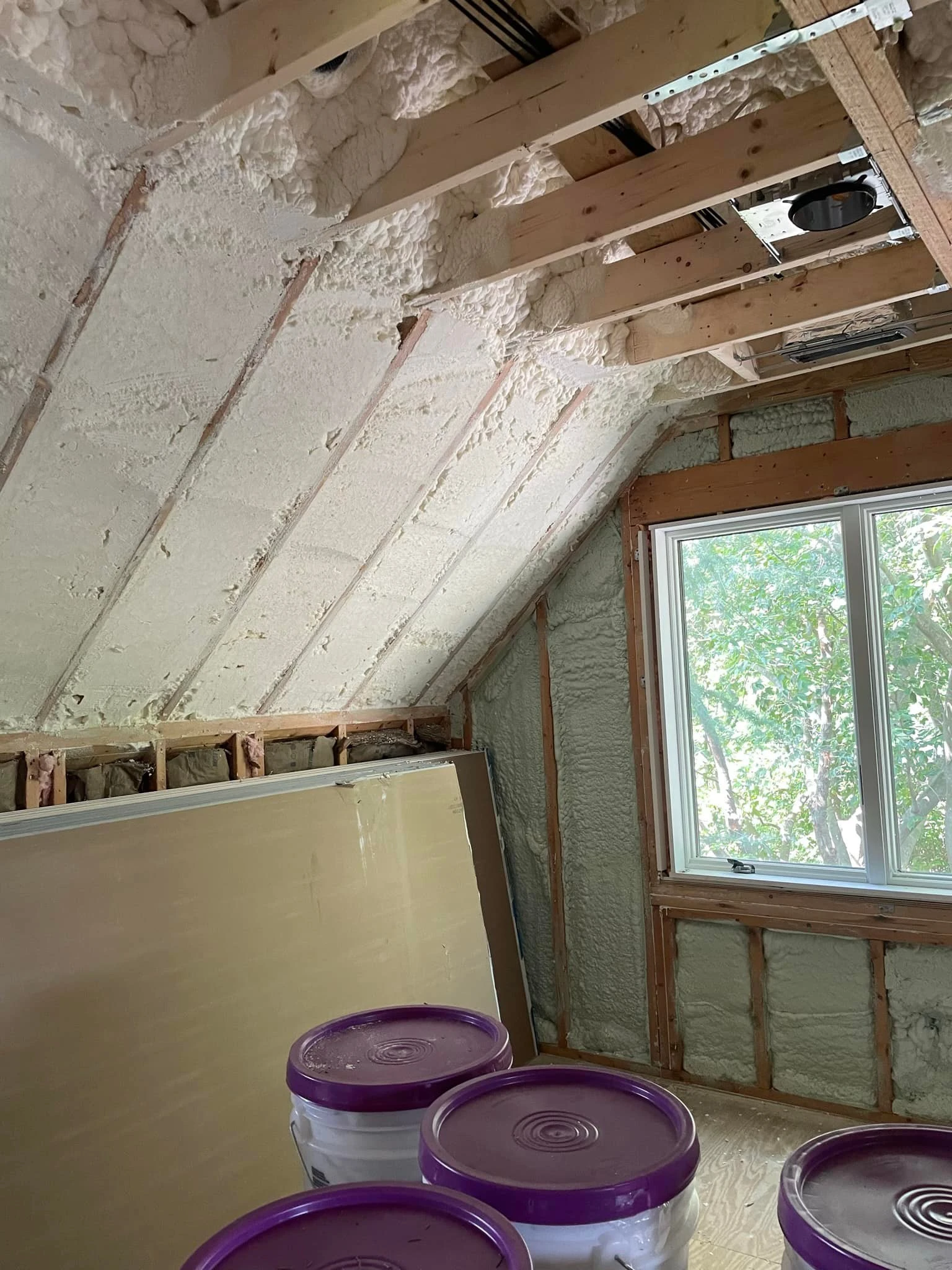
Spray foam insulation effectively soundproofs nurseries by filling gaps and creating an airtight seal that blocks sound transmission better than traditional insulation. The material expands to fill cracks, crevices, and wall cavities, reducing noise from outside traffic, household activities, and between rooms by up to 50% compared to fiberglass insulation. For Salisbury homeowners, this means creating a quieter sleep environment for infants and toddlers without sacrificing energy efficiency.
This guide provides practical knowledge about soundproofing nurseries with spray foam insulation, drawing from years of installation experience in Maryland’s Eastern Shore climate. You’ll learn which foam types work best, what costs to expect, and how to prepare your home for installation.
Sound travels through air gaps and structural vibrations in homes. Spray foam insulation stops both transmission methods. When applied, the foam expands up to 100 times its liquid volume, sealing every crack and opening that sound could pass through. The cured foam’s dense cellular structure also dampens vibrations that travel through wall studs and floor joists.
Closed-cell spray foam offers superior soundproofing with its rigid structure and higher density. It typically provides Sound Transmission Class (STC) ratings between 40 and 50, meaning it can block most normal speech sounds. Open-cell foam, while less dense, still outperforms traditional insulation with STC ratings around 35-40.
For nursery applications, the key is complete cavity coverage. Even small gaps around electrical boxes, plumbing pipes, or ductwork can let significant sound through. Proper application eliminates these weak points that traditional insulation methods often miss.
Two main types of spray foam serve different needs in nursery soundproofing projects. Each has distinct properties affecting both acoustic performance and installation requirements.
Closed-cell spray foam contains trapped gas bubbles that make it rigid and dense. It provides the best sound barrier while adding structural strength to walls. Its moisture-resistant properties make it ideal for Salisbury’s humid summers and coastal proximity. The material doesn’t absorb water, preventing mold growth that could affect infant health.
Open-cell spray foam remains flexible after curing and contains air-filled cells. It’s less expensive per inch but requires more thickness to match closed-cell’s acoustic performance. The material works well for interior walls where moisture isn’t a concern. Its flexibility accommodates building movement without cracking.
| Foam Type | R-Value per Inch | STC Rating (2×4 wall) | Best Application |
|---|---|---|---|
| Closed-cell | 6.5-7.0 | 45-50 | Exterior walls, climate control |
| Open-cell | 3.5-4.0 | 35-40 | Interior partitions are cost-effective |
Maryland’s Eastern Shore climate presents unique factors for nursery insulation projects. The region experiences hot, humid summers and cool winters, requiring materials that handle moisture well. Closed-cell spray foam prevents condensation issues common in coastal areas where temperature differences between inside and outside create moisture problems.
Local building codes in Wicomico County require proper vapor barriers and insulation values. Spray foam often exceeds these requirements while providing the added benefit of soundproofing. The material’s air-sealing properties also help with energy costs, which, according to the Wicomico County Building Codesaverage about 15% higher in Maryland than the national average.
Salisbury’s proximity to major roads like US-50 and Route 13 means traffic noise can disrupt infant sleep. Soundproofing exterior walls with closed-cell foam creates a quieter indoor environment. The material also blocks aircraft noise from nearby Salisbury-Ocean City Wicomico Regional Airport, which can be particularly noticeable during summer months when windows are open.
Proper preparation ensures effective soundproofing results. The nursery must be completely empty before installation, and adjacent areas may need protection from overspray. Electrical outlets and switches should be removed or carefully masked, as foam can expand into electrical boxes if not properly sealed.
The installation typically takes 1-2 days for a standard nursery room. First, installers apply the foam to wall cavities, starting from the bottom and working upward. The material expands quickly, filling every space. After curing, excess foam is trimmed flush with studs, preparing the surface for drywall installation.
Ventilation during and after installation remains critical. Spray foam releases chemical odors during application that require proper ventilation. The nursery should air out for at least 24-48 hours before returning furniture and allowing a baby to occupy the room. Using low-VOC (volatile organic compound) formulations reduces these concerns but doesn’t eliminate the need for proper ventilation.
Bonus Tip: Install double drywall with Green Glue compound between layers over the spray foam for maximum sound reduction. This combination can increase STC ratings by 10-15 points over spray foam alone.
Bonus Tip: Consider soundproofing the ceiling and floor if the nursery is below or above other living spaces. Sound travels easily through floors and ceilings, undermining wall-only soundproofing efforts.
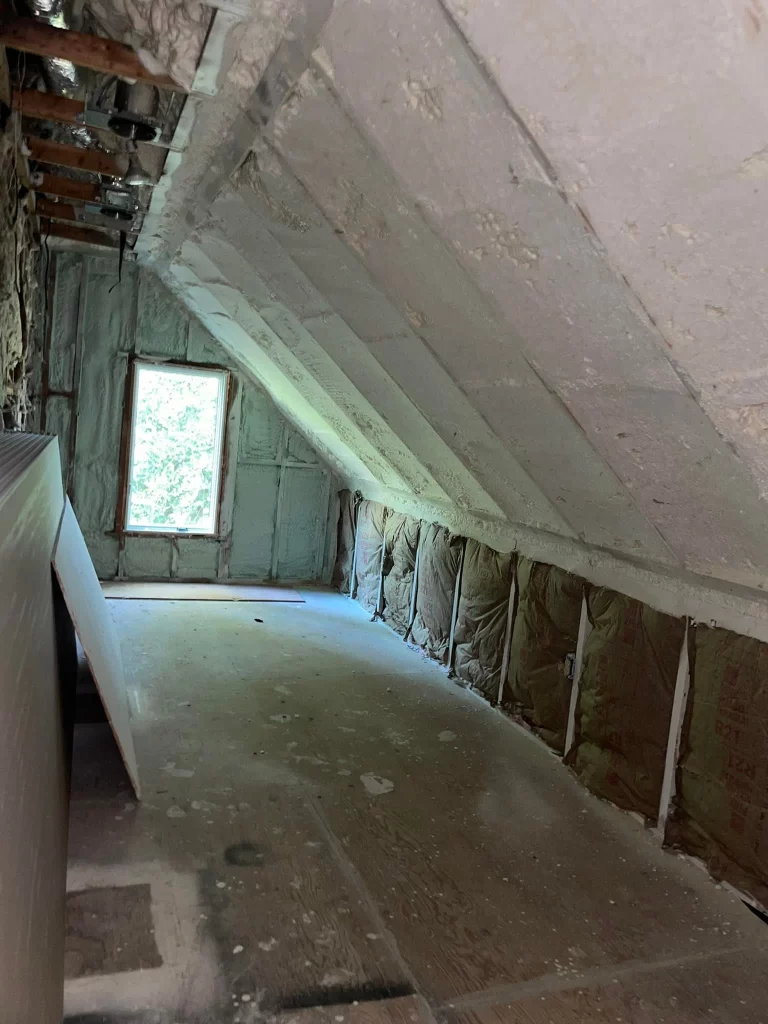
Spray foam insulation requires a higher initial investment than traditional materials, but it delivers superior soundproofing and energy efficiency. For a standard nursery room in Salisbury, the exact cost of professional installation will vary based on the foam type and wall thickness chosen. However, this investment pays returns through improved quality of life and reduced utility usage. According to the U.S. Department of Energy, proper insulation can lower heating and cooling costs by 15–20% annually, translating to significant yearly savings in Salisbury’s climate.
Soundproofing also increases property value. Modern homebuyers increasingly value quiet spaces and energy efficiency. Homes with professional spray foam insulation often sell faster and at higher prices than comparable properties with traditional insulation.
Before choosing spray foam for nursery soundproofing, evaluate several practical factors. The age and condition of your home matter significantly. Older homes with existing moisture issues may need remediation before foam installation. Vapor barriers and proper drainage must address any water infiltration problems first.
Check local building permits and requirements. Wicomico County may require permits for insulation projects, especially if they involve electrical or plumbing modifications. Working with licensed installers familiar with local codes ensures compliance and quality workmanship.
Consider timing the project during home renovation phases. Installing spray foam before drywall goes up is most efficient. Retrofitting existing walls requires removing drywall, increasing costs and disruption. Plan nursery soundproofing during broader renovation projects to minimize impact on your family.
Assess your budget against both immediate and long-term benefits. While closed-cell foam costs more upfront, its superior performance and moisture resistance may provide better value over time, especially in Salisbury’s humid climate.
Spray foam insulation offers Salisbury homeowners an effective solution for nursery soundproofing while improving energy efficiency. Closed-cell foam provides the best performance in the local climate, handling humidity well while blocking significant noise transmission. Proper installation by experienced professionals ensures optimal results and safety.
Before proceeding, evaluate your home’s condition, local requirements, and budget. Consider scheduling spray foam installation during larger renovation projects to minimize disruption. The investment creates lasting benefits through energy savings, improved comfort, and better sleep for your baby.
For personalized guidance about nursery soundproofing solutions in Salisbury, contact Peninsula Insulation, LLC at wil@mdsprayfoam.net or call (410) 770-2624. Experienced technicians can assess your specific situation and recommend the most effective approach for creating a quiet, comfortable nursery environment.
A standard nursery room typically requires 1-2 days for complete installation. The actual foam application takes just a few hours, but preparation and cleanup extend the timeline. The foam cures within 24 hours, allowing drywall installation the following day.
No insulation eliminates all sound, but spray foam significantly reduces noise transmission. Properly installed spray foam in a nursery can reduce outside noise by 50-75%, creating a much quieter sleep environment. Combining foam with other soundproofing techniques yields the best results.
Once fully cured, spray foam is completely non-toxic and safe for nurseries. The installation process requires temporary evacuation and ventilation, but the final product is an inert plastic similar to other building materials. Always choose professional installers who use high-quality, low-VOC formulations.
DIY spray foam kits exist, but nursery soundproofing requires professional skill and equipment. Proper application technique significantly affects acoustic performance and safety. Professional installation ensures consistent coverage, proper thickness, and compliance with building codes.
Spray foam outperforms traditional insulation like fiberglass or cellulose for soundproofing. It provides superior air sealing and density compared to these materials. However, specialized soundproofing products like mass-loaded vinyl or acoustic panels may complement spray foam for extreme noise situations.