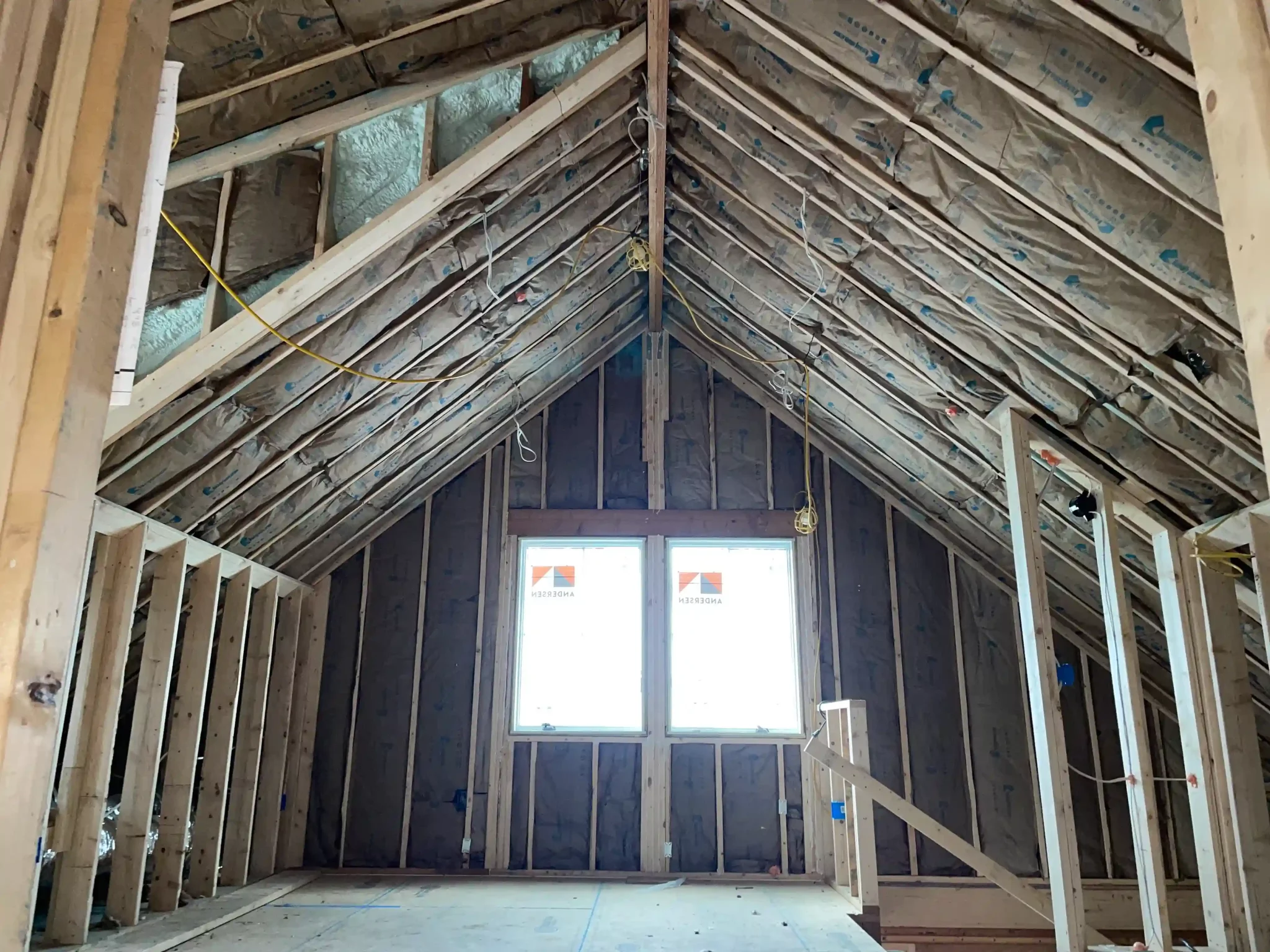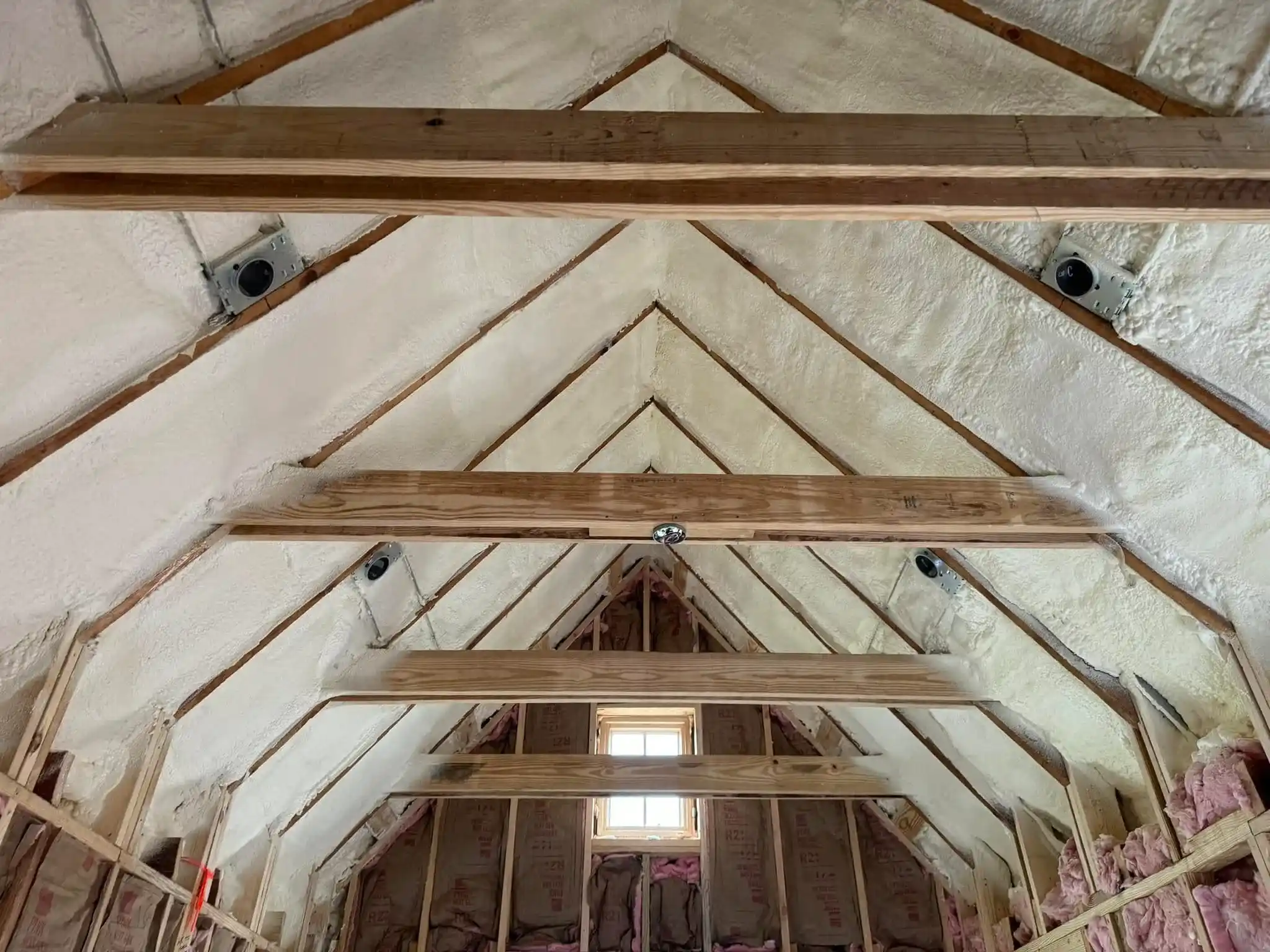
What Happens When Traditional Insulation in New Carrollton, MD Leaves Air Gaps?
When traditional insulation in New Carrollton, MD develops air gaps, it stops doing the one job it was installed to…

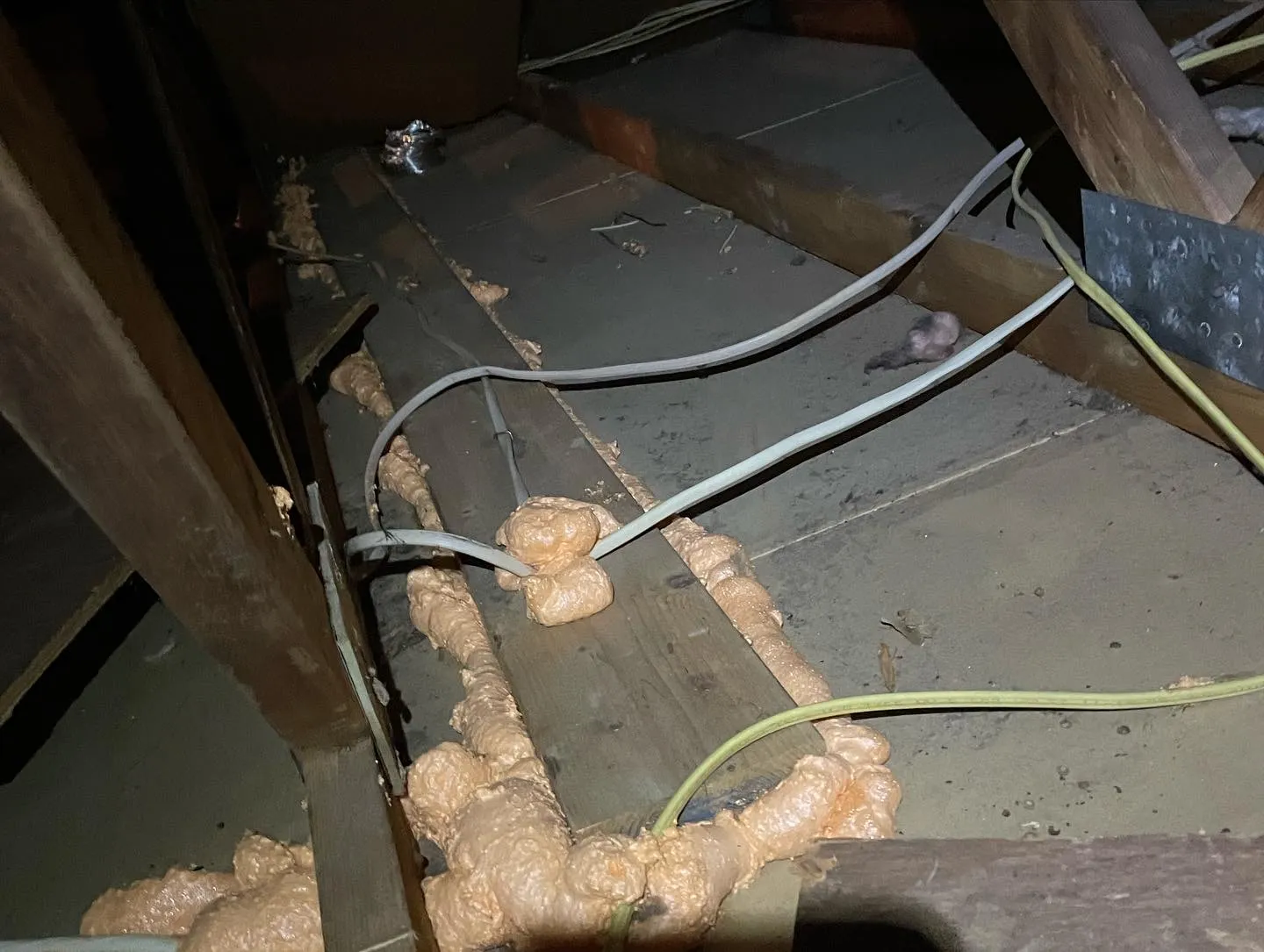
When air sealing is left unaddressed in an Annapolis home, the consequences build quietly and compound over time. The air leaks hidden throughout your building envelope, from gaps around windows and doors to unsealed rim joists and penetrations for plumbing and wiring, create a constant pathway for unconditioned air, moisture, and pollutants to move in and out of your home. According to ENERGY STAR, air leakage accounts for 25 to 40 percent of the energy used for heating and cooling in a typical residence. In a climate like Annapolis, where summer humidity and winter cold both put pressure on your building envelope, professional air sealing can address these vulnerabilities before they contribute to rising energy bills, hidden moisture damage, indoor air quality problems, and accelerated wear on your HVAC system. The good news is that targeted air sealing, applied strategically by experienced professionals, addresses each of these issues at their source.
The stack effect is one of the primary forces driving air through your home, and it operates relentlessly. According to Wikipedia’s entry on the stack effect, during the heating season, warmer indoor air rises and escapes through openings near the top of the building, while cold outdoor air is drawn in through leaks at lower levels. During the cooling season, the process reverses, though typically with less force because temperature differences between indoors and outdoors are smaller in summer.
In a two-story Annapolis home, this means your expensive heated air is being pulled out through attic penetrations every winter, while cold air gets sucked in through basement rim joists, foundation gaps, and unsealed window rough openings. The Building Science Corporation notes that air leaks can be responsible for a third or more of the energy loss in typical houses, driven by the stack effect, wind pressure, and mechanical exhaust fans. When air sealing is ignored year after year, this constant air exchange quietly adds up to a significant financial and comfort penalty.
Air carries water vapor, and in a humid-summer climate like Annapolis, that means every cubic foot of unconditioned air entering your home through leaks brings moisture with it. When that warm, moist air enters wall cavities or attic spaces and contacts cooler surfaces, condensation forms on framing members, sheathing, and insulation. Proper air sealing for moisture control helps limit this unwanted moisture movement and protect the building envelope.
The DOE Building Science Education resource explains that poorly air-sealed homes provide a pathway for moisture into the building envelope, which leads to mold growth, wood rot, and reduced effectiveness of insulation. Once insulation becomes damp, its thermal resistance drops, which accelerates energy loss even further, creating a compounding cycle of inefficiency and damage.
The EPA confirms that mold begins growing indoors when spores land on surfaces that are wet, and that moisture control is the single most important factor in preventing mold. In homes where air sealing has been ignored, hidden condensation inside wall cavities and ceiling assemblies can go unnoticed for years, slowly degrading structural wood, ruining insulation, and creating conditions for mold that are difficult and expensive to remediate.
Many homeowners in older Annapolis properties have lived with chronic comfort issues for so long they no longer notice them. Cold floors near exterior walls, drafty rooms that never warm up in winter, upstairs spaces that stay hot in summer despite the AC running constantly, and temperature differences of several degrees between rooms are all symptoms of uncontrolled air leakage. Understanding whether to air seal or insulate first can help identify the right solution.
These are not problems you have to live with. A properly sealed building envelope eliminates the random air movement that causes these temperature swings. The DOE notes that comprehensive air sealing reduces drafts, cold spots, and noise while maintaining more consistent comfort from room to room.
One of the most misunderstood aspects of living in an unsealed home is the assumption that leaks provide “fresh air.” In reality, the air entering your home through random envelope leaks comes from wherever the path of least resistance leads, including attic spaces, crawl areas, wall cavities, and garage zones. The Building Science Corporation puts it plainly: any air that enters through leaks in the building envelope may be loaded with pollutants.
In an unsealed home, your family may be breathing air that has passed through insulated cavities where mold is growing, through garage spaces where vehicle exhaust accumulates, or through basement areas where radon gas can seep in. Controlled mechanical ventilation, paired with proper air sealing, gives you authority over what enters your home and at what rate, which is far safer than relying on accidental leaks for fresh air.
When unconditioned air constantly infiltrates your home, your heating and cooling system has to work harder to maintain the thermostat setting. In summer, humid air entering through leaks forces your AC to remove that extra moisture in addition to cooling the air, which is a significantly more energy-intensive process. In winter, every cubic foot of cold air that enters has to be heated, and every cubic foot of warm air that escapes has to be replaced.
Over years, this extra strain shortens the lifespan of your HVAC equipment. Systems that run longer cycles and turn on more frequently experience more wear on compressors, blower motors, heat exchangers, and other components. Air sealing reduces the load on your HVAC system, which means lower monthly bills and fewer premature replacements.
| Area of Impact | Short-Term Effects (1-3 Years) | Long-Term Effects (5+ Years) |
|---|---|---|
| Energy Costs | Noticeable increase in heating and cooling bills | Compounding energy waste as insulation degrades from moisture |
| Comfort | Drafty rooms, temperature imbalances | Chronic hot/cold spots, some rooms become unusable seasonally |
| Moisture & Structure | Minor condensation on windows, musty smells | Hidden mold, wood rot, sheathing damage, compromised framing |
| Indoor Air Quality | Increased dust, seasonal allergy irritation | Persistent mold exposure, potential radon infiltration, pollutant buildup |
| HVAC System | Longer run cycles, more frequent cycling | Shortened equipment lifespan, more frequent repairs, early replacement |
| Insulation Performance | Slight reduction from dampness | Significant R-value loss as moisture accumulates in cavities |
Annapolis sits in a mixed-humid climate zone, which means homes here face moisture challenges from both summer and winter. Summer brings sustained high humidity, and the air conditioning season creates conditions where warm, moist outdoor air is constantly trying to push its way into cooler interior wall cavities. Winter brings cold temperatures that drive the stack effect, pulling dry air in at the base and pushing warm, moist indoor air into attic and roof assemblies where it can condense on cold surfaces.
Homes built decades ago in the Annapolis area were constructed before modern air barrier standards existed. Many have balloon framing, unsealed rim joists, gaps around window and door rough openings, and penetrations for plumbing and electrical runs that were never sealed during construction. Each of these gaps represents an open pathway that has been allowing air and moisture movement for years, often hidden behind finished walls and ceilings where the damage goes unnoticed.
Effective air sealing is not a single product. It is a systematic approach to closing the gaps in your building envelope. The most common targets include:
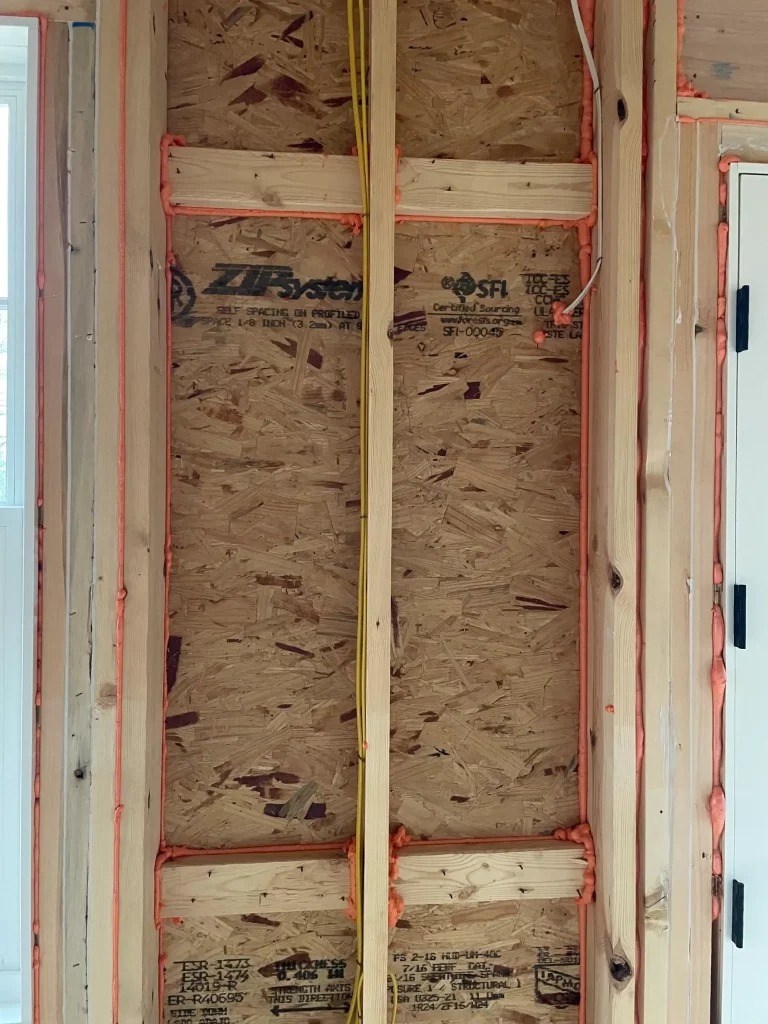
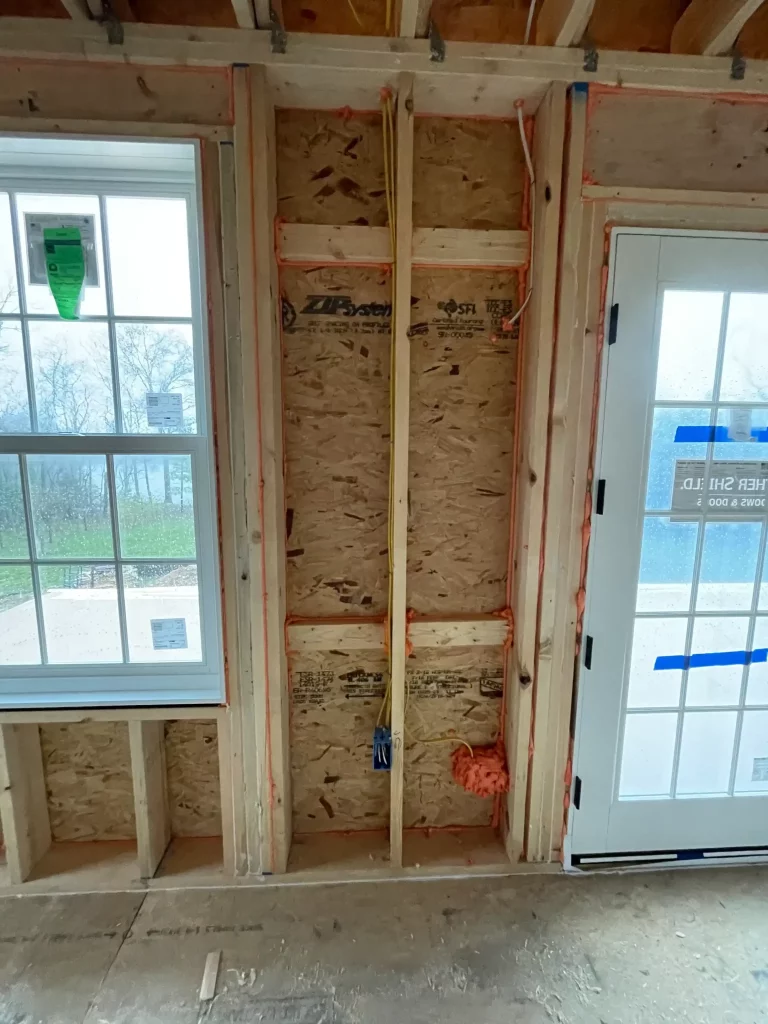
Spray foam insulation is particularly effective for air sealing because it expands to fill irregular gaps and adheres to surrounding materials, creating both an insulating layer and an air barrier in a single application. Our team uses spray foam at the most common leakage points to deliver both thermal performance and air control, while local project ratings can help homeowners evaluate the quality of similar insulation work.
When you are ready to address years of ignored air leakage, the team you choose matters. Look for a provider who performs a blower door test before and after sealing to measure the actual reduction in air leakage, rather than guessing at results. A strong partner will explain exactly where the leaks are, what materials will be used at each location, and why each approach was chosen for that specific area. They should also discuss ventilation needs, because a tight home requires controlled fresh air to maintain healthy indoor air quality. Transparency about the process, clear communication, and a focus on measurable outcomes are the marks of a contractor who will deliver lasting results.
Peninsula Insulation, LLC has the experience and building science knowledge to identify and seal the air leakage pathways that have been costing you comfort and energy for years. Our team evaluates every penetration, gap, and assembly in your building envelope and applies targeted air sealing solutions where they make the biggest impact.
Reach us at (410) 770-2624 or email wil@mdsprayfoam.net to get started. The longer air sealing is delayed, the more damage accumulates behind your walls.
Common signs include drafty rooms, uneven temperatures between floors, high energy bills, visible gaps around trim and baseboards, and musty smells that indicate moisture is entering through unsealed pathways.
A properly sealed home should include controlled mechanical ventilation to maintain fresh air. The goal is to control where air comes from rather than relying on random leaks, which is safer and more efficient.
Yes. By blocking the pathways that allow humid air into wall cavities and attic spaces, air sealing reduces condensation and moisture accumulation, which are the direct causes of mold growth.
Rim joists, attic penetrations, window and door rough openings, and any plumbing or electrical penetrations through the building envelope are typically the highest-impact areas to seal.
Insulation slows heat transfer but does not stop air movement. Air sealing closes the actual gaps and cracks where air passes through, which is why both are needed for a high-performing building envelope.