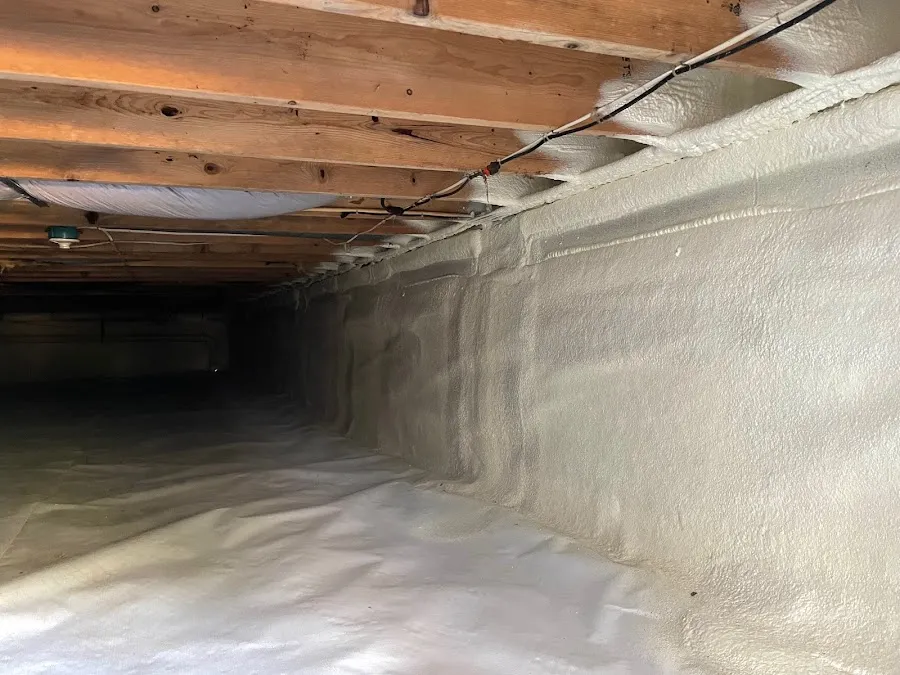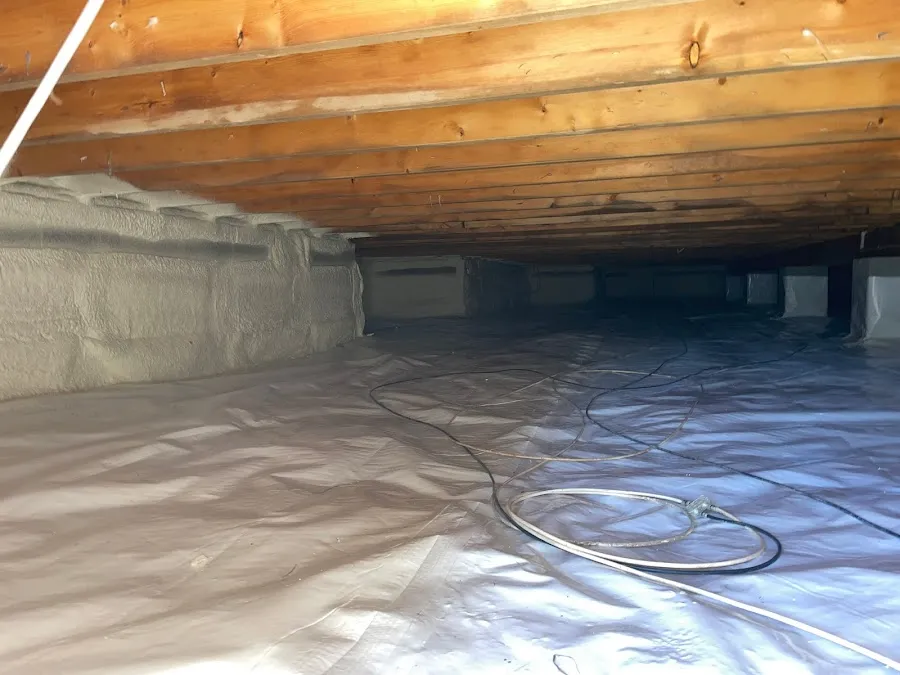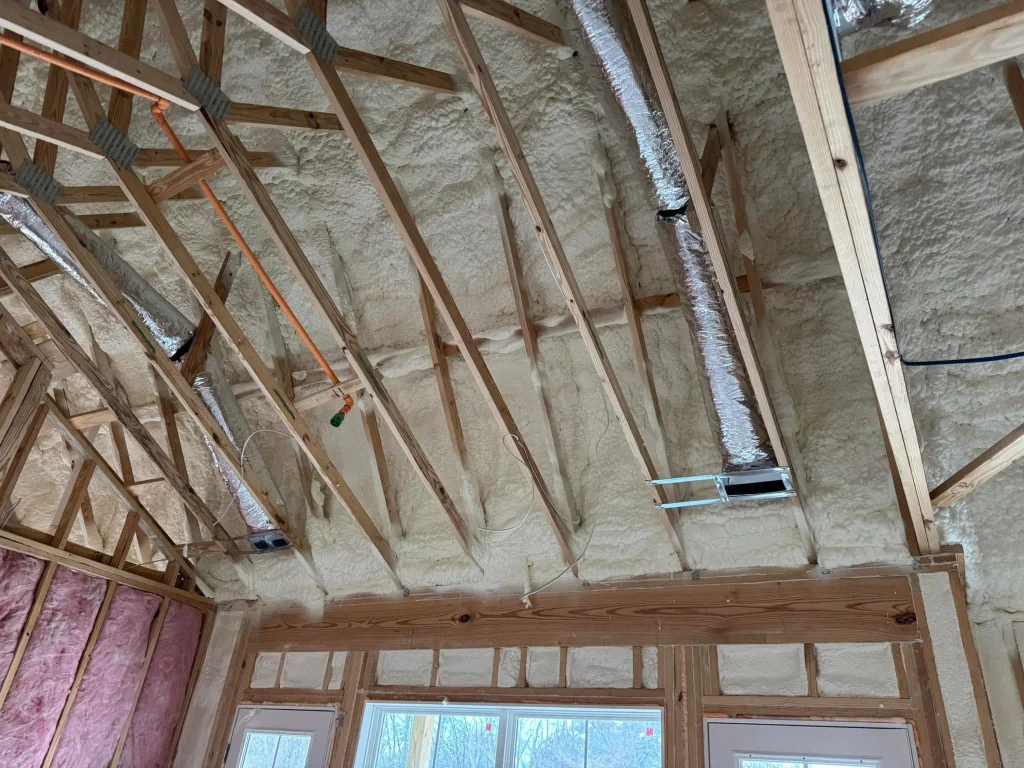
High Energy Bills? Insulation Solutions That Work in Easton, MD
High energy bills in Easton, MD, typically stem from inadequate insulation that fails to meet Climate Zone 4 requirements. Most…


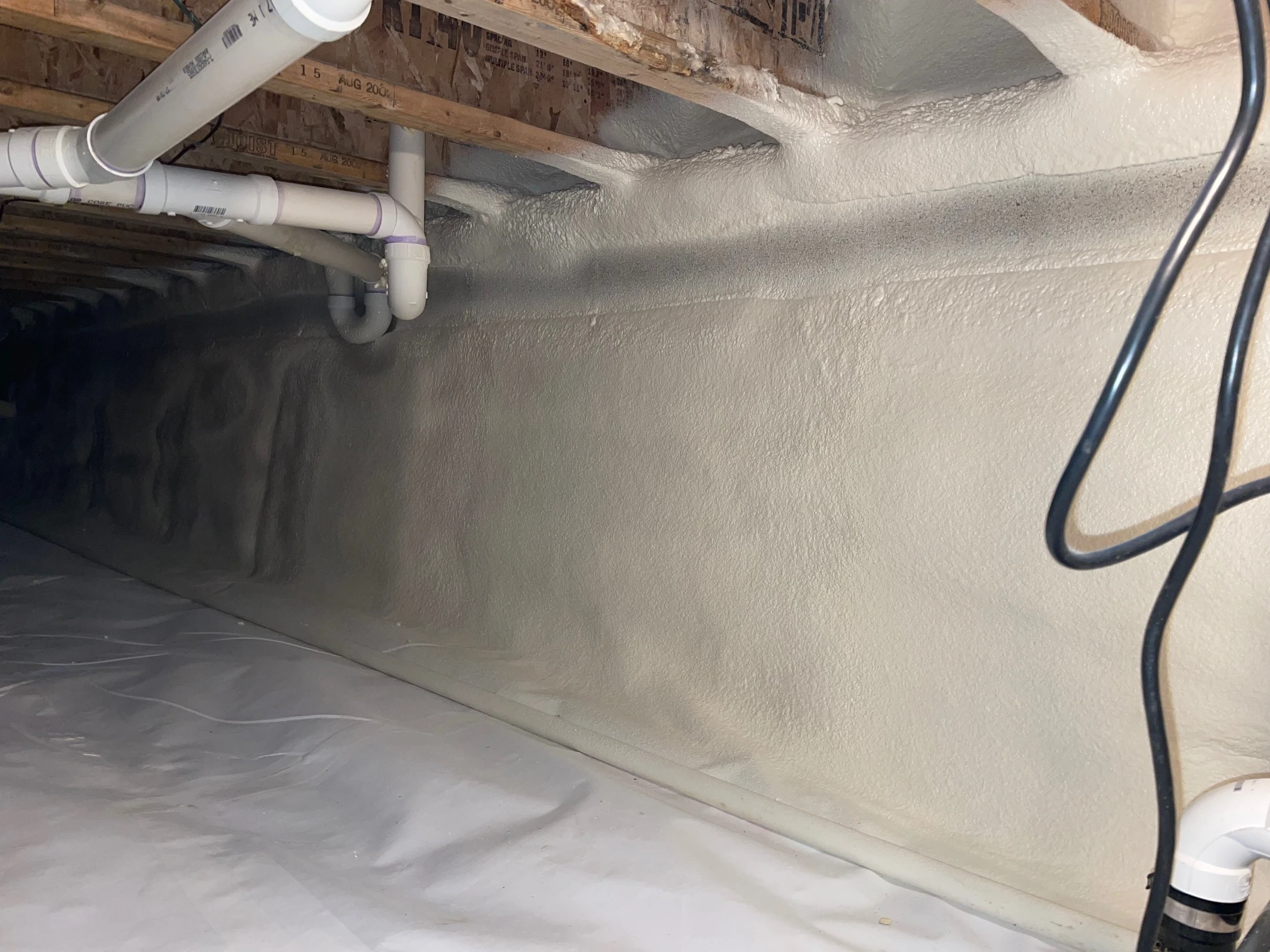
Crawl space encapsulation directly addresses the hidden source of asthma triggers in many Annapolis homes by sealing out moisture that creates mold growth and circulates allergens throughout living spaces. This process involves installing a vapor barrier and sealing foundation vents to prevent ground moisture from entering the home’s air system. For asthma sufferers in Maryland’s humid climate, encapsulation can significantly reduce indoor air pollutants that trigger attacks, creating a healthier living environment.
This guide explains the science behind how crawl spaces affect asthma symptoms, provides Annapolis-specific climate considerations, and offers practical insights from years of experience addressing these issues in local homes. Understanding this connection can help you make informed decisions about managing asthma through home improvements.
Crawl spaces under Annapolis homes naturally create conditions that worsen asthma symptoms. The humid Maryland climate causes ground moisture to evaporate upward into the crawl space, where it becomes trapped. This moisture creates perfect conditions for mold growth and dust mite populations, two major asthma triggers.
Traditional ventilated crawl spaces actually make problems worse by allowing humid summer air to enter, where it condenses on cool surfaces. This creates a continuous cycle of moisture accumulation. The stack effect then draws these pollutants upward into the living areas through floor cracks, electrical penetrations, and plumbing openings.
Many homeowners don’t realize their crawl space is connected to their home’s breathing air. In fact, according to the Environmental Protection Agency, up to 50% of the air on your first floor comes from the crawl space or basement below. This means whatever is growing in your crawl space eventually circulates through your home.
Mold spores from crawl spaces trigger asthma attacks through direct inhalation. The Institute of Medicine has found sufficient evidence linking indoor mold exposure to upper respiratory tract symptoms, coughing, and wheezing in otherwise healthy people. For those with asthma, mold exposure can cause more severe attacks and increase sensitivity to other triggers.
Dust mites thrive in the high-humidity conditions of unsealed crawl spaces. These microscopic creatures produce waste products that become airborne and trigger asthma symptoms when inhaled. The CDC identifies dust mites as one of the most common indoor asthma triggers.
Moisture in crawl spaces also attracts pests whose droppings and body parts become additional asthma triggers when they break down and become airborne. Cockroaches and rodents are particularly problematic for asthma sufferers, and both seek out damp, dark spaces like unencapsulated crawl spaces.
Annapolis sits near the Chesapeake Bay, creating specific humidity challenges. The area averages over 75% relative humidity during summer months, far above the 30-50% range recommended for asthma-friendly homes. This coastal moisture seeps into the ground soil and continuously evaporates into crawl spaces.
Local soil composition in parts of Anne Arundel County contains clay that holds water like a sponge, providing a constant moisture source beneath homes. During spring thaws and heavy rains common to the region, water tables can rise dramatically, saturating the ground under crawl spaces.
Temperature swings between Maryland’s humid summers and cold winters create additional moisture problems. In winter, warm indoor air condenses on cool crawl space surfaces. In summer, hot, humid outdoor air does the same. This year-round moisture cycling never allows materials to fully dry out.
| Solution | Effectiveness | Longevity | Asthma Impact |
|---|---|---|---|
| Ventilation Only | Low | 5-10 years | Minimal |
| Vapor Barrier Only | Medium | 10-15 years | Moderate |
| Full Encapsulation | High | 20-25 years | Significant |
| Dehumidifier Only | Medium | 5-8 years | Moderate |
Full encapsulation provides the most comprehensive solution for asthma sufferers because it addresses moisture at the source while sealing the space from the living areas above. While the initial investment is higher, the long-term benefits for respiratory health often justify the cost for those with chronic asthma.
Bonus Tip: When installing vapor barriers, overlap seams by at least 12 inches and seal them with specialized tape designed for crawl space applications. This prevents moisture from finding pathways through the barrier.
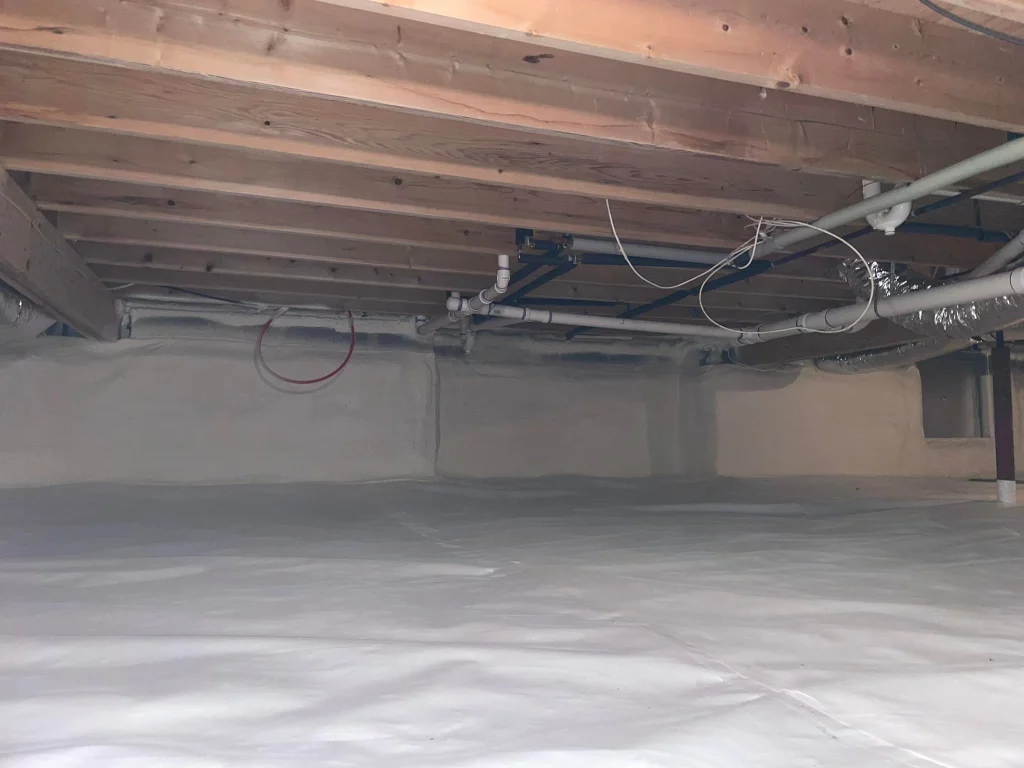
Check your current crawl space conditions before deciding on encapsulation. Look for visible mold, musty odors, standing water, or condensation on pipes. These signs indicate active moisture problems that require immediate attention. Consider hiring a professional mold inspector if you suspect hidden issues but can’t see clear evidence.
Evaluate your home’s specific construction. Homes with HVAC systems or ductwork running through the crawl space benefit most from encapsulation since these systems can directly distribute crawl space contaminants throughout the house. Peninsula Insulation, LLC frequently finds that these homes show the most dramatic improvement in air quality after encapsulation.
Assess your foundation condition. Major cracks or structural issues should be addressed before encapsulation, as trapping moisture against compromised foundations can cause additional problems. A structural inspection may be necessary if you notice bowing walls, significant cracks, or uneven floors.
Bonus Tip: Test for radon before encapsulating your crawl space. Sealing the space can increase radon levels in your home if this gas is present in your soil. Many encapsulation projects include radon mitigation systems for this reason.
Crawl space encapsulation offers a practical solution for reducing asthma triggers by addressing moisture problems at their source. For Annapolis residents dealing with humid conditions and the respiratory challenges they create, this approach can provide meaningful relief from symptoms while protecting the home’s structural integrity.
The decision to encapsulate depends on your specific situation, asthma severity, and home construction. Consider getting a professional assessment to determine whether encapsulation would benefit your particular case, especially if you notice musty odors, visible moisture, or unexplained increases in asthma symptoms.
For personalized guidance on addressing crawl space moisture and its connection to asthma symptoms in Annapolis homes, Peninsula Insulation, LLC offers detailed assessments based on local building science. Contact wil@mdsprayfoam.net or call (410) 770-2624 to schedule an evaluation of your specific situation. Our experience with Maryland’s climate challenges can help determine whether encapsulation would benefit your family’s respiratory health.
Encapsulation includes a vapor barrier but adds complete sealing of foundation walls, vents, and penetrations. This creates a conditioned space rather than just covering the ground. The comprehensive approach is necessary for asthma control because it addresses all moisture and air movement pathways.
DIY encapsulation is possible but challenging. Proper installation requires specialized materials, knowledge of building science, and attention to detail that most homeowners lack. Mistakes in sealing or material selection can make problems worse rather than better.
Properly encapsulated crawl spaces include controlled ventilation or conditioning as needed. The goal isn’t to create a sealed box but to control what enters the space and how it interacts with your home. Professional installers calculate the right balance for your specific home.
Encapsulated crawl spaces need minimal maintenance. Annual visual inspections of the vapor barrier and sump pump operation are typically sufficient. The vapor barrier should be checked for damage or animal intrusion, but otherwise requires no regular attention.
Yes. Even without visible mold, unsealed crawl spaces produce humidity that creates ideal conditions for dust mites and can circulate soil gases and other pollutants. The Centers for Disease Control and Prevention recommends maintaining indoor humidity below 50% to reduce asthma triggers.