High Energy Bills? Insulation Solutions That Work in Easton, MD
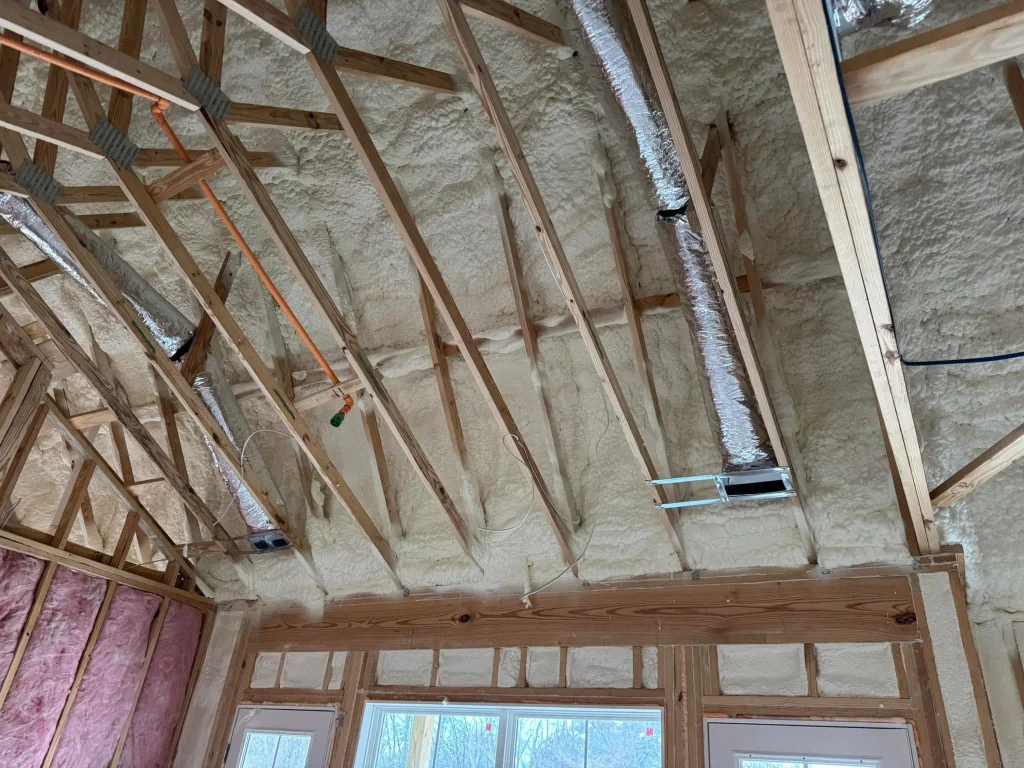
High energy bills in Easton, MD, typically stem from inadequate insulation that fails to meet Climate Zone 4 requirements. Most…

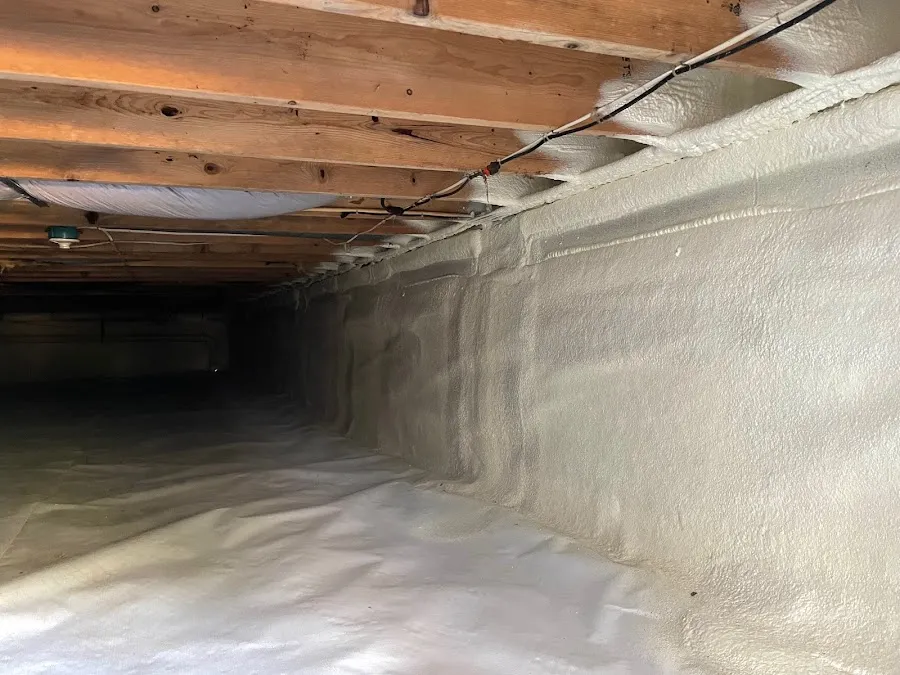
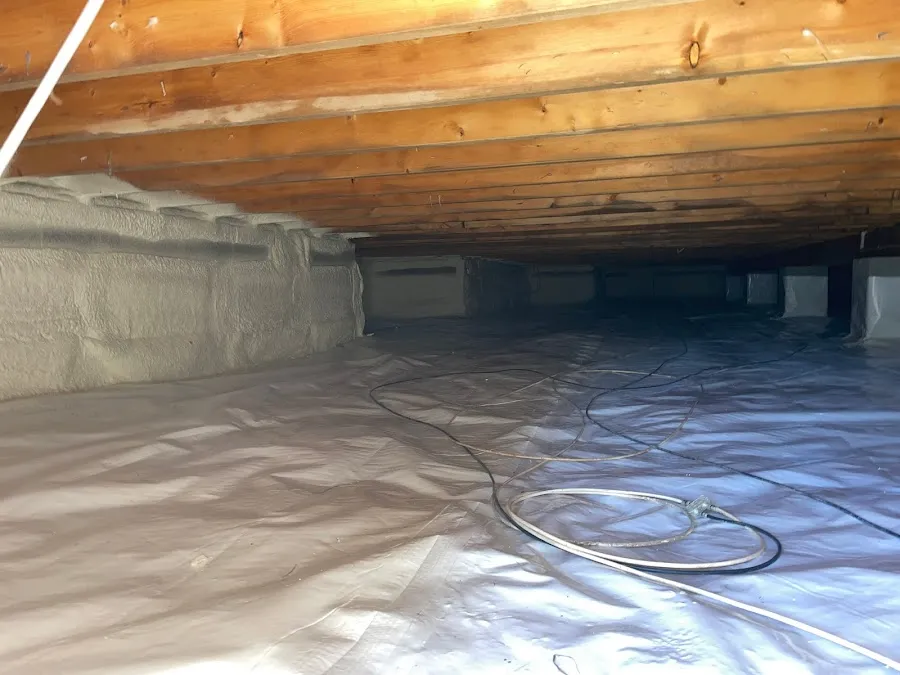
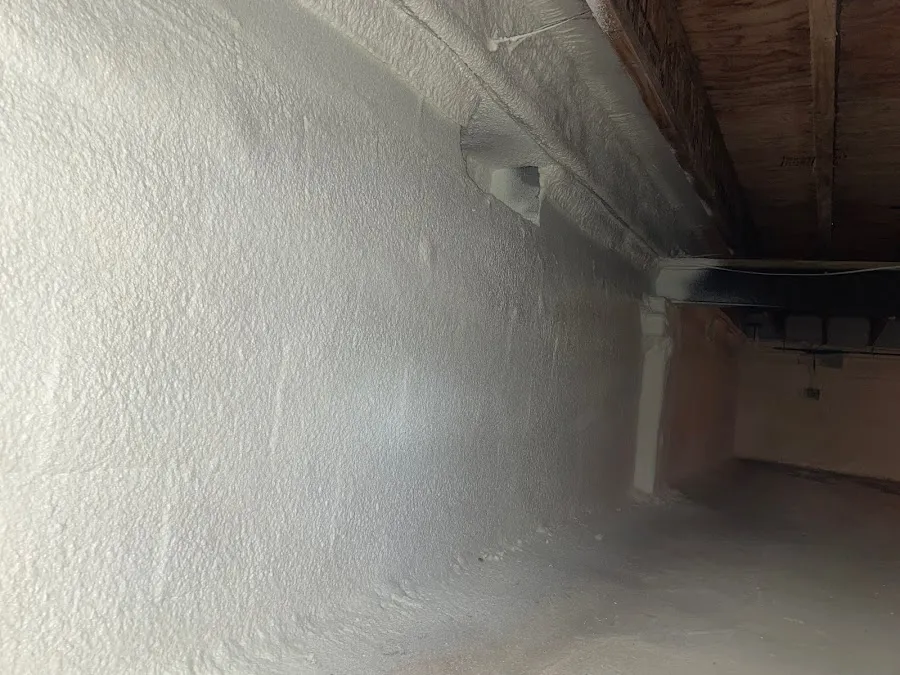
Crawl space encapsulation is a comprehensive moisture control system that seals your crawl space from ground moisture and outside air, creating a protected environment beneath your home. The process involves installing a heavy-duty vapor barrier across the floor and walls, sealing all vents and gaps, and often adding a dehumidifier to maintain optimal humidity levels. This approach is particularly valuable for homeowners in humid climates or areas with high water tables, where moisture intrusion can lead to mold growth, structural damage, and poor indoor air quality. Unlike simple vapor barriers that only cover the ground, full encapsulation creates a complete seal that transforms your crawl space into a semi-conditioned space, improving energy efficiency and air quality throughout your home.
Most homes built on crawl spaces were designed with vented systems, relying on cross-ventilation to keep the space dry. However, this approach often backfires, especially in humid climates. When warm, moist air enters through vents, it contacts cooler surfaces in the crawl space and condenses, creating the perfect environment for mold, wood rot, and pest infestations.
According to Modernize, moisture problems in crawl spaces affect a significant percentage of homes with this foundation type, leading to structural damage and health concerns. The stack effect means air from your crawl space rises into your living areas, carrying with it any contaminants present below your home.
Ground moisture also plays a major role. Uncovered soil releases moisture continuously, with studies showing that uncovered crawl space soil can release up to 10 gallons of water vapor daily into a home. This constant moisture source overwhelms passive ventilation systems and creates persistent humidity problems.
The encapsulation process creates a complete barrier between your home and the moisture sources below it. A professional encapsulation system typically includes several key components working together.
Before any sealing begins, the crawl space must be cleared of debris and existing moisture problems addressed. This includes removing standing water, repairing any plumbing leaks, and addressing existing mold or pest issues. The preparation phase also involves leveling the ground surface and removing sharp objects that could puncture the vapor barrier.
The foundation of any encapsulation system is the vapor barrier, typically a heavy-duty polyethylene liner ranging from 6 to 20 mils thick. Professional-grade systems use reinforced liners that resist tearing and provide long-term durability. The liner covers the entire floor and extends up the walls, sealed at all seams and edges.
Traditional crawl spaces allow outside air to circulate freely. Encapsulation involves sealing all vents with insulated covers and closing any gaps around pipes, wiring, and other penetrations. This prevents humid air from entering and stops the air exchange that carries moisture into the space.
Once sealed, the crawl space needs a method to control humidity. Most systems include a dedicated crawl space dehumidifier sized appropriately for the space. Some systems also connect to the home’s HVAC system for conditioned air supply, creating a semi-conditioned space that maintains stable humidity levels year-round.
| Component | Purpose | Material Options | Typical Lifespan |
|---|---|---|---|
| Vapor Barrier | Blocks ground moisture | 6-20 mil polyethylene | 15-25 years |
| Wall Liner | Seals foundation walls | Reinforced polyethylene | 20+ years |
| Vent Covers | Block outside air | Insulated foam or plastic | 25+ years |
| Dehumidifier | Controls humidity | Commercial-grade units | 5-10 years |
| Drainage System | Removes standing water | Sump pump, French drain | 15-20 years |
| Insulation | Improves efficiency | Closed-cell spray foam, rigid foam | 20+ years |
The advantages of crawl space encapsulation extend far beyond simply keeping the space dry. JES Foundation Repair notes that encapsulation addresses multiple home performance issues simultaneously, making it one of the most valuable home improvements available.
Mold spores, dust mites, and other allergens thrive in damp crawl spaces. These contaminants then enter your living space through the stack effect. Encapsulation eliminates the moisture source that allows mold to grow, significantly improving the air you breathe. According to USS Tennessee, homes with encapsulated crawl spaces show marked improvements in respiratory symptoms among occupants, particularly those with asthma or allergies.
A damp crawl space creates a continuous cooling and heating load on your home. Moisture absorbs heat in winter and requires additional cooling in summer. By sealing and conditioning the crawl space, you eliminate this energy drain. Studies show properly encapsulated homes see energy savings of 10-20% on heating and cooling costs.
Wood-destroying organisms, including termites, carpenter ants, and fungi, all require moisture to thrive. By controlling humidity in the crawl space, encapsulation protects structural components like floor joists, girders, and subflooring from rot and pest damage. This preservation of structural integrity represents significant long-term value.
Encapsulation is increasingly recognized as a valuable home improvement. Real estate professionals note that homes with documented encapsulation systems often sell faster and at higher prices than comparable homes with vented crawl spaces. The system demonstrates proactive maintenance and provides transferable warranties.
| Factor | Vented Crawl Space | Encapsulated Crawl Space |
|---|---|---|
| Humidity Control | Relies on the weather | Controlled environment |
| Air Quality | Up to 50% crawl space air | Clean, filtered air |
| Energy Efficiency | Higher utility bills | 10-20% savings |
| Structural Risk | Wood rot, pest damage | Protected structure |
| Maintenance | Ongoing issues | Annual inspection |
| Initial Cost | None | $5,000-$15,000 |
| Long-term Value | Decreasing | Increasing |
Recognizing moisture problems early can prevent costly damage. Walk around your home and look for these warning indicators that suggest crawl space encapsulation would benefit your property.
Standing water, damp soil, or condensation on pipes and surfaces indicate significant moisture problems. If you notice these conditions during a visual inspection, the crawl space environment is already compromised.
Musty odors in your home, especially those that intensify when the HVAC runs, suggest crawl space air entering living spaces. Warping hardwood floors, buckling laminate, or soft spots in flooring also point to moisture damage originating below.
Increased allergy symptoms, respiratory issues, or unexplained headaches among household members may trace back to poor crawl space air quality. Mold sensitivities often worsen in homes with damp crawl spaces.
Not all encapsulation systems deliver the same results. Understanding quality differences helps you evaluate proposals and select a system that provides lasting protection.
The vapor barrier represents the core of any encapsulation system. Thin, unreinforced liners fail prematurely, tearing during installation or degrading from ground contact. Look for liners rated at least 12 mils thick with reinforcement fabric for durability.
Some contractors offer ground-only barriers without wall coverage or vent sealing. These partial solutions fail to address air intrusion and leave significant moisture sources untreated. True encapsulation requires comprehensive sealing of the entire crawl space envelope.
A properly sized dehumidifier maintains humidity below 50%, the threshold for mold growth. Undersized units run continuously without achieving control, while properly sized systems cycle efficiently and maintain consistent conditions. Your Crawl Space – Moisture and Health Risks.
| Consideration | Professional Installation | DIY Approach |
|---|---|---|
| Material Quality | Commercial-grade products | Consumer-grade materials |
| Warranty | 10-25 year coverage | None or limited |
| Sealing Quality | Professional techniques | Variable results |
| Time Required | 1-3 days | 1-2 weekends |
| Cost | $5,000-$15,000 | $1,500-$4,000 |
| Compliance | Code-compliant | May miss requirements |
| Long-term Results | Proven effectiveness | Mixed outcomes |
Encapsulation systems require minimal ongoing maintenance, but annual inspections ensure continued performance. Professional maintenance typically includes checking the dehumidifier operation, inspecting the vapor barrier for damage, and verifying humidity levels remain in the target range.
Homeowners should monitor their dehumidifier and watch for any changes in home air quality or energy usage. Sudden increases in humidity or utility bills may indicate a system issue requiring professional attention.
Humidity levels in a crawl space over 12 months, comparing vented vs. encapsulated systems, showing vented spaces spiking to 80-90% humidity in summer months while encapsulated spaces maintain steady 40-50% levels year-round.
Professional encapsulation systems with quality materials typically last 15-25 years. Vapor barriers may need inspection and occasional repairs, while dehumidifiers generally require replacement every 5-10 years. Choosing reinforced liners and commercial-grade components extends system lifespan significantly.
Encapsulation prevents future mold growth by controlling moisture, but existing mold requires separate remediation before encapsulation. Most professional contractors include mold treatment as part of the preparation phase, ensuring the encapsulated space starts clean and stays that way.
Generally, encapsulated crawl spaces do not count as finished living space and should not increase taxable square footage. However, local regulations vary, so consult your local assessor’s office if you have specific concerns about property tax implications.
Yes, properly installed encapsulation systems include sealed access points that allow entry for inspections and repairs. Service technicians can access plumbing, electrical, and HVAC components while maintaining the vapor barrier’s integrity through resealable openings.
Encapsulation prevents further moisture-related structural damage but does not correct existing problems like sagging floors. Floor leveling requires additional structural repairs, which can often be performed alongside encapsulation to address both moisture and structural issues simultaneously.
Peninsula Insulation, LLC brings years of experience to every crawl space encapsulation project, delivering comprehensive moisture control solutions tailored to your home’s specific conditions. Our professional-grade materials and proven installation techniques ensure lasting protection against moisture, mold, and structural damage. We back our work with industry-leading warranties and provide detailed documentation for your records.
Call (410) 770-2624 or email wil@mdsprayfoam.net to schedule your free crawl space evaluation and learn how encapsulation can protect your home and family.