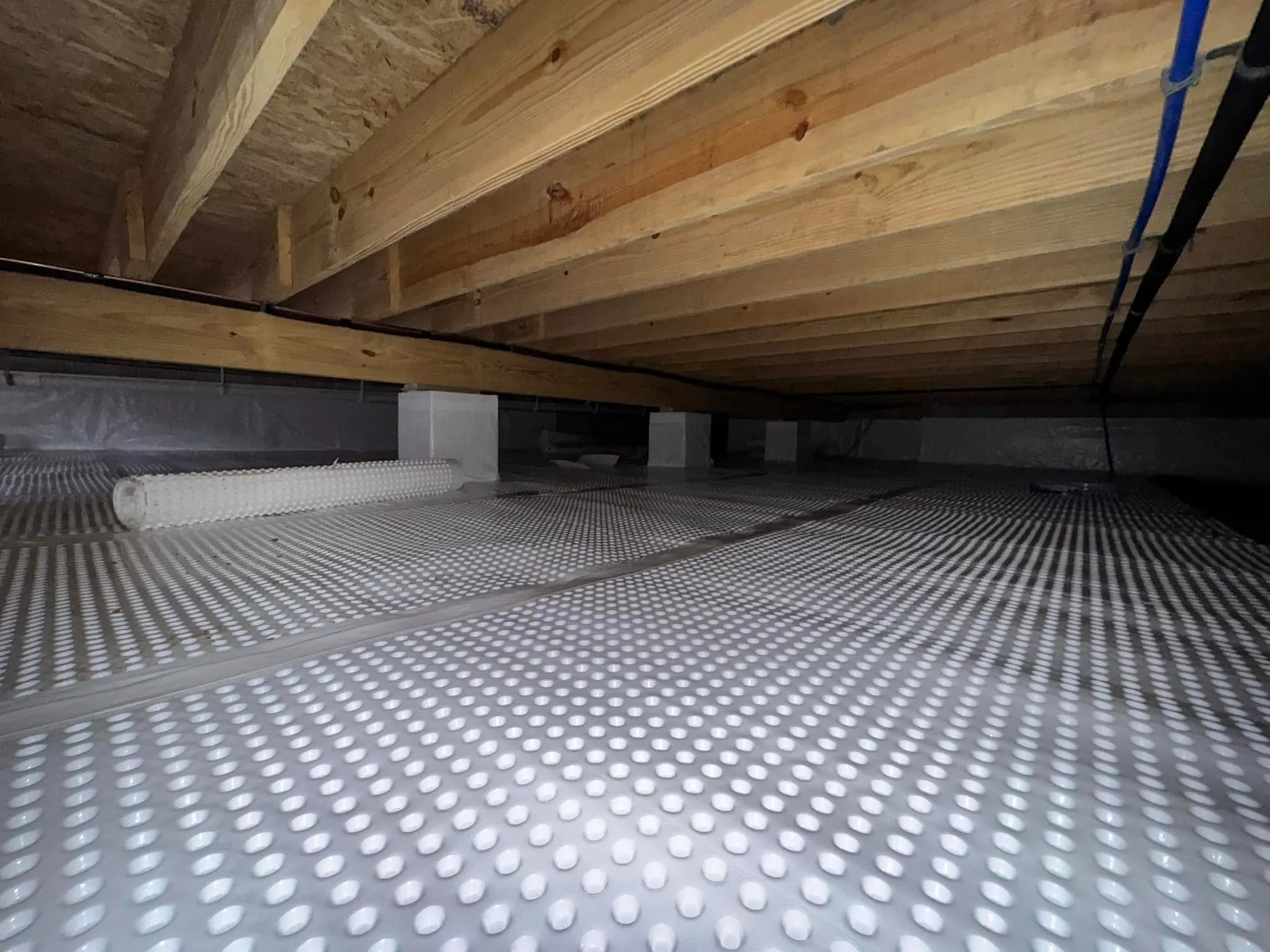
What Are the Benefits of an Encapsulated Crawl Space for Homeowners in New Carrollton, MD?
Wil Perkins
October 21st, 2026
If you have noticed musty smells, high energy bills, or signs of mold in your home, your crawl space may be the culprit. Working with a crawl space encapsulation contractor can help you seal the area against outside moisture and turn it into a clean, conditioned extension of your home. This process is particularly effective for Maryland homes, where high humidity levels can contribute to moisture damage and poor indoor air quality.
What is Crawl Space Encapsulation and How Does It Work?
Many older homes in New Carrollton were built with vented crawl spaces based on the outdated belief that airflow would keep the area dry. In practice, our humid Maryland summers often cause moisture to condense on cool surfaces under the house, making a crawl space encapsulation guide useful for understanding how to manage these conditions. Encapsulation replaces this passive ventilation with a controlled, sealed system.
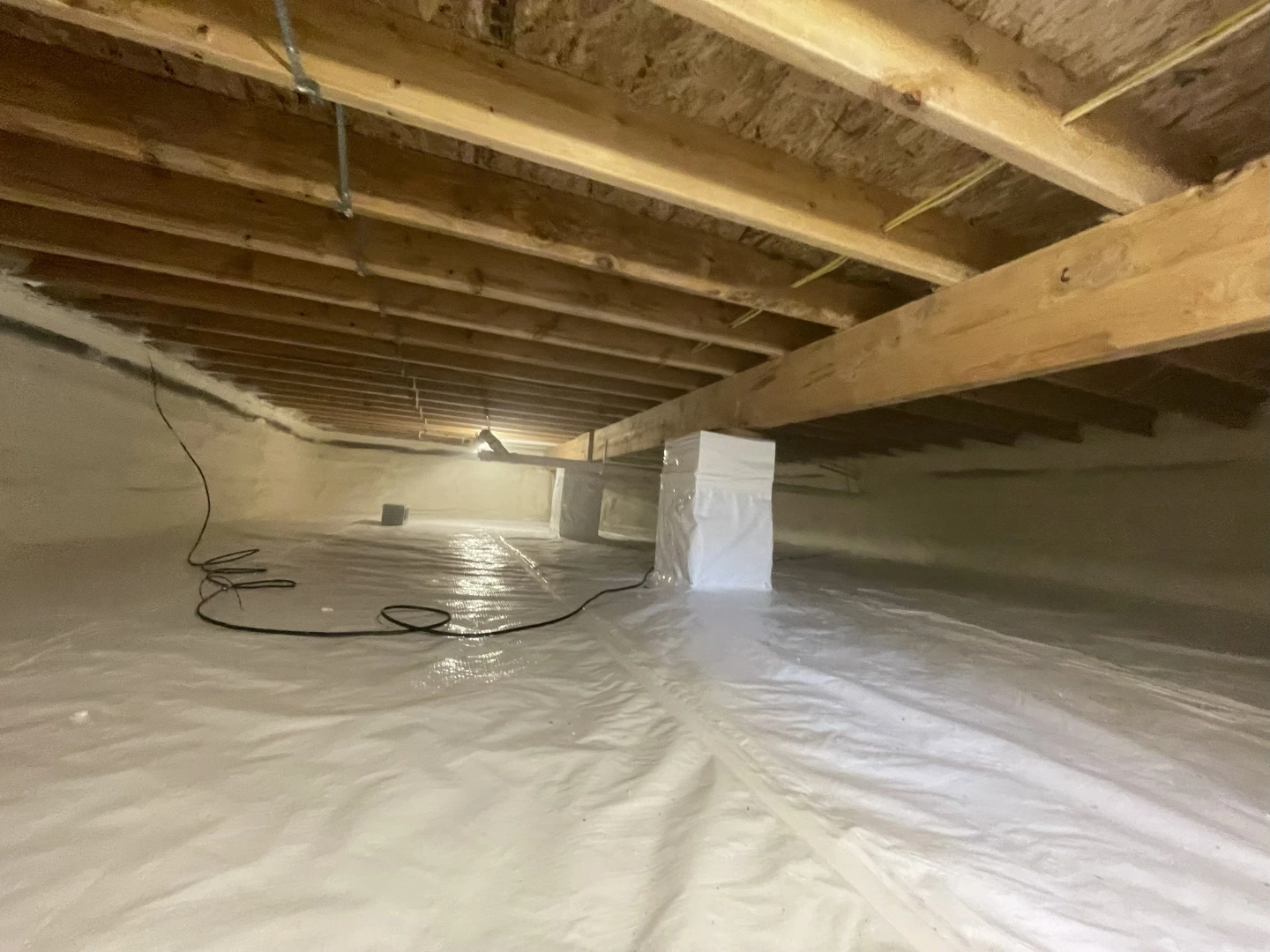
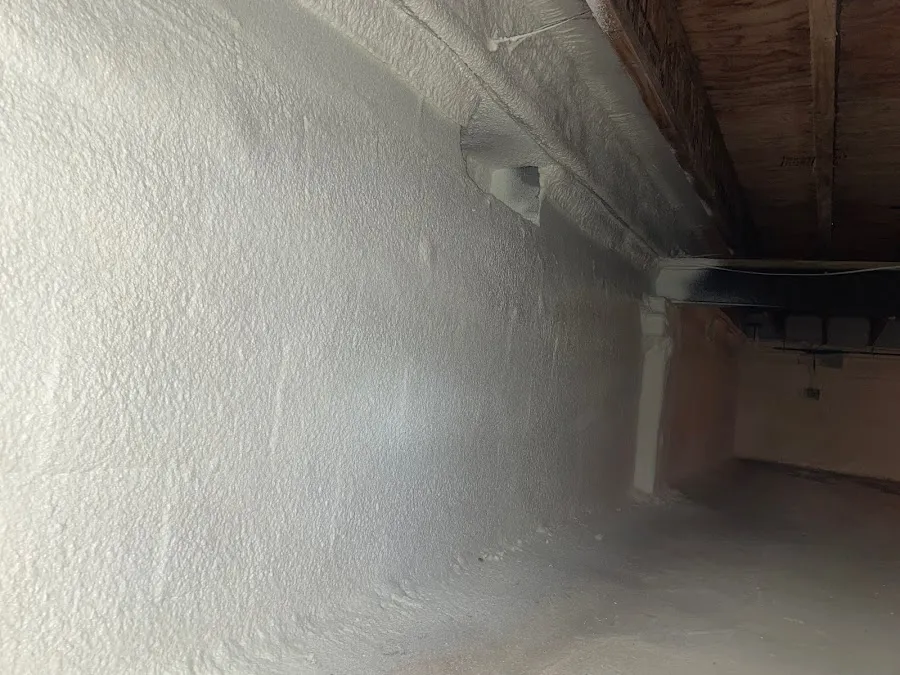
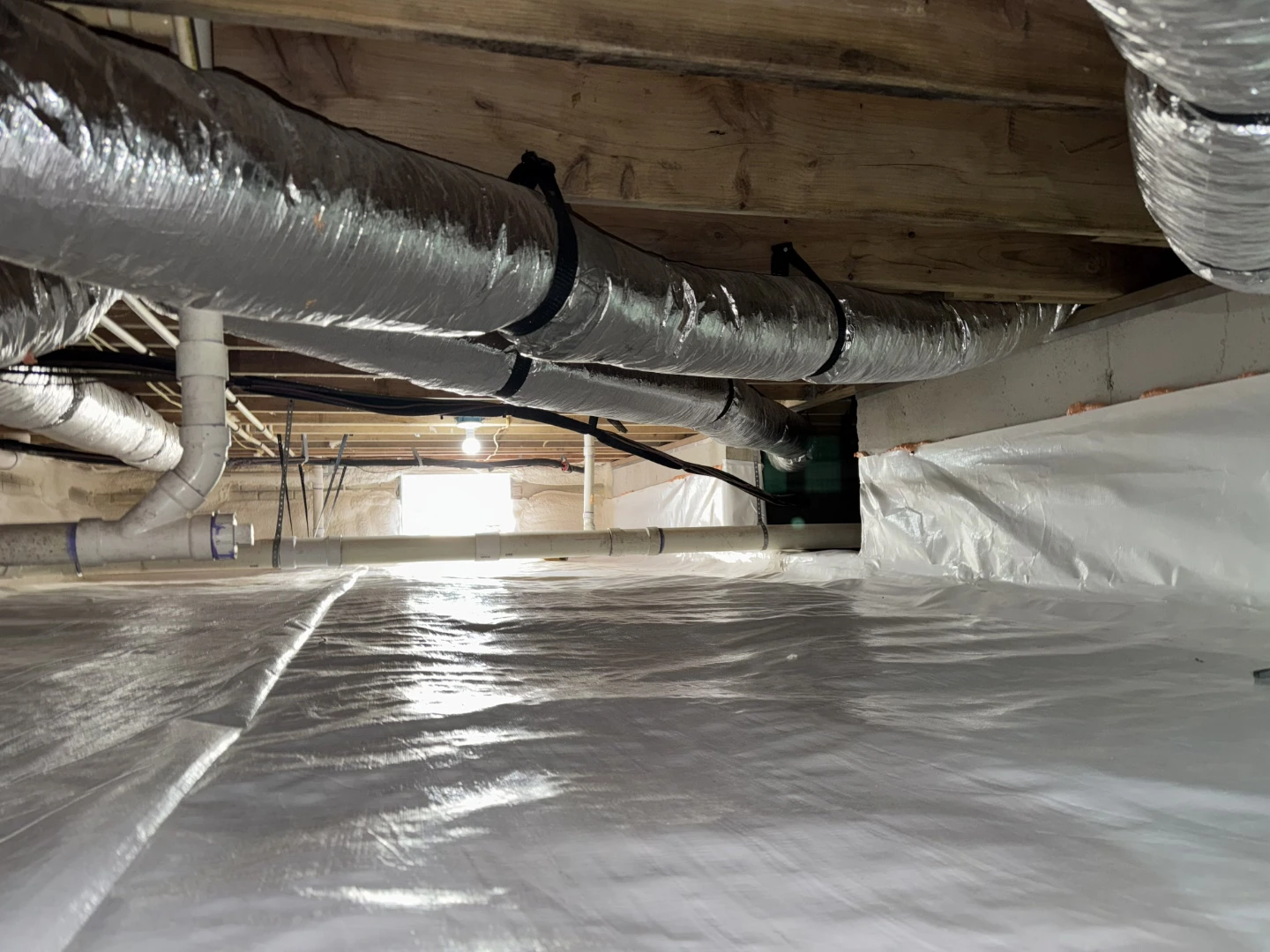
The process involves several specific steps to isolate the home from the earth. First, we install a heavy-duty vapor barrier across the floor and up the foundation walls to block ground moisture. Professional crawl space sealing in New Carrollton also involves sealing all vents and openings to prevent outside air from entering. Finally, we install a high-capacity dehumidifier to maintain a consistent, dry humidity level in the space. This is a system designed to work as a whole, meaning a simple plastic sheet alone is rarely enough to solve a chronic moisture problem.
5 Key Benefits of Encapsulation for Maryland Homes
Sealing your crawl space provides immediate and long-term advantages for both your home’s structure and your family’s comfort.
Improved Indoor Air Quality
Up to 50% of the air on your first floor comes directly from your crawl space due to a process called the stack effect. When air warms up inside your home, it rises, pulling air from the crawl space up through floorboards and wall cavities. If that space is damp or moldy, you are breathing that air. Encapsulation stops this cycle by creating a clean, dry buffer between the earth and your living area.
Energy Efficiency
A vented, damp crawl space forces your HVAC system to work harder. In the summer, your air conditioner must remove the excess humidity that creeps in from below. In the winter, cold air leaks through floor joists, forcing your furnace to run longer. Sealing these gaps and removing the moisture load reduces the strain on your equipment and can lead to lower utility bills.
Mold and Pest Prevention
Mold needs moisture to grow. By keeping the relative humidity in your crawl space below 60%, you eliminate the primary fuel for mold spores. Furthermore, pests like termites, spiders, and rodents are attracted to damp, dark environments. An encapsulated space is dry and sealed, making it a much less inviting habitat for these invaders.
Structural Integrity
Wood rots when it stays wet. Moisture absorbed by floor joists and subflooring over years can lead to sagging floors and expensive structural repairs. Keeping the environment dry prevents wood rot, ensuring your home remains stable and safe for the long term.
Increased Property Value
A clean, dry, and well-maintained crawl space is a major selling point for potential buyers. It indicates that the homeowner has invested in the long-term health of the foundation, which can simplify the home inspection process when you decide to sell.
Is Crawl Space Encapsulation Worth It for Your Property?
Deciding whether to encapsulate your crawl space depends on your home’s current condition. If you notice signs like a persistent musty odor, buckled floorboards, or condensation on pipes, the cost of inaction is likely higher than the cost of the repair. According to the Building Science Corporation, controlling moisture in crawl spaces is essential for preventing long-term building durability issues.
We often see homeowners struggle with DIY attempts. While buying a roll of plastic at a hardware store seems simple, the work often fails because it does not address the root cause of water entry, such as grading issues or foundation leaks. A professional approach ensures that drainage is handled first and that the seal is airtight. If your home has a history of standing water during heavy rains, an encapsulation system must include a proper drainage solution, such as a sump pump, to be effective. Green Home Solutions highlights that removing these moisture sources is the most critical step in a successful project.
Feature
Vented Crawl Space
Encapsulated Crawl Space
Moisture Control
Poor (relies on outside air)
Excellent (sealed and dehumidified)
Energy Impact
High heat/AC loss
Improved thermal efficiency
Mold/Pest Risk
High
Minimal
Maintenance
Frequent inspections needed
Low maintenance
The Peninsula Insulation, LLC Professional Approach
At Peninsula Insulation, LLC, we understand that every crawl space in Maryland has unique challenges. We do not believe in one-size-fits-all solutions. Our process begins with a thorough inspection of your specific foundation to identify where moisture is entering and why.
We focus on the total system. This means we don’t just lay down a vapor barrier; our crawl space encapsulation services in New Carrollton, MD ensure that drainage issues are corrected, foundation walls are sealed, and the air is actively managed with proper dehumidification. By focusing on these technical details, we help you create a permanent barrier against the elements. You can find guidance on the importance of these systems through the Polyguard technical resources on moisture management.
Next Steps for Your Home
If you are tired of dealing with musty air or worrying about the health of your home’s foundation, we are here to help. Contact Peninsula Insulation, LLC at (410) 770-2624 or email us at wil@mdsprayfoam.net to schedule a professional evaluation. We can look at your crawl space and give you an honest assessment of what it will take to get your home dry and healthy.
Frequently Asked Questions About Crawl Space Moisture Control
How long does an encapsulated crawl space last?
With proper installation and a functioning dehumidifier, a high-quality vapor barrier system can last 10 to 15 years or more before needing minor touch-ups.
Does it require ongoing maintenance?
Yes. You should have the system inspected annually to ensure the dehumidifier is draining correctly and that the vapor barrier has not been damaged by plumbing or electrical work.
Will this stop all pests?
It significantly reduces the risk. By removing moisture and sealing access points, you make the area much less attractive to insects and rodents compared to a vented space.
How long does the installation take?
Most standard residential crawl space encapsulation projects are completed within three to five days, depending on the severity of the moisture issues and the size of the space.
Can I DIY this project?
While you can install a basic liner yourself, professionals ensure the drainage, electrical, and sealing work meets the standards required to actually prevent mold and structural damage.
I’m Wil Perkins, founder of Peninsula Insulation, with nearly five years of industry experience. As a longtime Easton, Maryland resident, I focus on quality spray foam services and lasting insulation results.
benefits of crawl space encapsulation, crawl space encapsulation New Carrollton MD, crawl space energy efficiency, crawl space moisture control, crawl space protection, encapsulated crawl space, encapsulated crawl space benefits