High Energy Bills? Insulation Solutions That Work in Easton, MD
High energy bills in Easton, MD, typically stem from inadequate insulation that fails to meet Climate Zone 4 requirements. Most…


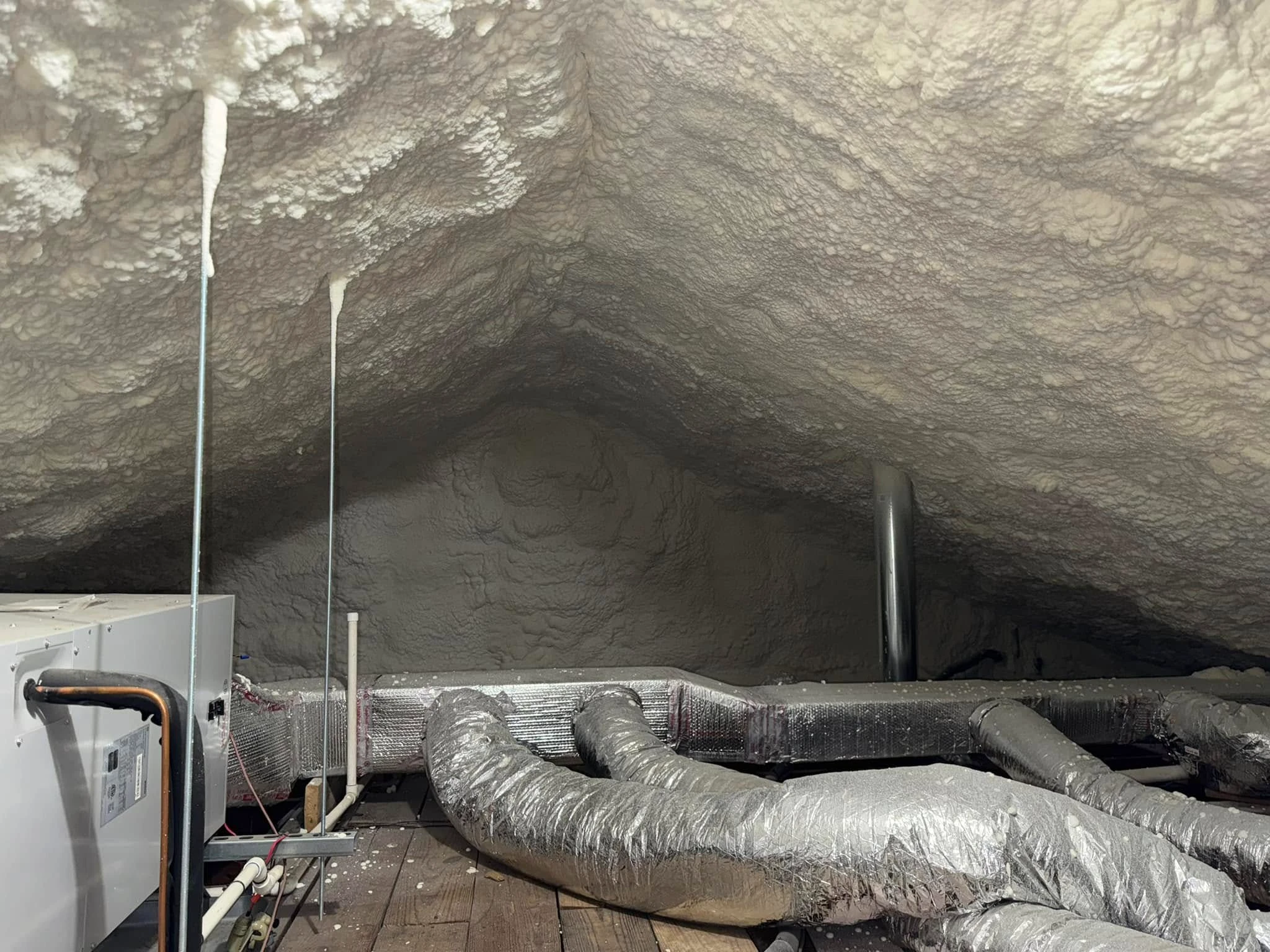
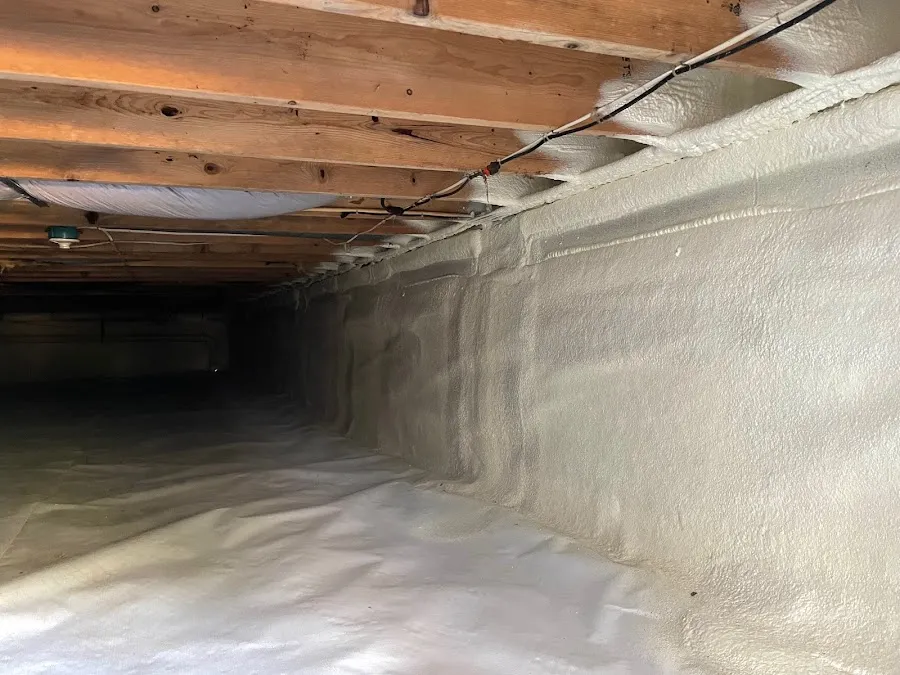
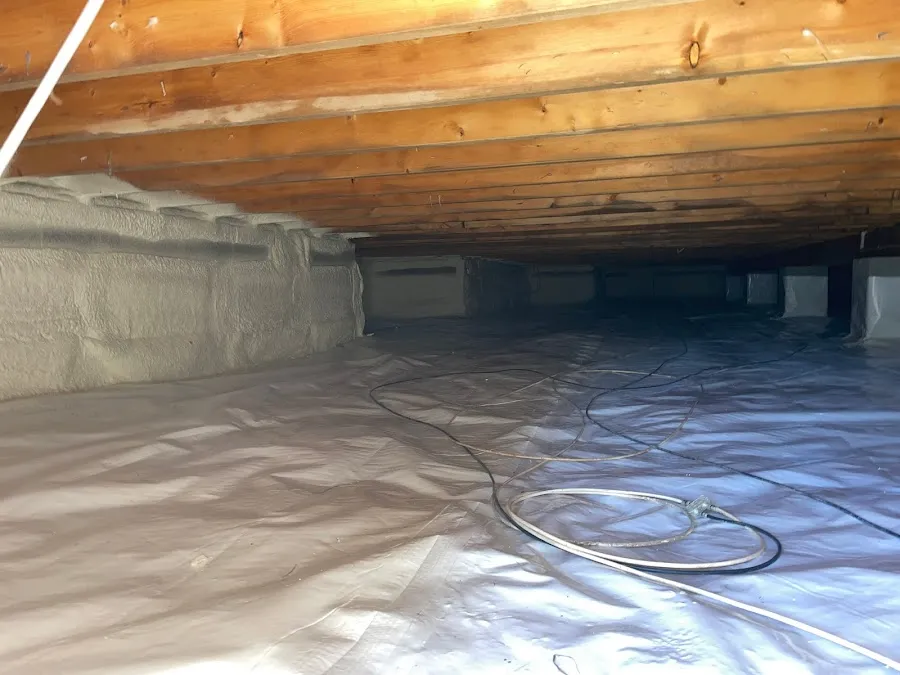
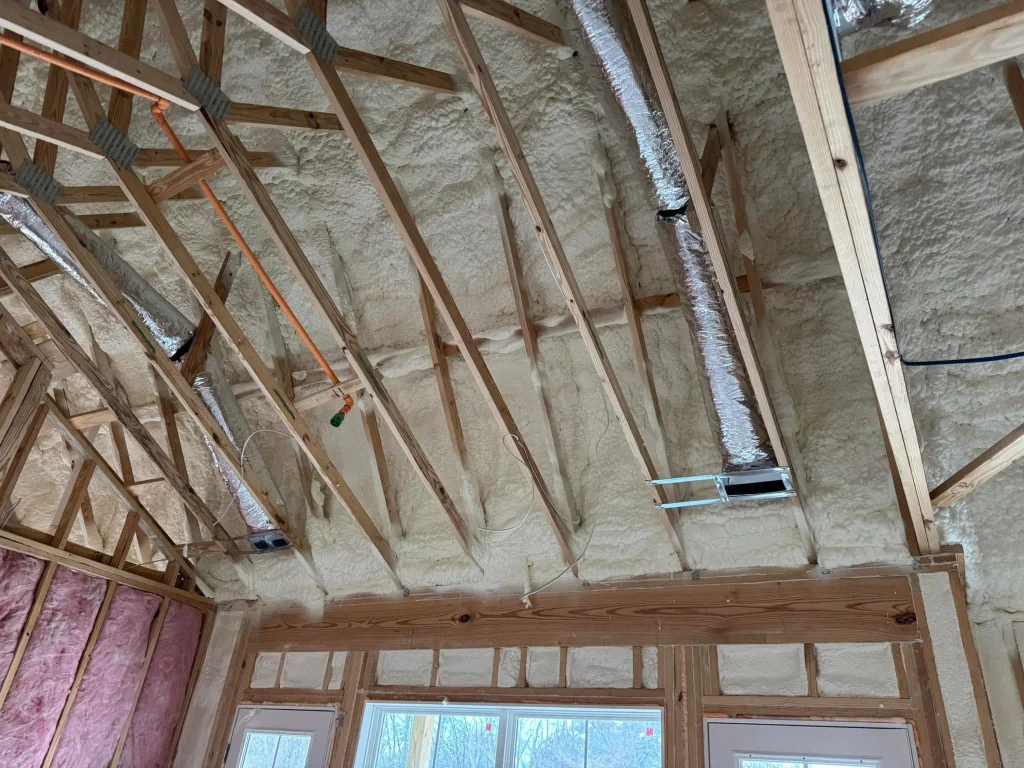
The seven key factors affecting open-cell spray foam insulation performance in Centreville, Maryland, are climate compatibility, local building codes, installation conditions, substrate preparation, thickness requirements, moisture management, and long-term durability considerations. Each factor directly impacts the insulation’s effectiveness and longevity in the specific environmental conditions of Maryland’s Eastern Shore region. Understanding these elements ensures optimal performance and energy efficiency for residential and commercial properties in the area.
Centreville’s unique position on Maryland’s Eastern Shore presents distinct challenges and opportunities for spray foam insulation applications. The humid subtropical climate, combined with proximity to Chesapeake Bay, creates specific performance demands that must be addressed during installation and material selection. This comprehensive guide examines each critical factor, providing practical insights based on extensive field experience in the region.
Centreville falls within the warm-humid climate zone, characterized by hot summers and relatively mild winters with significant humidity throughout the year. According to climate data from the National Oceanic and Atmospheric Administration, the area experiences average summer temperatures around 75-85°F with relative humidity often exceeding 70%. These conditions make open-cell spray foam particularly suitable due to its superior moisture vapor permeability compared to closed-cell alternatives.
The material’s ability to allow moisture to pass through while preventing air movement helps prevent condensation issues within wall assemblies. This characteristic becomes especially important in Centreville’s climate, where temperature differentials between indoor and outdoor environments can create moisture accumulation problems in poorly insulated structures.
Bonus Tip: Install open-cell spray foam at least 2 inches thick to achieve its full moisture vapor permeability benefits. Thinner applications may restrict moisture diffusion and reduce overall performance.
Queen Anne’s County follows the Maryland Building Performance Standardss, which align with the 2021 International Energy Conservation Code (IECC). These regulations specify minimum insulation requirements based on climate zones and building types. For Centreville’s climate zone, the code mandates minimum R-values of R-13 for walls and R-30 for ceilings in new residential construction.
Open-cell spray foam typically achieves approximately R-3.5 per inch, meaning a 4-inch application in walls would provide R-14, exceeding minimum requirements. However, Peninsula Insulation, LLC notes that local code officials may have specific additional requirements regarding vapor barriers and air sealing that must be followed during installation.
Open-cell spray foam requires specific temperature ranges for proper application and curing. The ideal installation temperature ranges from 60-80°F, with substrate temperatures between 50-90°F. Centreville’s seasonal variations present scheduling challenges, particularly during the winter months when temperatures frequently drop below the recommended range.
High humidity levels during the summer months can also affect foam expansion and cure rates. Professional installers must monitor both ambient and substrate conditions, potentially adjusting application techniques or scheduling installations during optimal weather windows. The foam’s temperature-dependent reactivity can lead to compromised cell structure and reduced performance under extreme conditions.
| Installation Factor | Optimal Range | Centreville Challenge |
|---|---|---|
| Ambient Temperature | 60-80°F | Winter lows below 40°F |
| Substrate Temperature | 50-90°F | Cold surfaces in winter |
| Relative Humidity | < 85% | Summer humidity often 70-85% |
| Wind Conditions | < 15 mph | Coastal winds can affect application |
Proper substrate preparation directly impacts the adhesion and performance of open-cell spray foam. The surface must be clean, dry, and free of dust, oil, grease, or loose materials. In Centreville’s older homes, this often requires addressing existing moisture damage, removing old insulation materials, and repairing structural issues before application.
Different substrate materials require specific preparation approaches:
Determining the appropriate thickness for open-cell spray foam involves balancing R-value requirements, cavity space limitations, and cost considerations. For Centreville homes, typical wall cavity depths of 3.5-5.5 inches determine maximum application thickness. Most local applications target 3.5-4 inches in walls to achieve R-12.25 to R-14, providing good thermal performance while maintaining space for drywall.
Ceiling applications often use greater thickness, typically 5-7 inches, to meet higher R-value requirements for attic spaces. The material’s lower density compared to closed-cell alternatives means it requires more depth to achieve comparable R-values, but this also results in better sound-dampening properties.
Bonus Tip: Consider using open-cell spray foam in combination with other insulation types to optimize performance and cost. For example, applying 3 inches of open-cell foam plus traditional batt insulation can provide excellent thermal and acoustic performance at a lower total cost.
Open-cell spray foam’s primary advantage is its superior air-sealing performance, reducing air infiltration by up to 90% compared with traditional insulation materials NOAA Climate Data Online. This characteristic significantly improves energy efficiency in Centreville homes by minimizing conditioned-air leakage and reducing HVAC load.
The material’s moisture vapor permeability rating (typically 10-20 perms) allows moisture to migrate through the assembly rather than becoming trapped. This feature prevents condensation issues within wall cavities, a common problem in humid climates like Centreville’s. However, proper ventilation strategies must still be implemented to manage overall moisture loads in the building.
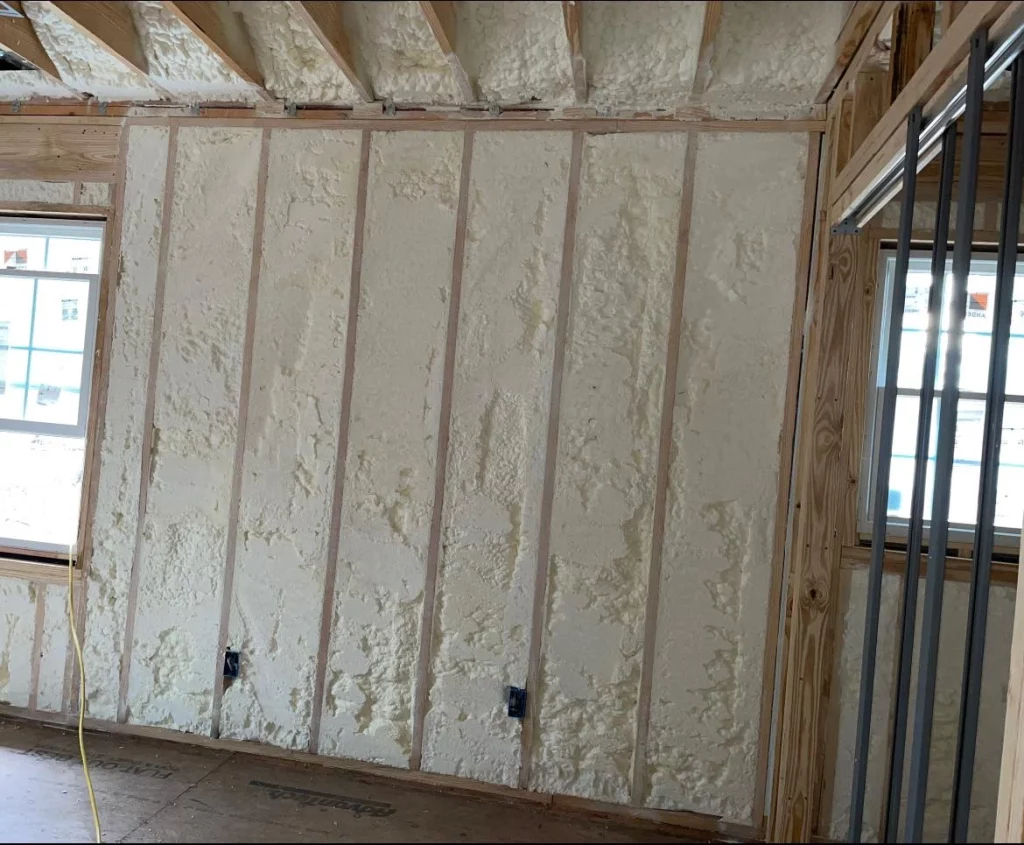
The longevity of open-cell spray foam insulation depends on proper installation and building design considerations. When correctly applied, the material can maintain its thermal performance for decades without significant degradation. However, several factors can affect long-term performance in Centreville’s environment:
According to the Spray Polyurethane Foam Alliance, properly installed spray foam insulation systems have shown consistent performance for over 30 years in various climate conditions. Regular inspection and maintenance of building envelope components ensure the insulation system continues to function as designed.
Before selecting open-cell spray foam for a Centreville property, evaluate several critical factors:
Evaluating your specific insulation needs requires considering your building’s unique characteristics, usage patterns, and budget constraints. The seven factors discussed here provide a framework for making informed decisions about open-cell spray foam insulation in Centreville. A professional assessment of your property can help determine the optimal insulation strategy for your situation.
For personalized guidance on open-cell spray foam insulation in Centreville, MD, contact Peninsula Insulation, LLC at wil@mdsprayfoam.net or call (410) 770-2624 to schedule a comprehensive evaluation of your insulation needs and receive detailed project recommendations.
No, the material’s natural vapor permeability makes additional vapor barriers unnecessary and potentially harmful in most applications.
Most residential projects require 1-3 days, depending on the square footage and accessibility of the areas being insulated.
Yes, the material’s open-cell structure provides excellent sound dampening, reducing noise transmission between rooms and from outside sources.
Modern formulations use water as a blowing agent rather than harmful chemicals, and the material’s energy-saving benefits offset its carbon footprint within a few years of installation.
The material allows water to pass through and dry when exposed, unlike closed-cell foam, which traps moisture. However, the source of water intrusion should be identified and corrected.