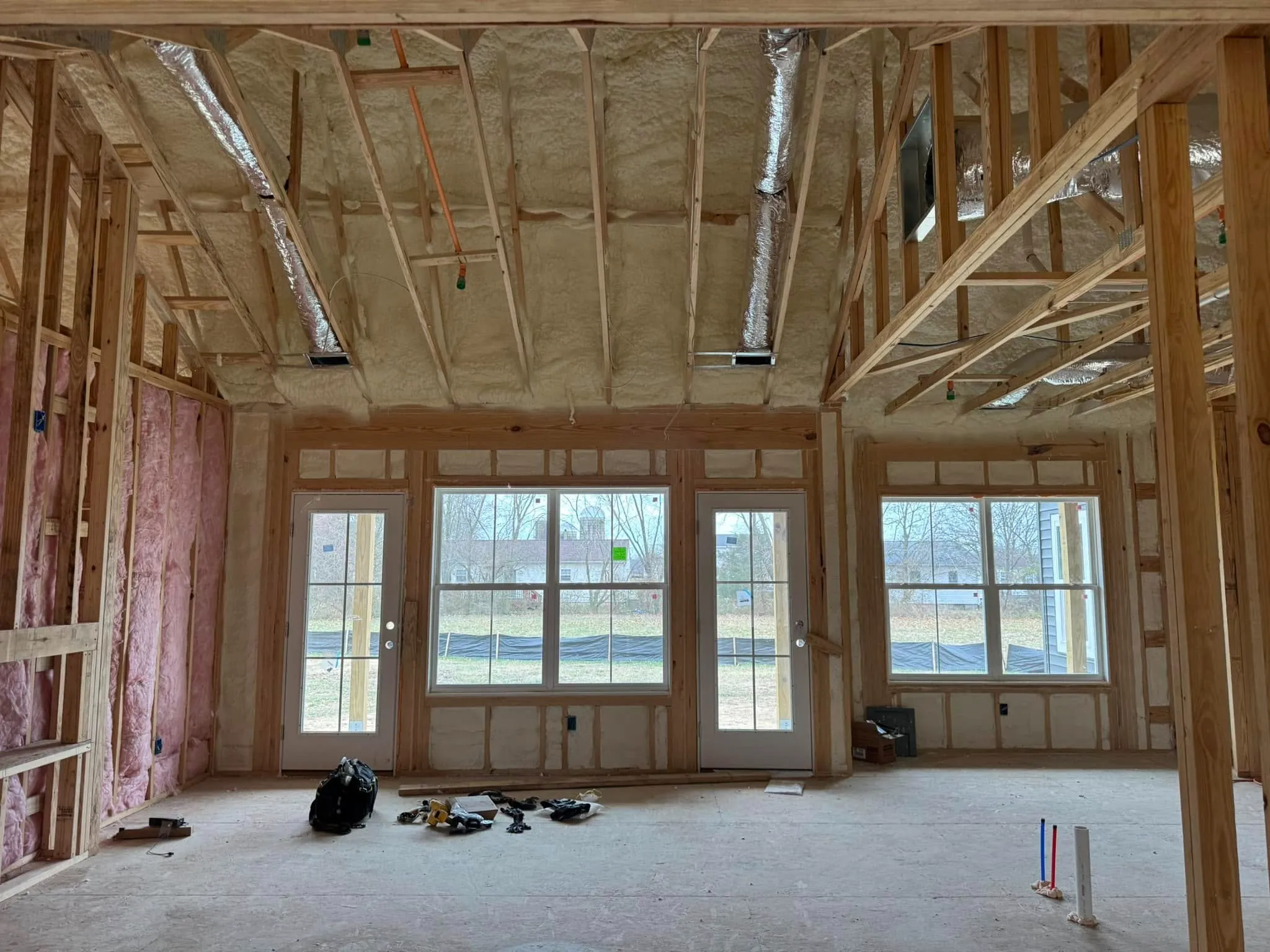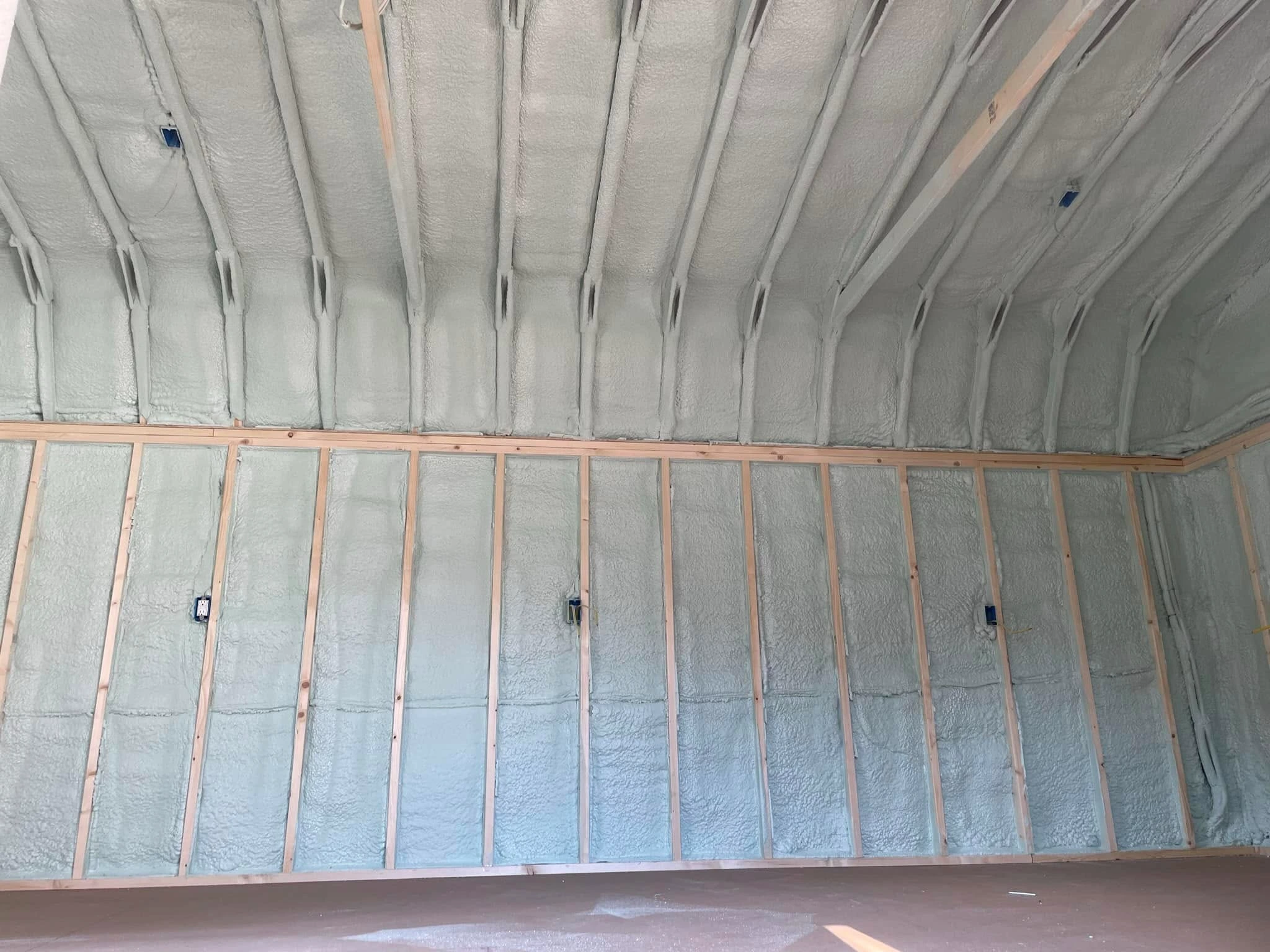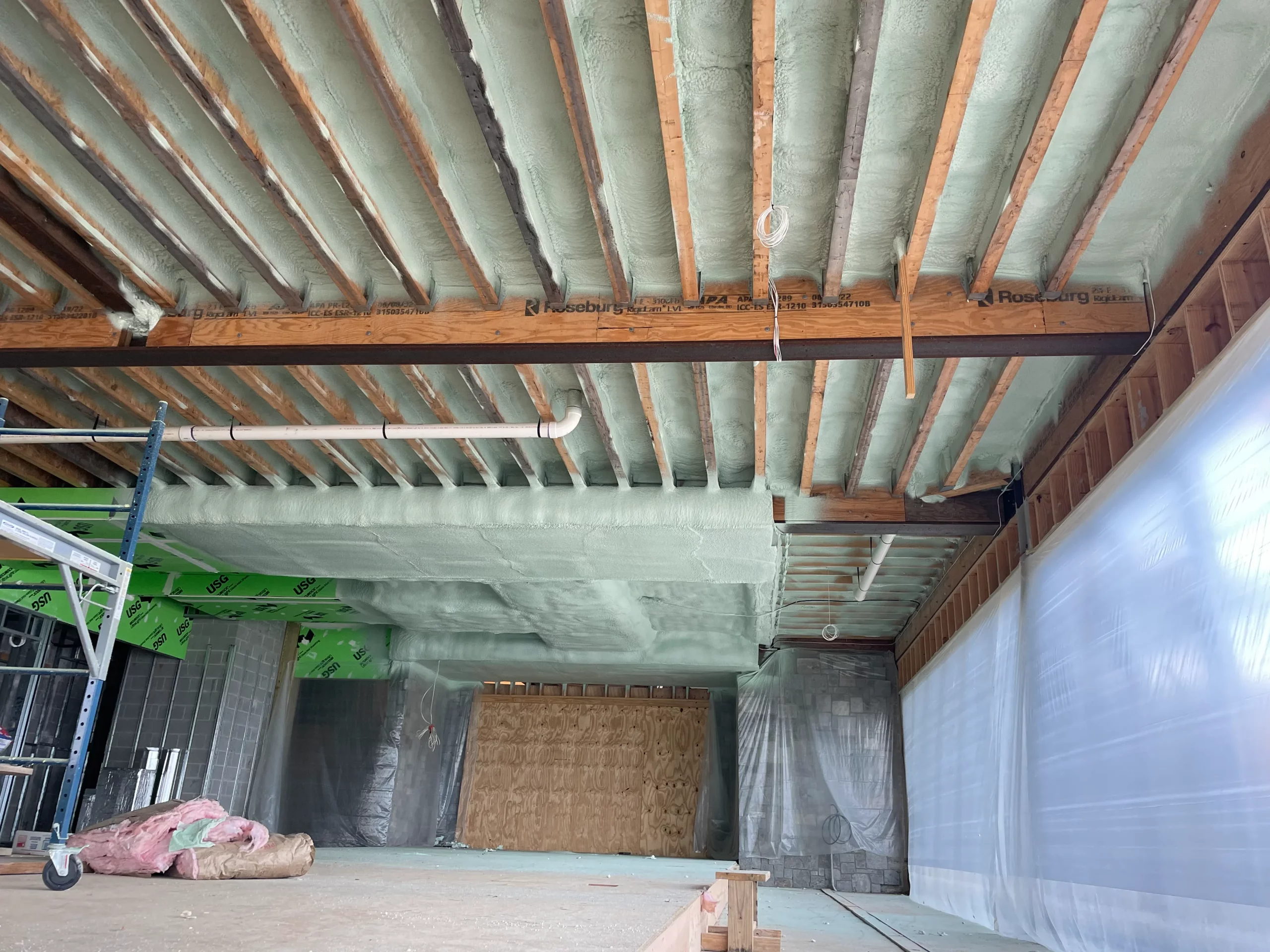
What Should Homeowners Know About Spray Foam Insulation in Older Talbot County, MD Houses?
Spray Foam Insulation for older homes in Talbot County, MD works well when you check the wiring, fix moisture problems,…


Spray Foam Insulation for older homes in Talbot County, MD works well when you check the wiring, fix moisture problems, and seal air leaks first. After that, pick the right foam for each space and have trained pros install it, because older houses often hide damp spots and leaks.
Older houses leak differently than new ones. Gaps hide behind plaster, around chimneys, and at odd framing joints, so the same insulation job can behave very differently from one house to the next. That’s why Older Home Insulation in Talbot County, MD calls for a look at the whole house first. We find where air moves, where wood stays damp, and what’s already in the walls and attic. Then we decide where foam helps and where another material works better.
Foam is permanent, so we check the house before we spray. A few older-house hazards can stop a job or change the plan. Good Residential Spray Foam Insulation in Talbot County, MD starts with a short list of checks. The University of Maryland Extension says knob-and-tube wiring should never be covered with insulation and that suspected vermiculite needs asbestos testing first.
Insulation slows heat, but it doesn’t stop moving air. In a drafty older house, moving air carries away much of what you pay to heat and cool.
The U.S. Department of Energy says air leaks should be found and sealed before any insulation goes in. Home Air Sealing in Talbot County, MD is where foam earns its place in an old house, since it expands into odd gaps around chimneys, plumbing, and wiring holes.
Old walls and roofs dried out through air leaks for decades. Seal them tight and that drying path changes. Maryland summers are hot and humid, and the University of Maryland Extension warns that indoor moisture can condense in an attic and cause mold or rot. Before we pick a foam plan, we look at roof condition, attic ventilation, and where bath fans vent.
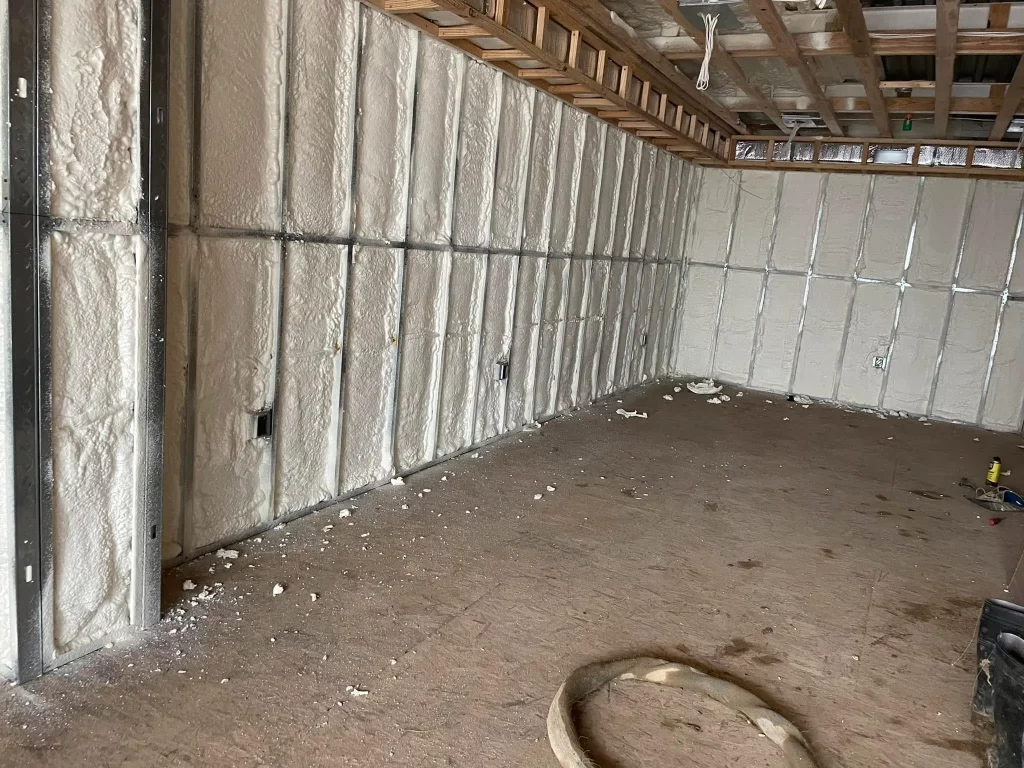
Open-cell and closed-cell foam act differently, and the right pick depends on the space. Here’s how they compare in older houses.
| Foam Type | Strength | Watch For |
|---|---|---|
| Closed-cell | Higher R-value per inch, water resistant | Costs more, can hold water against wood if a leak starts |
| Open-cell | Lower cost, lets some moisture pass | Lower R-value per inch, can soak up leak water |
The University of Maryland Extension lists spray foam at about R-6 per inch and cites U.S. Department of Energy attic targets of R-49 to R-60 for Maryland. Open-cell needs more thickness to reach the same number. Spray Foam Insulation for Older Houses in Talbot County, MD doesn’t have to mean all foam. In some attics, a thin foam layer for air sealing with loose-fill on top can cost less and still perform well.
Foam isn’t the answer for every corner of an old house. It fits some areas well and others poorly.
Spray foam is a chemical product that cures on site, so installation day has rules. Plan around them.
Spray Foam Insulation Installation in Talbot County, MD means you and your family stay out while our crew works. The U.S. Environmental Protection Agency says only trained applicators wearing protective gear should be inside during installation, and that some manufacturers suggest about 24 hours before residents return after professional jobs.
The EPA also warns that isocyanates in these chemicals can cause asthma and lung problems when exposure isn’t controlled. The U.S. Department of Energy advises leaving spray foam installation to trained professionals, so please don’t try this one yourself.
Not sure what your older house needs? Peninsula Insulation, LLC gives free quotes, and we’ll walk through wiring, moisture, air leaks, and foam type with you before anything gets sprayed. Cost depends on your house, so we price each job after we see it.
Often yes, in the areas getting foam. Foam bonds poorly to old fiberglass or cellulose, and damp or dirty fill can hold moisture against framing.
Not always, but it’s a trade-off. Wood rafters carry little R-value per inch, which can cut into the foam’s overall performance, yet it can still make sense when air sealing and moisture control are your main goals.
Yes. Foam can cover a slow leak or soft wood until the damage grows, which is why leaks and damp framing get fixed before we spray.
It’s hard to undo. Foam bonds to wood and has to be scraped or cut away, which is slow and can mark old framing, so settle your attic and roofline plan first.
It depends on the space. Blown-in works well on flat attic floors, while foam suits irregular framing and seals air leaks in the same step.