Why Choose Mineral Wool Insulation in Bethlehem, MD Over Traditional Fiberglass?
Wil Perkins
September 14th, 2026
For most homes and light commercial buildings in Bethlehem, MD, mineral wool insulation beats traditional fiberglass in the areas that matter most on the Eastern Shore: fire resistance, moisture resilience, sound control, and long-term stability. Both are fibrous batt materials, and both are noncombustible, but they are not interchangeable. Mineral wool is spun from molten rock and slag, giving it a much higher heat tolerance and a denser, stiffer body than glass fiber. Fiberglass still makes sense for wide-open attic spaces where depth is free and budget drives the decision. The right choice depends on your wall cavities, your humidity exposure, and what you want the insulation to do beyond slow heat flow, so this guide breaks down the head-to-head comparison, the best-fit applications, and how we recommend our neighbors in the Bethlehem area approach the decision.
TL;DR
Thermal performance per inch is close, not night and day. Per the University of Maryland Extension, fiberglass batts run about 2.2 to 3.2 per inch and mineral wool about 3.1 per inch, so mineral wool’s real advantages show up in fire, sound, and durability rather than raw R-value.
Fire performance is where mineral wool pulls away. Stone wool withstands roughly 1,292 to 1,562°F before degrading, while glass wool softens near 446 to 500°F, according to the Mineral wool entry on Wikipedia.
Maryland targets are demanding. ENERGY STAR places the state in Climate Zone 4A and recommends R-60 in uninsulated attics, or R-49 where 3 to 4 inches of insulation already exist, per ENERGY STAR’s recommended insulation levels.
Air sealing first, insulation second. Adding insulation with air sealing can cut heating and cooling costs by up to 20 percent, per the Department of Energy’s home insulation guide.
Material choice is only half the equation. Compression, gaps, and unsealed bypasses quietly erode rated R-value in both products, so installation quality decides real-world results.
Mineral wool carries a higher upfront material investment than fiberglass, balanced against longer shape retention, better sound absorption, and fire performance that does not depend on chemical retardants.
How Mineral Wool and Fiberglass Insulation Compare Head to Head
Both products trap air in fiber pockets, and both are safe, inorganic insulation materials. The differences show up when you stress them. Here is the side-by-side we walk through with property owners in the Bethlehem area:
Factor
Mineral Wool (Stone Wool)
Traditional Fiberglass
Practical Impact in Bethlehem, MD
R-value per inch
~3.1
2.2 to 3.2 (batts)
Modest thermal edge; both need depth to hit R-49 to R-60 attic targets
Heat tolerance
Holds structure to roughly 1,292 to 1,562°F
Softens near 446 to 500°F
Mineral wool keeps resisting heat and slowing flame spread longer in a fire
Fire behavior
Naturally noncombustible, no added retardants
Noncombustible fibers, but kraft or foil facings are combustible
Mineral wool works well in firestop and concealed-space applications
Density and sound
Dense, stiff batt absorbs more sound energy
Lighter, less mass
Better for shared walls, home theaters, and rentals
Moisture and mold
Inorganic fibers give mold no food source
Inorganic fibers likewise resist mold
Both beat cellulose here; vapor management still matters in our humid climate
Fit and stability
Friction-fits and holds its shape in cavities
Must stay uncompressed and evenly placed to deliver rated R-value
Stiff batts resist slumping in walls and knee walls over time
That last row deserves emphasis. The University of Maryland Extension notes that batt insulation must be installed without compression to maintain its effectiveness, a warning that applies to fiberglass especially, since a light, lofty batt loses R-value fast when squeezed, stuffed, or left gapped.
Why Mineral Wool Fits Bethlehem, MD’s Climate and Building Stock
Humidity, Storms, and Vapor Management
Our corner of Maryland deals with hot, humid summers, damp winters, and coastal weather systems that push moisture into wall assemblies. The University of Maryland Extension is blunt about it: in Maryland’s humid climate, vapor barriers help prevent moisture buildup that can damage insulation and structure. Mineral wool vs fiberglass insulation is an important comparison because mineral wool’s inorganic fibers do not feed mold, and its dense structure dries out without matting the way soaked fiberglass batts can. We still size and place vapor retarders carefully, because no insulation replaces good moisture design.
Fire Safety for Older and Mixed-Use Buildings
Many structures around Bethlehem, MD, and greater Wicomico County mix old framing with new additions, and older wiring is a real consideration. The Insulation Institute reports that fiberglass and mineral wool are noncombustible for the life of the product and require no chemical fire retardants, and that filling concealed spaces with these materials helps block fire and smoke from spreading. Mineral wool insulation in Bethlehem, MD offers a practical option for these applications. Mineral wool’s higher temperature tolerance makes it our default recommendation for mechanical rooms, furnace closets, shared walls, and any assembly where an owner wants insulation that doubles as passive fire protection.
Sound Control Where It Counts
Mineral wool’s extra mass gives it a clear edge in sound absorption. For tenant separation in rentals, offices in converted outbuildings, or bedrooms near busy roads, the denser batt measurably quiets a wall cavity in a way loose fiberglass cannot match.
Where Mineral Wool Delivers the Most Value (and Where Fiberglass Still Wins)
We will not pretend fiberglass is obsolete. It remains a fine choice when depth is unlimited, and the cavity is forgiving. Our typical guidance:
Open attic floors: Blown fiberglass or cellulose reaches R-49 to R-60 cheaply by piling depth. Save mineral wool money for the places depth cannot go.
Shallow 2×4 wall cavities and kneewalls: Mineral wool’s stability and density shine where every inch counts.
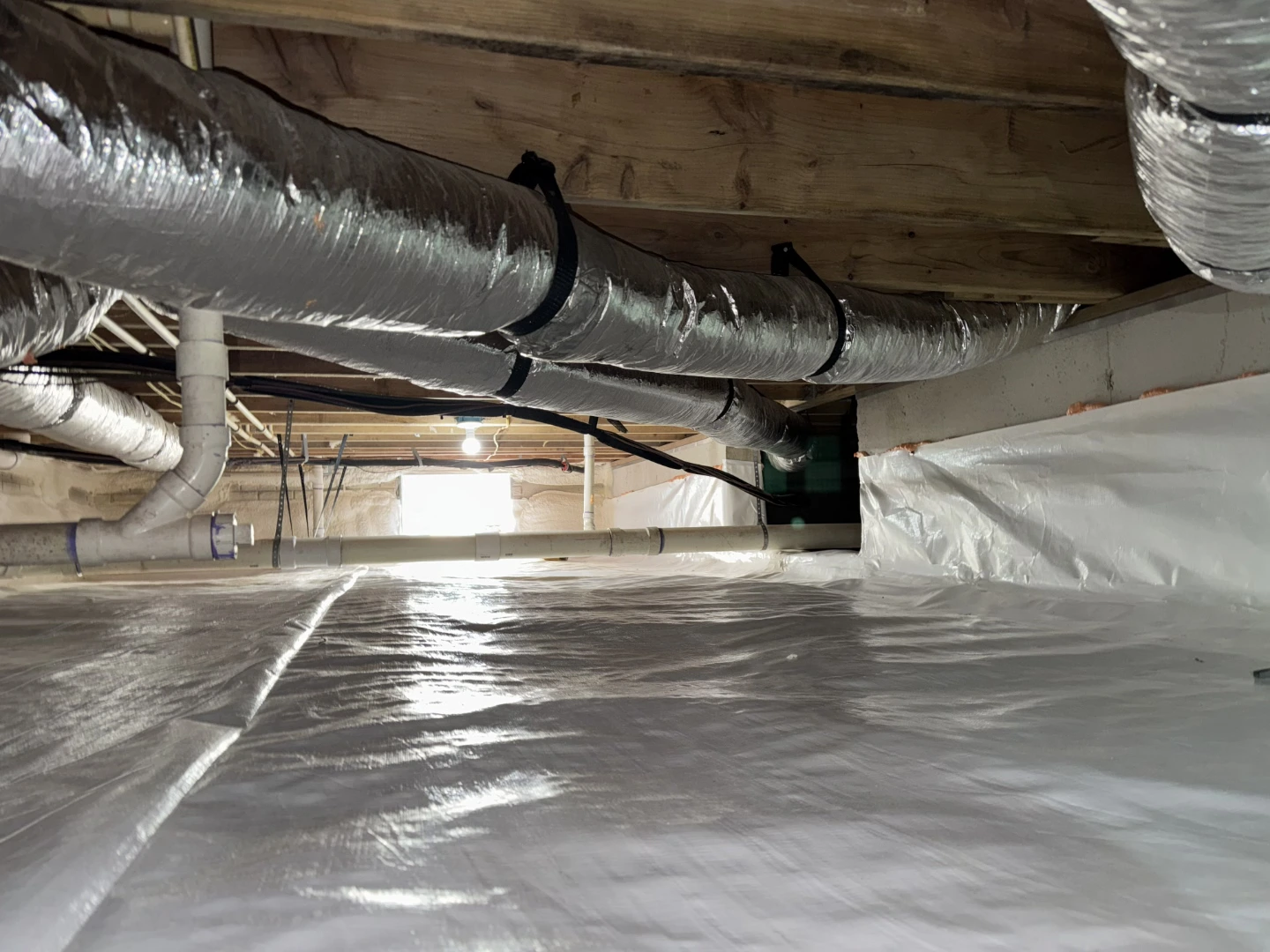
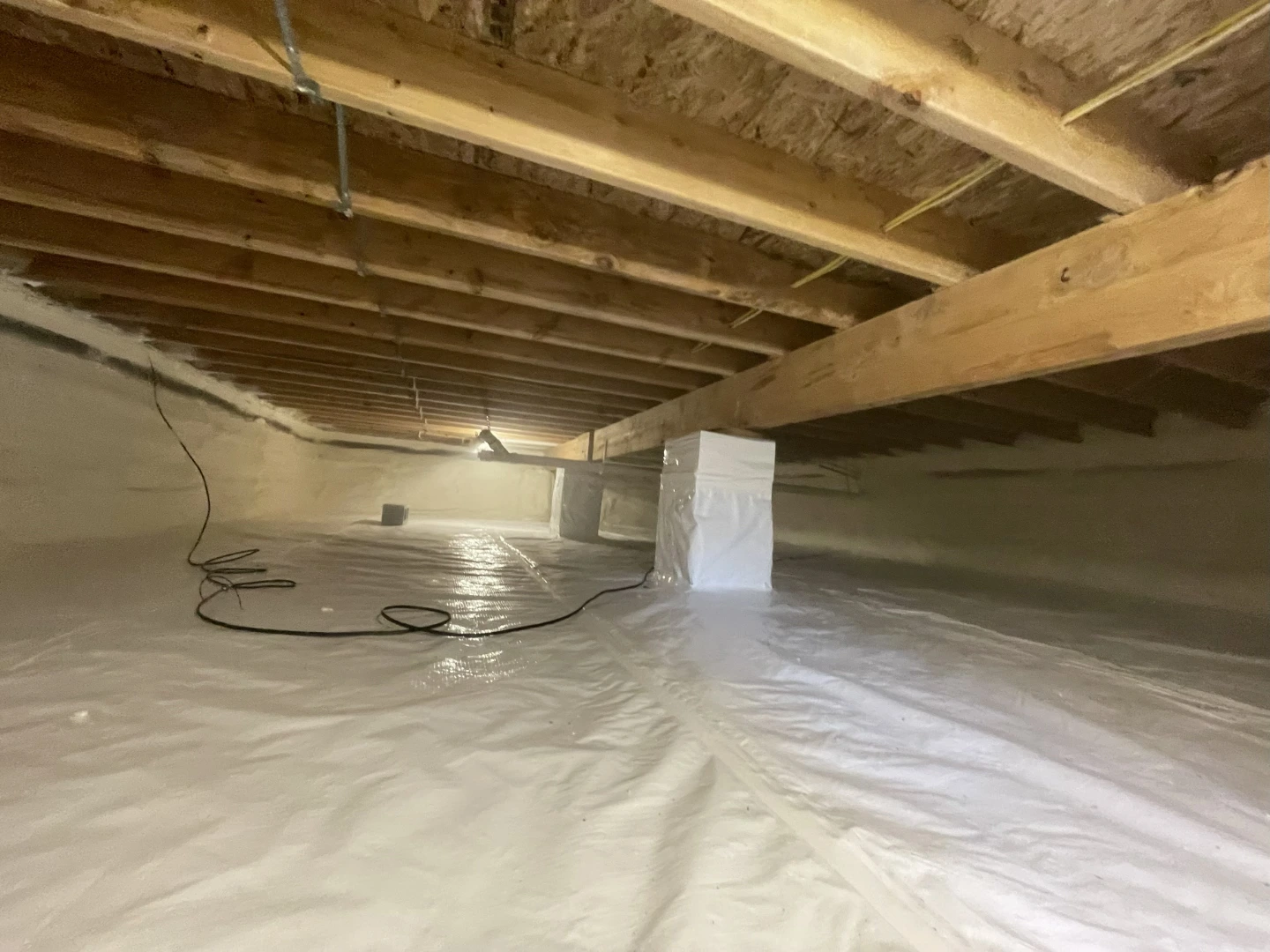
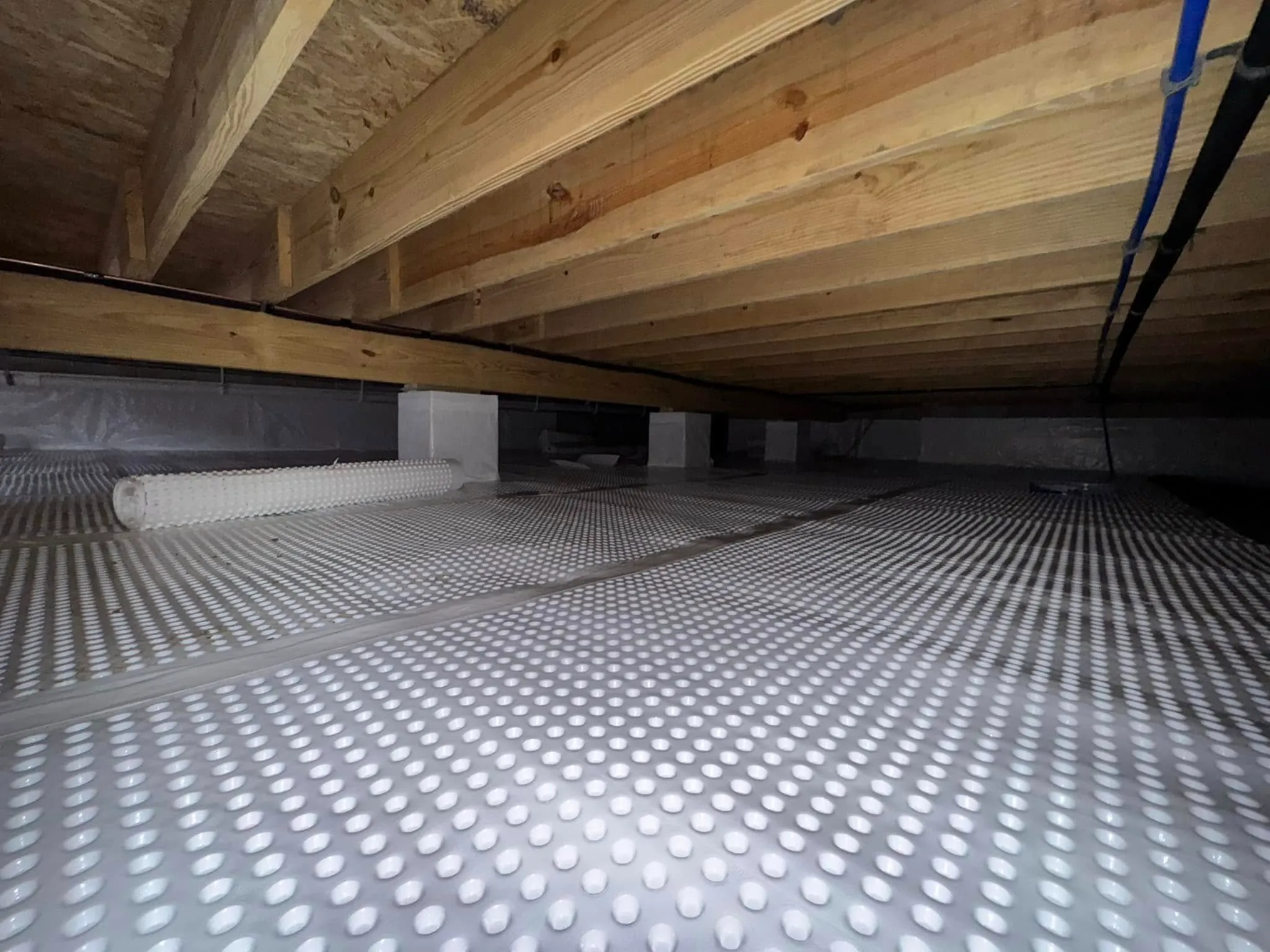
Basements and crawl spaces: Pair batts with the vapor strategy UMD recommends for zone 4A, and consider rigid board where code requires it.
Fire-sensitive locations: Mechanical rooms, furnace closets, and garage shared walls get mineral wool.
Sound-sensitive spaces: Media rooms, rentals, and home offices get mineral wool.
How to Evaluate an Insulation Approach for Your Property
Property Type / Audience
Recommended Approach
Key Notes
Older, drafty Eastern Shore homes
Air seal first, then reach R-49 to R-60 in the attic
DOE credits insulation plus air sealing with up to 20% HVAC savings
New additions or 2×4 framing
High-density mineral wool batts
Stable R-value in a shallow cavity without compression
Rentals and duplexes
Mineral wool in party walls
Combines fire resistance with sound control
Shops and light commercial
Mineral wool at mechanical and concealed spaces
Supports code-recognized passive fire protection
Attic-only retrofits on a budget
Blown fiberglass or cellulose over sealed attic floor
Lowest-cost path to recommended depth where space allows
Whichever path you choose, the signs of a sound plan are the same: someone measured your existing depth before quoting, someone sealed bypasses before insulating, and the crew followed the spacing and clearance rules UMD lays out for recessed lights, flues, and ventilation baffles.
Signs You’ve Found the Right Approach
The assessment starts with measurement, not a brochure. Current depth, insulation type, and air-leak points come first.
The proposal names R-value targets, not just products. R-60 in an uninsulated zone 4A attic is the benchmark, not “more insulation.”
Air sealing appears as a line item. Insulation over leaks performs like a coat over an open window.
Vapor and ventilation get discussed. In our climate, baffles at soffits and correct retarder placement are non-negotiable.
Fire and sound goals are asked about. A good installer asks how you use the building, not just how big it is.
Get Mineral Wool Insulation Quotes from Our Team
Peninsula Insulation, LLC installs mineral wool and fiberglass insulation across Bethlehem, MD, and the Delmarva region, and our team will tell you honestly which one your project actually needs. We measure first, air-seal before we insulate, and build every quote around the R-value targets ENERGY STAR sets for our climate zone. Call us at (410) 770-2624 or email wil@mdsprayfoam.net to talk through your project with our crew, and when you are ready, request a quote or schedule an insulation assessment below.
Do not let another humid summer and another heating season pay for heat you are not stopping. Our team is one call away.
Frequently Asked Questions
Is mineral wool worth it in a mild climate like the Eastern Shore?
Often, yes, because its biggest wins here are fire resistance, sound control, and moisture stability, not raw R-value. For open attics where depth is free, fiberglass or blown products usually make more sense.
Is mineral wool insulation safe to handle?
Mineral wool insulation produced since 2000 is classified by IARC as not classifiable as to carcinogenicity in humans. Fibers can still irritate skin and lungs, so our installers use gloves, sleeves, and respirators per OSHA guidance.
Can I mix mineral wool and fiberglass in one home?
Absolutely, and we frequently do. A common layout is mineral wool in walls, kneewalls, and fire-sensitive cavities with blown fiberglass or cellulose on the attic floor.
How does mineral wool handle Maryland humidity?
Its inorganic fibers give mold no food source, and the dense batt does not mat or sag the way soaked, compressed fiberglass can. Vapor retarders and attic ventilation still need to be designed correctly.
Does mineral wool need maintenance after installation?
No periodic maintenance is required once it is installed dry and uncompressed. We recommend checking attic insulation depth and condition every few years or after roof leaks.
Wikipedia – Mineral wool – Composition, heat-resistance comparison of glass wool versus stone wool, passive fire protection applications, and IARC safety classification.
Insulation Institute (NAIMA) – Insulation Safety – Industry association guidance on noncombustibility, fire-blocking in concealed spaces, mold resistance, and health classifications of mineral wool and fiberglass.
I’m Wil Perkins, founder of Peninsula Insulation, with nearly five years of industry experience. As a longtime Easton, Maryland resident, I focus on quality spray foam services and lasting insulation results.