What Materials Are Commonly Used for Crawl Space Encapsulation in 2026, and Why Do They Matter?
Most crawl space encapsulation material choices in 2026 fall into five groups: a polyethylene vapor barrier over the soil and…

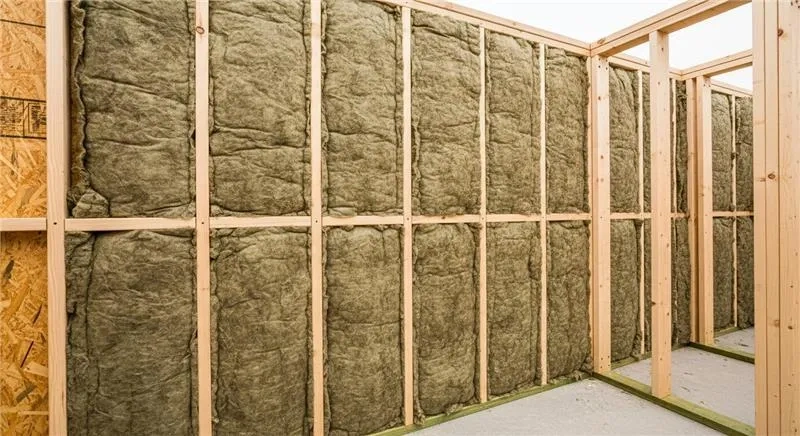
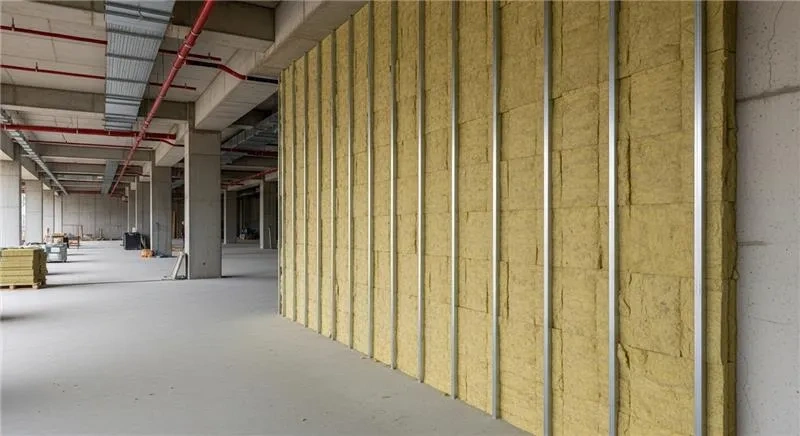
Mineral wool insulation delivers a higher R-value per inch, superior fire resistance without added chemicals, better moisture repellency, and stronger sound dampening than fiberglass. Fiberglass insulation, on the other hand, offers a lighter weight, lower upfront material cost, and wider availability across standard framing cavities. For property owners in Bethlehem, MD, which falls within IECC Climate Zone 4, both materials can meet the Maryland Energy Code’s prescriptive requirements when paired with proper air sealing. The right choice depends on whether the project calls for maximum thermal performance and fire protection or budget-conscious coverage across a large area like an attic or crawlspace. Our mineral wool guide explains these differences in greater detail.
Understanding where these materials come from helps explain their differences in the field. Fiberglass is produced from extremely fine glass fibers, with most manufacturers using 40% to 60% recycled glass content, according to the Department of Energy. Mineral wool refers to two materials: rock wool made from natural basalt or diabase, and slag wool made from blast furnace slag. Mineral wool contains an average of 75% post-industrial recycled content and requires no additional chemicals for fire resistance.
Both materials come in batts, rolls, and loose-fill forms and are used across sidewalls, attics, crawlspaces, cathedral ceilings, and basements. According to the Insulation Institute, fiberglass and mineral wool together account for 72% of the insulation material used in new homes, largely because both deliver reliable thermal performance at a competitive price point.
| Factor | Mineral Wool | Fiberglass |
|---|---|---|
| R-value at 3.5 in. (2×4 wall) | R-15 | R-13 (standard), R-15 (high-density) |
| R-value at 5.5 in. (2×6 wall) | R-23 | R-21 (standard), R-23 (high-density) |
| Fire resistance | Naturally non-combustible, melts above 2,000°F | Naturally non-combustible, melts above 1,000°F |
| Moisture absorption | Repels water; less than 1% by weight | Absorbs less than 1% but holds water in fibers |
| Sound control (NRC) | Up to 1.00 | Up to 1.00 |
| Sound control (STC) | 43 (in complete wall assembly) | 43 (in complete wall assembly) |
| Weight | Denser and heavier | Lighter |
| Recycled content | 75% post-industrial average | 40% to 60% recycled glass |
| Settling over time | Negligible | Negligible |
| UV stability | UV stable | UV stable |
Bethlehem sits in Talbot County on Maryland’s Eastern Shore, placing it squarely in IECC Climate Zone 4. The Maryland Energy Administration enforces energy code requirements under the IECC, and the prescriptive table for Climate Zone 4 sets specific minimum R-values:
Both mineral wool and fiberglass can meet every one of these requirements. The question is which material gets you to the target R-value more efficiently for your specific project scope. In a 2×4 wall, mineral wool hits R-15 natively, giving you a head start toward the R-20 cavity requirement. Fiberglass reaches R-13 in standard density and R-15 in high-density formulations for the same cavity. Mineral wool insulation in Rhodesdale offers excellent thermal and fire performance.
This is one area where mineral wool pulls ahead with a clear margin. Mineral wool is made from rock and slag, which are inherently non-combustible. It withstands temperatures above 2,000°F without melting and does not require any chemical additives to achieve its fire rating. Fiberglass is also naturally non-combustible, but it softens and melts at lower temperatures, typically around 1,000°F.
For residential and commercial projects in Bethlehem where fire resistance is a priority, such as garages, shared walls in townhomes, or rooms with equipment that generates heat, mineral wool provides a measurable safety advantage. The Department of Energy notes that mineral wool is commonly available with flame-resistant facings for exposed applications in basements and mechanical rooms.
Humidity and moisture are everyday realities on the Eastern Shore. When insulation gets wet, performance drops and the risk of mold growth increases. The Insulation Institute reports that both fiberglass and mineral wool absorb less than 1% of their weight in moisture and are inorganic, so mold cannot feed on either material. The difference shows up in how each material handles water exposure.
Mineral wool is hydrophobic. Water that contacts mineral wool rides along the surface rather than soaking into the body of the insulation. If mineral wool does get wet, it dries out and retains its R-value. Fiberglass, while also inorganic, can trap and hold water within its fibers. When fiberglass holds moisture, its thermal resistance drops significantly, and even though mold cannot feed on it, the trapped water can damage surrounding wood framing and drywall.
For homes in Bethlehem near waterways or in areas prone to high humidity, mineral wool’s moisture resistance makes it a stronger long-term performer, especially in below-grade applications like basement walls and crawlspace encapsulation.
Both materials perform similarly in sound attenuation. In a complete 2×4 wood-framed wall assembly with standard sheathing and drywall, fiberglass and mineral wool both achieve a Sound Transmission Class (STC) rating of 43 and a Noise Reduction Coefficient (NRC) of up to 1.00. This means either material will significantly reduce sound transmission between rooms and from exterior noise sources. Bethlehem spray foam services can help improve comfort and energy efficiency.
For contractors working on properties near busy roads or on multi-family builds in Bethlehem, both options deliver strong acoustic performance. Mineral wool has a slight edge in dense-pack applications due to its mass, but the difference in practical terms is small.
| Scenario | Property Type | Recommended Option | Reasoning |
|---|---|---|---|
| New construction 2×4 exterior walls | Single-family home | Mineral wool | Higher R-15 at 3.5 in. gets closer to R-20 code requirement with less cavity fill |
| Attic floor insulation over existing R-11 | 1970s ranch home | Fiberglass | Large open area where lightweight material is easier to handle and cost-effective |
| crawlspace perimeter walls | Waterfront cottage | Mineral wool | Hydrophobic properties resist moisture from high water table and humidity |
| Interior partition walls for home office | Renovated townhome | Either material | Both achieve STC 43 and NRC 1.00 for effective sound isolation |
| Basement ceiling (between joists) | Finished basement retrofit | Fiberglass | Lighter weight reduces sag risk, easier to friction-fit between standard joist bays |
Several variables determine which material performs better for a given project:
Mineral wool is the right choice when:
Mineral wool is not the right choice when:
Selecting between mineral wool and fiberglass comes down to matching the right material to the right application. Our team at Peninsula Insulation, LLC evaluates every project in Bethlehem, MD individually, considering your building type, climate zone requirements, budget, and long-term performance goals before recommending a specific insulation strategy. We handle both mineral wool and fiberglass installations and can help you determine which material delivers the best return for your specific situation.
Call us at (410) 770-2624 or email wil@mdsprayfoam.net to get started.
Both materials handle humidity well since they are inorganic and mold cannot feed on them. Mineral wool has the advantage of being hydrophobic, meaning it actively repels liquid water rather than absorbing it. For coastal or waterfront properties in Bethlehem, mineral wool offers better protection against occasional moisture intrusion.
Yes, and we do this regularly. A common approach is mineral wool in exterior walls where fire resistance and higher R-value per inch matter, and fiberglass in attics and floors where covering large areas at a lower material cost makes more sense.
Maryland’s Climate Zone 4 requires R-20 cavity insulation in wood-frame walls. Mineral wool delivers R-15 at 3.5 inches in a standard 2×4 cavity, and high-density options can reach higher values in 2×6 construction. Fiberglass reaches R-13 at 3.5 inches in standard density and R-15 in high-density formulations.
It depends on the application. For wall cavities where the higher R-value per inch and fire resistance provide measurable benefits, mineral wool is a strong choice. For open attic floors where you are simply trying to reach R-49, fiberglass often delivers better value per R-dollar.
Neither mineral wool nor fiberglass requires off-gassing time, evacuation of occupants, or special curing periods after installation. Both are dry-applied products that do not introduce moisture into wall cavities or require any waiting period before closing up walls with drywall.