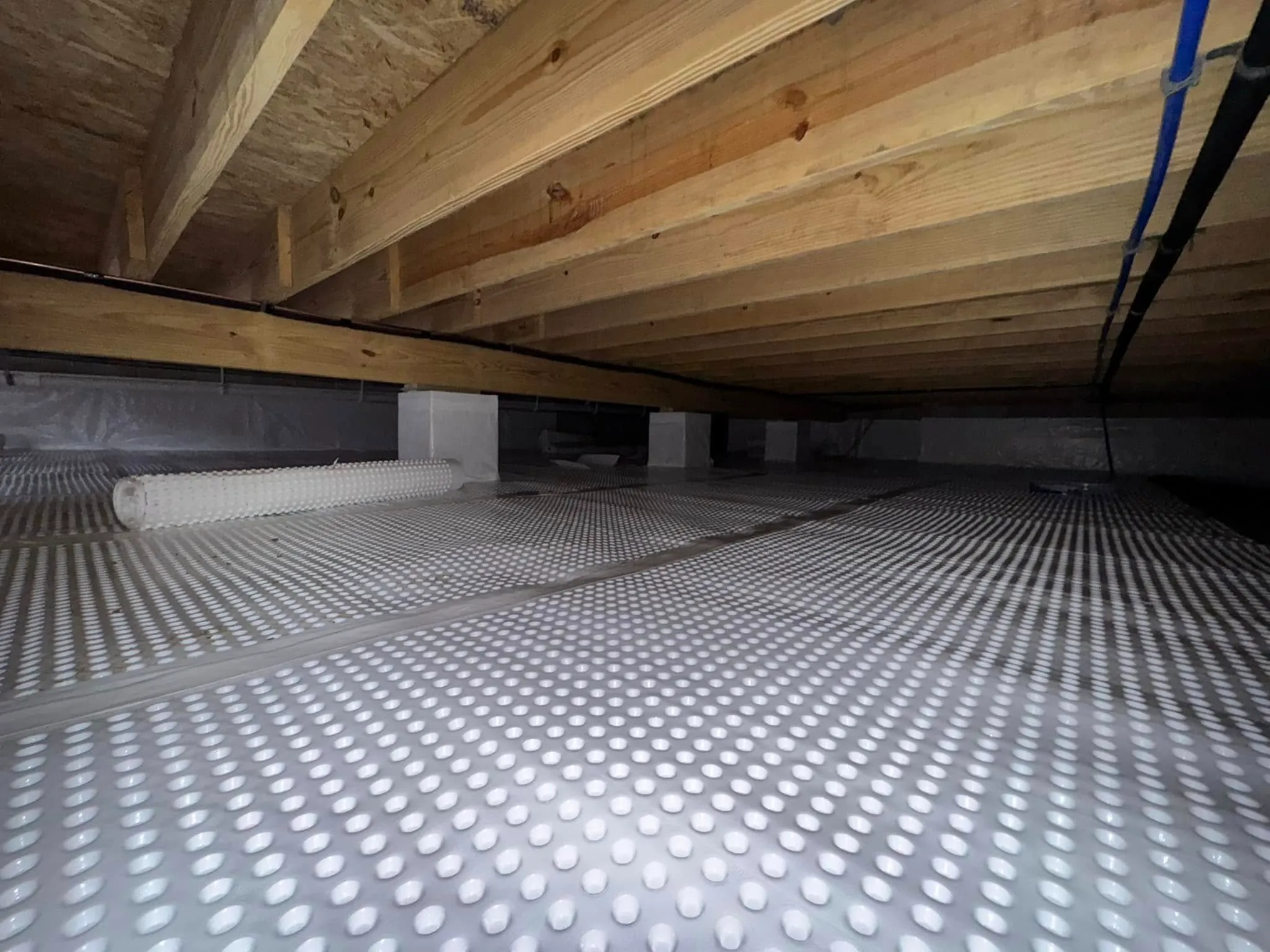
What Materials Are Commonly Used for Crawl Space Encapsulation in 2026, and Why Do They Matter?
Most crawl space encapsulation material choices in 2026 fall into five groups: a polyethylene vapor barrier over the soil and…

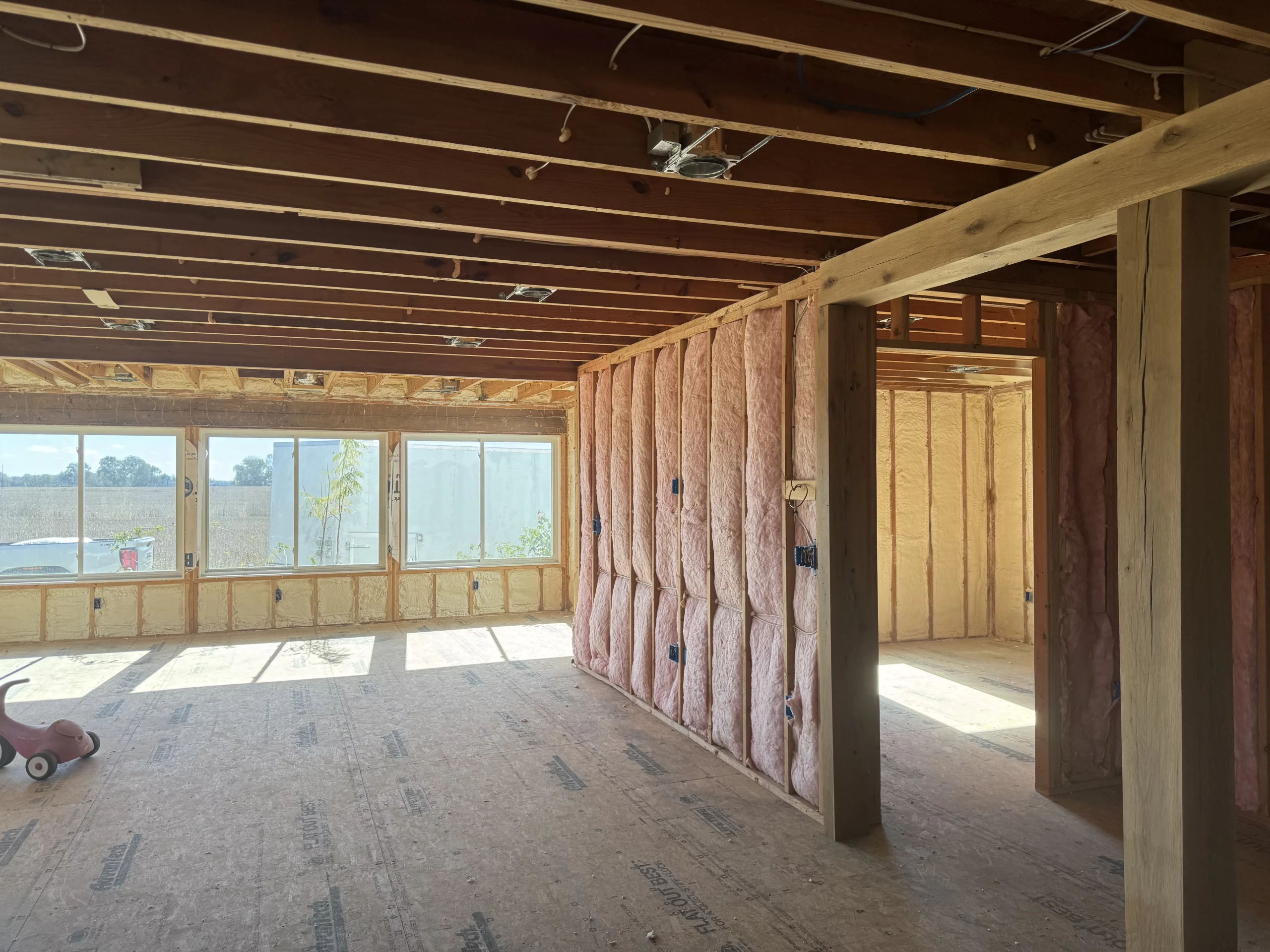
Homeowners across Rhodesdale, MD are reconsidering how they insulate their homes, and mineral wool has moved from a niche building material to a mainstream choice for good reason. The shift is driven by a combination of fire safety, moisture management, sound control, and thermal performance advantages that are especially relevant in Dorchester County’s humid subtropical climate. Mineral wool insulation, also known as stone wool or rock wool, is made from natural basalt or blast-furnace slag and spun into dense, fibrous batts and boards, offering a fundamentally different set of properties from traditional fiberglass. While the right insulation choice always depends on a home’s specific needs, budget, and existing conditions, many homeowners explore stone wool insulation options before deciding on renovations, new builds, and energy retrofit projects.
Mineral wool and fiberglass may look similar at a glance, but they behave very differently once installed. According to the U.S. Department of Energy’s Energy Saver guide, mineral wool is produced from rock (basalt or diabase) or blast furnace slag, while fiberglass is made from spun glass fibers. The distinction in raw materials leads to meaningful differences in how each material performs under real-world conditions.
Mineral wool’s density is its defining characteristic. It is heavier, stiffer, and more structurally stable than fiberglass, which means it holds its position inside stud bays and joist cavities without sagging or settling over decades. Fiberglass batts, by contrast, can slump and leave uninsulated gaps along top plates, reducing effective R-value. For Rhodesdale homeowners dealing with hot summers and cool winters, that consistent thermal performance translates directly into more stable indoor temperatures and lower energy demand on HVAC systems, and many homeowners choose Federalsburg mineral wool for its thermal and fire-performance benefits.
| Feature | Mineral Wool | Fiberglass |
|---|---|---|
| R-value per inch | R-3.7 to R-4.2 | R-2.9 to R-3.8 |
| Fire resistance | Noncombustible, no added chemicals | Requires fire-retardant treatments |
| Heat resistance | 700 to 850 degrees C | 230 to 260 degrees C |
| Moisture interaction | Repels water, dries without losing R-value | Can trap moisture, loses effectiveness |
| Mold support | Inorganic, no food source for mold | Inorganic, but can trap moisture |
| Settling over time | Maintains shape, does not settle | Can sag and leave gaps |
| Sound absorption (NRC) | 0.95 to 1.05 | 0.90 to 0.95 |
| Recycled content | 70% to 75% post-industrial | 20% to 60% recycled glass |
For many Rhodesdale homeowners, fire safety alone is reason enough to choose mineral wool. Unlike cellulose, which requires heavy chemical treatment to resist flames, and fiberglass, which needs added fire retardants, mineral wool achieves its fire resistance through its fundamental composition. The U.S. Department of Energy confirms that mineral wool “doesn’t require additional chemicals to make it fire resistant.” Wikipedia’s mineral wool entry notes that stone wool can withstand 700 to 850 degrees Celsius, a temperature range far exceeding what fiberglass can tolerate.
In a fire scenario, mineral wool acts as a passive fire barrier within wall cavities and ceiling joists, slowing the spread of flames and smoke between rooms. That passive protection works around the clock with no maintenance, no batteries, and no mechanical failure points. For homeowners in rural areas like Rhodesdale where fire department response times may be longer, that built-in fire resistance provides meaningful peace of mind.
Dorchester County experiences a humid subtropical climate with hot, muggy summers and mild but damp winters. That humidity profile makes moisture management a central concern for any insulation decision. When insulation gets wet, its thermal performance drops, and the risk of mold growth increases sharply.
Mineral wool handles moisture differently than most alternatives. It is vapor permeable, meaning it allows water vapor to pass through rather than trapping it, and it is somewhat water-repellent on its surface. If mineral wool does get wet, it can dry out and retain its insulating properties without significant degradation. More importantly, because the material is completely inorganic, it provides no organic food source for mold, mildew, or fungi, even in humid conditions. The Insulation Institute confirms that fiberglass and mineral wool are both inorganic materials that do not feed mold growth, giving them a clear advantage over organic options like cellulose.
For Rhodesdale homeowners with crawlspaces, basements, or exterior walls prone to condensation, this moisture resistance means fewer worries about hidden mold colonies, wood rot, and indoor air quality problems down the line.
Beyond thermal and fire benefits, mineral wool delivers noticeably better sound dampening than fiberglass. Its higher density absorbs airborne sound across a broad range of frequencies, reducing noise transmission through walls, ceilings, and floors. Green Building Advisor reports that mineral wool achieves a Noise Reduction Coefficient (NRC) between 0.95 and 1.05, meaning it absorbs 95% or more of the sound energy that reaches it.
For homeowners near Route 331, agricultural equipment, or with home offices and media rooms, that acoustic performance makes a real difference in daily comfort. The sound-dampening effect works in both directions, keeping exterior noise out and keeping interior noise from traveling between rooms, making it worthwhile to work with a local contractor for the right insulation system.
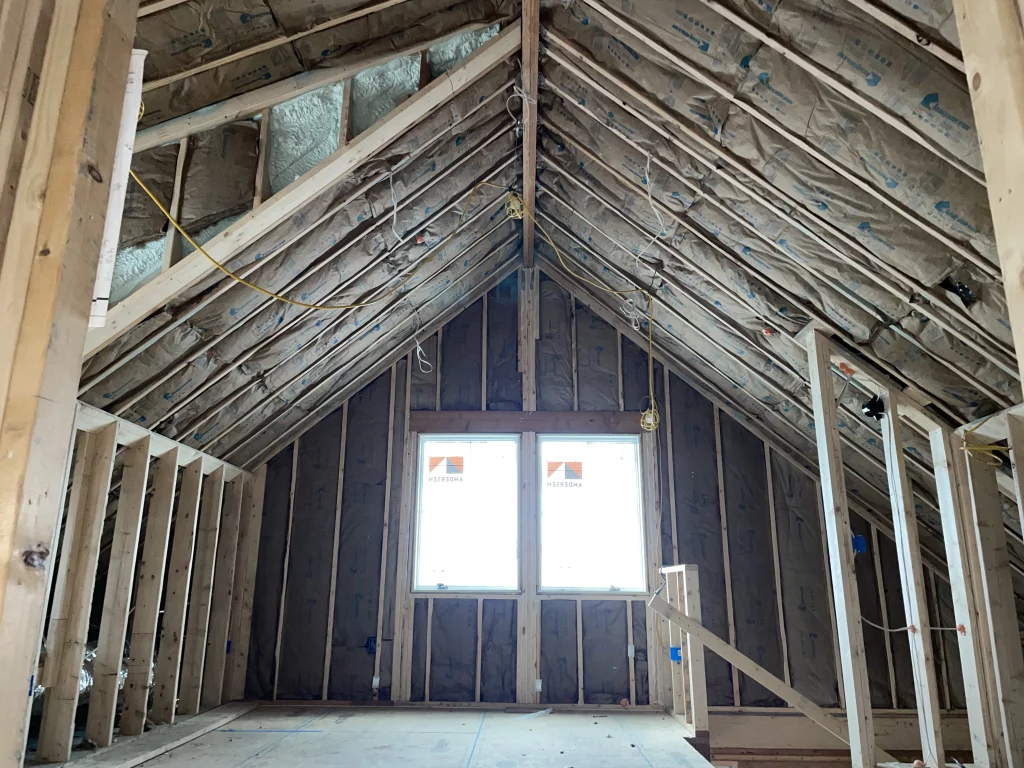
Maryland enforces the International Energy Conservation Code (IECC), and Dorchester County falls within Climate Zone 4. According to the Maryland Energy Administration, the prescriptive requirements for Zone 4 include R-49 ceiling insulation, R-20 cavity or R-13 cavity plus R-5 continuous wall insulation, and R-19 floor insulation.
Mineral wool batts are well-suited to meet these targets. In a standard 2×6 wall cavity, mineral wool can deliver approximately R-23, exceeding the code minimum of R-20. For ceiling applications, mineral wool batts in depths up to 10 or 12 inches can approach or meet the R-49 requirement. The material’s rigidity also helps ensure that insulation stays flush against framing members, which matters because any gap between the insulation and the cavity significantly reduces effective R-value.
Mineral wool is not the perfect solution for every situation. It is heavier than fiberglass, which can make installation in ceiling cavities more physically demanding. The material does produce dust and fine fibers during cutting, so installers need proper respiratory protection and gloves. It also comes at a higher material cost than standard fiberglass batts.
However, for homeowners weighing the full picture of performance, durability, and safety, the advantages often outweigh the trade-offs. The decision comes down to priorities.
| Homeowner Priority | Mineral Wool Recommended? | Why |
|---|---|---|
| Fire safety focus | Yes | Noncombustible without added chemicals, acts as passive fire barrier |
| Moisture-prone areas | Yes | Vapor permeable, repels water, inorganic with no mold food source |
| Sound isolation needs | Yes | Higher density provides superior NRC ratings |
| Lowest upfront cost | No | Higher material cost than fiberglass |
| Long-term performance | Yes | Does not settle, maintains R-value for life of product |
| New construction walls | Yes | Friction-fit batts fill cavities with fewer voids |
| Existing uninsulated attic | It depends | Batts work well, but blown-in options may cover irregular spaces more easily |
Choosing the right installer matters as much as choosing the right material. A qualified contractor will walk you through your options honestly rather than pushing a single product. They should explain why mineral wool suits your specific home conditions, identify air sealing needs before insulation goes in, and provide a clear scope of work with project milestones.
Look for installers who discuss moisture management as part of the insulation plan, not just the R-value. They should conduct a thorough inspection of your attic, walls, and crawlspace before quoting, and they should be willing to show you exactly where each insulation type will go and why. Transparent communication about timeline, prep work, and what to expect during installation is a strong indicator of a contractor who will do the job correctly the first time.
Peninsula Insulation, LLC has been helping homeowners across the region make informed insulation decisions that improve comfort, safety, and energy efficiency. Our team evaluates your home’s specific conditions, identifies air sealing opportunities, and recommends the insulation approach that fits your priorities and budget. Whether you are building new, renovating, or upgrading an older home in Rhodesdale, we bring the expertise and local knowledge to get the job done right.
Request a Quote | Schedule an Insulation Assessment
Reach us at (410) 770-2624 or wil@mdsprayfoam.net to discuss your project. We are ready to help you make the best insulation choice for your home.
Yes. The International Agency for Research on Cancer classifies mineral wool as “not classifiable as to carcinogenicity” (Group 3), and the material is inorganic with no added fire-retardant chemicals that could off-gas into your home.
Mineral wool is somewhat water-repellent and vapor permeable. If it gets wet, it can dry out and retain its insulating properties, unlike fiberglass, which can lose effectiveness when moisture is trapped.
It depends on your specific assembly and where the insulation is installed. In many wall applications, mineral wool’s vapor permeability works well without an additional barrier, but crawlspaces and basements may need moisture management strategies. A qualified contractor can assess your situation.
Mineral wool provides thermal and acoustic insulation but does not air-seal on its own. Spray foam offers some air sealing properties, but no insulation product provides a complete whole-home air barrier. Mineral wool and proper air sealing together create an effective system.
Mineral wool maintains approximately 90% of its insulating properties for the life of the building. It does not settle, degrade, or lose R-value over time the way some other insulation materials can.