What Materials Are Commonly Used for Crawl Space Encapsulation in 2026, and Why Do They Matter?
Most crawl space encapsulation material choices in 2026 fall into five groups: a polyethylene vapor barrier over the soil and…


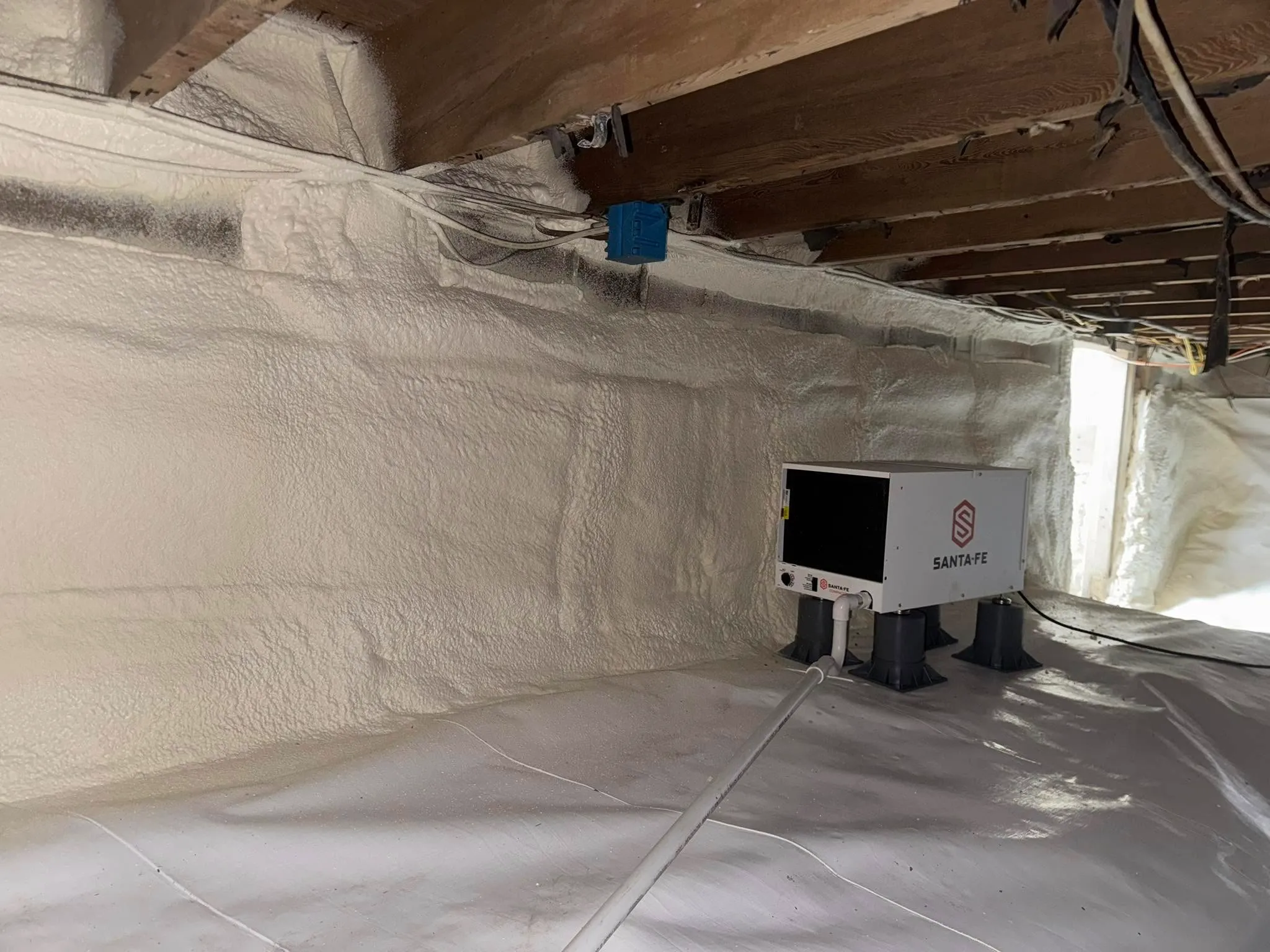
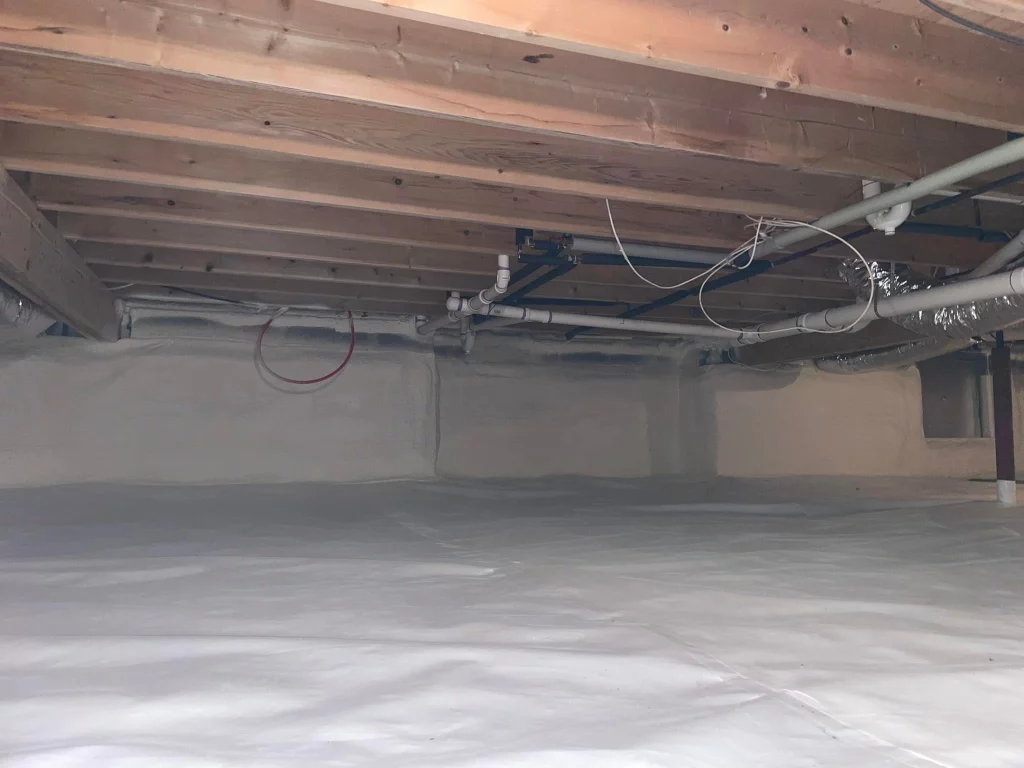
Crawl space encapsulation creates a sealed, conditioned environment beneath your home by installing a heavy-duty vapor barrier over exposed soil, sealing foundation vents, insulating perimeter walls, and often adding a dehumidifier. For older properties built before modern moisture-control standards, this process directly addresses the ground-level moisture that travels upward into the living space, causing wood rot, mold growth, musty odors, and poor indoor air quality. The right approach depends on your home’s foundation condition, drainage patterns, and climate zone, but whole-house air sealing can complement encapsulation by limiting unwanted air movement through the building envelope and helping maintain a more controlled indoor environment.
Homes built decades ago were constructed under different standards and with different assumptions about how crawl spaces should function. Many older properties have dirt floors, open foundation vents, no vapor barriers, and minimal insulation separating the crawl space from the living areas above. These conditions create a direct pathway for ground moisture to enter the home.
Soil continuously releases water vapor through evaporation. Research cited by the USDA Forest Products Laboratory measured average evaporation rates of roughly 10 to 12 gallons per 1,000 square feet of exposed soil per day. In an older home with an unsealed crawl space, that moisture travels straight up into the floor framing, subflooring, and eventually the living space. The EPA’s moisture control guidance identifies damp crawl spaces as a leading contributor to indoor humidity loads, noting that below-grade spaces can add as much moisture to indoor air as all other internal sources combined.
Older foundations also tend to have grading and drainage issues that have developed over decades. Settled soil, clogged gutters, and compacted ground near the foundation direct water toward the structure rather than away from it. When this water saturates the soil beneath the home, the evaporation rate climbs even higher, accelerating the cycle of moisture damage.
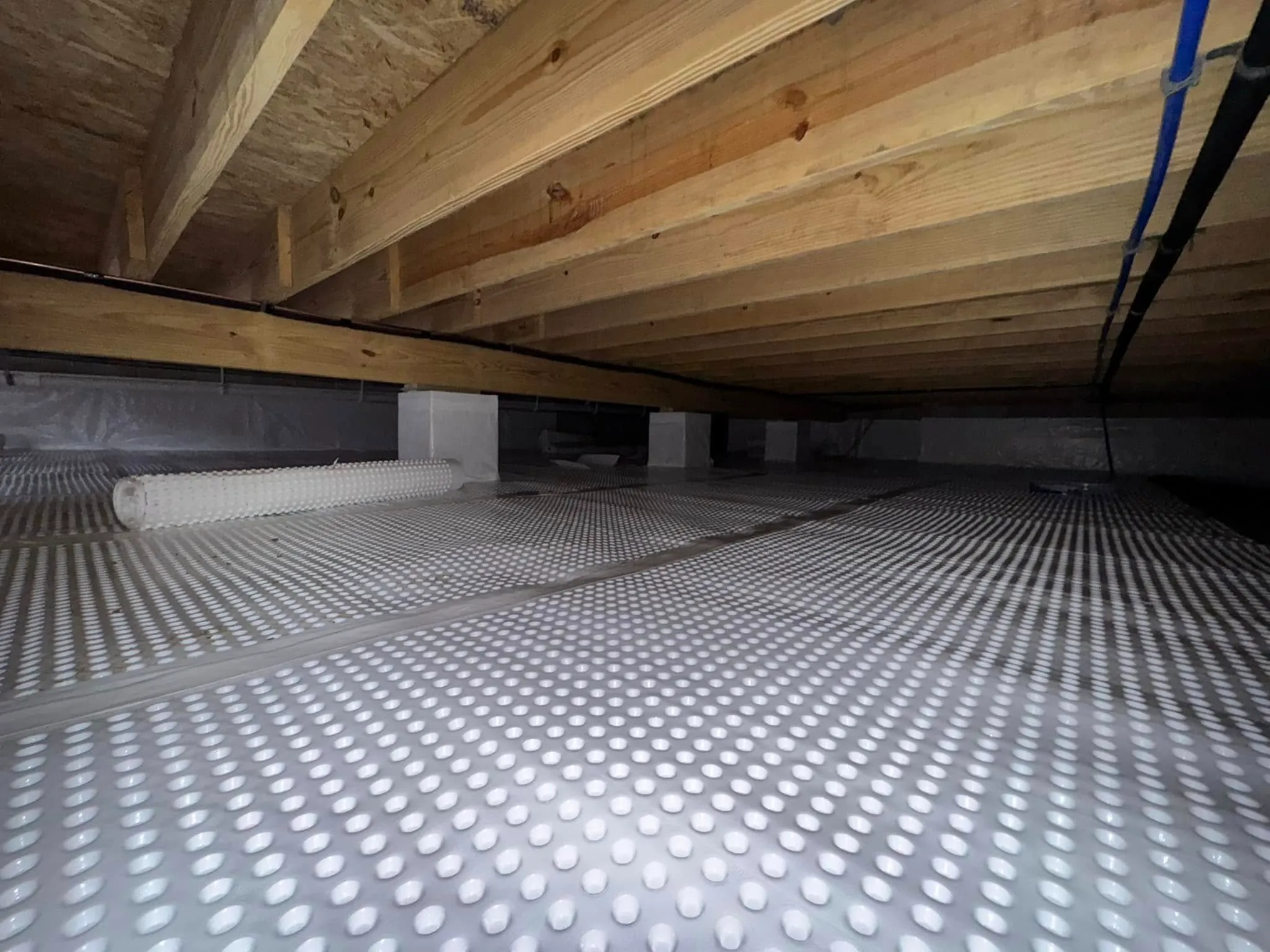
Encapsulation is a multi-step process that transforms a vented, unconditioned crawl space into a sealed, semi-conditioned environment. The core components include:
This approach is supported by building science research. The USDA Forest Products Laboratory study on moisture control in crawl spaces found that ground covers are the key element in crawl space moisture control, and that ventilation requirements have no convincing technical basis when a proper ground cover is installed. The study also noted that introducing outside air into a cool crawl space during summer actually raises relative humidity, sometimes to 85 or 95 percent, which is exactly the opposite of what ventilation is supposed to achieve.
The most direct benefit of encapsulation is blocking the continuous evaporation of moisture from exposed soil. A study from New Zealand cited in the USDA research found that polyethylene films applied to crawl space floors reduced ground moisture evaporation by at least 70 percent and possibly as much as 95 percent. When combined with vent sealing and dehumidification, encapsulation brings crawl space humidity into the 45 to 55 percent range recommended by the EPA, well below the 60 percent threshold where mold growth becomes likely.
When moisture from the soil rises into floor joists, subflooring, and girders, the wood framing absorbs water over time. Prolonged moisture exposure leads to wood rot, warping, and weakened structural connections. The EPA’s moisture guidance notes that damp conditions promote colonization by wood-decaying fungi and insect pests, including termites and carpenter ants. By cutting off the moisture supply at the source, encapsulation preserves the structural integrity of older framing that has already endured decades of exposure.
Air from the crawl space does not stay in the crawl space. Stack effect and air pressure differences draw crawl space air up through floor penetrations, around plumbing and electrical openings, and through gaps in the subfloor. That means mold spores, musty odors, and soil gases from the crawl space enter the living space continuously. The Institute of Medicine’s report on damp indoor spaces found sufficient evidence of an association between damp indoor environments and upper respiratory symptoms, coughing, wheezing, and asthma symptoms in sensitized persons. Encapsulation stops this air pathway by sealing the crawl space and conditioning the air, so what enters the living area is clean and dry.
Many pests are drawn to dark, damp environments with access to wood. Moist crawl spaces with organic debris attract termites, carpenter ants, rodents, and other pests that can damage both the crawl space structure and the home above. Encapsulation removes the moisture and organic material that sustain these populations, making the crawl space a far less hospitable environment.
For decades, building codes required crawl space ventilation based on the assumption that outside air would dry out the space. Research has shown this assumption to be flawed in many climates. The USDA Forest Products Laboratory review concluded that no research findings demonstrate a need for crawl space ventilation with outdoor air when a ground cover is installed. In fact, during summer months, venting can raise crawl space humidity because warm outdoor air entering a cool crawl space causes condensation on surfaces, making crawl space encapsulation an effective approach to controlling moisture and limiting outdoor air exchange.
The table below compares the two approaches:
| Factor | Vented Crawl Space | Encapsulated Crawl Space |
|---|---|---|
| Moisture source control | No ground cover or thin, ineffective covering | Heavy-duty sealed vapor barrier blocks soil evaporation |
| Summer humidity | Warm humid air enters and raises RH | Sealed environment prevents humid air infiltration |
| Winter humidity | Cold dry air enters, can cause condensation on ducts | Conditioned space maintains stable temperature and RH |
| Energy efficiency | Open vents allow conditioned air to escape | Sealed space reduces energy loss through the floor |
| Pest access | Open vents provide easy entry | Sealed vents and walls block access |
| Indoor air quality | Crawl space air drawn into living space | Sealed and conditioned air stays contained |
| Older home suitability | Exacerbates existing moisture problems | Directly addresses moisture at the source |
Not every crawl space needs full encapsulation, but older properties with the following conditions are strong candidates:
A well-qualified encapsulation contractor will demonstrate several qualities during the evaluation process. They should conduct a thorough inspection of the crawl space before recommending any work, checking for existing moisture damage, drainage issues, and structural concerns. They will explain each component of the system rather than pushing a one-size-fits-all package, and they will be transparent about what encapsulation can and cannot address. For example, they should tell you that encapsulation alone will not fix active water intrusion from poor exterior drainage. Their proposal should specify the thickness and type of vapor barrier material, the method of sealing seams and wall connections, the insulation approach, and whether dehumidification is included. They should also be willing to provide documentation of their work for your records.
Peninsula Insulation, LLC has the experience and expertise to evaluate your older home’s crawl space and recommend the right encapsulation solution for your specific conditions. Our team understands the unique challenges that older foundations present, from degraded mortar joints and settled grading to decades of accumulated moisture damage. We handle every project with a focus on long-term results, not quick fixes. Contact us today to discuss your crawl space concerns and get started with a professional assessment.
Request a Quote | Schedule a Crawl Space Assessment
Call us at (410) 770-2624 or email wil@mdsprayfoam.net to speak with our team directly.
A properly installed encapsulation system with a 20-mil vapor barrier can last 15 to 25 years or longer, though the dehumidifier may need maintenance or replacement sooner.
Encapsulation provides benefits in all climates. In humid regions it prevents moisture entry, and in colder climates it prevents condensation on ductwork and reduces energy loss through the floor.
Standing water must be addressed before encapsulation. Exterior drainage improvements or an interior sump system may be needed first to eliminate the water source.
Vent sealing without dehumidification can trap existing moisture. A complete encapsulation system includes a dehumidifier sized for the space to maintain humidity within the target range.
Encapsulation can be adapted to stone and brick foundations, though irregular surfaces may require additional sealing steps to ensure a continuous vapor barrier.