What Materials Are Commonly Used for Crawl Space Encapsulation in 2026, and Why Do They Matter?
Most crawl space encapsulation material choices in 2026 fall into five groups: a polyethylene vapor barrier over the soil and…

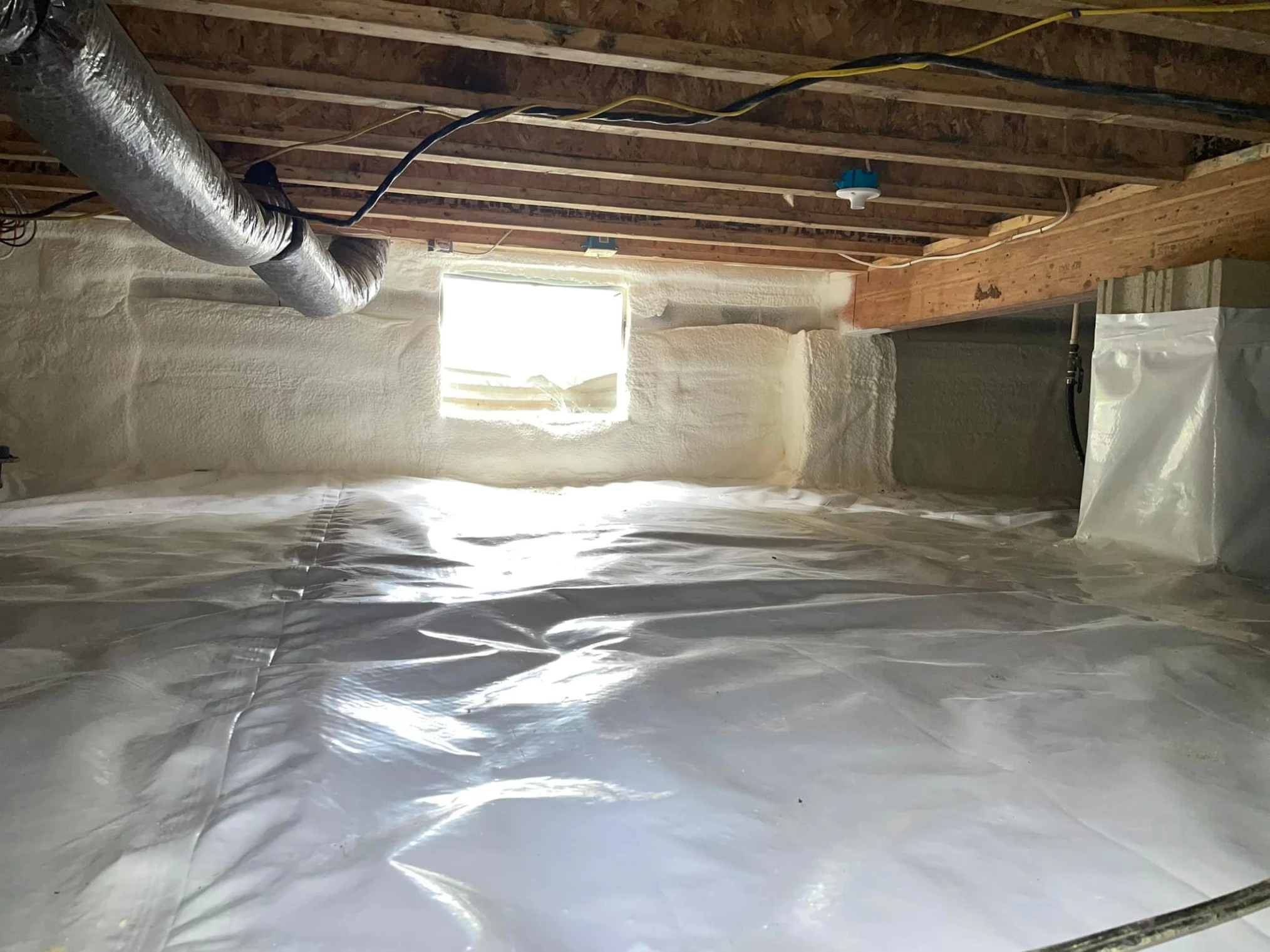
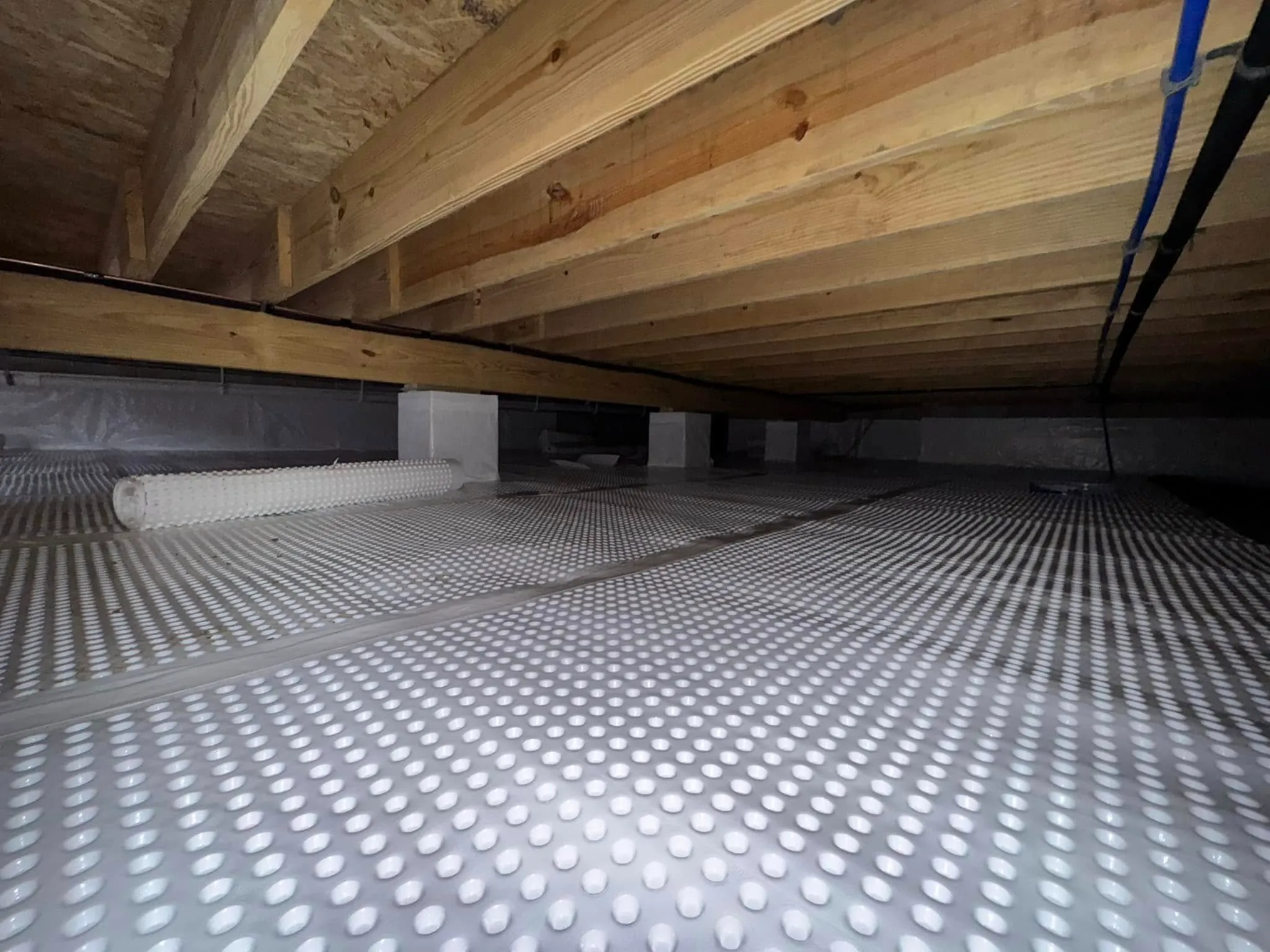
Understanding the full range of crawl space encapsulation benefits helps homeowners decide whether this investment makes sense for their property. At its core, crawlspace encapsulation turns an open, moisture-prone foundation area into a sealed, conditioned space that protects the structure above it. The process involves lining the floor and walls with a heavy-duty vapor barrier, sealing vents and penetrations, and in many cases adding drainage or dehumidification to keep humidity under control.
Homeowners usually start researching this topic after noticing musty odors, high humidity readings, visible mold, or rising energy bills. The good news is that a properly designed system addresses all of these issues at once rather than treating them as separate problems.
Unencapsulated crawl spaces create ideal conditions for moisture buildup, which leads to structural damage and health concerns over time. Ground moisture evaporates continuously, often pushing humidity levels above 60 percent, the point where mold and bacteria start to thrive. That moisture then travels upward through what is known as the stack effect, carrying pollutants and allergens into living spaces above.
Foundation walls made of concrete, block, or stone naturally allow some moisture transmission through capillary action and vapor diffusion. Without a barrier in place, this creates condensation on cooler surfaces, which leads to wood rot, insulation breakdown, and conditions that attract pests.
Bonus Tip: Check for efflorescence, the white chalky residue on foundation walls, since it is an early sign of active moisture movement through masonry.
Full encapsulation stops ground moisture evaporation by installing a heavy-duty vapor barrier across the floor and up the walls. A complete system also includes perimeter drainage, sump pump integration where needed, and sealing of every penetration through the foundation.
This approach prevents wood rot in floor joists and subflooring, removes the damp conditions that attract termites and other pests, and protects structural integrity for decades rather than years.
One of the most measurable advantages of crawl space encapsulation is lower energy use. Encapsulated crawl spaces reduce heating and cooling loads by turning the area beneath the home into a conditioned buffer zone instead of a vented, drafty space. Research from the Building Science Corporation has shown that properly encapsulated crawl spaces can lower annual energy consumption by 15 to 20 percent compared to ventilated systems.
Sealing the space also cuts air leakage through floor assemblies, which reduces the workload on HVAC equipment. Ductwork routed through an encapsulated crawl space runs more efficiently since the temperature difference between the duct and the surrounding air is much smaller.
| Encapsulation Method | Energy Savings | Humidity Reduction | Cost Effectiveness |
| Full Vapor Barrier System | 15 to 20% annually | 40 to 60% reduction | High long-term value |
| Partial Wall Sealing | 8 to 12% annually | 20 to 30% reduction | Moderate short-term |
| Ventilation Only | 3 to 5% annually | 10 to 15% reduction | Low effectiveness |
The stack effect naturally pulls air from the crawl space into the rooms above, so foundation air quality directly affects what your family breathes. Encapsulation cuts off moisture-related mold growth, reduces radon infiltration, and keeps pest-related allergens from entering the home.
A properly sealed crawl space maintains relative humidity between 30 and 50 percent, which is the range most comfortable for people and least favorable for mold, dust mites, and other airborne irritants that can trigger asthma and allergy symptoms. According to the EPA, controlling indoor moisture is one of the most effective ways to prevent mold-related health issues in the home.
Weighing the crawl space encapsulation pros and cons helps set realistic expectations before committing to a project.
Pros:
Cons:
For most homes in humid or high-moisture regions, is crawl space encapsulation is worth it comes down to comparing the cost of the system against the cost of ongoing moisture damage. Left untreated, chronic humidity leads to wood rot, mold remediation, higher energy bills, and reduced indoor air quality, expenses that tend to add up faster than a one-time encapsulation project.
Homes with clay soil, a high water table, frequent flooding, or visible mold are the strongest candidates for immediate action. Homes in drier climates with well-draining soil may get by with lighter interventions, though a full system still offers the most reliable long-term protection.
Homes with a high water table need a different approach than a standard vapor barrier installation. In these conditions, groundwater pressure pushes moisture toward the foundation from below, not just through evaporation, so the encapsulation system needs reinforced drainage in addition to the barrier itself.
A properly engineered system for high water table lots typically includes:
Sump pumps matter in these systems because drainage alone cannot keep pace with rising groundwater during heavy rain or seasonal flooding. Without a functioning pump, water can pool beneath the vapor barrier and eventually compromise the seal, so it is treated as a core component rather than an optional add-on.
| Component | Material Type | Thickness | Performance Rating |
| Floor Vapor Barrier | Reinforced Polyethylene | 6 to 20 mil | Class A vapor retarder |
| Wall Barrier | Reinforced Polyethylene | 6 to 15 mil | Flame spread rating under 25 |
| Seam Sealing | Polyurethane Tape | 4 inch width | 15+ year durability |
| Insulation Integration | Closed Cell Foam | R-13 to R-19 | Moisture resistant |
Bonus Tip: Choose barriers with reinforcement mesh for durability in high-traffic maintenance areas, since this helps prevent punctures during routine inspections.
Mid-Atlantic climates bring seasonal temperature swings and high humidity during summer months. According to the National Weather Service, Maryland regularly experiences average relative humidity above 70 percent from May through September, which creates ongoing moisture pressure against foundation systems. Encapsulation systems built for this region need enhanced dehumidification capacity and solid drainage to handle periodic flooding and extended wet seasons.
Evaluate the current condition of your foundation before starting a project. Existing water intrusion, foundation cracks, or grading problems that direct surface water toward the home need to be resolved first so the encapsulation system can work as intended.
Assess how encapsulation will interact with your HVAC setup, since conditioned crawl spaces often benefit from connecting to the main system or adding dedicated dehumidification equipment. Also think about future access needs for plumbing, electrical, or maintenance work when planning where barriers and seals go.
Check whether your electrical, plumbing, or HVAC systems need modifications before installation, since some encapsulation methods affect code compliance for wiring or require upgraded ventilation for combustion appliances. For a deeper walkthrough of the full process, see our complete guide to crawl space encapsulation.
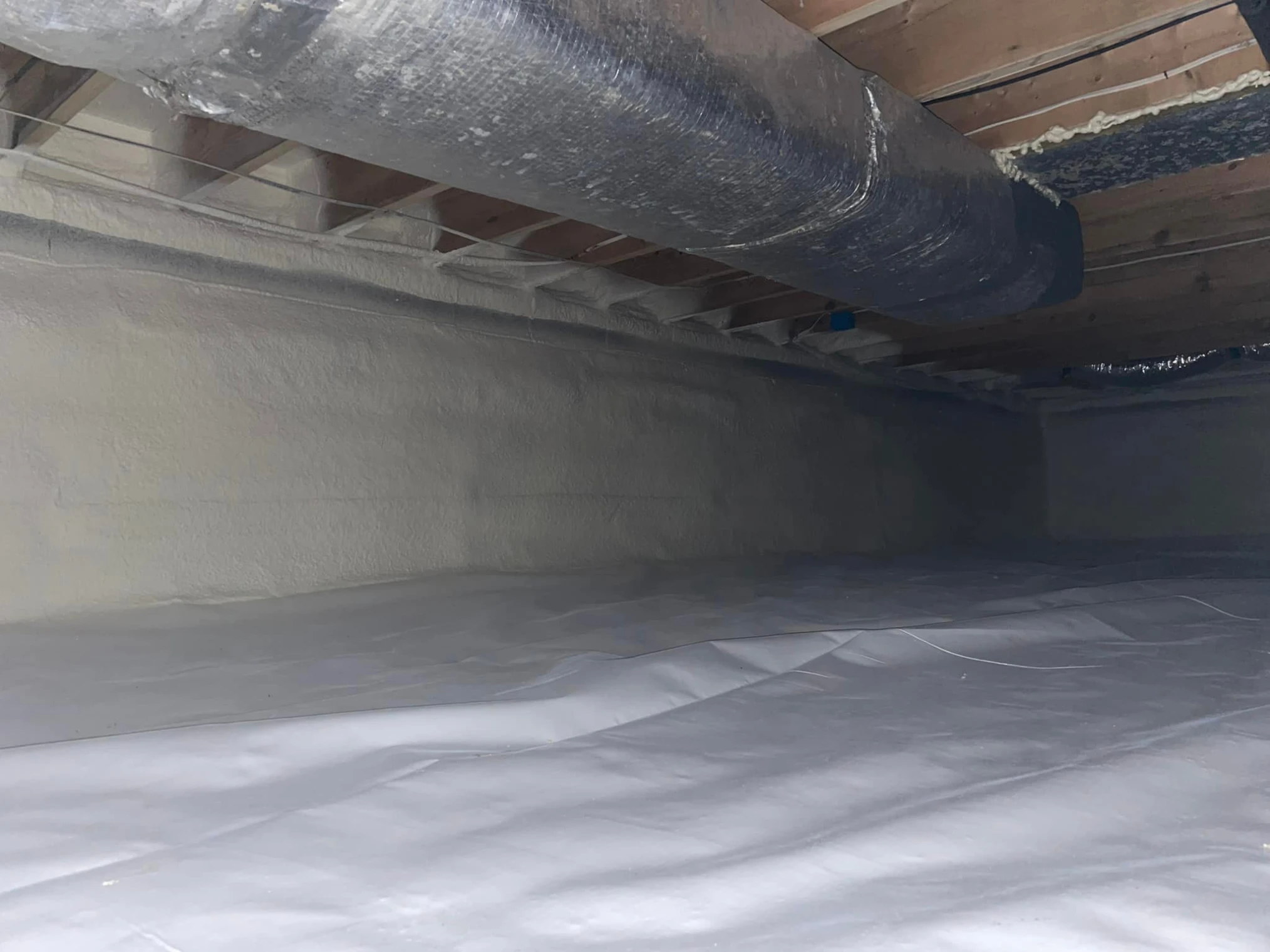
Peninsula Insulation, LLC delivers moisture control solutions built around real-world crawl space conditions:
Crawl space encapsulation delivers measurable results through moisture control, energy savings, and better indoor air quality that compound over time. Success depends on a system designed around your site’s drainage needs, materials suited to your climate, and professional installation for lasting performance.
Address any underlying water intrusion issues first, then plan for HVAC integration and future maintenance access to get the most out of your investment.
If musty odors, high humidity, or rising energy bills have you considering encapsulation, a professional assessment is the best next step. Reach out to schedule a consultation and get a system recommendation built around your home’s specific conditions.
Encapsulation adapts to poured concrete, concrete block, and stone foundations, each requiring its own sealing technique and barrier attachment method. Dirt floors typically show the most dramatic improvement since ground moisture is the largest vapor source in those spaces.
Quality installations with proper materials hold up for 20 to 25 years with minimal degradation. Vapor barriers with reinforcement mesh resist punctures and UV exposure, and properly sealed seams keep moisture out for decades. Regular inspections extend system life and catch small issues early.
Encapsulation prevents future mold growth by controlling moisture, but it does not remediate mold that already exists. Any current contamination should be professionally cleaned before installation, after which the sealed environment prevents recurrence by keeping humidity below mold growth thresholds.
Clay soils with poor drainage need stronger sump pump systems and heavier vapor barriers due to higher moisture pressure. Sandy, well-draining soils may need less intensive drainage but still benefit from full vapor barrier coverage. A site-specific soil assessment determines the right drainage and barrier specs.
Professional encapsulation often increases home value by resolving common inspection concerns and showing proactive maintenance. Energy efficiency gains and better indoor air quality appeal to buyers, while moisture control protects the structural investment long term.
Encapsulation typically improves HVAC efficiency by reducing temperature differentials and eliminating moisture-related ductwork issues. Some setups benefit from connecting the crawl space to the home’s HVAC system, while others need dedicated dehumidification depending on space size and moisture load.
U.S. Environmental Protection Agency