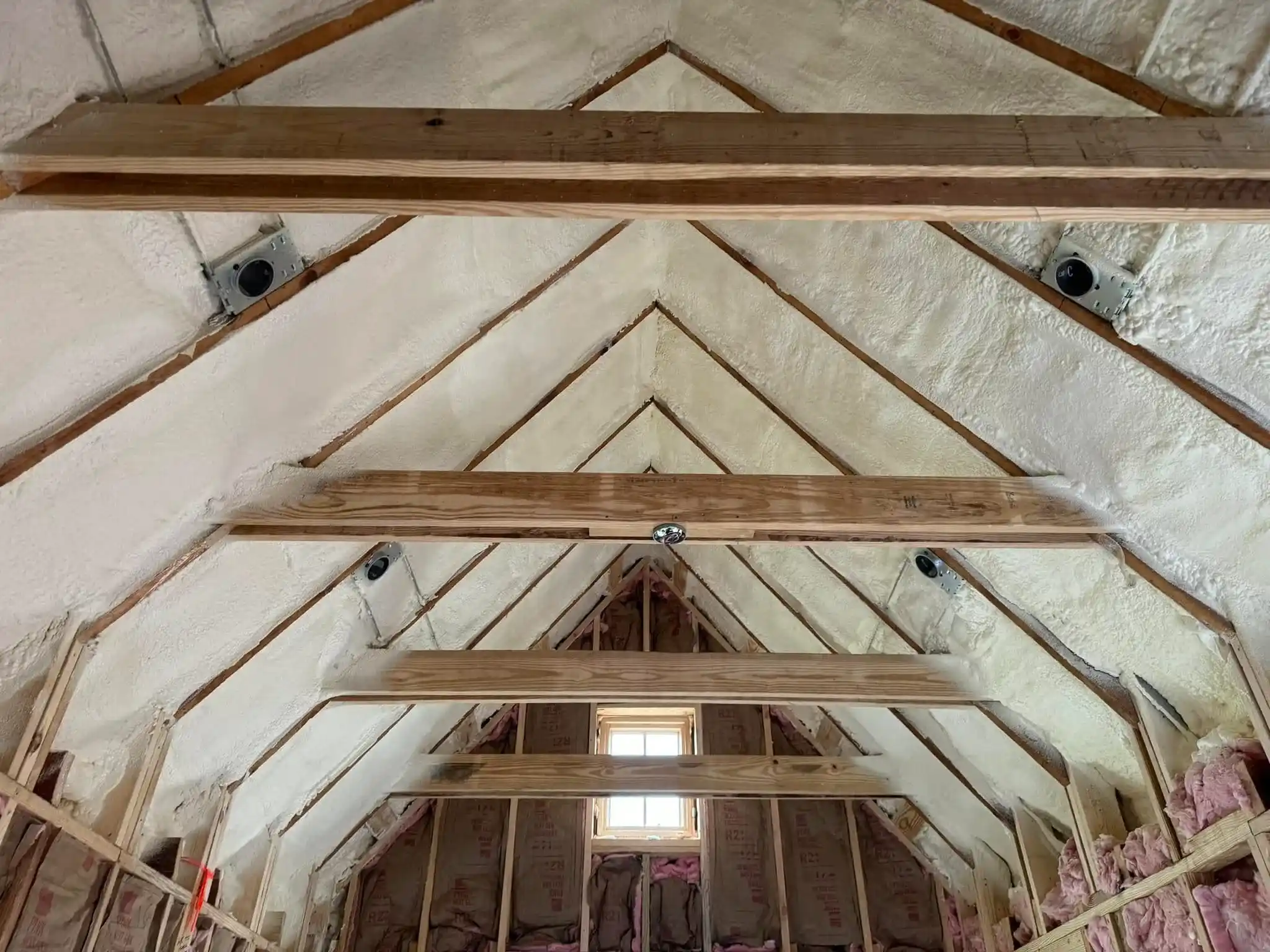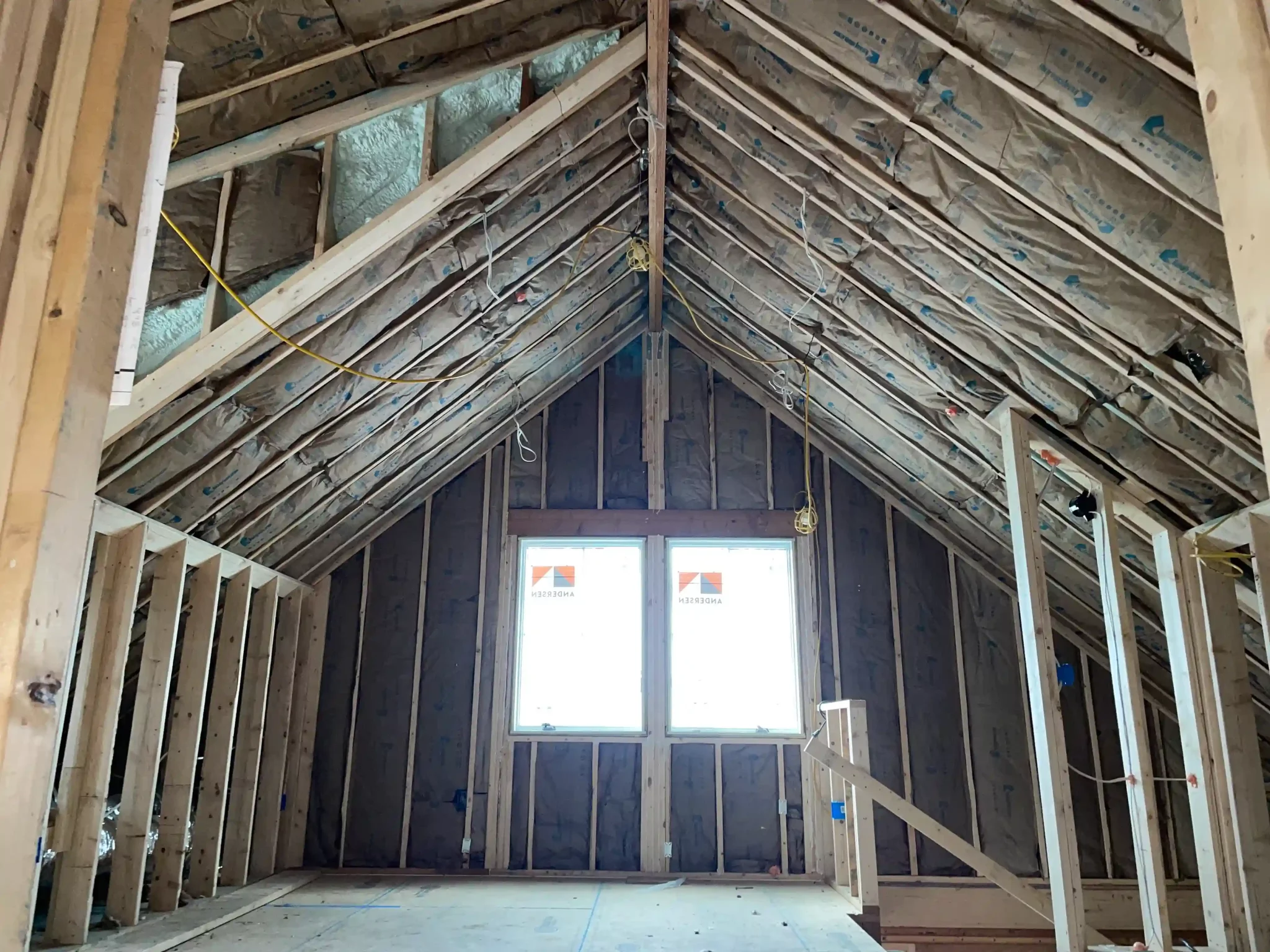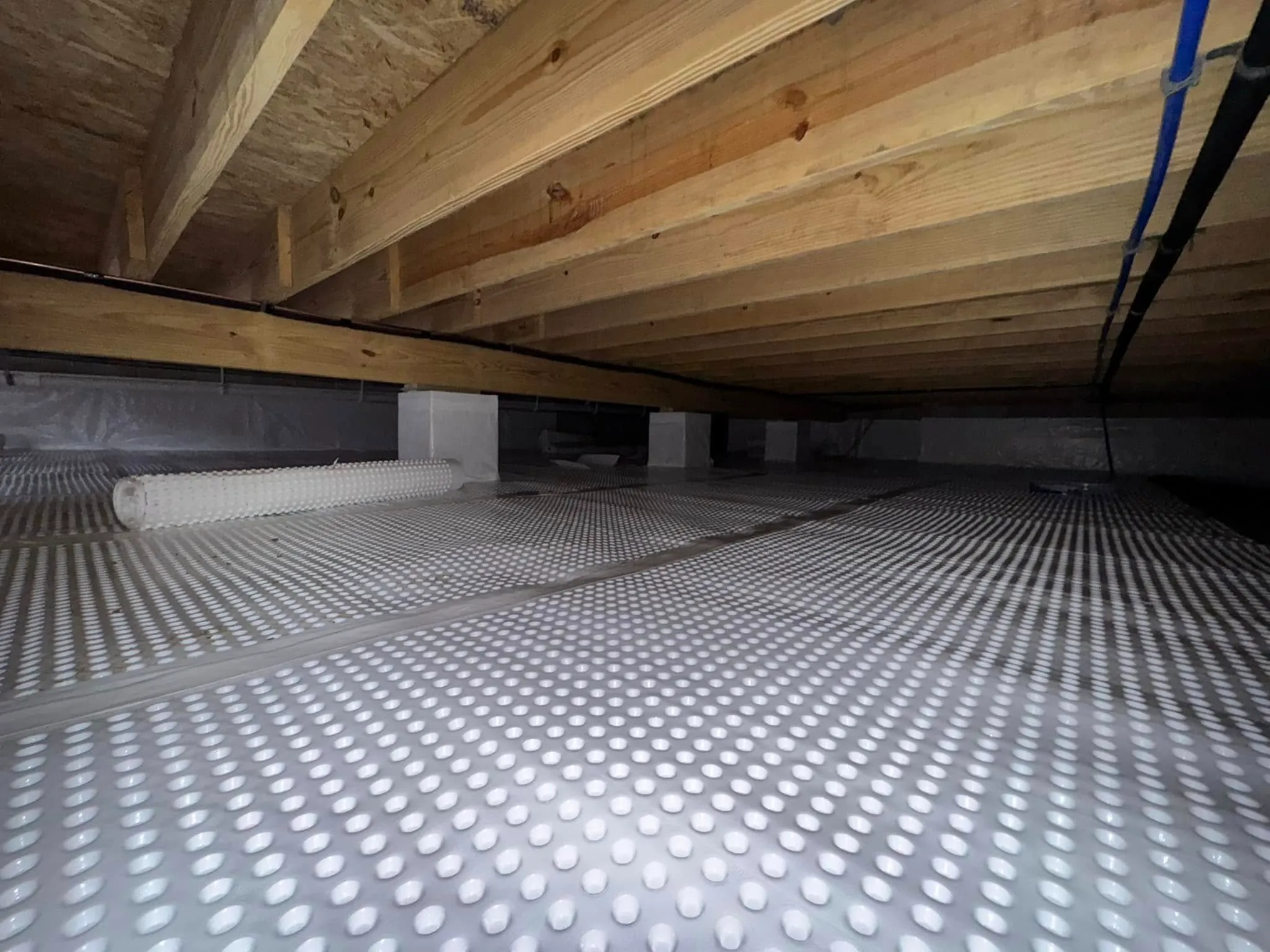
What Materials Are Commonly Used for Crawl Space Encapsulation in 2026, and Why Do They Matter?
Most crawl space encapsulation material choices in 2026 fall into five groups: a polyethylene vapor barrier over the soil and…

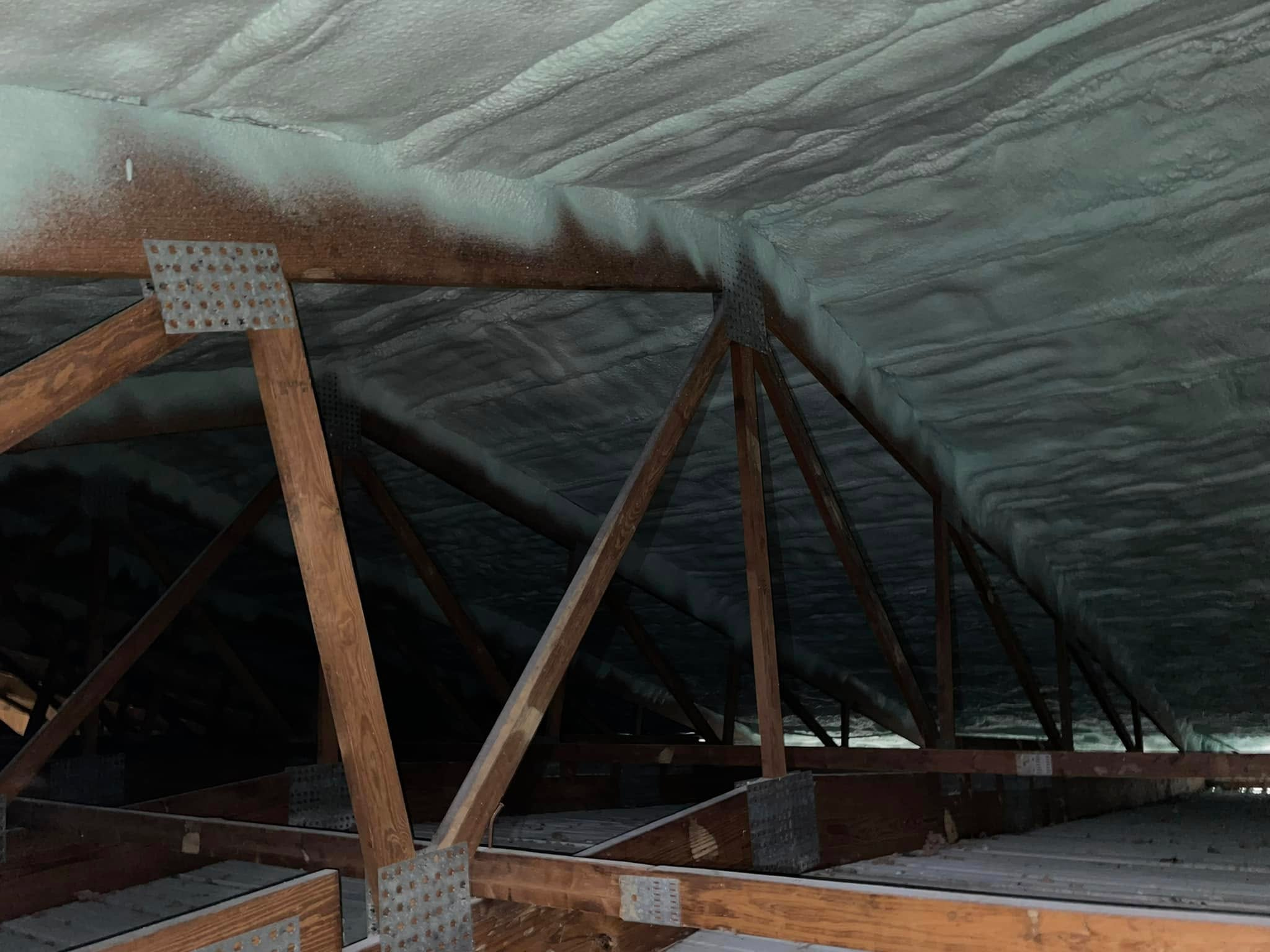
Maintaining and improving your home’s insulation performance is one of the most impactful decisions you can make as a homeowner, directly affecting energy costs, indoor comfort, and the long-term condition of your house. According to ENERGY STAR, 9 out of 10 homes in the United States are under-insulated, meaning the majority of homeowners are leaving money on the table every month. The right approach depends on your climate zone, the age and condition of your current insulation, and whether your home also needs air sealing and moisture control to perform at its best. This guide covers everything from identifying performance problems and understanding R-value recommendations to knowing when it is time to repair or replace your insulation. Explore complete insulation solutions for every building type.
Insulation resists heat flow through three mechanisms: conduction (heat moving through solid materials), convection (warm air rising and cold air sinking), and radiation (heat traveling in a straight line). The U.S. Department of Energy explains that the most common insulation materials work by slowing conductive and convective heat flow, keeping warm air inside during winter and outside during summer. The effectiveness of insulation is measured by its R-value, which indicates resistance to heat flow. Higher R-values mean better thermal performance, but the actual R-value also depends on the material’s thickness, density, temperature conditions, and whether it has been compressed or exposed to moisture.
One concept that often surprises homeowners is thermal bridging, which occurs when heat travels more readily through studs, joists, and other framing materials than through the insulation itself. This means the overall R-value of a wall or ceiling assembly is lower than the rated R-value of the insulation material alone. Proper installation techniques, such as using continuous insulation over framing, can address this problem, which is why insulation techniques to reduce thermal bridging are critical for overall efficiency.
The Department of Energy and ENERGY STAR both publish recommended R-values based on climate zones, which range from Zone 1 (hot, humid areas like South Florida) to Zone 8 (extremely cold areas like northern Alaska). The table below summarizes the minimum recommended R-values for retrofitting existing wood-framed homes:
| Climate Zone | Attic (Uninsulated) | Attic (3-4 Inches Existing) | Floor Over Crawlspace/Basement |
|---|---|---|---|
| 1 | R30 | R25 | R13 |
| 2 | R49 | R38 | R13 |
| 3 | R49 | R38 | R19 |
| 4 (A and B) | R60 | R49 | R19 |
| 4C, 5, and 6 | R60 | R49 | R30 |
| 7 and 8 | R60 | R49 | R38 |
For wall insulation, whenever exterior siding is removed, the recommendation is to blow insulation into empty wall cavities and add continuous insulative sheathing (R5 to R20, depending on the zone). These guidelines are based on the 2021 International Energy Conservation Code (IECC) and represent the levels that are cost-effective for each climate.
Adding insulation without addressing air leaks is like wearing a thick coat with the zipper open. The EPA estimates that the combined effect of air sealing and adding insulation in attics, crawlspaces, and basements delivers the greatest energy savings. Air leaks around windows, doors, plumbing penetrations, recessed lights, and attic hatches allow conditioned air to escape and unconditioned air to enter. In a typical home, if you added up all the gaps, holes, and cracks, it would equal leaving a window open year-round.
Air sealing should always be completed before adding insulation, especially in attics. This means using caulk, spray foam, or weatherstripping to close gaps around electrical boxes, vent pipes, chimney chases, and top plates. Sealing these areas first ensures that the new insulation can perform at its rated R-value without air movement undermining its effectiveness.
Moisture is the most common cause of insulation degradation, and it works in ways that are not always visible. According to the Insulation Institute (NAIMA), moisture moves through buildings primarily by air currents, accounting for more than 98% of all water vapor movement in buildings. When warm, humid air meets a cold surface within a wall or attic cavity, condensation forms, and insulation absorbs that moisture.
Different insulation types respond to moisture differently:
The EPA’s guidance on Energy, Weatherization, and Indoor Air Quality warns that tightening a building without maintaining proper ventilation can lead to moisture accumulation, mold growth, and increased exposure to indoor pollutants. After any insulation or air sealing upgrade, homeowners should verify that ventilation systems (exhaust fans, attic vents, and mechanical ventilation where required) are functioning properly.
Insulation does not last forever, even when installed correctly. Different materials have different expected lifespans:
| Insulation Type | Expected Lifespan | Common Maintenance Concerns |
|---|---|---|
| Fiberglass (batt and loose-fill) | 80 to 100 years | Compression, settling, and moisture damage starting around year 15 |
| Cellulose (blown-in) | 20 to 30 years | Settling reduces the effective R-value; degradation starts around year 15 |
| Mineral Wool | 30+ years | Very durable; can sag if exposed to prolonged moisture |
| Spray Foam | 80+ years | Long-lasting but requires proper substrate and installation |
| Foam Board | 30 to 50 years | Can be damaged by UV exposure and pests |
Settling is a particular concern with loose-fill insulation, especially cellulose. As material settles over time, the top of the wall cavity or attic floor becomes under-insulated, and the R-value drops proportionally. In attics, blown-in insulation can settle 15 to 25% below its original depth over a decade, which is why experts recommend inspecting attic insulation depth every few years and adding material if it has fallen below recommended levels.
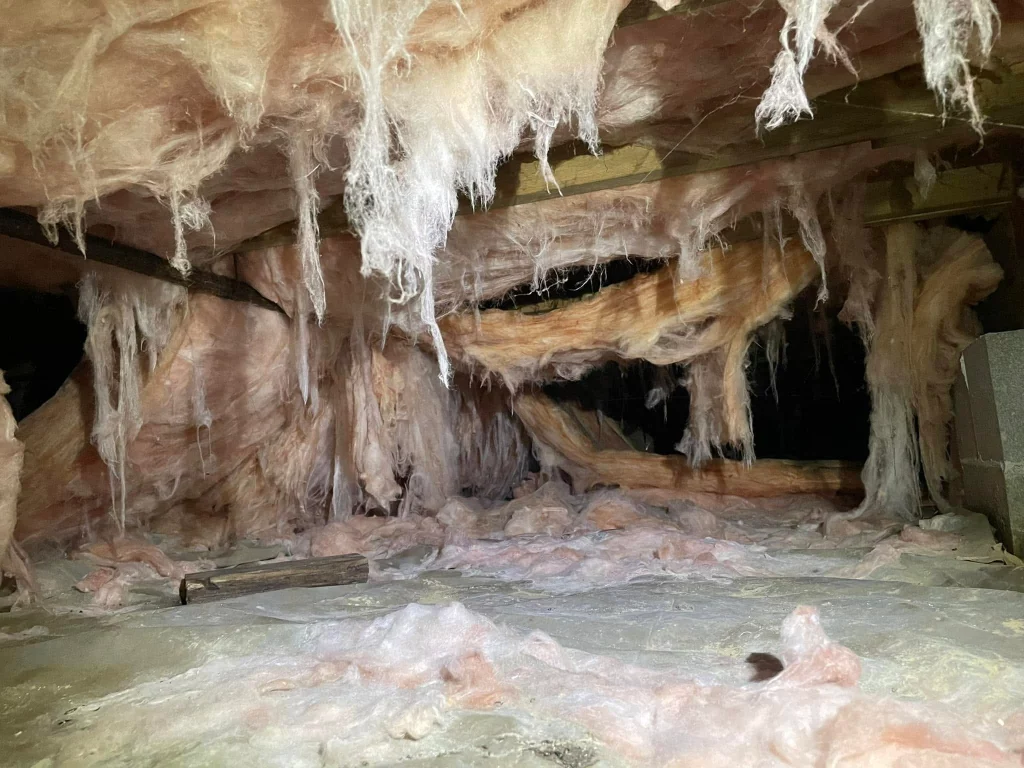
Most homeowners do not think about their insulation until there is a visible problem. Watch for these warning signs:
Different types of homes and situations call for different insulation strategies:
| Home Type / Situation | Recommended Approach | Key Considerations |
|---|---|---|
| Older homes (pre-1980) | Full energy assessment, air sealing, and top-up insulation | May have little or no insulation; check for asbestos or vermiculite in attics |
| Newer homes (2000+) | Targeted air sealing and insulation gap fills | Likely has code-minimum insulation but may have installation defects |
| Homes with ice dams | Attic air sealing + insulation to R-49 or R-60 | Air sealing is the priority; ventilation must also be verified |
| Homes with moisture problems | Address water sources first, then insulate | Never insulate overactive moisture without solving the source |
| Basement/crawlspace homes | Rim joist sealing + rigid foam or spray foam on walls | Moisture control and vapor barriers are essential in below-grade spaces |
Choosing the right professional to assess, maintain, or upgrade your insulation matters as much as choosing the right material. Look for these indicators:
Peninsula Insulation, LLC helps homeowners evaluate their current insulation, identify air leaks and moisture risks, and recommend the right solutions to improve comfort and reduce energy waste. Our team provides detailed assessments and professional installation tailored to your home’s specific needs and climate requirements.
Call us at (410) 770-2624 or email wil@mdsprayfoam.net to get started. We are ready to help you make your home more comfortable and energy efficient.
A: We recommend a visual inspection at least once a year, with a more thorough professional assessment every 3 to 5 years or whenever you notice comfort issues or rising energy bills.
A: Yes, in most cases. New insulation can be layered over existing material, as long as the existing insulation is dry, undamaged, and there is no vapor barrier between the old and new layers that could trap moisture.
A: Not always. Compressed insulation loses effectiveness, and adding insulation without air sealing first can leave gaps that allow heat to bypass the material entirely. Proper installation matters more than thickness alone.
A: Air sealing closes gaps and cracks where air leaks through the building envelope, while insulation slows heat transfer through solid materials. Both are needed for maximum performance, and air sealing should be done first.
A: A quick visual check in your attic can tell you a lot. If you can see the floor joists, you likely need more insulation. For most climate zones, the recommended depth ranges from 10 to 16 inches of fiberglass or cellulose.