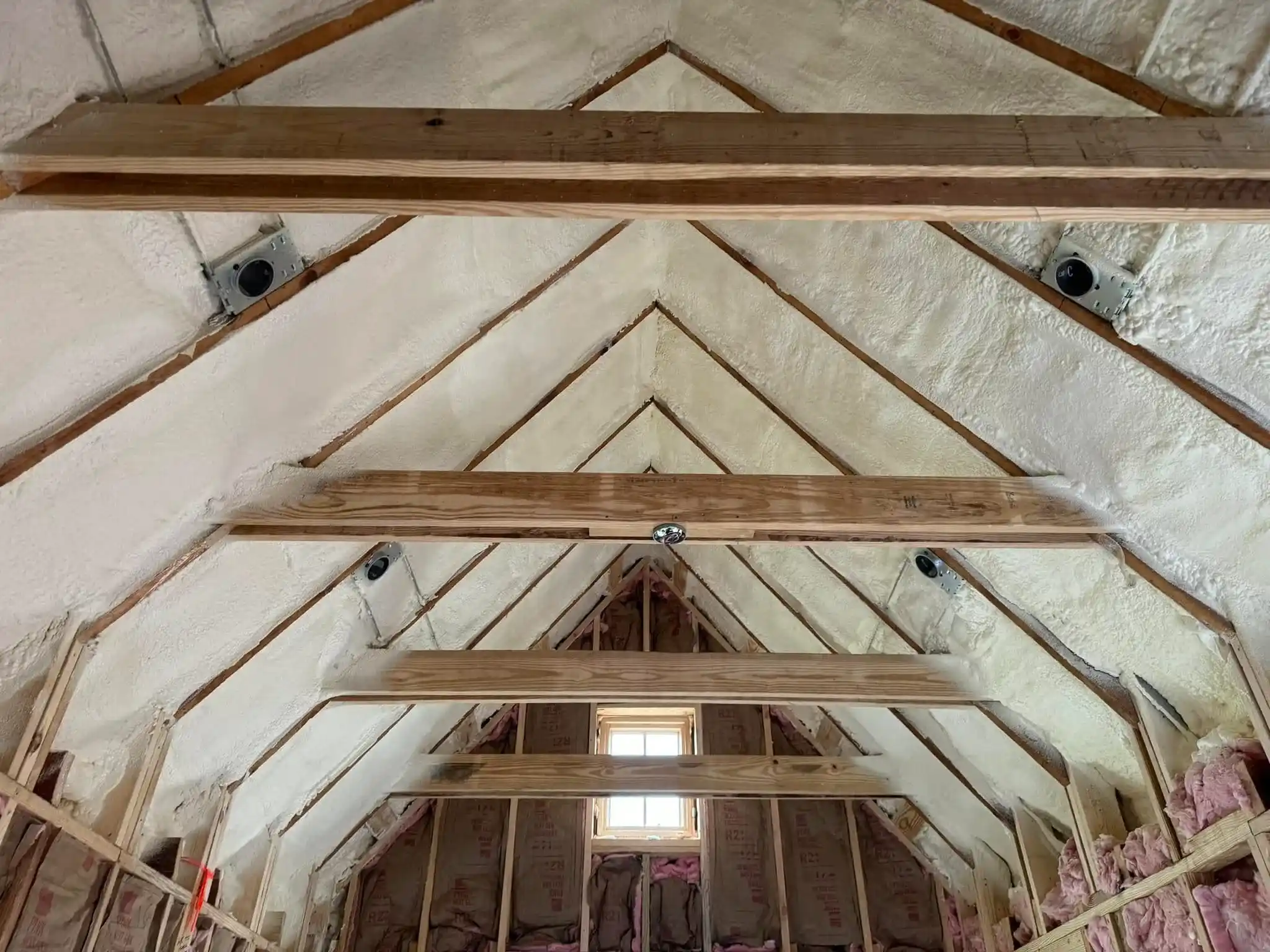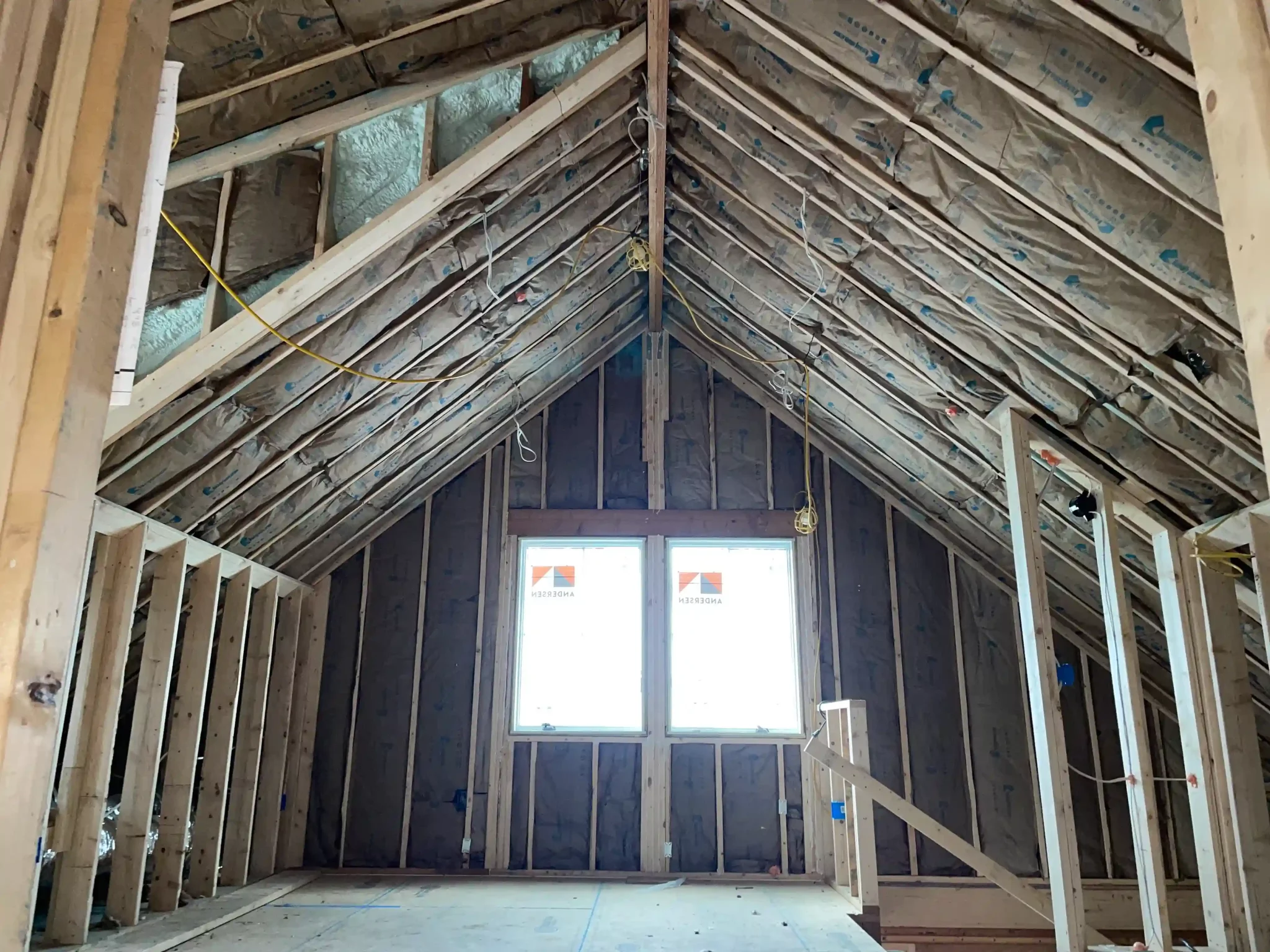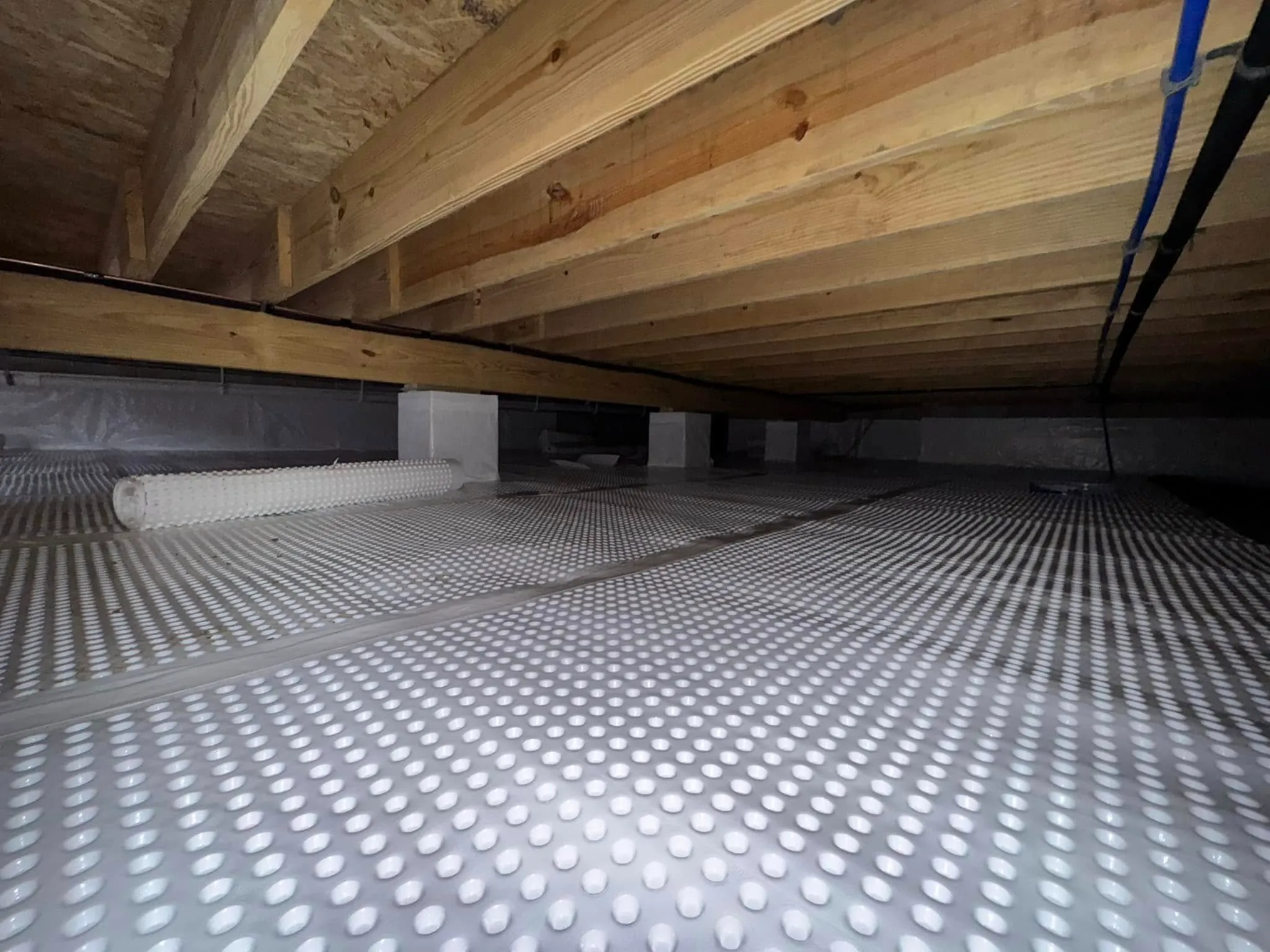
What Materials Are Commonly Used for Crawl Space Encapsulation in 2026, and Why Do They Matter?
Most crawl space encapsulation material choices in 2026 fall into five groups: a polyethylene vapor barrier over the soil and…


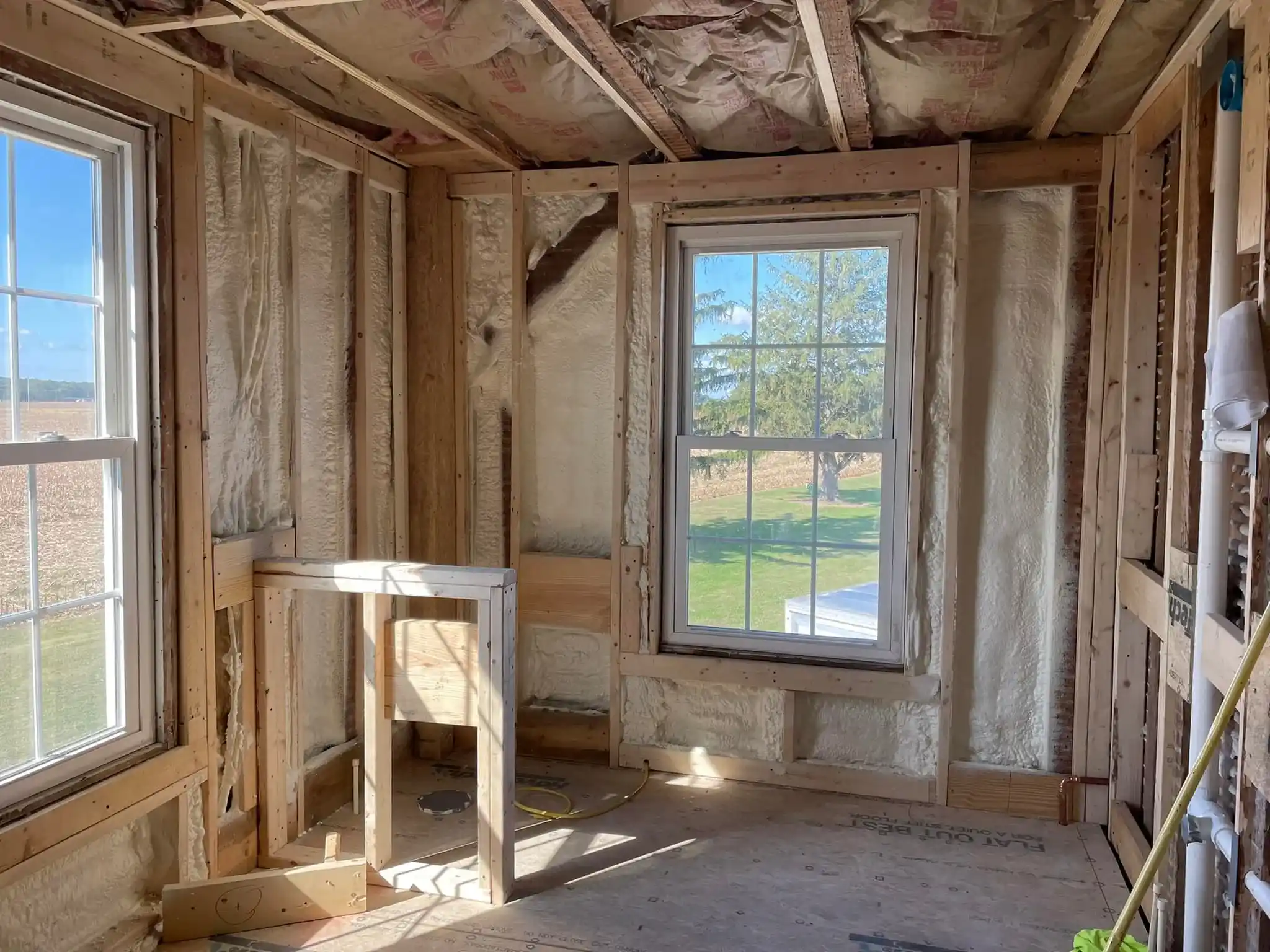
Homeowners researching spray foam insulation in cold weather performance want a straight answer before they commit to a project. Closed-cell spray foam is engineered to hold its seal through sub-zero nights and stay stable in summer attic heat, but the outcome depends on material choice and how well installation conditions are managed. For a broader look at how the material is built and where it fits into a home, our spray foam insulation guide covers the fundamentals before you get into the temperature-specific details below.
TL;DR: Closed-cell spray foam holds its seal across roughly -40°F to 200°F, while open-cell performs best in a narrower, more moderate range. Cold substrates slow curing and can weaken adhesion, so installers rely on winter-grade formulas and surface temperature monitoring. Heat can cause over-expansion if foam is applied too thick or too fast. Matching foam type and application method to the season is what keeps performance consistent year-round.
Spray foam insulation is a common choice for harsh winters because it does not rely on trapped air pockets the way fiberglass batts do. Once cured, closed-cell foam forms a rigid, sealed structure that resists convective heat loss even when outdoor temperatures drop well below freezing. That said, cold weather changes how the material behaves during application. Lower surface and ambient temperatures slow the chemical reaction between the two foam components, which can extend cure time and, if not managed correctly, reduce bond strength at the substrate.
This is why sub-zero spray foam projects call for cold-weather chemical formulations and pre-conditioned materials rather than a standard summer mix sprayed onto a cold surface.
Material selection is the first decision point. Open-cell and closed-cell foams respond differently to thermal load, moisture, and air movement, and the closed-cell spray foam temperature range is considerably wider than open-cell.
| Foam Type | Effective Temperature Range | R-Value per Inch | Moisture Resistance | Air Seal Quality |
| Open Cell | -20°F to 180°F | 3.5 – 3.8 | Low | Moderate |
| Closed Cell | -40°F to 200°F | 6.5 – 7.0 | High | High |
The Spray Polyurethane Foam Alliance’s similar operating windows for specialty applications, including systems designed for cold storage facilities running between -40°F and 50°F, confirms that properly formulated closed cell foam is built to hold up in genuinely extreme cold, not just moderate winter dips.
Apply closed cell spray foam in coastal or humid climates to prevent condensation inside wall cavities. This lowers the risk of wood rot or mold growth during seasonal transitions.
Spray foam temperature control during application matters as much as the finished product’s rated range. Installers monitor three variables on every job: ambient air temperature, substrate surface temperature, and material temperature at the gun tip. Spraying outside the manufacturer’s specified window, even in what looks like a mild, temperate climate day, can produce off-ratio foam, poor adhesion, or surface blistering.
Our team applies closed-cell spray foam insulation using pre-installation checks on substrate moisture and surface temperature, which is especially important on winter builds or coastal jobs where humidity swings alongside the cold.
Yes, with the right formula. Standard spray foam chemistry is calibrated for a specific temperature band, and pushing outside that band without adjustment risks incomplete curing or shrinkage. Cold-weather blends adjust the chemical ratio and reaction speed so the foam still expands and sets correctly even when the substrate sits in the 40 to 50°F range or lower. Pre-heating surfaces and using thermal monitoring tools during application keeps the cure on track.
| Environmental Condition | Key Performance Concern | Solution |
| Sub-zero temperatures | Incomplete cure or shrinkage | Use winter-specific closed cell formulas |
| High humidity | Blistering or adhesion failure | Apply air sealing pre-treatment before insulation |
| Extreme heat | Over-expansion or softening | Apply in controlled layers with thermal breaks |
Heat presents a different set of challenges. High-temperature spray foam insulation must resist softening, off-gassing, and thermal drift in attic spaces that can exceed 150°F in summer. Closed-cell foam remains stable up to roughly 200°F, which is why it’s the preferred choice for unvented attics and roof decks in hot climates. Applying foam in controlled layers, rather than one thick pass, prevents the exothermic curing reaction from overheating the material and causing surface charring or excessive off-ratio expansion.
In agricultural structures, prioritize closed-cell foam along rooflines and metal joints, where temperature swings between day and night are most extreme.
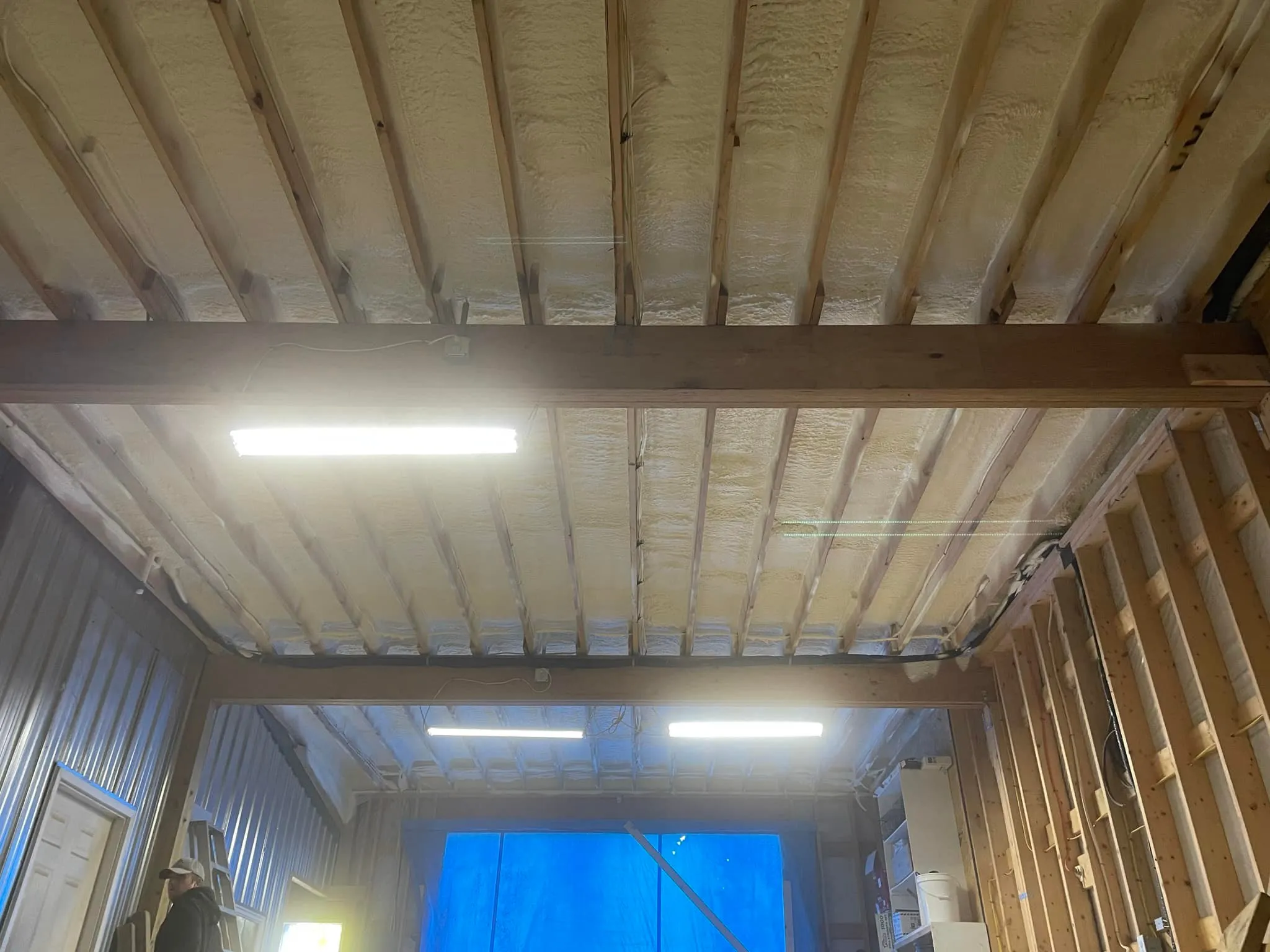
Closed-cell foam’s stability across a wide temperature range is also why it holds up structurally over time. Our breakdown of closed cell spray foam longevity looks at how the material performs years after installation, not just on day one.
Air sealing, foundation insulation, and crawlspace encapsulation all work alongside spray foam to control temperature and moisture across a building’s full envelope, which matters most during seasonal extremes.
Closed-cell spray foam performs reliably across fluctuating conditions, from sub-zero nights to high-heat attics, when the material and application method match the environment. Density, moisture resistance, and a wide temperature range make it a dependable option where seasonal swings are significant. Correct installation and material selection remain the deciding factors for long-term performance.
For property owners dealing with moisture shifts, sub-zero nights, or hot attic air, Peninsula Insulation, LLC applies spray foam systems built to hold up under stress. Contact wil@mdsprayfoam.net or call (410) 770-2624 to get a recommendation based on your building’s conditions.
Yes. Cold-weather chemical blends adjust the reaction ratio, so foam still expands and sets correctly at lower substrate temperatures, though pre-heating and thermal monitoring are typically required.
Closed cell spray foam generally performs between -40°F and 200°F once cured, which is wider than open cell foam’s typical -20°F to 180°F range.
Closed-cell foam is stable up to roughly 200°F and resists thermal drift. Proper application with ignition barriers supports long-term durability in hot attic environments.
Yes, when a winter-specific closed-cell formula is used, and substrate temperature is properly managed during application.
Surface moisture can cause adhesion failure. Structures need to be dried and sealed before spray foam installation begins.
Cracking usually points to improper mixing or substrate movement rather than the foam itself. Closed-cell foam rated for structural rigidity resists expansion-related stress better than lower-density alternatives.
Installers track ambient air temperature, substrate surface temperature, and material temperature at the gun tip, adjusting formula and application method to stay within the manufacturer’s specified range.
Yes, if left uncovered. Foam used on exterior walls or unvented roofs needs a UV-rated coating or wrap for long-term protection.
See how spray foam compares to traditional insulation in our post on spray foam as a thermal barrier versus fiberglass.