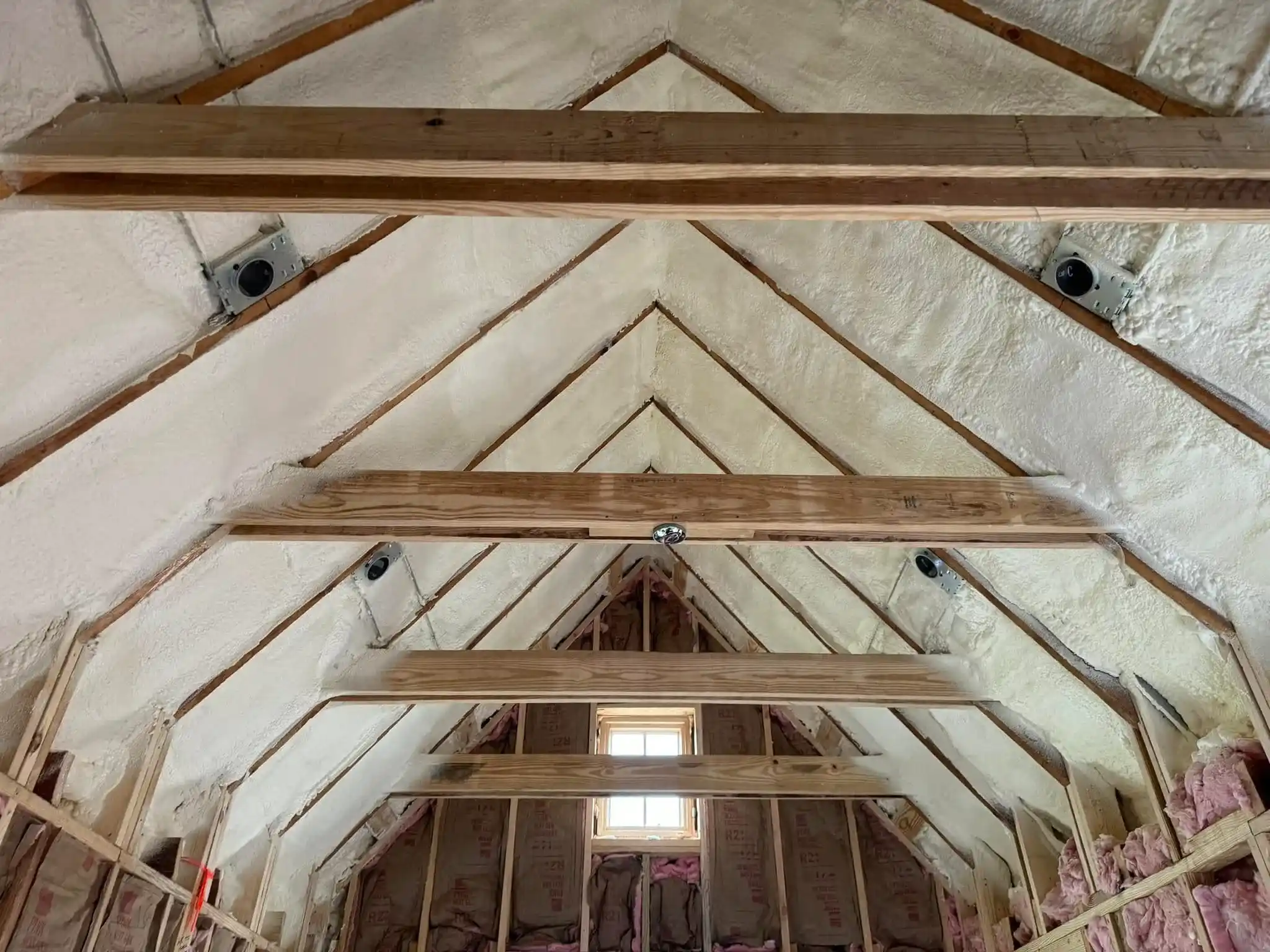
What Happens When Traditional Insulation in New Carrollton, MD Leaves Air Gaps?
When traditional insulation in New Carrollton, MD develops air gaps, it stops doing the one job it was installed to…

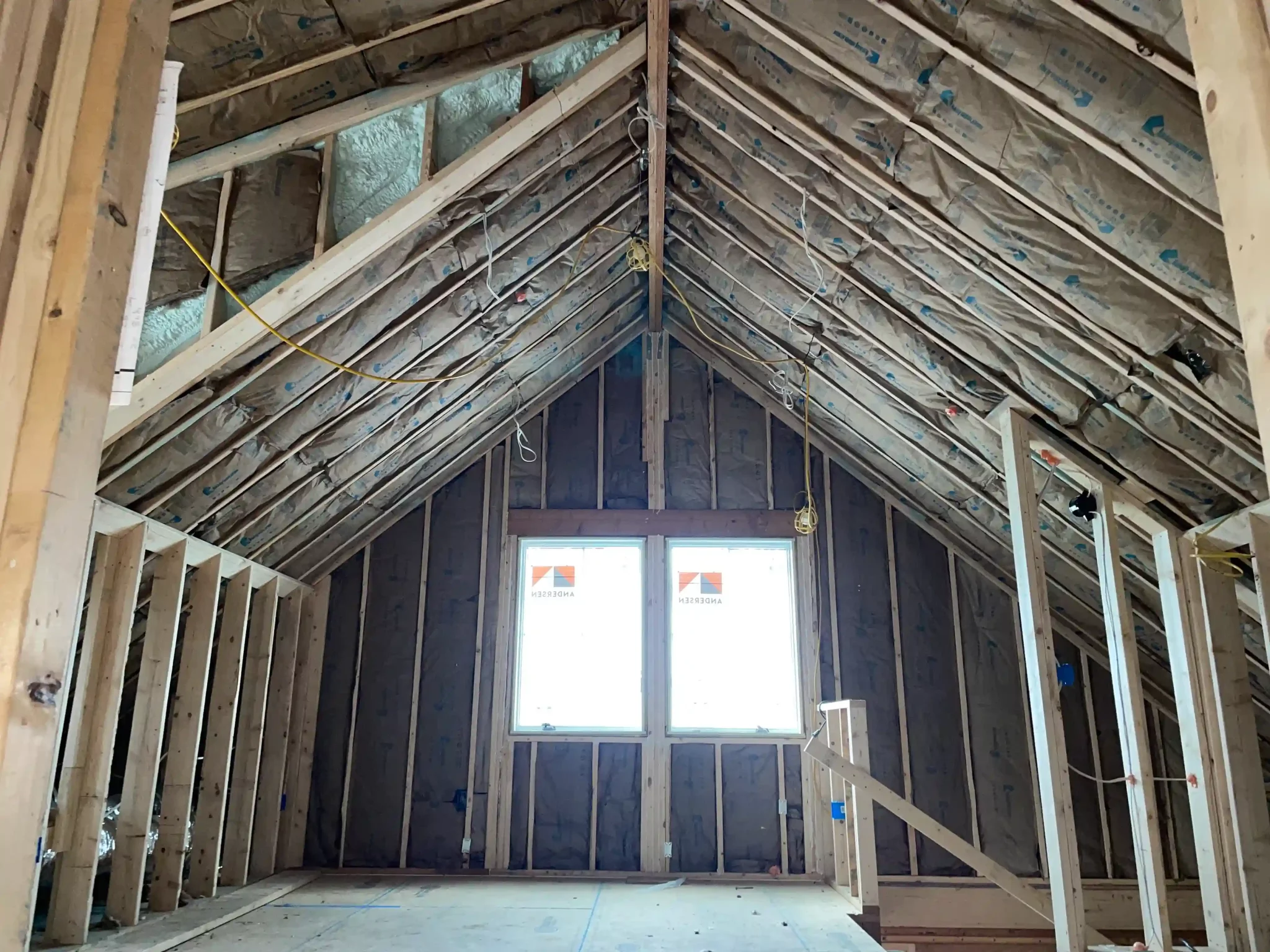
Consider professional home insulation in Chestertown, MD when your energy bills keep climbing, rooms feel noticeably hotter or colder than the rest of the house, or your attic insulation sits at or below the level of the floor joists. EPA’s ENERGY STAR program warns that a home with low insulation levels can easily carry utility bills about 10% higher than a well-sealed, well-insulated home, and their guidance is that if attic insulation is 4 to 6 inches below recommended levels, you should consider adding more. The right move depends on your home’s age, current insulation depth, and where the problems show up, whether that’s the attic, walls, floors, or crawl space. This guide walks Chestertown homeowners through the warning signs, a simple self-check, the situations where professional help beats DIY, and how to choose the right approach for your property.
Chestertown sits on the Chester River in Kent County, and a guide to insulation types can help homeowners understand which options may best suit the area’s humid subtropical climate. Summers are hot and humid, with average July highs around 86.6°F, while winters are cool and damp, with January lows dipping to about 27.1°F and roughly 45.96 inches of precipitation falling across a typical year. A home that is under-insulated fights both extremes: the air conditioner runs harder in August, and the furnace runs longer in February.
The town’s housing stock raises the stakes. Founded in 1706, Chestertown holds one of Maryland’s largest collections of surviving 18th-century homes, plus countless 19th- and early 20th-century houses throughout the Chestertown Historic District. Older framing, plaster walls, and retrofitted attics rarely meet modern insulation standards, and an insulation company in Chestertown, MD can help homeowners address these challenges while improving energy efficiency. Wikipedia’s overview of building insulation notes that retrofitting is one of the most effective energy-saving upgrades available, with buildings consuming roughly 40% of energy use, mostly for heating and cooling.
Some clues are obvious, others hide in plain sight. Use this table to match what you’re experiencing with what it usually means.
| Sign | What It Usually Means | Typical Fix |
|---|---|---|
| Insulation at or below attic joists | Attic coverage is too thin for our climate zone | Add blown-in or spray foam to reach R-49 to R-60 |
| Rooms above the garage or top floor are 5+ degrees off | Air leaks and thin ceiling insulation | Air seal the attic floor, then insulate |
| HVAC runs constantly in summer and winter | Conditioned air escaping through the envelope | Whole-house insulation and air sealing assessment |
| Drafts near outlets, baseboards, and rim joists | Unsealed gaps at the building’s edges | Seal before insulating, per ENERGY STAR guidance |
| Frost, ice buildup, or moisture in the attic | Warm air leaking up and condensing on cold surfaces | Air sealing plus proper attic ventilation baffles |
| Musty smells or mold spots on ceilings | Wet insulation losing its R-value, hidden leaks | Professional inspection before adding anything |
| Energy bills 10%+ higher than neighbors with similar homes | Low insulation levels, per ENERGY STAR benchmarks | Targeted upgrades in attic, walls, or crawl space |
You can gather most of what a contractor needs in ten minutes:
A ruler and a flashlight go far, but several situations call for our experienced crew:
| Approach | Best For | Key Benefit | Watch Out For |
|---|---|---|---|
| Blown-in attic insulation | Open attics needing an R-value boost | Fast installation, fills gaps over existing insulation | Requires air sealing and soffit baffles first |
| Spray foam (open/closed cell) | Rim joists, crawl spaces, cathedral ceilings | Insulates and air seals in one step | Needs professional application and proper curing |
| Drilled-and-blown walls | Older homes with empty wall cavities | Upgrades walls without gutting plaster | Best paired with an exterior project when possible |
| Crawl space insulation and sealing | Damp Eastern Shore crawl spaces | Keeps floors warmer, controls humidity | Moisture issues must be addressed first |
| Home Type | Recommended Priority | Notes |
|---|---|---|
| 18th-19th century historic home | Professional assessment before any work | Check for knob-and-tube wiring and fragile plaster |
| Mid-century ranch or cape | Attic air sealing and blow-in top-up | Fastest, highest-impact upgrade for most homes |
| 1990s-2000s build | Crawl space and rim joist focus | Attics are usually adequate; edges rarely are |
| Waterfront or river-adjacent home | Moisture-resistant materials and ventilation | Humidity drives condensation risk in mixed-humid zones |
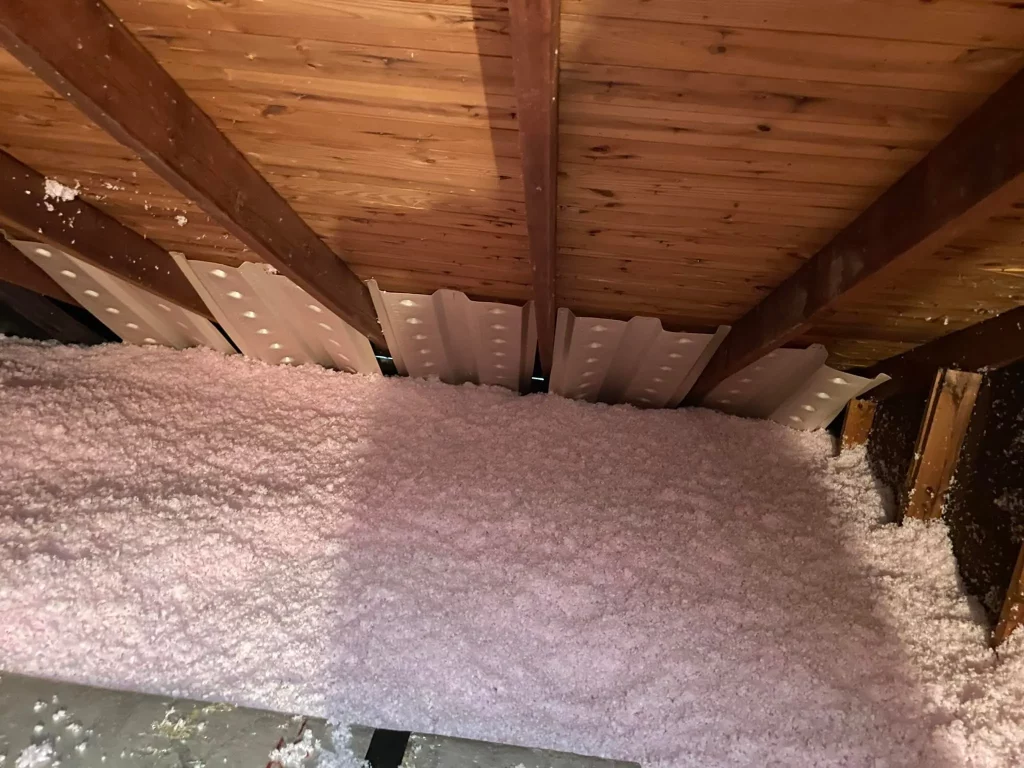
You’re in good hands when your insulation partner does the following:
If your attic fails the joist test, your upstairs never feels comfortable, or your bills keep climbing, Peninsula Insulation, LLC is ready to help. Our team serves Chestertown and all of Kent County with professional air sealing, attic insulation, spray foam, and crawl space solutions tailored to Eastern Shore homes. Call us at (410) 770-2624 or email wil@mdsprayfoam.net to get started, and we’ll measure your current levels, identify hidden leaks, and give you a clear plan with honest numbers.
Don’t wait for another Chestertown winter to find out what your walls are hiding. Reach out today and let our professionals make your home comfortable in every season.
Peek into your attic: if insulation sits at or below the joists, or measures 4 to 6 inches less than the R-49 to R-60 targets for our region, you need more. A quick depth measurement times 3 gives you a solid R-value estimate.
If existing insulation is clean, dry, and odor-free, contractors can usually blow new material right over it. Wet, moldy, smelly, or pest-contaminated insulation should be removed before any new work begins.
EPA research indicates sealing and insulating can save up to 10% on annual energy bills, and a poorly insulated home can run bills about 10% higher than a sealed, insulated one. Actual savings depend on your starting point and how much of the envelope gets treated.
Yes, with care. Homes from the 1930s or earlier may contain knob-and-tube wiring, and historic plaster walls need non-invasive techniques, so a professional assessment should come first.
Any season works, but fall and spring offer the easiest scheduling and the best conditions for attic work. Finishing before winter also lets you measure the comfort and bill improvements during peak heating months.
