What Materials Are Commonly Used for Crawl Space Encapsulation in 2026, and Why Do They Matter?
Most crawl space encapsulation material choices in 2026 fall into five groups: a polyethylene vapor barrier over the soil and…

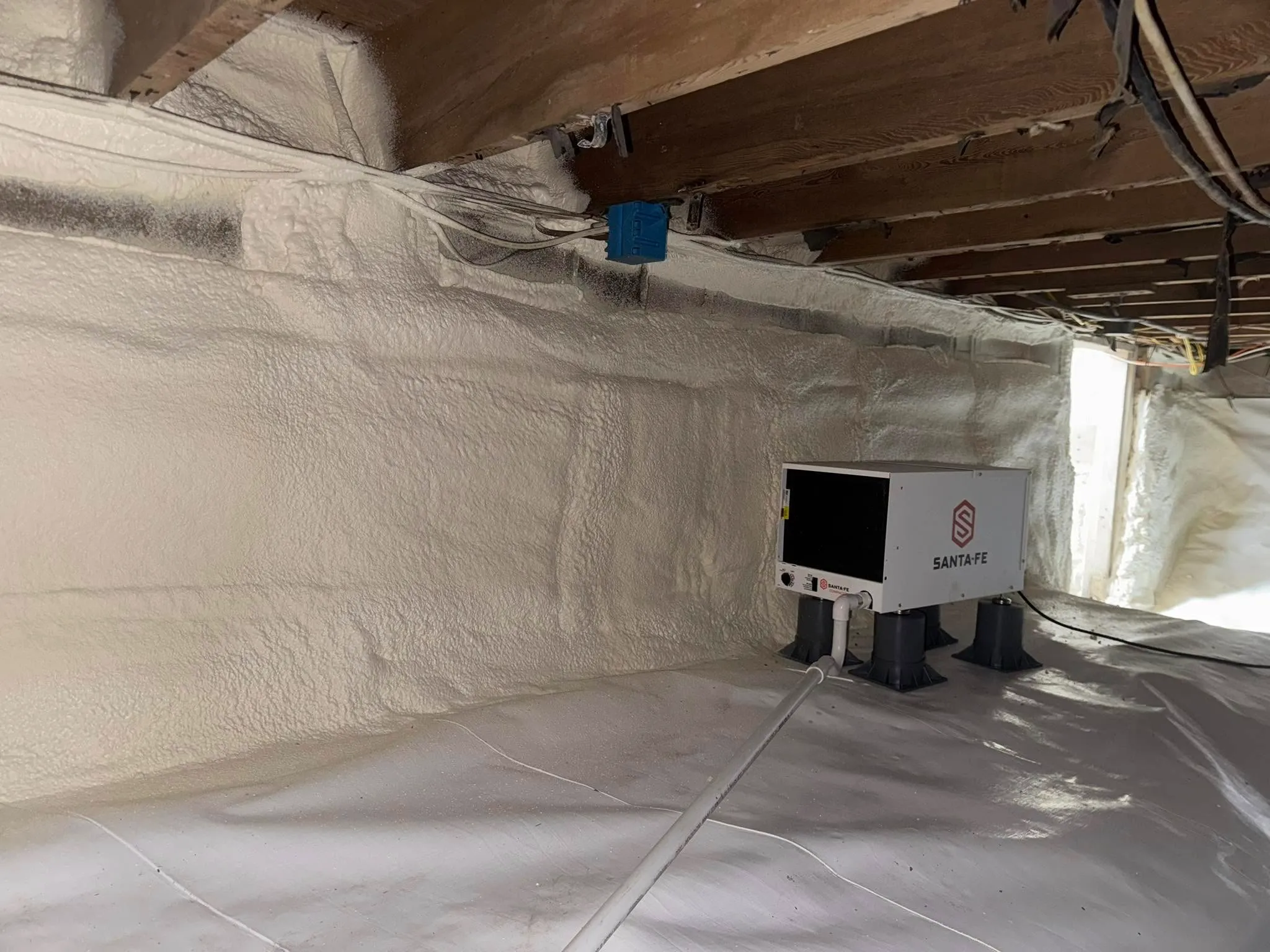
Many homes in Annapolis lose conditioned air through an unsealed crawl space long before anyone notices a problem. Crawl space encapsulation in Annapolis addresses this directly by closing off the space from outside air and ground moisture, which stops the constant air exchange that drives up heating and cooling costs. If your crawl space has never been sealed or insulated, our full crawl space encapsulation overview breaks down exactly what the process involves and what it protects against. This guide focuses on the energy side: why the crawl space matters, what to look for, and what it costs to fix.
TL;DR
Crawl spaces sit directly under the living area, so whatever happens down there affects the whole house. Without a proper barrier, warm air escapes upward in winter and pulls cold, damp air in through gaps and vents. In summer, the process reverses, and cool conditioned air is lost to the ground below. This constant exchange forces the HVAC system to run longer and harder just to hold a steady temperature.
Maryland’s coastal humidity compounds the problem. Summer moisture that settles in an unvented, unsealed space raises humidity inside the home, reduces the effectiveness of any existing insulation, and creates ideal conditions for mold. Over time, that moisture also increases the heating load, since damp materials pull more energy to warm than dry ones.
For a typical Annapolis home, an unaddressed crawl space can represent a meaningful share of the total energy bill, particularly in colonial-era construction with vented, dirt-floor designs common near the Chesapeake Bay.
Bonus Tip: After heavy rain, check the crawl space for standing water. Grading adjustments around the foundation often solve this before it becomes an encapsulation issue.
Homeowners usually notice a problem through comfort and cost, not through the crawl space itself. Watch for:
| Sign | Likely Energy Impact | Why It’s Common in Annapolis |
| Uneven floor temperatures | Adds 10-15% to heating/cooling costs | Humid air infiltration near the bay |
| Drafts from baseboards | Adds 5-10% to monthly costs | Gaps common in older colonial-style homes |
| High indoor humidity | Increases dehumidifier use ~20% | Seasonal moisture from 40+ inches of annual rain |
| Musty smells or mold | Indirect 8% increase from poor air quality | Condensation in unvented spaces |
If two or more of these apply, it’s worth scheduling an inspection before the next heating or cooling season.
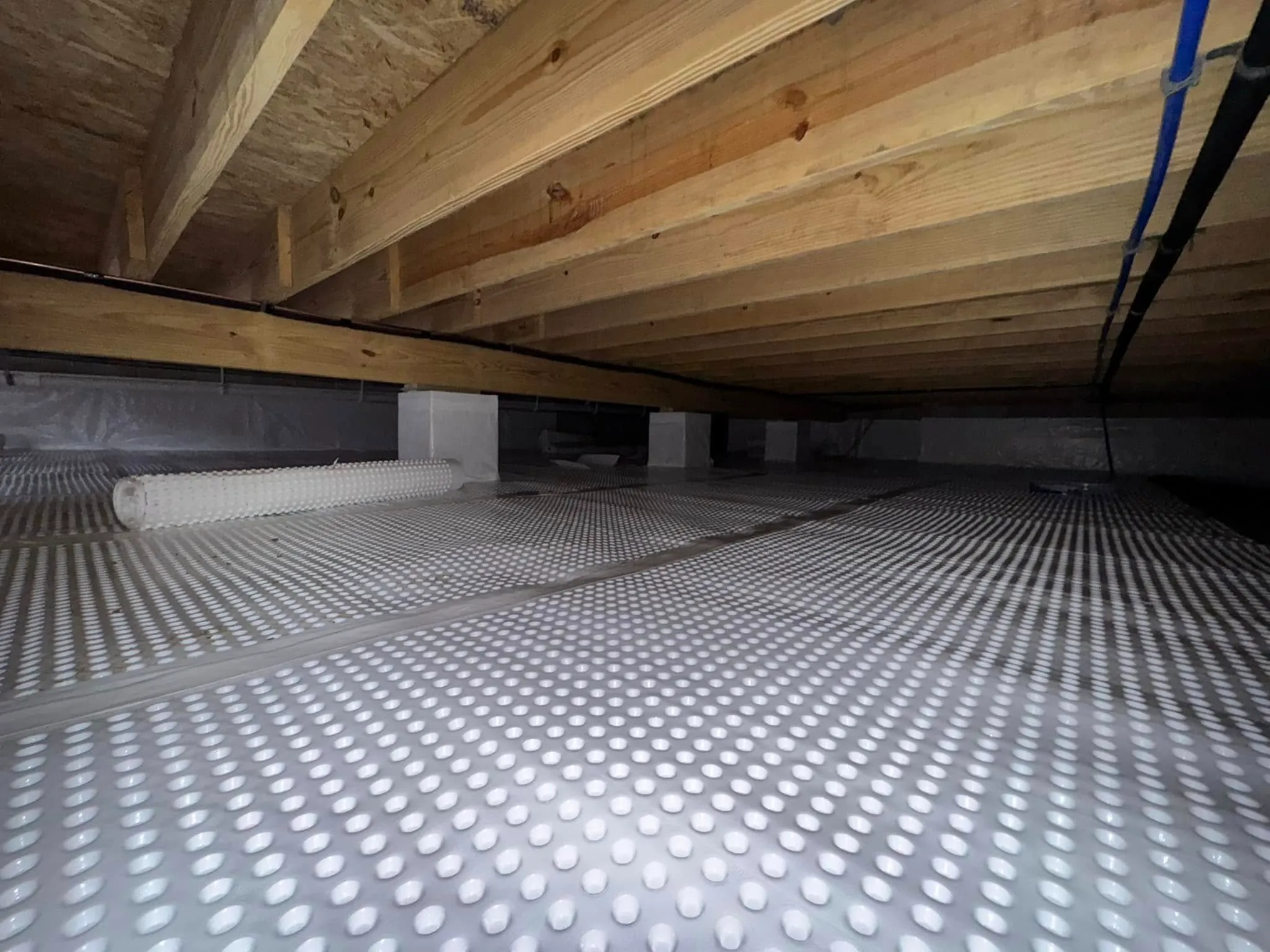
Encapsulation is different from basic insulation. It seals the entire space, floor, walls, and vents, so outside air and ground moisture can no longer enter at all. A typical project includes:
Crawl space insulation alone (without full sealing) can still reduce drafts and improve comfort, but combining it with encapsulation produces the largest and most consistent drop in energy use.
Cost depends on square footage, current condition, and moisture level, but most Annapolis homeowners can expect the following ranges:
Most homeowners recover the cost through lower utility bills within three to five years, and the improvement also reduces wear on the HVAC system, which extends its working life. Local utility rebate programs can offset part of the upfront cost for qualifying projects, so it’s worth checking eligibility before starting.
Our home insulation services page covers how crawl space work fits into a broader whole-home efficiency plan, which is worth reviewing if you’re also considering attic or wall insulation.
In flood-prone parts of Annapolis, vents should also be elevated above expected surge levels as part of this process.
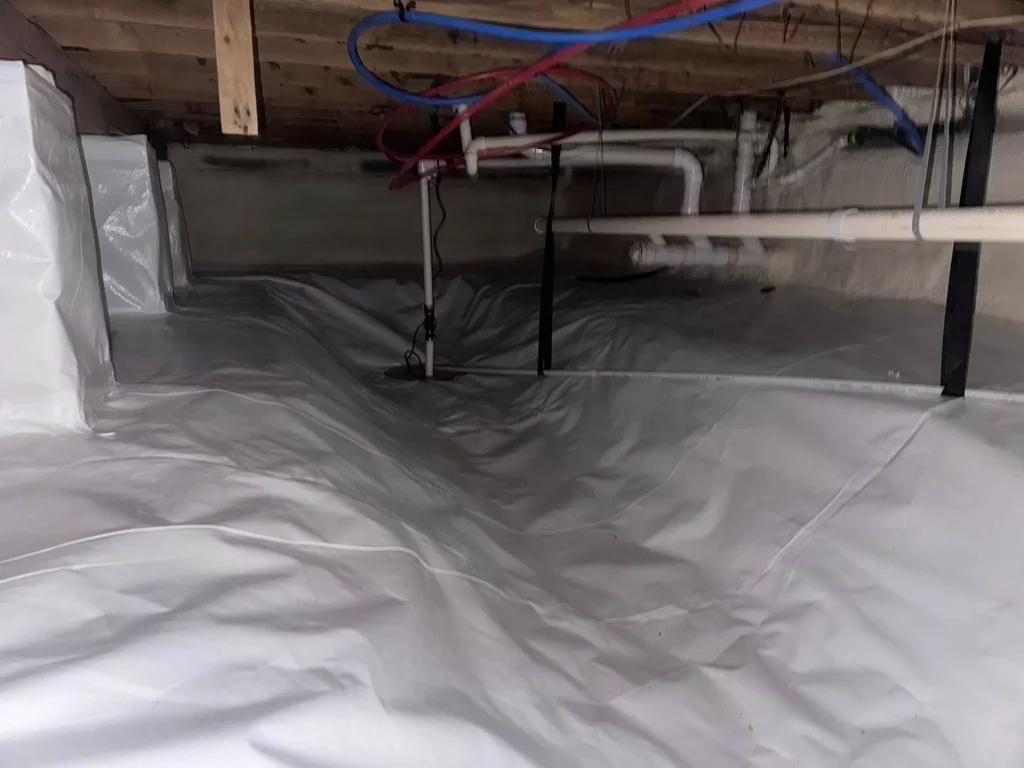
Most projects for an average-sized home are completed in two to three days, depending on square footage and the extent of existing damage.
Yes. Documented energy efficiency upgrades, including crawl space encapsulation, tend to appeal to buyers who want lower ongoing utility costs.
An unvented, encapsulated design generally performs better locally because it controls humidity directly rather than relying on outside air exchange, which is often just as humid.
Loose plastic sheeting can help in the short term, but it degrades quickly in humid conditions and doesn’t seal seams or vents. Full encapsulation provides a lasting fix.
Pricing varies by moisture level, accessibility, and the materials used, which is why most contractors provide a fixed quote after an on-site inspection rather than a flat per-square-foot number.
An unsealed or poorly insulated crawl space is one of the most common, and most overlooked, sources of high energy bills in Annapolis homes. Watch for cold floors, drafts, musty odors, and rising utility costs as early warning signs. Crawl space encapsulation in Annapolis typically costs $1,500 to $5,000 and pays for itself within a few years through lower monthly bills, better comfort, and reduced strain on the HVAC system.
If your crawl space hasn’t been inspected recently, that’s the logical starting point. A short assessment identifies exactly where air and moisture are entering and what it will take to fix it, so you can make a decision based on your home’s actual condition rather than guesswork. Contact Peninsula Insulation, LLC to schedule an inspection and get a straightforward quote.
For a deeper look at the full encapsulation process and its benefits beyond energy savings, see our complete guide to crawl space encapsulation.