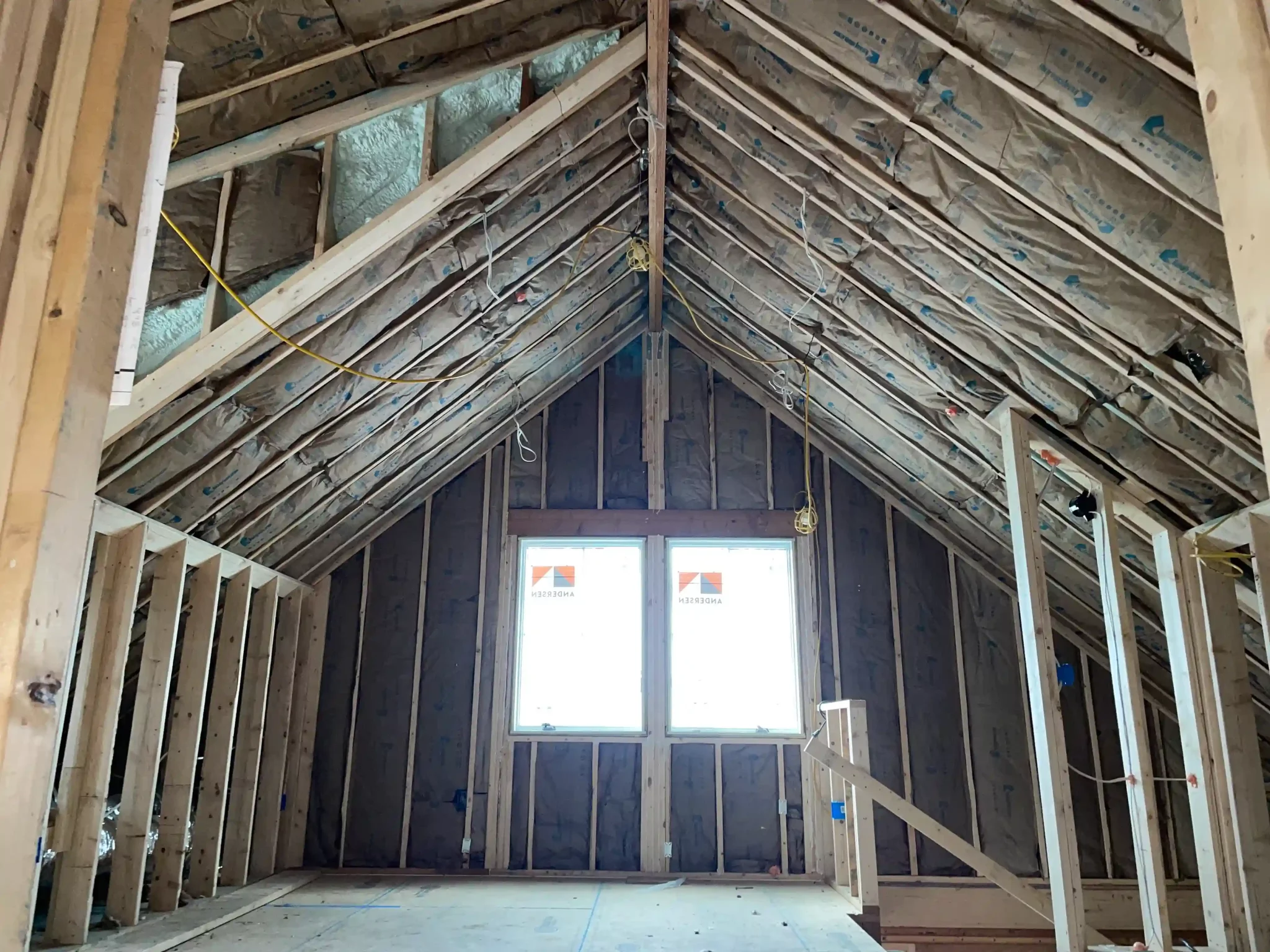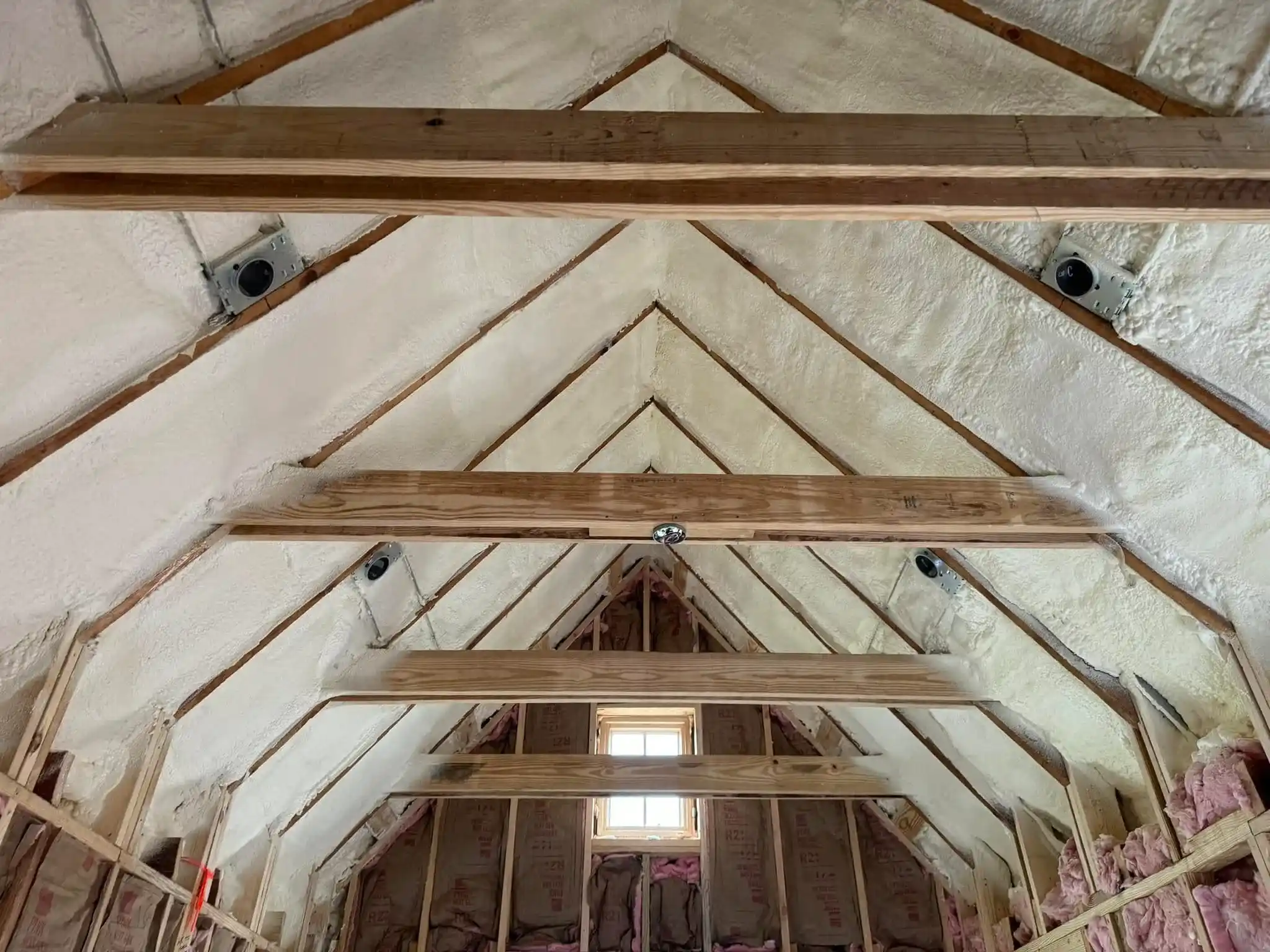
What Happens When Traditional Insulation in New Carrollton, MD Leaves Air Gaps?
When traditional insulation in New Carrollton, MD develops air gaps, it stops doing the one job it was installed to…

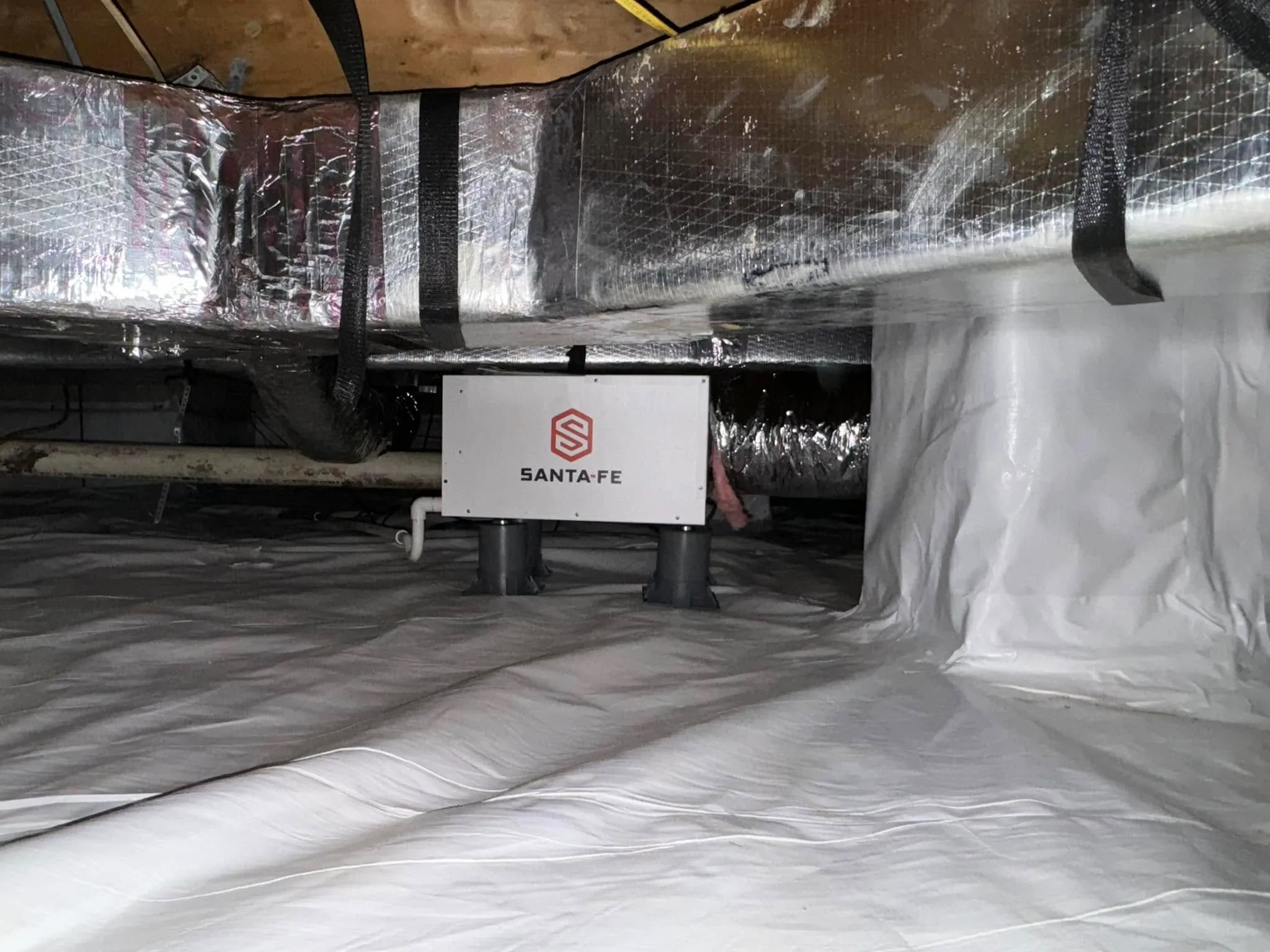
Standing water in your crawl space is more than a nuisance. It is a warning sign that your home’s foundation, indoor air quality, and structural integrity are all at risk. For Hurlock homeowners, the flat terrain and seasonal moisture patterns common on Maryland’s Eastern Shore make crawl space water intrusion a recurring problem. Crawl space encapsulation offers a proven, long-term solution by sealing off the space from ground moisture, outside air, and water intrusion, creating a dry, conditioned environment beneath your home that protects everything above it, as explained in this detailed crawl space encapsulation guide.
Hurlock sits in a region where the water table can run high, summer humidity pushes dew points into the 70s, and seasonal storms dump heavy rainfall in short windows. These conditions create a perfect storm for crawl space moisture problems.
Groundwater seepage. Water naturally moves through soil and can enter through foundation walls or rise up through the dirt floor of an unsealed crawl space. The EPA explains that soil wicks moisture through capillary action, and the warmth of the crawl space accelerates evaporation, loading the air with water vapor.
Poor drainage. Gutters that discharge near the foundation, grading that slopes toward the home, and missing or clogged downspouts all channel water directly under the house.
Plumbing leaks. A slow drip from a supply line or drain pipe under the home can go unnoticed for months, producing standing water and saturating the soil beneath the vapor barrier.
Condensation from humid air. Traditional building codes required crawl space vents, but in humid climates like Maryland’s Eastern Shore, those vents allow warm, moist outdoor air to enter the cooler crawl space. When that air contacts cold surfaces like ductwork or floor joists, condensation forms and drips to the ground. Wikipedia’s crawl space article notes that relative humidity above 80% in a crawl space can support mold growth and rot wooden structural materials.
The consequences extend far beyond the crawl space itself. Through a process called the stack effect, air from the crawl space rises into the living areas of your home. If that air carries mold spores, moisture, and musty odors, your family breathes it in. The EPA warns that standing water and wet materials are breeding grounds for microorganisms, including viruses, bacteria, and mold, which can cause disease and trigger allergic reactions.
Over time, persistent moisture leads to:
Crawl space encapsulation is a comprehensive system that converts a damp, vented, unconditioned space into a dry, sealed, semi-conditioned part of the building envelope. It is not just laying down plastic. A complete encapsulation involves multiple coordinated steps, which is why homeowners often compare sealing vs crawl space encapsulation before choosing the right moisture-control solution.
| Feature | Vented Crawl Space | Encapsulated Crawl Space |
|---|---|---|
| Moisture Control | Relies on airflow; often fails in humid climates | Sealed vapor barrier blocks ground moisture |
| Humidity Level | Often 70-90% RH in summer | Maintained at 35-50% RH |
| Mold Risk | High during warm, humid months | Minimal when properly maintained |
| Energy Efficiency | Poor; HVAC ducts lose conditioned air | 15-18% energy savings per DOE research |
| Pest Resistance | Open vents allow pest entry | Sealed perimeter deters pests |
| Indoor Air Quality | Stack effect draws crawl space air into living areas | Clean, dry air stays in the crawl space |
| Scenario | Home Type | Problem | Solution | Outcome |
|---|---|---|---|---|
| Spring flooding | 1950s ranch on flat lot | Standing water after heavy rain; musty smell indoors | Full encapsulation with a sump pump and drainage system | Dry crawl space, odor eliminated within one week |
| Summer humidity | 1980s two-story with a vented crawl space | Condensation on ductwork; visible mold on joists | Encapsulation with a dehumidifier and vent sealing | Humidity dropped from 78% to 42%, and mold did not return |
| Aging farmhouse | Early 1900s farmhouse with stone foundation | Chronic dampness, sagging insulation, high energy bills | Vapor barrier, wall insulation, rim joist sealing | Energy bills reduced noticeably, floors felt warmer |
| New construction | Recently built home with code-minimum vents | Builder left crawl space vents open; moisture appeared in the first summer | Proactive encapsulation before move-in | No moisture issues from day one, clean storage space |
| Post-plumbing leak | Home with slow drain pipe leak | Slow drip saturated insulation and pooled on the dirt floor | Leak repair, full encapsulation with upgraded vapor barrier | Dry, protected crawl space even during future plumbing events |
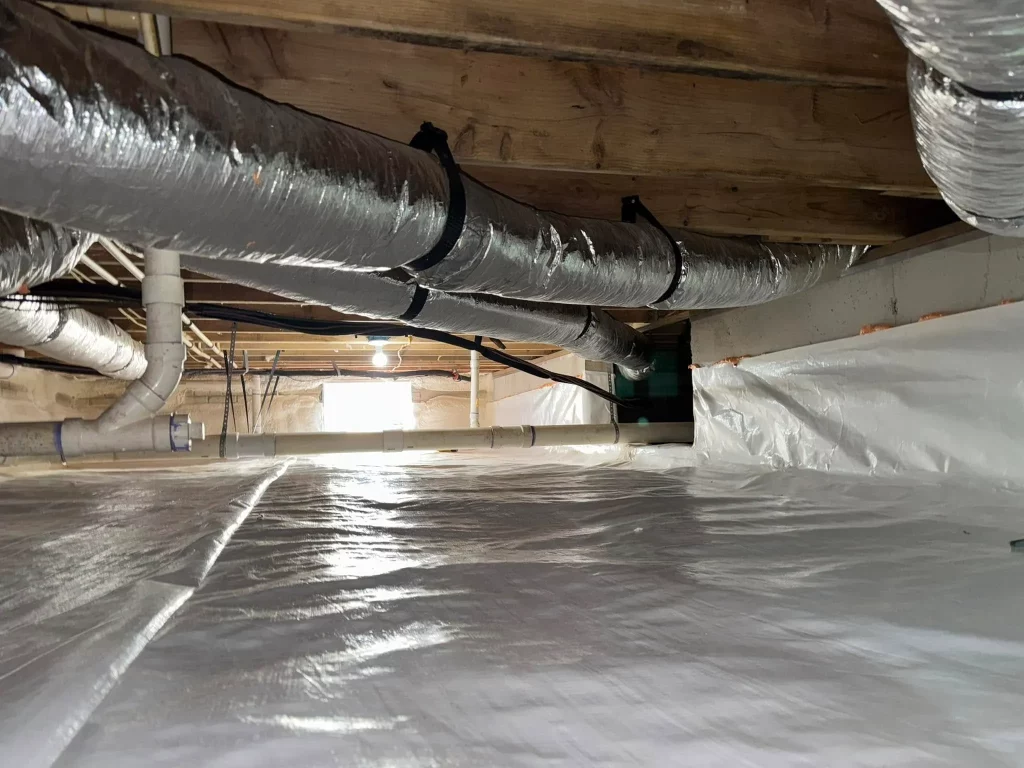
Do not wait until water is visible. Schedule a crawl space inspection at least twice a year, ideally in spring and fall. Look for standing water, dampness on walls, condensation on pipes, musty odors, sagging insulation, and any signs of pest activity.
No encapsulation system can overcome poor drainage. Make sure gutters and downspouts direct water at least 6 feet from the foundation. Check that the ground slopes away from the home on all sides. If water pools near the foundation after rain, regrading may be necessary before any interior work begins.
If water is actively entering the crawl space, install a perimeter drain system and sump pump before encapsulation. Sealing a crawl space that still gets wet underneath the liner will only trap moisture and worsen the problem.
Use a vapor barrier rated for crawl space conditions, seal all vents, insulate walls, and seal the rim joist. The ENERGY STAR program provides detailed guidance on air sealing and insulating crawl spaces as part of a whole-home approach.
After encapsulation, check the crawl space periodically. Verify that the dehumidifier is running and that humidity stays within the 30-50% range. Inspect the vapor barrier for tears or gaps, and ensure the sump pump is functioning properly.
Vapor barrier thickness and coverage. Thicker barriers (20-mil or more) resist punctures and last longer. The barrier must cover the entire floor and extend up the walls with sealed seams.
Quality of air sealing. Gaps at the rim joist, around plumbing penetrations, and at utility access points allow moisture and air to bypass the encapsulation system. Every penetration must be sealed.
Dehumidifier sizing. An undersized dehumidifier will not keep up with the moisture load, especially during Hurlock’s humid summers. Proper sizing based on the crawl space volume and conditions is essential.
Foundation type and condition. Stone foundations common in older Hurlock homes have more irregular surfaces and potential entry points than poured concrete. They require more careful sealing and may benefit from spray foam rather than rigid board.
Climate zone considerations. Hurlock falls in IECC Climate Zone 4A, a mixed-humid climate. This zone demands both insulation and vapor control. Building America research confirms that closed crawl spaces in humid climates perform significantly better than vented ones.
Existing water damage. If mold or wood rot is already present, remediation must happen before encapsulation. Sealing over existing mold traps spores and does not solve the health risk.
Standing water in your crawl space is not a problem that resolves itself. Each passing week adds moisture damage, mold risk, and energy waste to your home. Peninsula Insulation, LLC specializes in crawl space encapsulation for Hurlock and the surrounding Eastern Shore communities. Our team evaluates your crawl space conditions, identifies the source of water intrusion, and builds a complete encapsulation system designed for your home’s specific needs, including crawl space encapsulation services in Hurlock, MD.
Call us at (410) 770-2624 or email wil@mdsprayfoam.net to schedule your crawl space assessment. Let our experienced team protect your home from the ground up.
Request a Quote | Schedule a Crawl Space Assessment
Standing water typically comes from groundwater seepage, poor exterior drainage, plumbing leaks, or condensation from humid air entering through crawl space vents. The EPA notes that high water tables and soil capillary action are primary contributors.
Most residential encapsulation projects are completed in 1 to 3 days, depending on the size of the crawl space, the severity of existing moisture problems, and whether drainage corrections or mold remediation are needed first.
Yes. DOE research documented 15% to 18% reductions in heating and cooling energy use in homes with sealed, conditioned crawl spaces compared to vented ones. Your actual savings depend on your home’s construction and current insulation levels.
Visible water is a late-stage symptom. High humidity alone, which you may not notice, can support mold growth and wood rot. The EPA recommends keeping indoor humidity between 30% and 50% to prevent these problems.
While some homeowners tackle partial vapor barrier installation, a complete encapsulation system requires proper drainage, air sealing, insulation, and dehumidification. Professional installation ensures the system performs as intended and meets local building code requirements.