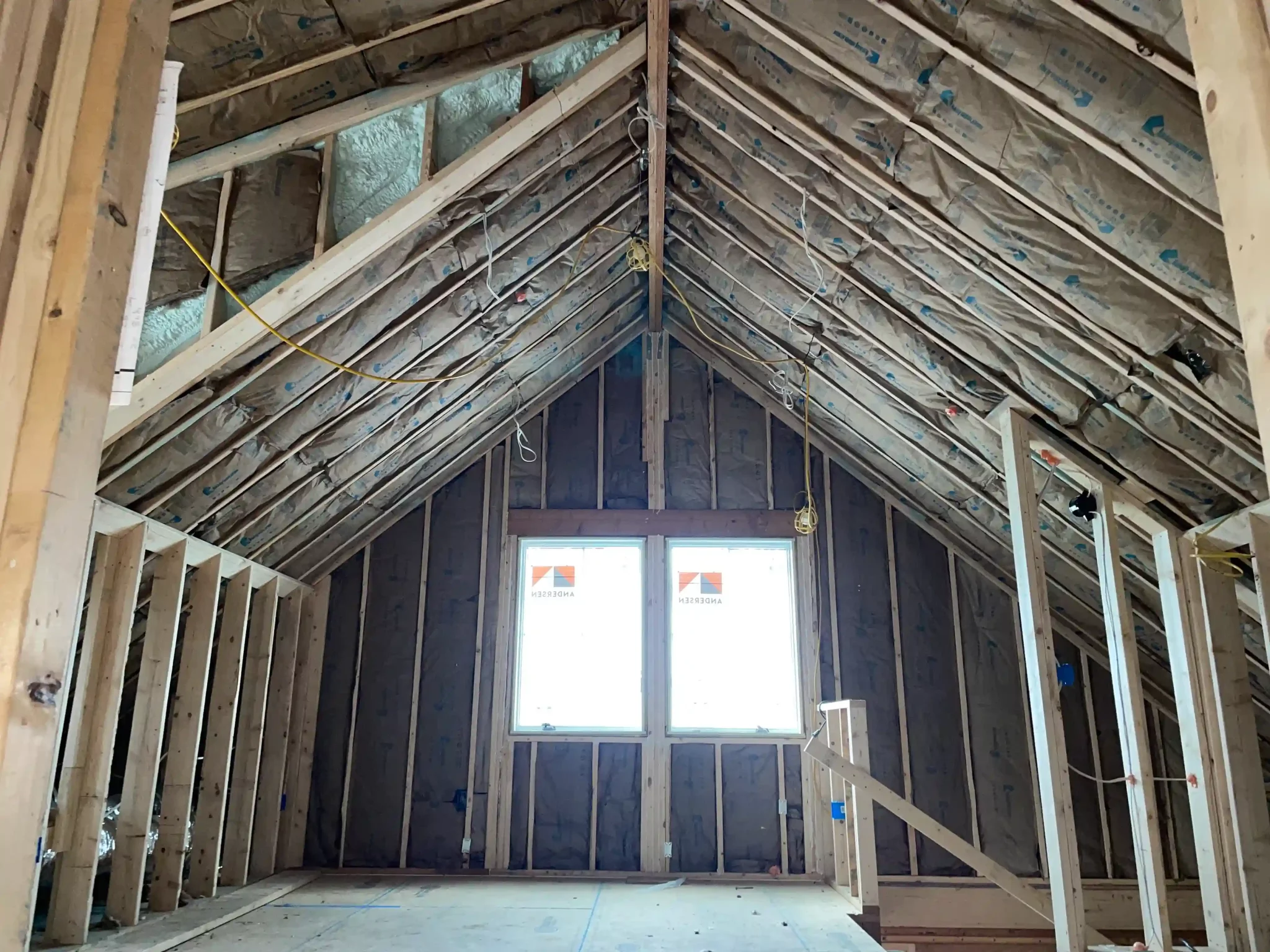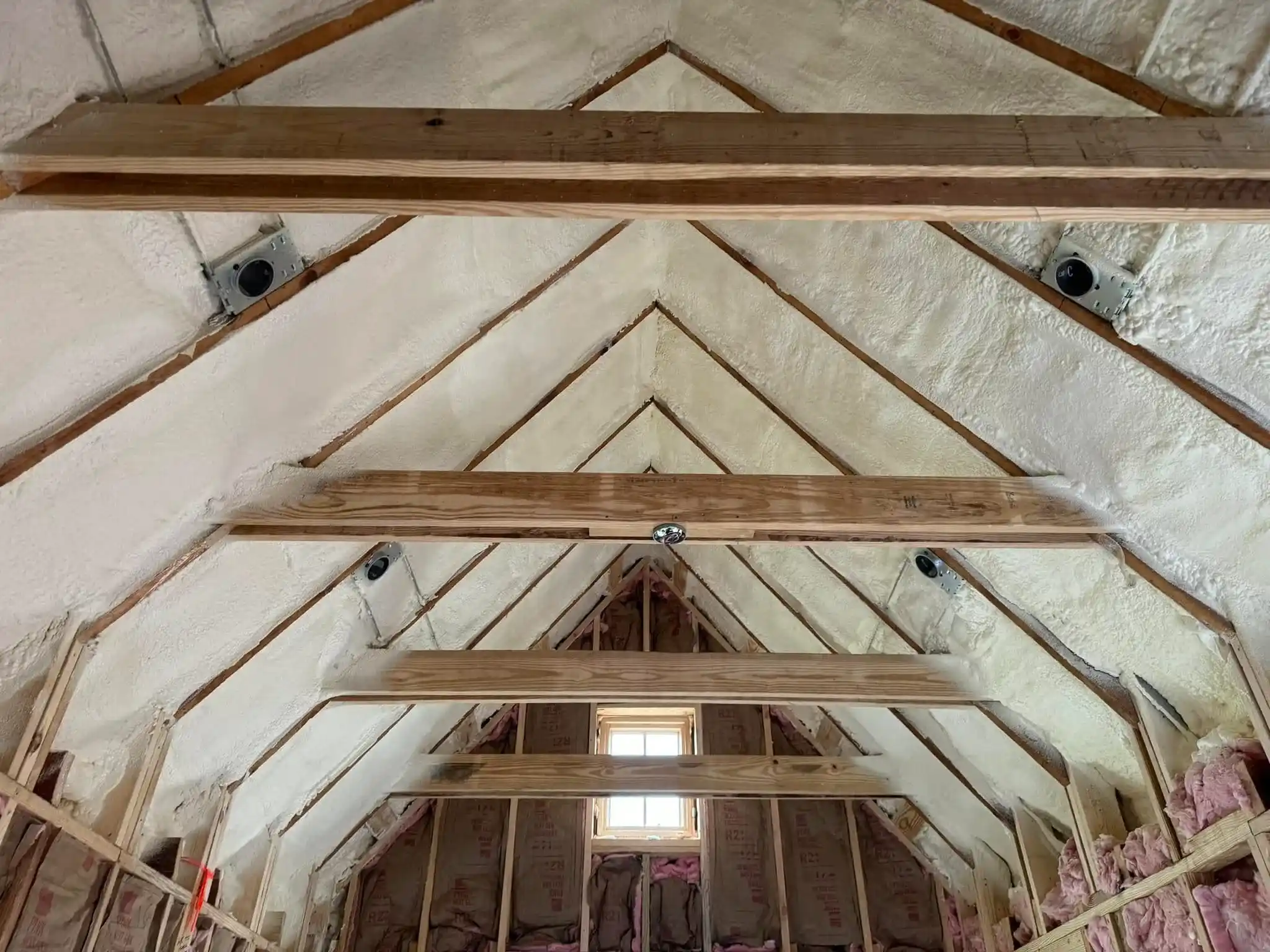
What Happens When Traditional Insulation in New Carrollton, MD Leaves Air Gaps?
When traditional insulation in New Carrollton, MD develops air gaps, it stops doing the one job it was installed to…


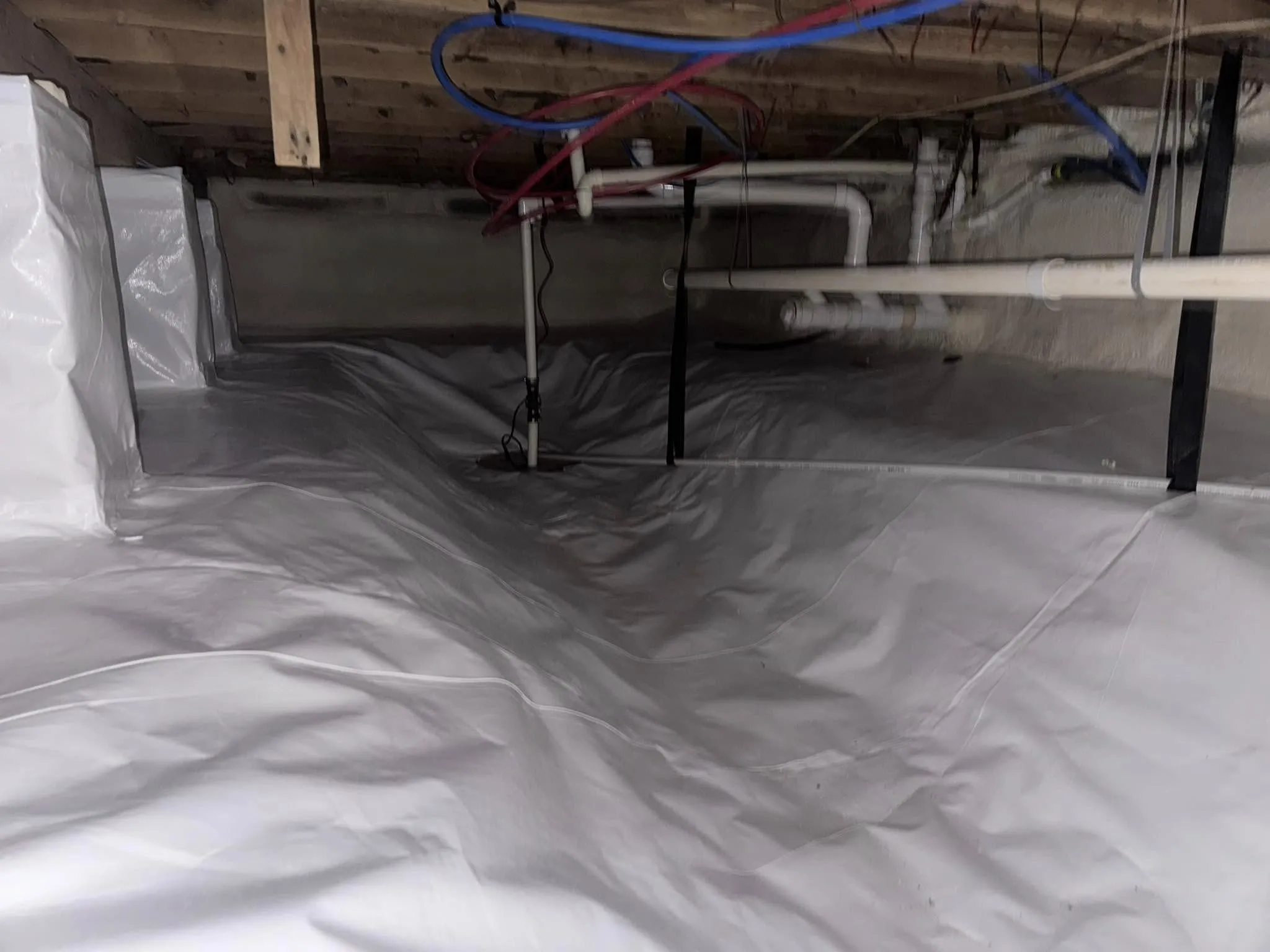
Homes in Easton, Maryland, that have a damp crawl space with a poorly executed or incomplete encapsulation system struggle to maintain consistent indoor temperatures because excess moisture bypasses compromised vapor barriers and enters the living space through the stack effect. Easton sits in Talbot County on Maryland’s Eastern Shore, squarely within Climate Division 2, where summer relative humidity averages around 75% from August through October. When outdoor air carries that much moisture and an encapsulation system fails to block it, the home absorbs humidity from below, overworks the HVAC system, and creates temperature swings that make every room feel uncomfortable regardless of thermostat settings. The problem is not encapsulation itself, but rather incomplete encapsulation that still allows moisture infiltration into the conditioned space. Following proven crawl space moisture control methods helps ensure the system performs as intended and delivers lasting comfort.
Easton’s location on the Eastern Shore places it in Maryland’s Coastal Plain, where the Atlantic Ocean and Chesapeake Bay surround the region with moisture-laden air. According to the Maryland State Climatologist Office, average relative humidity in the Baltimore reference area reaches about 75% in August, September, and October, and Easton, being closer to open water and further east, experiences similar or higher levels during those same months.
That persistent outdoor humidity matters because crawl spaces sit directly in contact with the ground, which also evaporates moisture upward. When a home’s crawl space has vents, that humid outdoor air enters freely and condenses on cooler surfaces like ductwork, plumbing, and floor joists. When an encapsulation system is installed but remains damp or compromised, the same moisture problems continue, now potentially sealed inside the crawl space with even less opportunity to escape.
Summer temperatures in this region regularly push into the 90s, with warm, moist air flowing from the southwesterly quadrant for most of the season. The combination of high heat and high humidity creates a heavy moisture load that an incomplete encapsulation simply cannot manage. Understanding the differences between crawl space sealing and full encapsulation helps homeowners choose a solution that can handle these demanding conditions.
The stack effect is the primary mechanism that moves crawl space air into the rest of your home. Warm air inside the house rises and escapes through upper-level leaks, windows, and attic vents. This creates negative pressure at the lower levels of the home, which pulls air from the crawl space upward through gaps in the subfloor, around plumbing penetrations, through electrical wire openings, and along the rim joist area.
Building Science Corporation explains that when crawl spaces are connected to both the outside and the inside simultaneously, moisture problems multiply. In a partially encapsulated crawl space, humid outdoor air may still enter through unsealed vents or gaps, mix with the trapped moisture, and get drawn into the living space through the stack effect. The result is floors that feel cold and clammy in winter, sticky and warm in summer, and a home where no room seems to hold a consistent temperature.
The stack effect does not discriminate. Mold spores, dust mite waste, volatile organic compounds from damp soil, and musty odors all travel upward with the air, affecting the air quality in every room above the crawl space. The U.S. EPA’s Guide to Indoor Air Quality notes that indoor pollutant levels can be two to five times higher than outdoor levels, and moisture is one of the primary drivers of that concentration.
Not all encapsulation is created equal, and in humid climates like Easton’s, a partial or poorly executed encapsulation can actually make problems more severe. Here is a comparison of what different approaches deliver:
| Approach | What Happens | Comfort Impact | Long-Term Risk |
|---|---|---|---|
| No encapsulation | Open vents, exposed dirt, and moisture move freely | Temperature swings, cold floors, musty smells | Wood rot, mold growth, pest activity |
| Thin plastic ground cover only | Slows some ground evaporation, but air still enters through vents | Marginal improvement, humidity still high | Moisture still penetrates seams and edges |
| Partial encapsulation | Vapor barrier installed, but seams unsealed, vents open | Traps moisture beneath the floor, concentrated dampness | Hidden rot, mold behind barrier, buckled floors |
| Full encapsulation without dehumidification | Sealed space with no moisture removal mechanism | Sealed humidity chamber, moisture builds over time | Structural damage, persistent dampness |
| Full conditioned encapsulation | Sealed, insulated, with air supply or dehumidification | Stable humidity, comfortable floors, even temps | Properly controlled, minimal risk |
A crawl space that is sealed without a means of removing moisture is what Building Science Corporation calls an “unvented” crawl space, which the organization explicitly distinguishes from a “conditioned” crawl space. The difference is simple but critical: conditioning means controlling both temperature and relative humidity. Without dehumidification or conditioned air supply from the HVAC system, a sealed crawl space in Easton’s climate will accumulate moisture until condensation forms on every surface below the home.
A properly conditioned crawl space in a humid climate like Easton’s needs several integrated components working together. Building Science Corporation’s research on conditioned crawl space construction identifies these key elements:
The U.S. Department of Energy’s Building America program validated these findings through multi-year field studies. Researchers monitored 12 identical homes in North Carolina over three years. Eight had closed, conditioned crawl spaces, and four had vented crawl spaces. The closed crawl spaces provided better performance under the most severe outdoor conditions than the vented crawl spaces delivered under the mildest conditions. Homes with closed crawl spaces used 15% to 18% less energy for heating and cooling.
Not every comfort problem in an Easton home traces back to the crawl space, but several warning signs strongly suggest that a damp or incomplete encapsulation is undermining your indoor environment:
Any of these indicators suggests that moisture is entering or being trapped in the crawl space and traveling into the home. A professional inspection with moisture readings can determine whether the existing encapsulation is performing or whether it needs to be corrected or replaced.
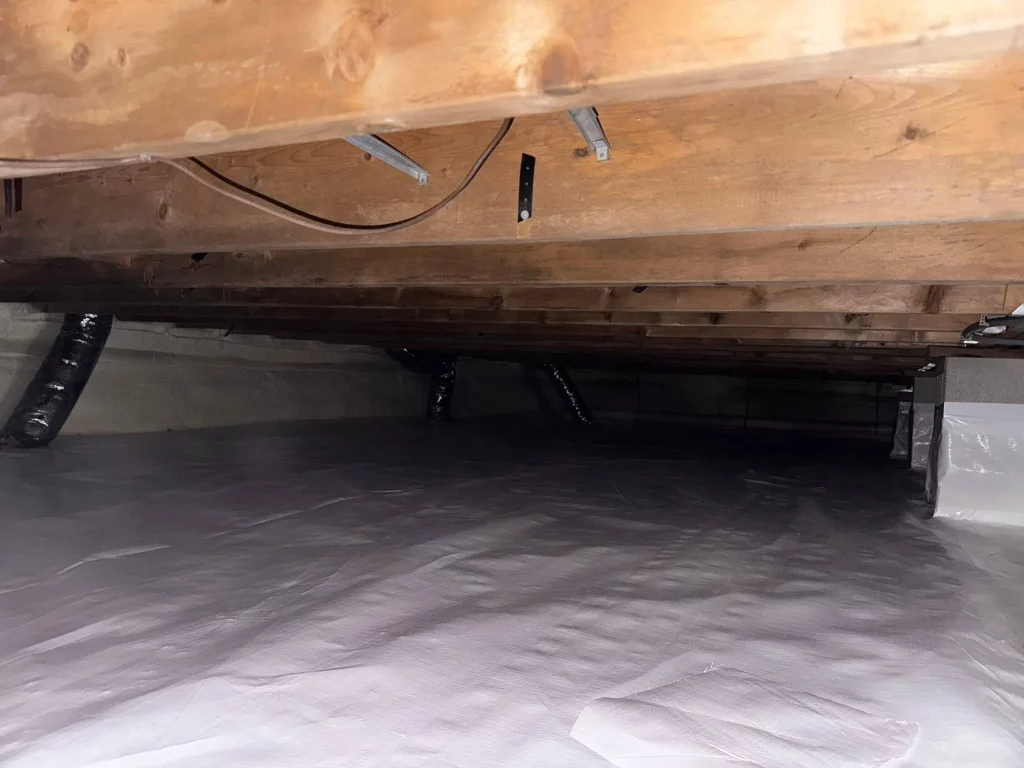
| Home Type | Recommended Approach | Key Considerations |
|---|---|---|
| Older homes (pre-1980) with vented dirt crawl spaces | Full conditioned encapsulation with dehumidification | Often has no vapor barrier, open vents, degraded insulation, and decades of moisture exposure |
| Homes with partial DIY encapsulation | Professional assessment and likely full re-encapsulation | Thin plastic, unsealed seams, and remaining open vents often create trapped moisture zones |
| Recently built homes with builder-grade encapsulation | Inspection for completeness, add dehumidification if missing | May have ground cover but lack air sealing, wall insulation, or moisture control |
| Homes with HVAC ductwork in the crawl space | Fully conditioned encapsulation with air supply from HVAC | Leaky ducts in damp crawl spaces increase cooling costs and pull humidity into the system |
| Homes on slab or with no crawl space | Not applicable | Moisture concerns shift to foundation drainage and perimeter grading |
Choosing who handles your crawl space matters as much as choosing the system itself. Here is what separates a thorough, reliable approach from a quick fix:
Peninsula Insulation, LLC has been helping homeowners across the Eastern Shore solve crawl space moisture and comfort problems with properly conditioned encapsulation systems designed for Maryland’s humid climate. Our team evaluates your existing conditions, identifies where moisture is entering, and builds a complete system that seals, insulates, and dehumidifies your crawl space so the stack effect works with your home instead of against it. Call us at (410) 770-2624 or email wil@mdsprayfoam.net to get started.
Request a Quote | Schedule a Crawl Space Assessment
Yes. The stack effect continuously draws air from the crawl space into every room above it. If that air is humid and unconditioned, it forces your HVAC system to work harder and creates inconsistent temperatures throughout the house.
When a damp crawl space sends humid air upward into the living space, your air conditioner has to remove that extra moisture before it can cool the air effectively. This increases run times and leaves rooms feeling sticky.
A thin ground cover without sealed seams, wall coverage, and dehumidification is not sufficient in Easton’s climate. Moisture still enters through vents and around the edges, and without a way to remove it, humidity continues to rise into the home.
Most single-family homes in the Easton area can be completed in one to three days, depending on the size and condition of the crawl space. Larger or more complex jobs may take longer.
Department of Energy research shows conditioned crawl spaces reduce heating and cooling energy use by 15% to 18%. By eliminating the moisture load that your HVAC system has been fighting, the system runs more efficiently and maintains comfort with less effort.