How Can Upgrading Your Home’s Insulation Help Lower Energy Bills in Rhodesdale, MD?
Wil Perkins
July 28th, 2026
Upgrading your home’s insulation is one of the most effective ways to cut monthly energy expenses in Rhodesdale, MD, where the mixed-humid climate pushes heating and cooling systems hard throughout the year. According to ENERGY STAR, the EPA estimates homeowners can save an average of 15% on heating and cooling costs, or about 11% on total energy costs, by air sealing their homes and adding insulation in attics, crawl spaces, and basements. The approach that works best for your home depends on its age, construction type, and which areas of the building envelope are currently under-insulated. Understanding the different insulation types for homes and businesses helps you choose the most effective solution for your property’s needs. Whether you prioritize attic insulation, wall upgrades, or crawl space sealing, each targets specific heat loss pathways and delivers measurable savings over time.
TL;DR
The EPA estimates that sealing air leaks and adding insulation can save homeowners up to 15% on heating and cooling costs annually
9 out of 10 homes in the U.S. are under-insulated, meaning most Rhodesdale properties have room for meaningful improvement
Rhodesdale falls within IECC Climate Zone 4A, which requires a minimum of R-60 for uninsulated attics and R-49 when existing insulation is present
Attic upgrades typically deliver the fastest payback because heat rises and escapes through the roof first
Air sealing should always accompany insulation work, as gaps and penetrations undermine even high R-value materials
Federal tax credits may be available for insulation upgrades that meet 2021 IECC requirements
Proper ventilation must be maintained after air-tightening to protect indoor air quality and prevent moisture buildup
Why Rhodesdale Homes Are Particularly Vulnerable to Energy Loss
Rhodesdale sits in Maryland’s mixed-humid climate zone (Zone 4A on the DOE climate zone map). This means your home faces hot, humid summers and cold, damp winters, sometimes within the same week. That seasonal swing forces HVAC systems to work in both directions, heating and cooling, and any weak points in your building envelope cost you money in every season.
Many homes in the Rhodesdale area were built decades ago with minimal insulation, often just fiberglass batts in the attic that have settled and lost effectiveness over time. The DOE’s Guide to Home Insulation notes that adding insulation to attics, floors, crawl spaces, and accessible basement rim joists can save up to 20% on heating and cooling costs. When combined with proper air sealing, those savings compound because your HVAC system runs less frequently and for shorter durations.
Where Your Home Loses Energy (And Where to Start)
Understanding where energy escapes helps you prioritize which upgrades deliver the most bang for your buck. Here is a breakdown of common problem areas in Rhodesdale homes:
Area of the Home
What Happens
Priority Level
Why It Matters
Attic
Heat rises and escapes through the ceiling in winter; radiant heat enters in summer
High
Largest single source of energy loss in most homes
Rim Joists / Basement
Air leaks where framing meets the foundation
High
Often completely uninsulated in older homes
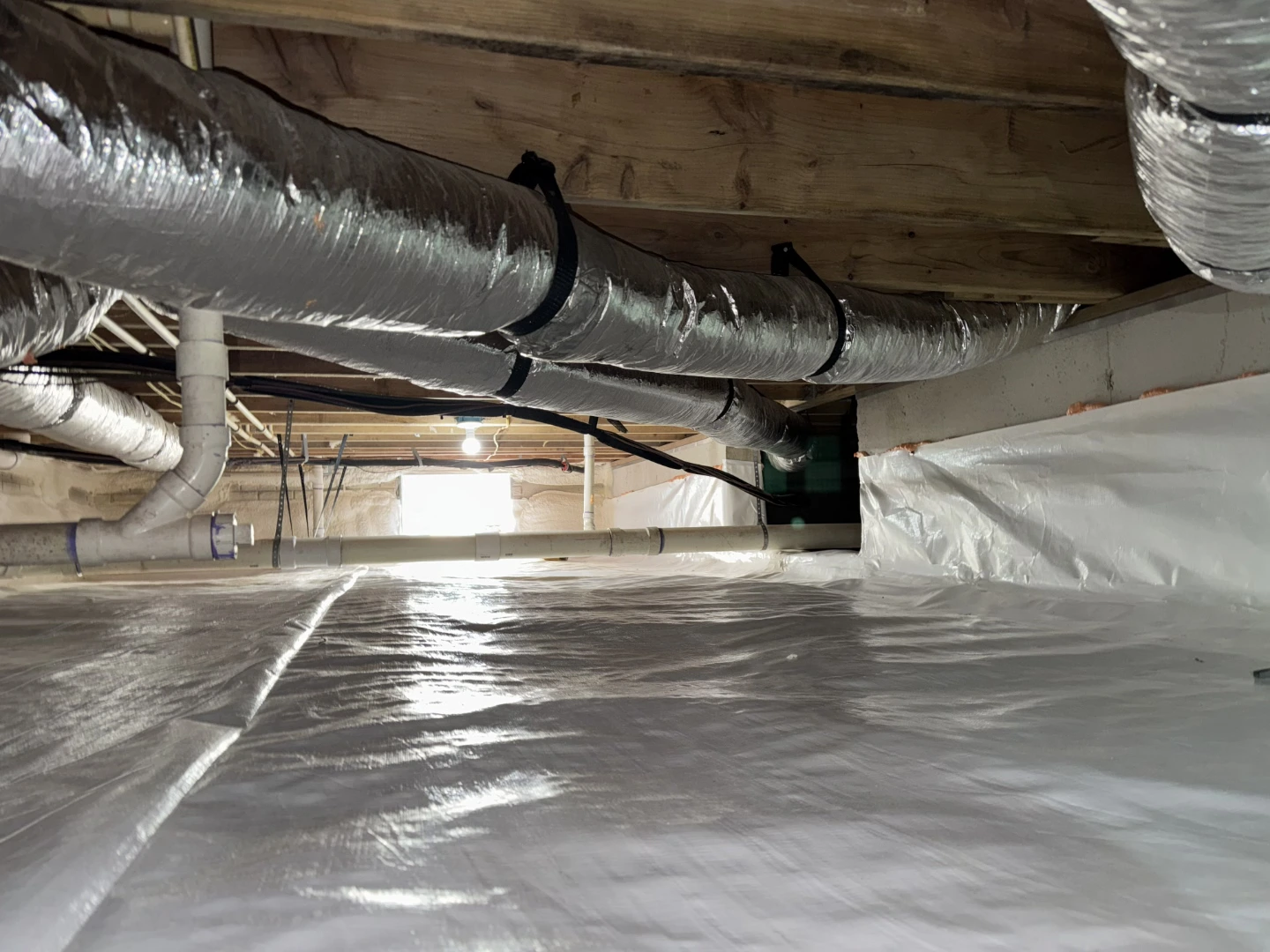
Crawl Spaces
Outside air and moisture enter through vents and gaps
Medium to High
Affects floor temperatures and indoor humidity
Exterior Walls
Heat transfers through under-insulated cavities
Medium
More expensive to retrofit but worthwhile during renovations
Ductwork
Leaky ducts in unconditioned spaces waste conditioned air
Medium
Direct loss of heated or cooled air before it reaches rooms
Understanding R-Values for Climate Zone 4A
R-value measures how well insulation resists heat flow. The higher the R-value, the better the thermal performance. For Rhodesdale homes in Zone 4A, ENERGY STAR’s recommended R-values specify the following minimums for retrofit projects:
Home Component
Recommended R-Value for Zone 4A
Uninsulated attic
R-60
Attic with 3 to 4 inches of existing insulation
R-49
Floor over unconditioned space
R-19
Uninsulated wood-frame wall (when re-siding)
Fill cavity + R-5 to R-10 continuous insulation
These targets are based on the 2021 International Energy Conservation Code (IECC) and represent the levels at which insulation upgrades become cost-effective for this climate. Meeting these R-values means your HVAC system does less work to maintain a comfortable indoor temperature, directly translating to lower energy bills.
Insulation Types and How They Perform
Different insulation materials suit different areas of the home and different budgets. Here is how common options compare:
Insulation Type
Best Application
Key Strength
Important Limitation
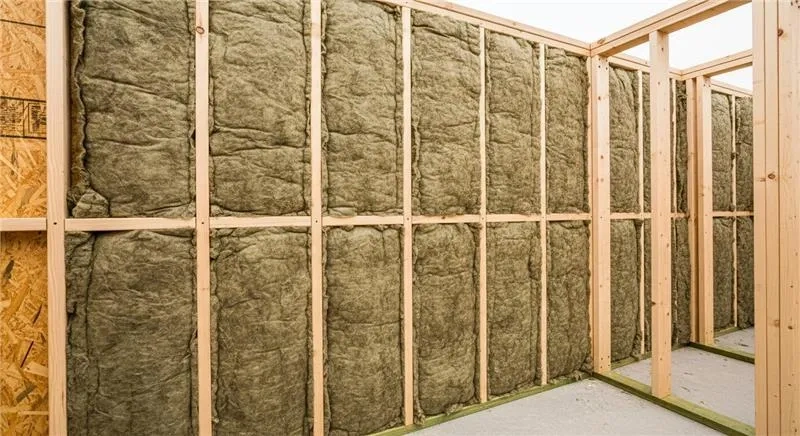
Fiberglass batts
Attic floors, wall cavities
Affordable, widely available
Settles over time, leaves gaps if not fitted tightly
Loose fill (cellulose or fiberglass)
Attics, existing wall cavities via drill-and-fill
Fills irregular spaces, good air flow resistance
Can settle and lose R-value if not installed at proper density
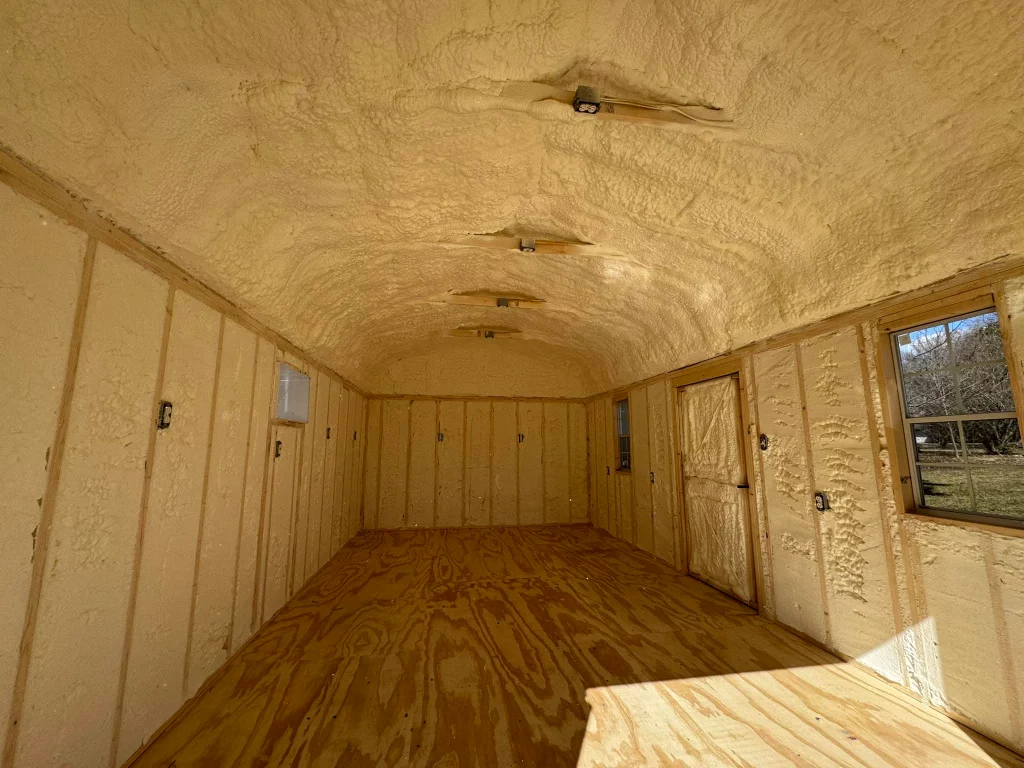
Open-cell spray foam
Walls, attics, hard-to-reach cavities
Expands to seal gaps, excellent air barrier
Lower R-value per inch than closed-cell
Closed-cell spray foam
Rim joists, crawl spaces, exterior walls
Highest R-value per inch, moisture barrier
Higher material cost
Rigid foam board
Basement walls, continuous exterior insulation
Good moisture resistance, adds structural support
Requires precise cutting and sealing at joints
Choosing the right material depends on where it will be installed and what problem you are solving. Spray foam, for instance, provides both insulation and air sealing in one step, making it especially effective for rim joists and crawl space walls where gaps and penetrations are common.
The Role of Air Sealing in Energy Savings
Insulation alone is not enough. Air sealing is the companion step that closes the gaps insulation cannot cover. According to ENERGY STAR, if you added up all the leaks, holes, and gaps in a typical home’s envelope, it would equal leaving a window open every day of the year.
Common air leak locations include:
Recessed ceiling lights and exhaust fan housings in the attic floor
Plumbing and electrical penetrations through top plates and rim joists
Gaps around window and door framing
Duct register boots that penetrate the ceiling or floor
The joint between the foundation and the wood framing (sill plate)
Caulking and weatherstripping offer quick returns on investment, often paying for themselves in under a year. Larger air sealing projects, like rim joist encapsulation or sealing behind existing siding, typically deliver payback within 5 to 10 years according to the DOE, while also improving comfort and reducing noise immediately. Partnering with a spray foam contractor in Rhodesdale, MD helps ensure these air sealing upgrades are completed correctly for long-term energy savings.
Indoor Air Quality and Ventilation Considerations
Tightening your home’s envelope reduces energy waste, but it also changes how air moves through the building. The EPA warns that weatherization without proper ventilation can concentrate indoor pollutants, including combustion gases, VOCs, and moisture. When moisture from cooking, showering, and daily living has nowhere to go, humidity rises and creates conditions for mold growth.
Professional insulation contractors evaluate ventilation needs as part of the upgrade process. This may include adding mechanical ventilation, verifying that exhaust fans vent properly, and checking for combustion safety. Addressing ventilation at the same time as insulation ensures energy savings do not come at the expense of indoor health and helps maximize overall insulation performance throughout the home.
Federal Tax Credits for Insulation Upgrades
The federal government offers incentives that can reduce the out-of-pocket cost of insulation work. The DOE’s Energy-Efficient Home Improvement Credit explains that insulation and air sealing improvements may qualify for a federal tax credit when they meet the 2021 IECC requirements. For homeowners in Rhodesdale, this means the insulation installed must meet the R-value requirements for Climate Zone 4A to be eligible.
Tax credits, rebates, and other incentives change over time, so it is worth checking current offerings before scheduling your project. A qualified contractor can help you understand which products and installation methods meet the requirements.
Signs You Have Found the Right Insulation Contractor
Choosing the right professional for your insulation project makes a significant difference in both energy savings and long-term durability. Look for these indicators:
A thorough home assessment before recommending any specific material or approach, including an inspection of your attic, walls, crawl space, and ductwork
Clear explanation of recommended R-values and why they are appropriate for your home’s specific conditions
A detailed written proposal that specifies materials, R-values, areas to be insulated, and air sealing tasks
Willingness to discuss ventilation and moisture management alongside insulation
Evidence of proper training, licensing, and familiarity with the 2021 IECC standards
Transparent communication about timeline, warranty, and what to expect during and after installation
A contractor who takes the time to evaluate your entire building envelope and explain the reasoning behind their recommendations is far more likely to deliver the energy savings you are looking for.
How to Prioritize Your Insulation Upgrades
Not every homeowner can tackle all areas at once. Here is a practical prioritization guide based on where the biggest energy savings typically come from:
Attic insulation and air sealing first: This is almost always the highest-impact, lowest-cost starting point. Most heat escapes through the ceiling, and attic spaces are accessible with minimal disruption.
Rim joist and basement sealing second: These areas are often completely uninsulated and are major sources of air infiltration where the framing meets the foundation.
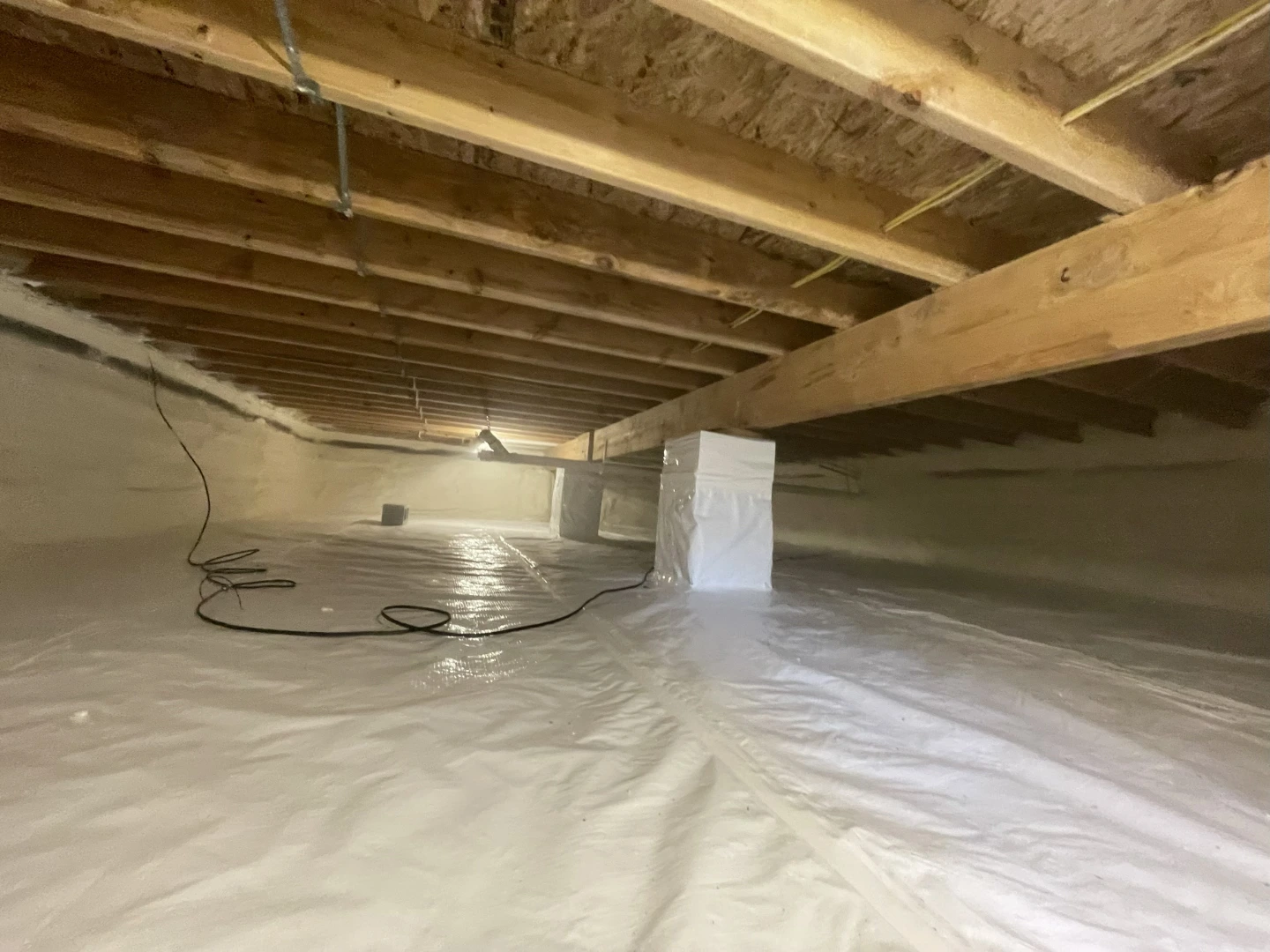
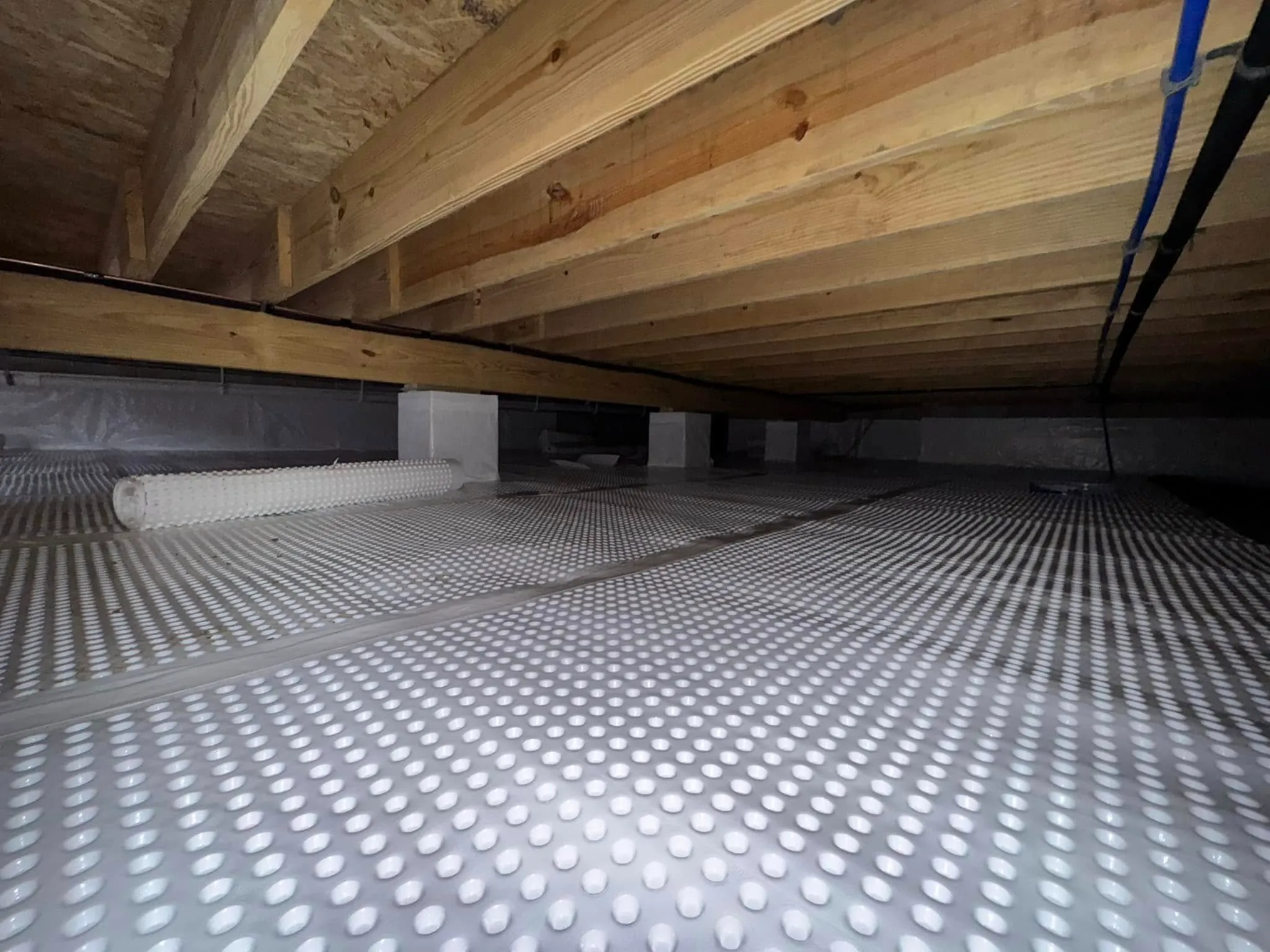
Crawl space encapsulation third: Sealed crawl spaces eliminate moisture problems and improve floor temperatures above.
Wall insulation when re-siding: Exterior wall insulation is most practical when you are already planning to replace siding, giving access to the entire wall assembly.
Get Started with a Professional Insulation Assessment
Peninsula Insulation, LLC provides expert insulation services to homeowners throughout the Rhodesdale, MD area. Our team evaluates your home’s current insulation levels, identifies air leakage points, and recommends the most effective upgrades for your specific situation and budget. We work with a range of insulation materials and focus on meeting or exceeding the R-value requirements for our local climate zone, so your investment translates into real energy savings year after year.
Call us at (410) 770-2624 or email wil@mdsprayfoam.net to get started. A well-insulated home pays for itself, and our team is ready to help you get there.
Frequently Asked Questions
What R-value does my attic need in Rhodesdale, MD?
Rhodesdale is in IECC Climate Zone 4A, which requires a minimum of R-60 for uninsulated attics and R-49 if you already have 3 to 4 inches of insulation. Meeting these targets ensures your insulation performs effectively in both summer and winter.
How long does it take for insulation upgrades to pay for themselves?
Payback periods vary by the scope of work and current energy use, but attic insulation and basic air sealing typically offer the fastest return. Caulking and weatherstripping can pay for themselves in under a year, while larger attic and rim joist projects generally pay back within 5 to 10 years according to the DOE.
Can insulation upgrades affect indoor air quality?
Yes. Sealing air leaks without maintaining proper ventilation can trap pollutants and moisture inside your home. A professional contractor will assess ventilation needs and ensure your home has adequate fresh air exchange as part of the insulation upgrade.
Does adding insulation qualify for federal tax credits?
Insulation and air sealing improvements may qualify for a federal tax credit when they meet 2021 IECC requirements for your climate zone. Check current IRS guidelines or ask your contractor to confirm eligibility for the specific materials and R-values being installed.
Do I need to air seal before adding insulation?
Air sealing should always accompany insulation work. Insulation slows heat transfer but does not stop air movement through gaps and penetrations. Sealing those leaks first prevents conditioned air from escaping around and through the insulation, maximizing both comfort and savings.
Sources
ENERGY STAR – Why Seal and Insulate – EPA estimates on energy savings from air sealing and insulation, including the statistic that 9 out of 10 U.S. homes are under-insulated.
DOE – Guide to Home Insulation – Comprehensive overview of insulation types, R-value recommendations by climate zone, and the potential for up to 20% savings on heating and cooling costs.
EPA – Energy, Weatherization and Indoor Air Quality – Guidance on indoor air quality considerations during weatherization, including the importance of ventilation when tightening a home’s building envelope.
I’m Wil Perkins, founder of Peninsula Insulation, with nearly five years of industry experience. As a longtime Easton, Maryland resident, I focus on quality spray foam services and lasting insulation results.