What Should Homeowners in Rhodesdale, MD Know Before Installing Mineral Wool Insulation?
Mineral wool insulation is a fibrous material spun from molten rock and slag, and for homeowners in Rhodesdale, it offers…

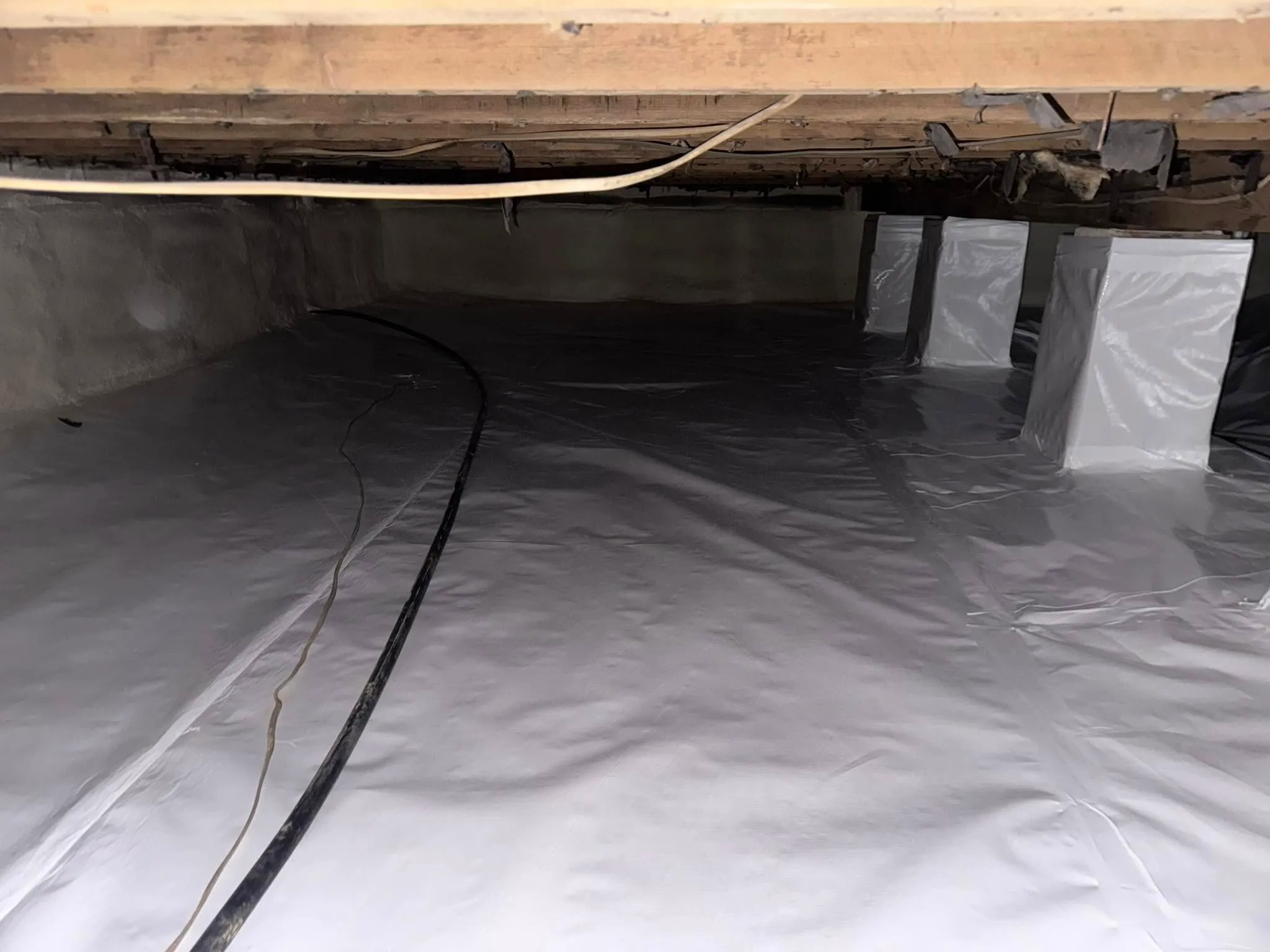
Ignoring a damp crawl space in Annapolis is not a problem that stays contained. The moisture underneath your home does not simply sit still. It rises into your living areas through a process called the stack effect, where warm air escaping through your attic draws crawl space air upward through every crack, gap, and floor opening in your home. In a coastal city like Annapolis, where summer humidity routinely reaches 75% relative humidity, and the humid subtropical climate keeps moisture levels elevated from August through October, an unsealed crawl space becomes a continuous source of dampness, mold spores, and structural decay. Crawl space encapsulation seals the floor, walls, and vents with a heavy-duty vapor barrier and often includes a dehumidifier, cutting off the moisture supply at its source. Without it, the problems compound month after month, affecting your air quality, your home’s structure, and your energy bills. A comprehensive crawl space encapsulation guide can help homeowners understand the long-term benefits of controlling moisture at its source.
Annapolis sits within Maryland’s humid subtropical climate zone, influenced heavily by the Chesapeake Bay and the Atlantic Ocean. According to the Maryland State Climatologist Office, average relative humidity in the Baltimore-Annapolis corridor reaches about 60% in the spring months and climbs to roughly 75% during late summer and early fall Maryland State Climatologist Office. Britannica’s climate reference confirms that summer conditions in eastern Maryland can produce nearly 100% relative humidity during calm periods. Britannica – Maryland Climate.
This matters for crawl spaces because open vents, which were standard in older construction, allow that saturated outdoor air to flow directly underneath your home. When warm, humid air meets the cooler surfaces inside a crawl space, condensation forms on pipes, ductwork, and wooden framing. That condensation drips down, pools on bare earth floors, and creates the exact environment where mold thrives.
The EPA identifies crawl spaces with bare earth floors and high relative humidity as common sites of hidden mold growth, noting that soil wicks moisture through capillary action and evaporates into the enclosed air EPA Mold Course Chapter 2. In Annapolis, this combination of coastal humidity, seasonal rain, and high water tables makes damp crawl spaces almost inevitable without proactive sealing.
The EPA states that molds produce allergens, irritants, and in some cases, potentially toxic substances called mycotoxins. EPA Brief Guide to Mold. Inhaling or touching mold spores can cause sneezing, a runny nose, red eyes, a skin rash, and asthma attacks in sensitive individuals. The agency explicitly notes that mold can irritate the eyes, skin, nose, throat, and lungs of both allergic and non-allergic people.
The National Institutes of Health adds that mold, its fragments, and metabolic by-products have all been associated with adverse health effects, primarily allergic reactions and respiratory irritation, NIH Moisture and Mold Remediation SOP. When your crawl space is damp, mold grows on wood framing, insulation, and debris, then releases spores that get pulled into your home through the stack effect. This means the air your family breathes on the first floor is directly influenced by whatever is growing underneath it.
Common health symptoms linked to a damp crawl space include:
Mold does more than trigger health complaints. It actively digests the organic materials it grows on. The EPA warns that mold gradually destroys the things it grows on and that if a mold and moisture problem goes unaddressed long enough, structural damage is likely to result. In a crawl space, this means floor joists, support beams, and subflooring are all at risk. Understanding the difference between crawl space sealing and encapsulation helps homeowners choose the most effective long-term solution.
Wood rot fungi thrive in the same damp conditions that support mold growth. As rot progresses, the wood loses its load-bearing capacity. Floors begin to sag, doors may stick, and in advanced cases, structural engineers may need to assess whether the integrity of the building has been compromised.
The NIH reinforces this point, noting that left unchecked, molds can eventually destroy the surfaces upon which they live, and that structural damage to buildings is a major concern regarding uncontrolled mold growth. What starts as a faint musty smell can escalate into framing replacement that costs far more than preventative encapsulation.
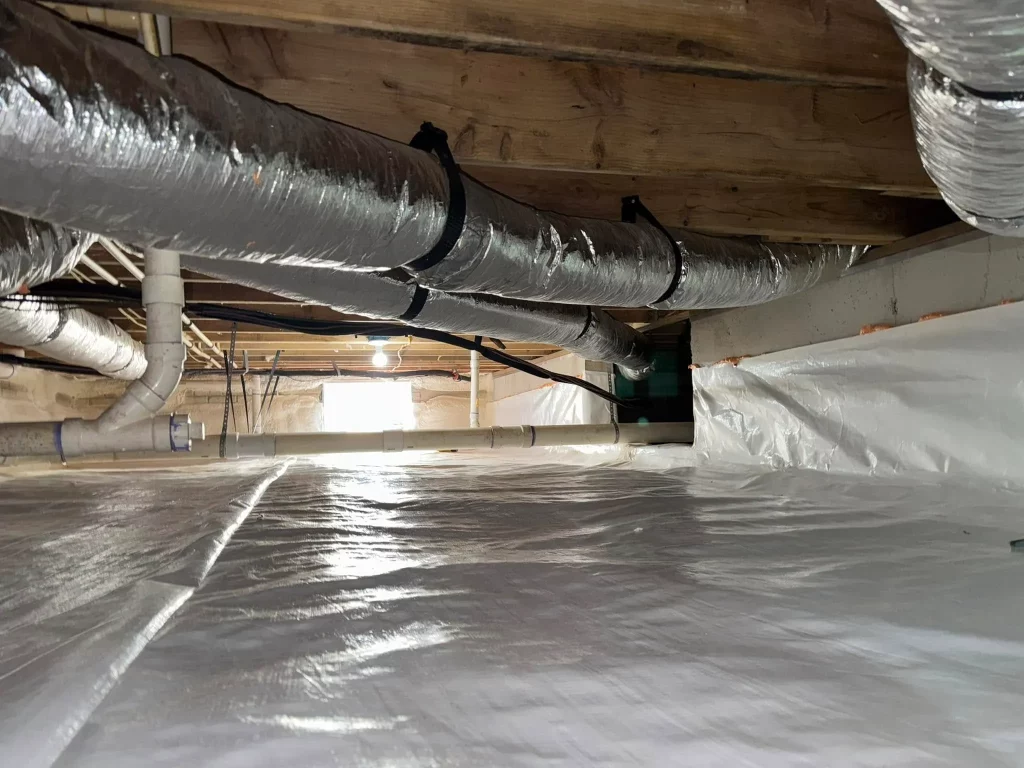
When HVAC ductwork runs through a damp, unconditioned crawl space, the system loses efficiency in both summer and winter. In summer, cool air passing through ducts surrounded by warm, humid crawl space air causes condensation on the duct exterior, adding more moisture to the environment. In winter, heat escapes through uninsulated ducts into the crawl space rather than reaching your living areas. These issues are a major reason homeowners invest in crawl space encapsulation in Annapolis, MD, to improve energy efficiency and moisture control.
A properly encapsulated crawl space keeps temperatures more stable, reduces the load on your HVAC equipment, and prevents duct condensation from feeding additional moisture into the space.
Recognizing the warning signs early allows you to address moisture problems before they escalate into structural damage or persistent health issues. Here are the indicators that encapsulation should move to the top of your home improvement list:
| Factor | Ignored Damp Crawl Space | Encapsulated Crawl Space |
|---|---|---|
| Humidity Control | Uncontrolled, fluctuates with the weather | Maintained at 30-50% with a dehumidifier |
| Mold Risk | High, especially in summer and fall | Minimal, moisture source eliminated |
| Air Quality | Mold spores and odors enter living spaces | Sealed barrier blocks contaminant transfer |
| Structural Integrity | Wood rot progresses over time | Framing stays dry and sound |
| Energy Efficiency | HVAC loses efficiency through ducts | Ductwork operates in a conditioned space |
| Pest Access | Open vents and moisture attract insects and rodents | Sealed perimeter limits entry points |
Choosing the right team for crawl space encapsulation matters as much as deciding to do it. Look for these indicators when evaluating a provider:
At Peninsula Insulation, LLC, we have worked with homeowners across Annapolis and the surrounding area to solve persistent crawl space moisture problems for good. Our team evaluates your crawl space conditions, identifies the specific sources of moisture, and designs an encapsulation system built for Maryland’s humid climate. We seal the perimeter, install a durable vapor barrier, close off vent openings, and set up dehumidification to keep humidity in the safe range year-round. Get in touch with us today to discuss your situation and find out exactly what your crawl space needs.
📞 Request a Quote: Call us at (410) 770-2624 or email wil@mdsprayfoam.net to get started.
🏠 Schedule a Crawl Space Assessment: Our team will inspect your crawl space, take moisture readings, and provide a clear plan of action tailored to your home.
Don’t wait until musty odors become structural concerns. Taking action now protects your air quality, your home’s framing, and your family’s comfort for years to come.
Mold can begin colonizing damp surfaces within 24 to 48 hours of moisture exposure, as noted by the EPA. In Annapolis, where summer humidity regularly exceeds 70%, the timeline can be even shorter if condensation is continuously forming on wood and insulation.
Encapsulation itself prevents future mold growth by removing the moisture source, but existing mold on wood framing typically requires separate remediation. The mold must be physically removed before the vapor barrier and dehumidifier are installed, otherwise dead mold fragments can still cause allergic reactions.
Yes. By sealing vents and conditioning the crawl space, your HVAC ducts no longer operate in an extreme environment. This reduces energy loss and helps your heating and cooling system maintain consistent indoor temperatures with less effort.
Warm air inside your home rises and escapes through the attic and upper levels, creating negative pressure at the lower levels. This pressure difference pulls air from the crawl space upward through floor gaps, plumbing penetrations, and wall cavities, carrying any moisture, mold spores, and odors with it.
A basic vapor barrier laid over dirt helps reduce ground moisture evaporation, but full encapsulation also seals the foundation walls, closes and seals vents, and typically includes a dehumidifier. Without these additional steps, humid outdoor air can still enter the space and cause condensation.